RockScan field guide
How to Identify Rock Types
To identify rock types, sort by family first — igneous, sedimentary, or metamorphic — then check grain size, layering, and hardness. Igneous rocks show interlocking crystals or glass; sedimentary rocks show grains, fossils, or beds; metamorphic rocks show recrystallized, banded, or foliated texture. Confirm with a RockScan photo ID and the specimen checklist.
Rock identifier app · photo ID on iPhone or web.
Igneous vs sedimentary vs metamorphic: quick visual triage
Most “what rock is this” finds resolve in under a minute once you sort by family. Ask three questions in order: does it look melted, layered by water, or reworked by pressure?
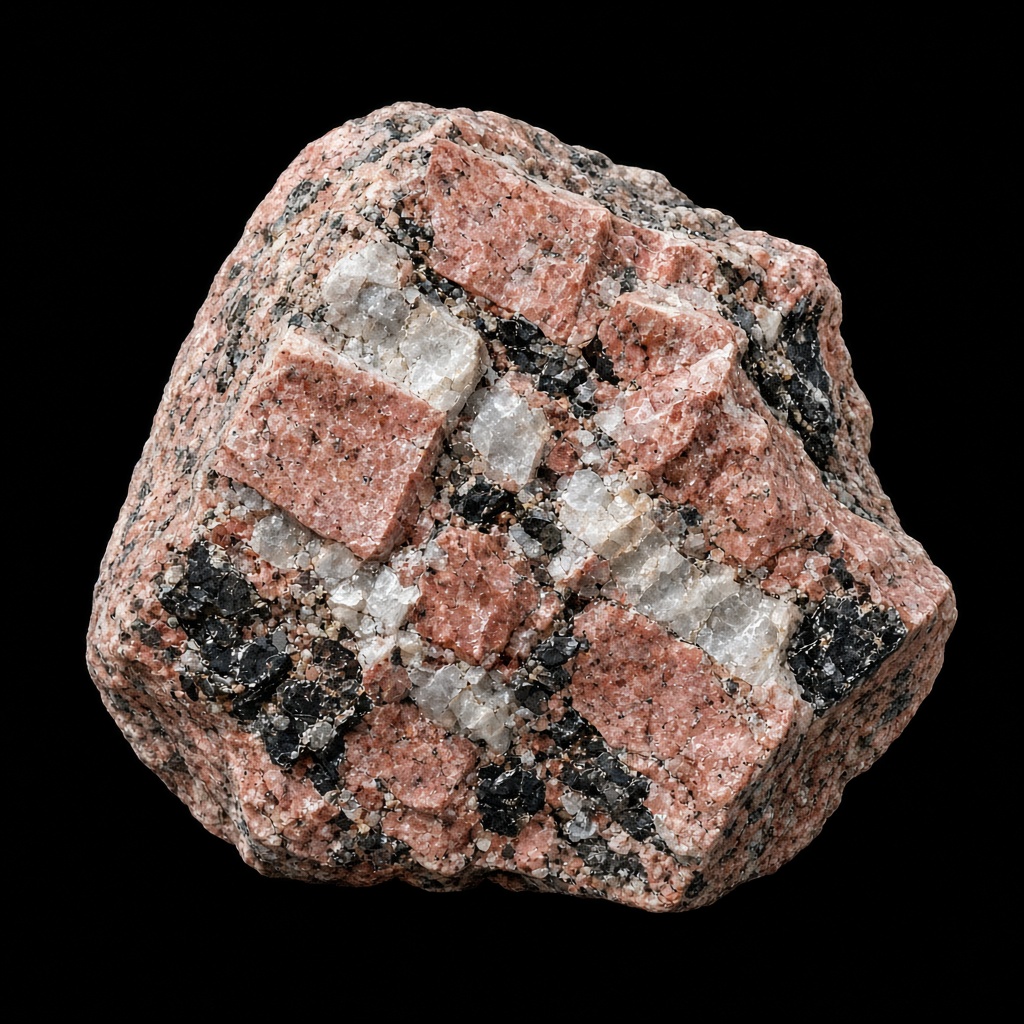
Igneous — cooled from melt. Look for interlocking crystals with no bedding. Coarse speckled granite (quartz + pink feldspar + dark mica) cooled slowly underground; dense dark basalt and pale rhyolite cooled fast at the surface and look fine-grained. Obsidian is volcanic glass with curved, shell-like breaks, while pumice is a pale foam full of tiny gas holes. Coarse dark gabbro is the intrusive cousin of basalt — same chemistry, bigger crystals.
Sedimentary — grains, shells, or mud turned to stone. Look for grit, fossils, or flat beds. Sandstone feels sandy and may show cross-beds; conglomerate is unmistakable “pebbles stuck in rock”; shale splits into thin papery layers. Limestone is often light grey to tan and may carry shells — the host for many fossil finds. Hard silica nodules like flint break with sharp shell-like fracture inside chalk or limestone.
Metamorphic — reworked by heat and pressure. Look for recrystallized, banded, or sheet-like texture. Marble is sugary recrystallized carbonate; quartzite is fused sand turned glassy-tough. Slate splits into hard durable sheets, schist glitters with aligned mica, and gneiss shows light-dark mineral bands. If you see banding, you are almost certainly in metamorphic ground — compare gneiss against massive granite before deciding.
Hollow or crystal-lined nodules deserve their own check: a geode looks ordinary outside but shows inward-pointing crystals once broken or cut. Weight helps — hollow pieces feel light for their size.
Grain size and texture: the fastest field cue
Geologists read grain size the way birders read wing shape — it narrows everything fast. Use a hand lens or phone macro and name what you see.
- Phaneritic (visible interlocking crystals): granite, gabbro, gneiss. No lens needed; crystals lock together like mosaic tile.
- Aphanitic (too fine to see): basalt, rhyolite. Dense, uniform, often darker or paler groundmass with maybe a few larger phenocrysts.
- Glassy / vesicular: obsidian (smooth glass), pumice (pale foam that can float). Glass means the lava quenched before crystals could grow.
- Clastic (cemented grains): sandstone (sand grit), conglomerate (rounded pebbles), shale (mud flakes). Grains sit in matrix or cement rather than interlocking.
- Foliated / banded: slate (hard sheets), schist (mica glitter), gneiss (light-dark bands). Tilt the specimen — foliation catches light in sheets.
- Recrystallized sugary: marble, quartzite. Even sparkle on a broken face; marble scratches easily, quartzite does not.
Photograph texture straight-on in shade, then one raking-light shot. Texture reads best on a fresh break — weathered rinds dull every family. For minerals and collector pieces the same logic applies: compare quartz habit against softer lookalikes like gypsum or fluorite, and check agate banding against opaque jasper.
Simple hardness and density checks
You do not need a lab — a fingernail (~2.5), a steel nail or knife (~5.5), and a glass plate (~5.5–6) settle most hardness questions. Scratch carefully on an inconspicuous corner and confirm the groove with a lens.
Soft rocks (Mohs 1–3) mark easily: shale, limestone, and marble all yield to a knife. Medium rocks (Mohs 4–6) resist a fingernail but may yield to steel: basalt, slate, schist sit here. Hard rocks (Mohs 6–7) shrug off steel: granite, rhyolite, quartzite, and flint all carry quartz and bite into glass.
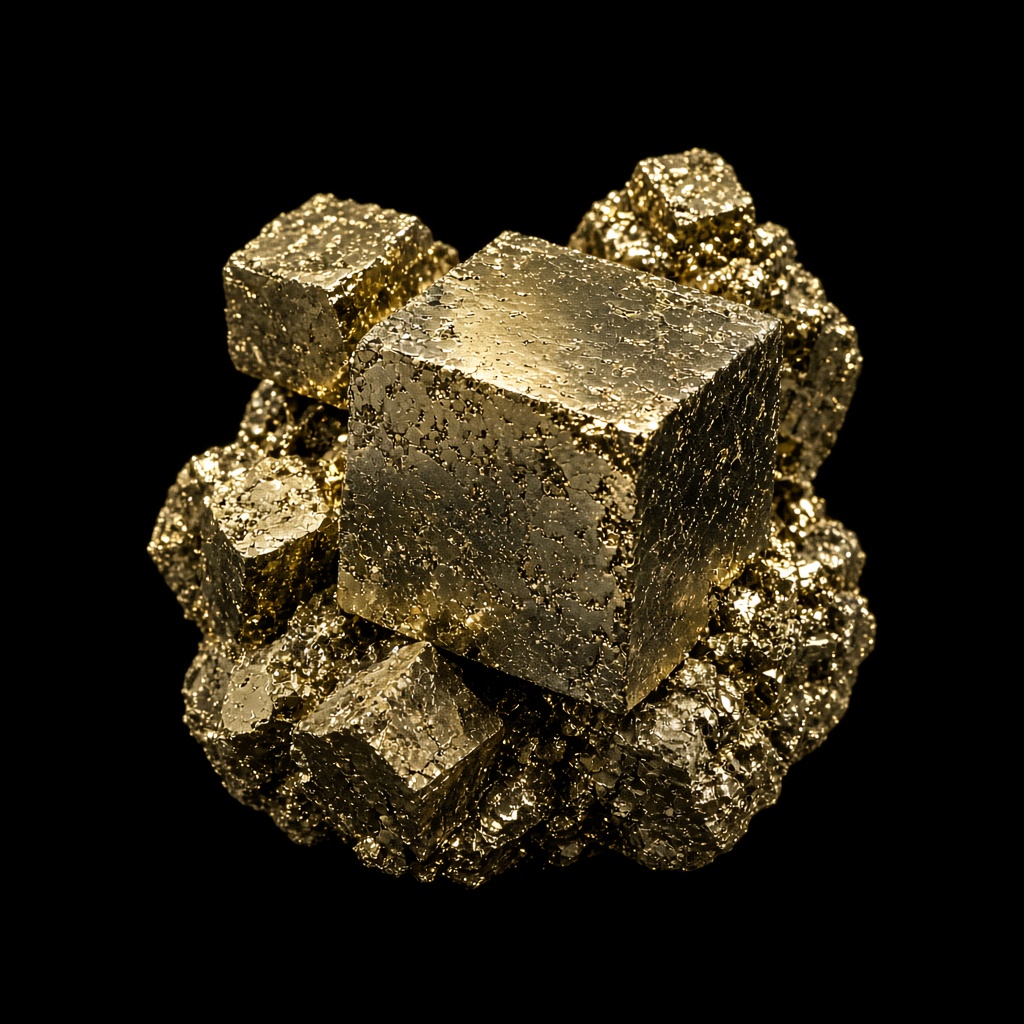
Density is the second hand-feel check. Basalt and gabbro feel heavy for their size; pumice feels startlingly light and may float. Among minerals the contrast is even sharper: gypsum (Mohs 2, fingernail-soft) vs quartz (Mohs 7, scratches glass) vs pyrite (dense, brassy cubes) vs magnetite (grabs a magnet). Red-brown streak points to hematite; green banding points to malachite.
Safety note: keep tests minimal on display pieces, avoid inhaling dust when handling fibrous or copper minerals, and never force-break a suspected geode before a photo ID suggests it is worth cutting.
Photo tips for rock-type ID
RockScan identifies from pixels, so photo quality is identification quality. Four habits cover most failures we see in blurry submissions.
- Diffuse daylight, no flash: shoot in open shade. Dark rocks like basalt and gabbro underexpose under direct sun; purple amethyst and banded agate blow out under flash.
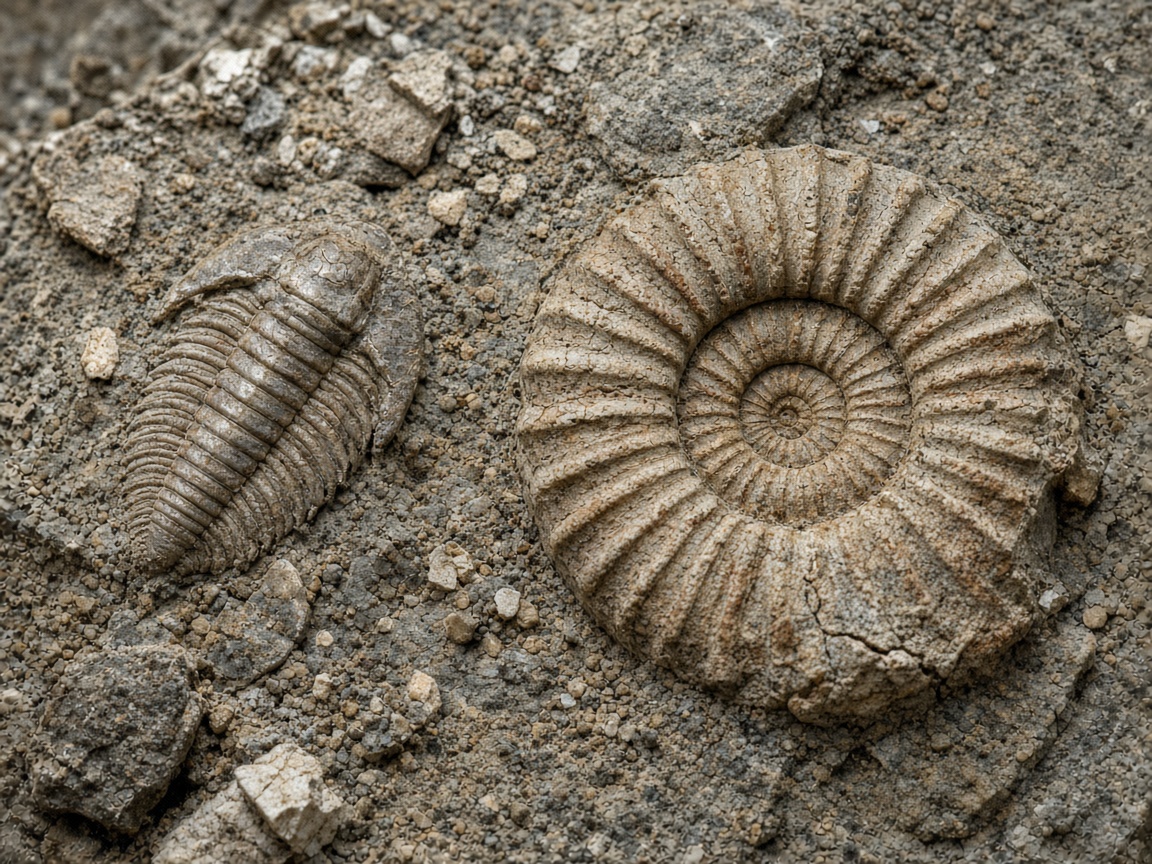
- Scale in every set: include a coin or ruler. Coarse granite crystals read at centimeters; sandstone grit needs macro; fossil shells need size to separate ammonites from shell hash.
- Wet and dry pair: one dry shot for true color, one damp corner to pop texture. Mica sparkle in schist, banding in gneiss, and translucency in agate all read better damp — but log the dry color as canonical.
- Three angles: face-on texture, edge-on layering, and one broken or fresh face. Sheet splitting in slate, pebble rounding in conglomerate, and crystal lining in geode only show edge-on or inside.
Then open the result in the online studio — RockScan returns a ranked suggestion with hardness, lookalikes, and collector context you can verify against the specimen guides for rocks, minerals, and crystals.
Common outdoor lookalikes
Close pairs cause most misidentifications. Run these five before you lock an ID:
- Granite vs gneiss: both speckled and hard — but gneiss shows light-dark bands while granite is massive. No bands, no gneiss.
- Sandstone vs quartzite: both quartz-rich — but quartzite breaks through grains and resists a knife (~7) while sandstone feels gritty and breaks around grains.
- Limestone vs marble: both carbonate — but marble shows sugary sparkle and takes polish while limestone stays dull and may show fossils.
- Basalt vs obsidian vs flint: all dark — but obsidian is glass with curved breaks, flint is sedimentary silica with a pale cortex, and basalt is fine crystalline stone.
- Shale vs slate vs schist: a hardness ladder — shale crumbles, slate rings and sheets, schist glitters with coarse mica.
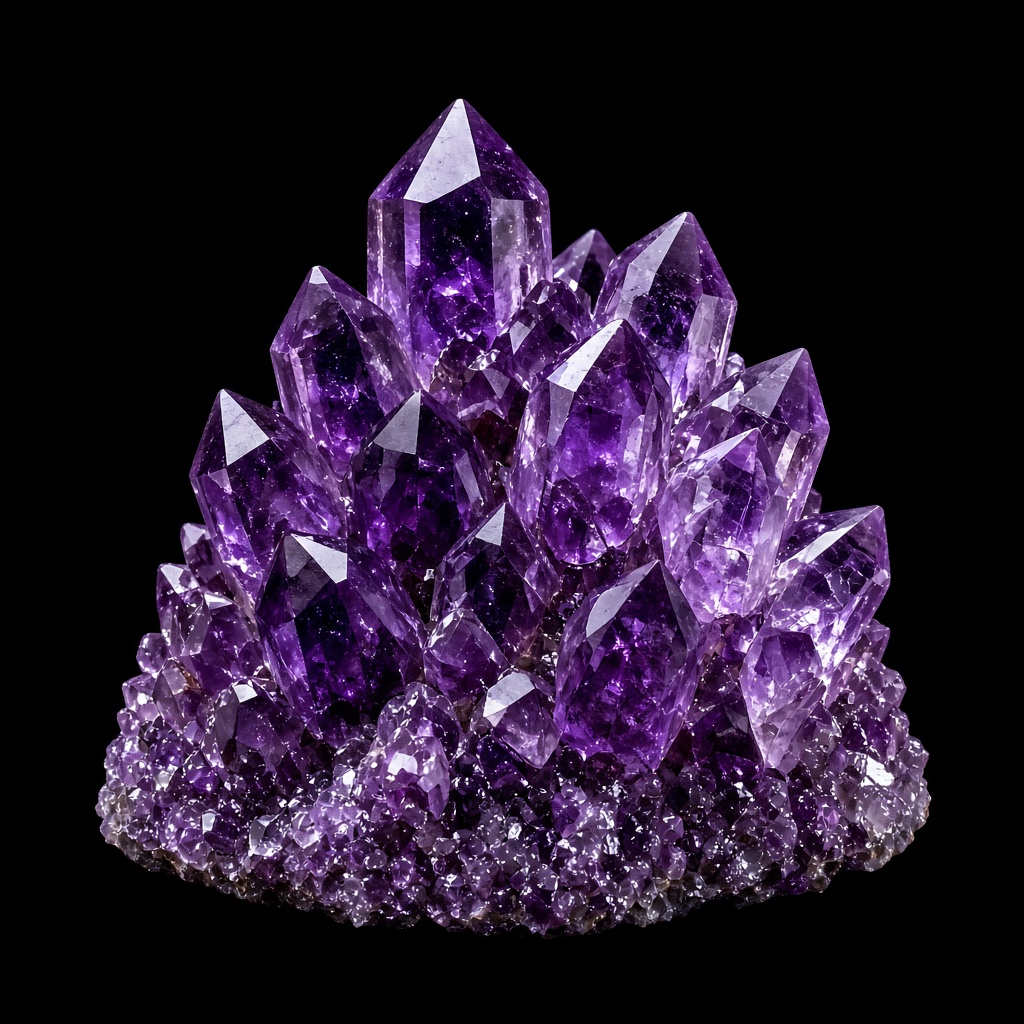
Collector minerals have their own classic confusions: quartz vs glass (hardness 7, no bubbles), pyrite vs gold (brittle cubes vs malleable metal), hematite vs magnetite (red-brown vs black streak, weak vs strong magnetism), and amethyst vs purple fluorite (Mohs 7 vs 4). Each species page lists its own tell-apart table — start with opal, turquoise, or jade if you collect jewelry stones.
High-intent how-to identify guides
These Batch-1 specimen pages now carry dedicated “how to identify …” checklists, lookalikes, and photo tips — matching the searches collectors actually type:
- How to identify flint rock — silica nodules, cortex, vs obsidian/basalt
- How to identify a fossil rock — biology-first morphology in sedimentary hosts
- How to identify a geode rock — hollow crystal-lined cavities
- How to identify obsidian — volcanic glass vs flint
- How to identify granite rock — speckled igneous vs gneiss/quartzite
- How to identify basalt rock — fine dark igneous vs glass/flint
- How to identify sandstone rock — grit vs quartzite
- How to identify limestone rock — soft carbonate vs marble
- How to identify marble rock — sugary metamorphic carbonate
- How to identify an agate rock — translucent banding vs jasper
- How to identify amethyst — purple quartz vs fluorite
- How to identify rose quartz — pink quartz vs glass
- How to identify citrine — yellow quartz vs heated amethyst
- How to identify rock gypsum — Mohs 2 fingernail test
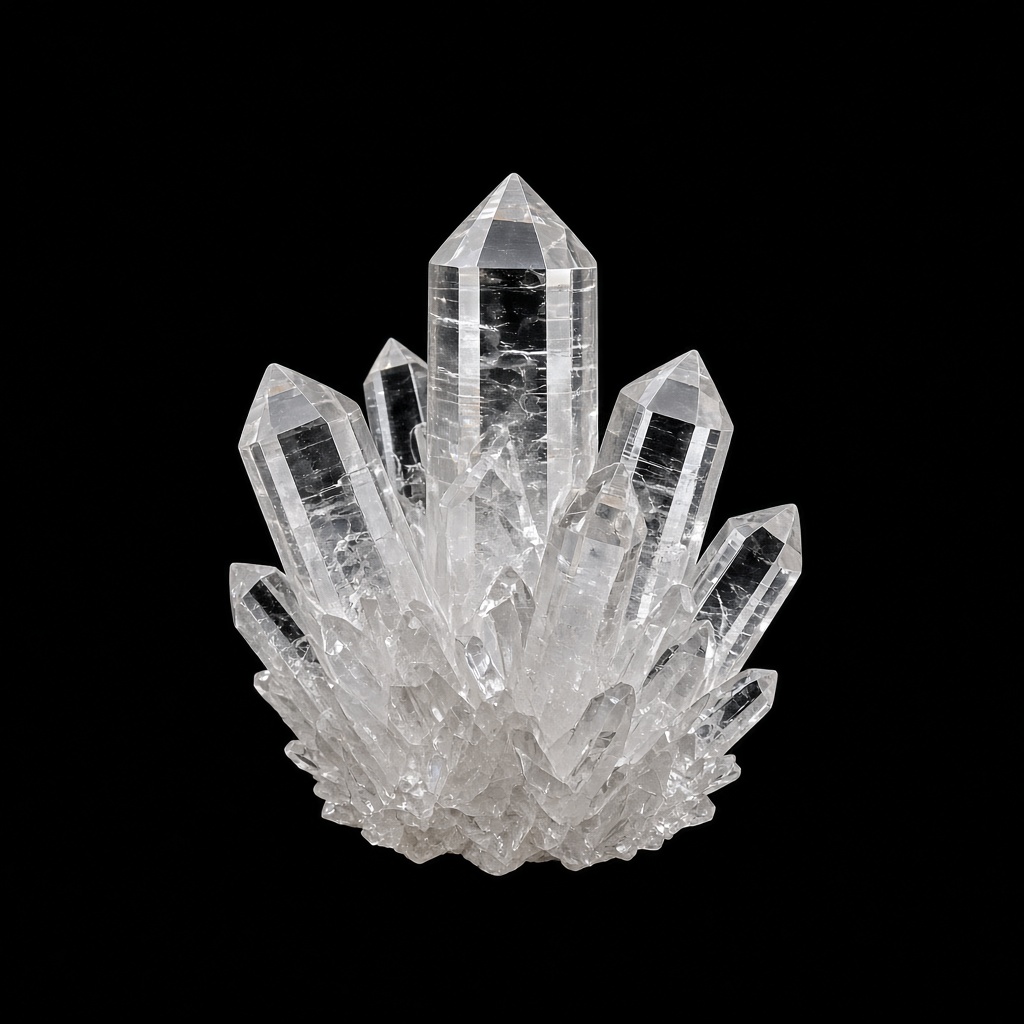
- How to identify quartz — Mohs 7 silica baseline
- How to identify pyrite — fool’s gold cubes vs native gold
- How to identify jade rock — toughness vs serpentine/glass
- How to identify turquoise — matrix vs dyed howlite
- How to identify fluorite — Mohs 4 cubes vs amethyst
- How to identify malachite — green banding vs fakes
- How to identify hematite — red-brown streak vs magnetite
- How to identify slate rock — hard cleavage sheets vs shale/schist
- How to identify shale rock — soft fissile mudrock
- How to identify pumice rock — frothy floatable volcanic foam
- How to identify conglomerate rock — rounded pebbles in matrix
- How to identify rhyolite rock — fine felsic lava vs granite
- How to identify gneiss rock — light–dark metamorphic bands
- How to identify schist rock — mica glitter foliation
- How to identify quartzite rock — fused hard sandstone
- How to identify gabbro rock — coarse dark mafic vs basalt
- How to identify magnetite — strong magnet + black streak
- How to identify jasper — opaque colorful chalcedony
- How to identify tiger's eye — chatoyant golden silk
- How to identify opal — play-of-color vs potch
- How to identify garnet — isometric crystals vs ruby/glass
- How to identify clear quartz — rock crystal points vs glass
When to use a photo rock identifier
Use photo ID the moment a find is ambiguous, fragile, or worth documenting — trail cobbles, estate lots, shop bins, and any what-rock-is-this moment. Snap the three-angle set above, upload in the online studio or the rock identifier app, and RockScan returns a ranked ID with confidence plus the exact checks to confirm: hardness, texture, and the closest lookalikes.
Photo ID shines on patterned stones — geode interiors, agate bands, fossil morphology, garnet crystal faces — and on dark fine-grained rocks where the eye fatigues. It does not replace a lens and a nail, but it tells you which of the 36 specimen guides to open first: rocks, minerals, or crystals. Start free, keep the directory open, and let the specimen card settle the close calls.
FAQ
How do you identify rock types?
Start with the three families: igneous rocks cooled from melt (granite, basalt, obsidian), sedimentary rocks built from grains or shells (sandstone, limestone, shale, conglomerate), and metamorphic rocks reworked by heat and pressure (marble, slate, gneiss, schist, quartzite). Check grain size, layering vs banding, and hardness — then confirm with a RockScan photo ID and the specimen checklist.
How do you tell sedimentary from metamorphic rock?
Sedimentary rocks often show grains, fossils, or flat bedding (sandstone grit, limestone shells, shale fissility). Metamorphic rocks show recrystallized texture: sugary interlocking grains (marble, quartzite), hard cleavage sheets (slate), or banded/foliated minerals (gneiss, schist). Hardness helps — quartzite (~7) resists a knife while marble (~3) scratches easily.
Do I need acid tests to identify rocks?
No — most outdoor IDs resolve without acid. Carbonate rocks like limestone and marble may fizz with dilute acid, but you can usually separate them first by fossils, sugary sparkle, hardness, and lookalikes. If you do test, use safe, minimal methods and confirm with photo ID plus the specimen guide.
Is a rock identifier app or a field kit better?
Use both: an app like RockScan gives a fast photo-first suggestion with lookalikes and hardness context, while a simple kit (hand lens, steel nail, streak plate, scale) confirms texture and hardness. Photo ID is best for triage; field checks settle close calls like granite vs gneiss or sandstone vs quartzite.