Mineral guide
How to Identify Fluorite
CaF₂
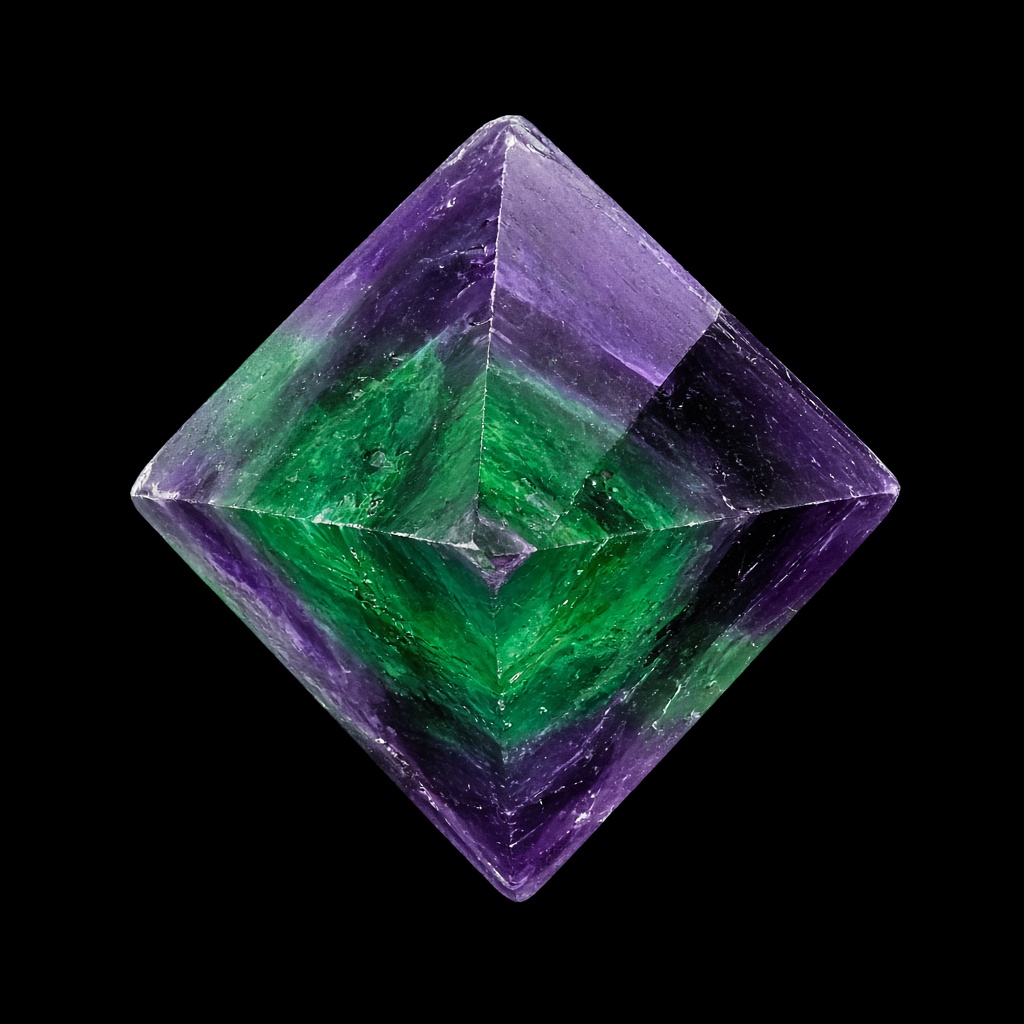
Fluorite is a soft halide mineral (Mohs 4) famous for purple, green, and blue cubes with perfect cleavage. Identify it by hardness below quartz/amethyst, cubic habit when crystals show, and easy cleavage — not by color alone.
About Fluorite
Fluorite is a soft halide mineral (Mohs 4) famous for purple, green, and blue cubes with perfect cleavage. Identify it by hardness below quartz/amethyst, cubic habit when crystals show, and easy cleavage — not by color alone.
Fluorite is filed under minerals in the RockScan directory. Composition: Calcium fluoride. It forms via hydrothermal veins and fluorite-rich deposits. Typical occurrence: China, Mexico, UK (Blue John), USA. For the broader method, see how to identify rock types.
Fluorite properties
| Mohs hardness | 4 |
|---|---|
| Class | mineral |
| Scientific name | CaF₂ |
| Color | Purple, green, blue, yellow, rainbow zoning |
| Luster | Vitreous |
| Crystal system / texture | Cubic |
| Composition | Calcium fluoride |
| Formation | Hydrothermal veins and fluorite-rich deposits |
| Occurrence | China, Mexico, UK (Blue John), USA |
How to identify Fluorite
- Cubes; Mohs 4.
- Perfect octahedral cleavage.
- Wide color range; often fluorescent under UV (optional test).
Lookalikes to rule out
- Amethyst: Amethyst is quartz Mohs 7 hexagonal; fluorite is Mohs 4 cubic with perfect cleavage.
- Calcite: Calcite fizzes; fluorite does not and shows cubic cleavage.
- Glass slag: Slag may be irregular; fluorite shows cleavage octahedra from broken cubes.
Photo tips for Fluorite ID
- Cubic crystals and color zoning are the money shots.
- Soft light for purple/green translucency.
- Show cleavage triangles on broken corners.
Snap one specimen in natural light, then open the result in the online studio or the rock identifier app.
Fluorite FAQ
How do you identify fluorite?
Cubic habit, Mohs 4, and perfect cleavage. Color alone is not enough — hardness separates it from amethyst.
Fluorite vs amethyst?
Amethyst is harder quartz; fluorite cleaves into octahedral fragments and scratches more easily.
Is fluorite a crystal people photograph?
Yes — popular photo mineral/crystal; we class it under minerals with crystal collector appeal.
How to identify fluorite
Purple fluorite is constantly confused with amethyst. Separate them with hardness and cleavage:
- Hardness 4: a knife can scratch fluorite; amethyst/quartz (Mohs 7) will not.
- Cleavage: perfect cleavage yields octahedral fragments; quartz shows conchoidal fracture.
- Habit: cubes and penetration twins are classic when crystals are visible.
- Color weak: purple, green, blue, yellow — color alone never beats hardness.
- Photo first: shade shot of crystal faces + any cleavage step, then RockScan vs amethyst.
Fluorite vs amethyst vs calcite vs glass
- Amethyst: quartz Mohs 7, hexagonal points, conchoidal fracture — not soft cubes.
- Calcite: Mohs 3, strong double refraction on clear pieces; different cleavage angles.
- Glass slag: bubbles, flow lines, no true cleavage; hardness varies.
Photo tips for fluorite ID
Soft light on cube faces; avoid flash that blows purple highlights. Compare amethyst, quartz, and citrine, then confirm in the online studio or rock identifier app.
Related minerals to compare
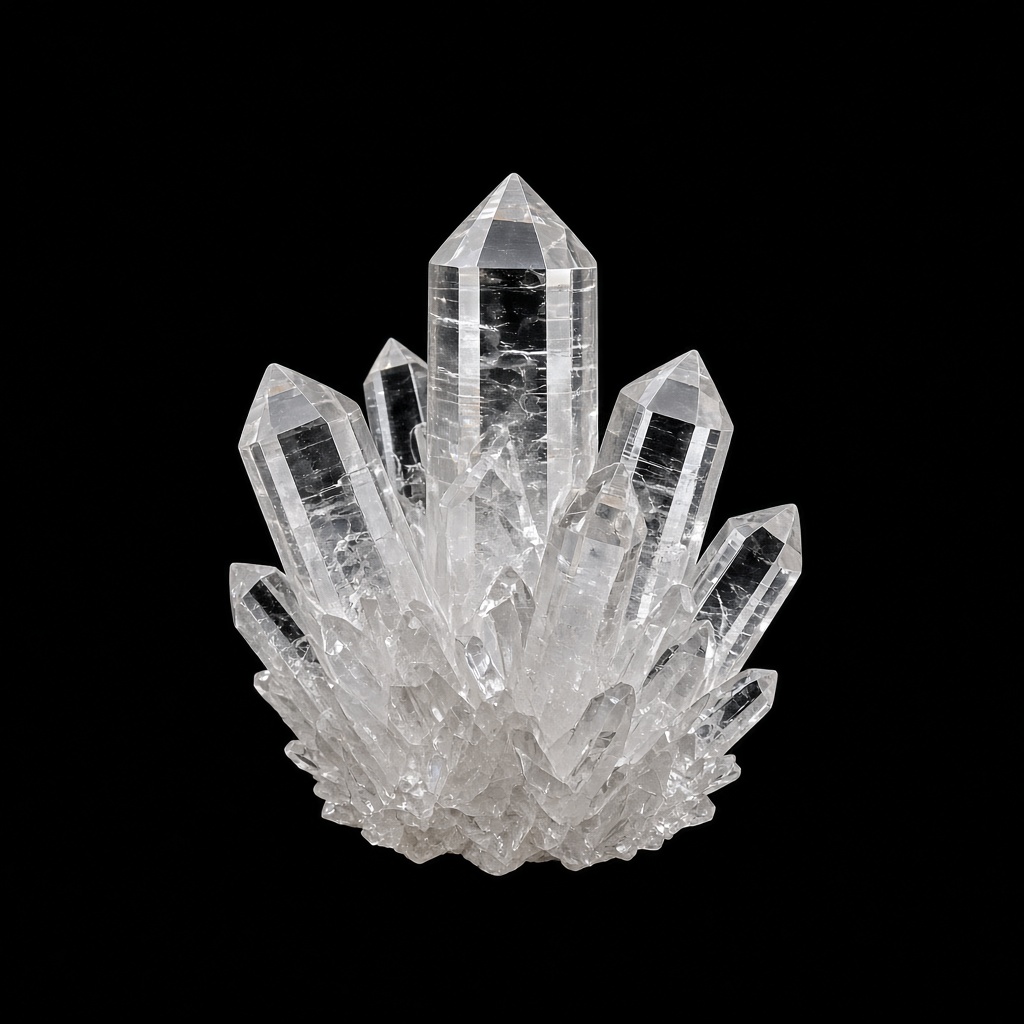
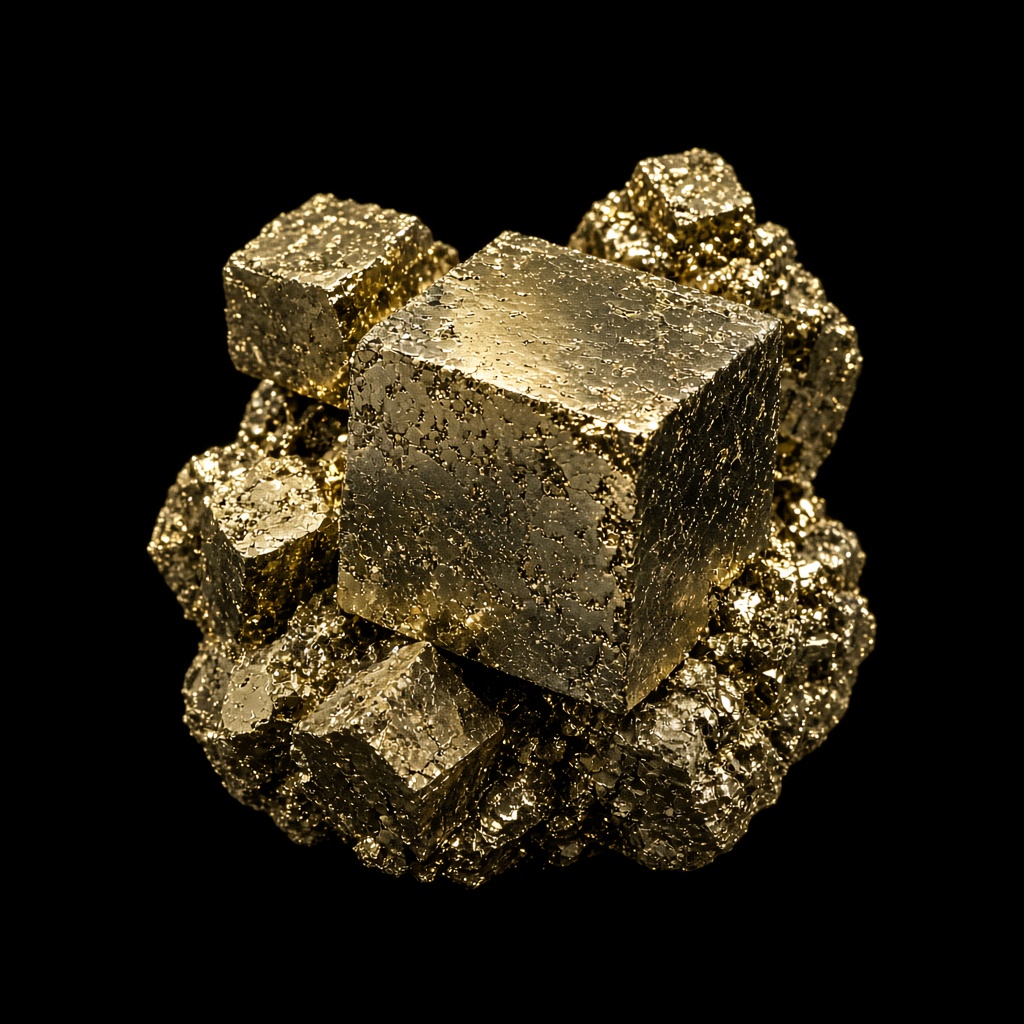
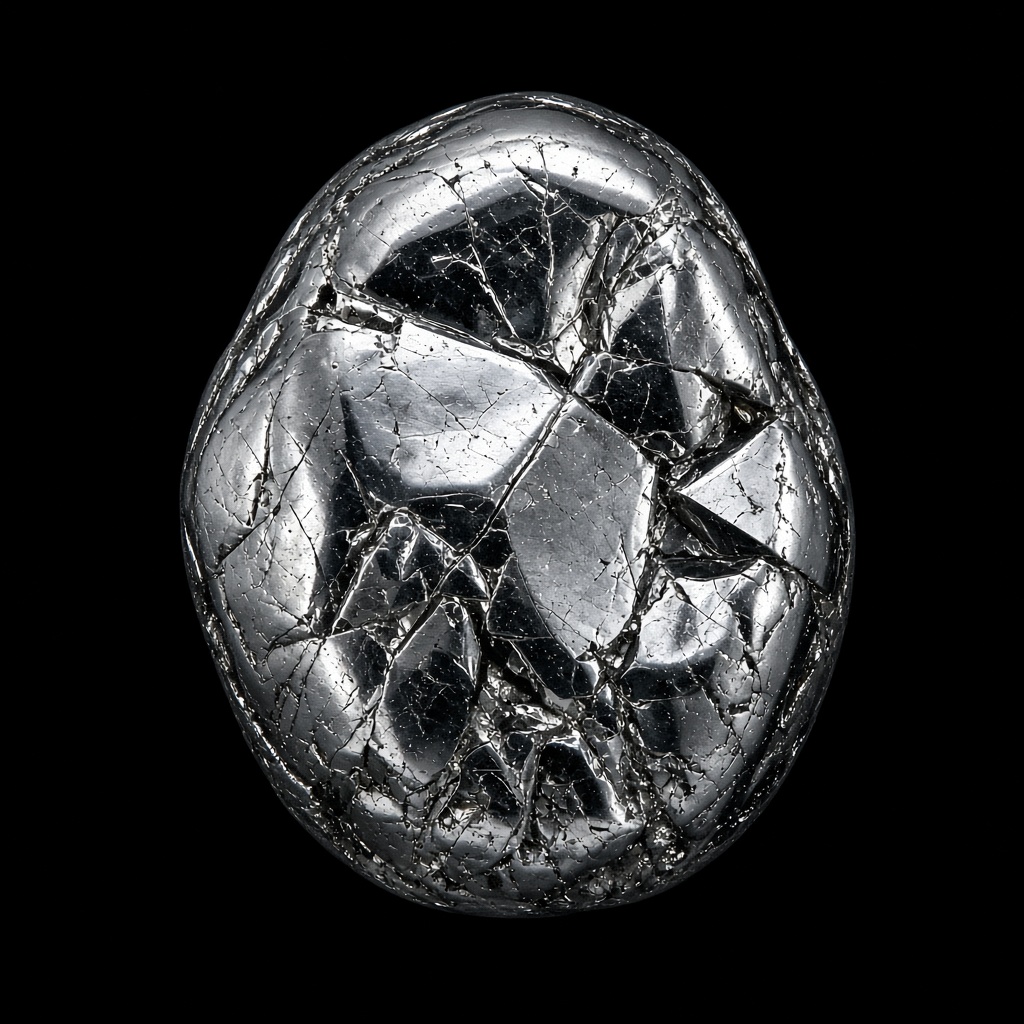
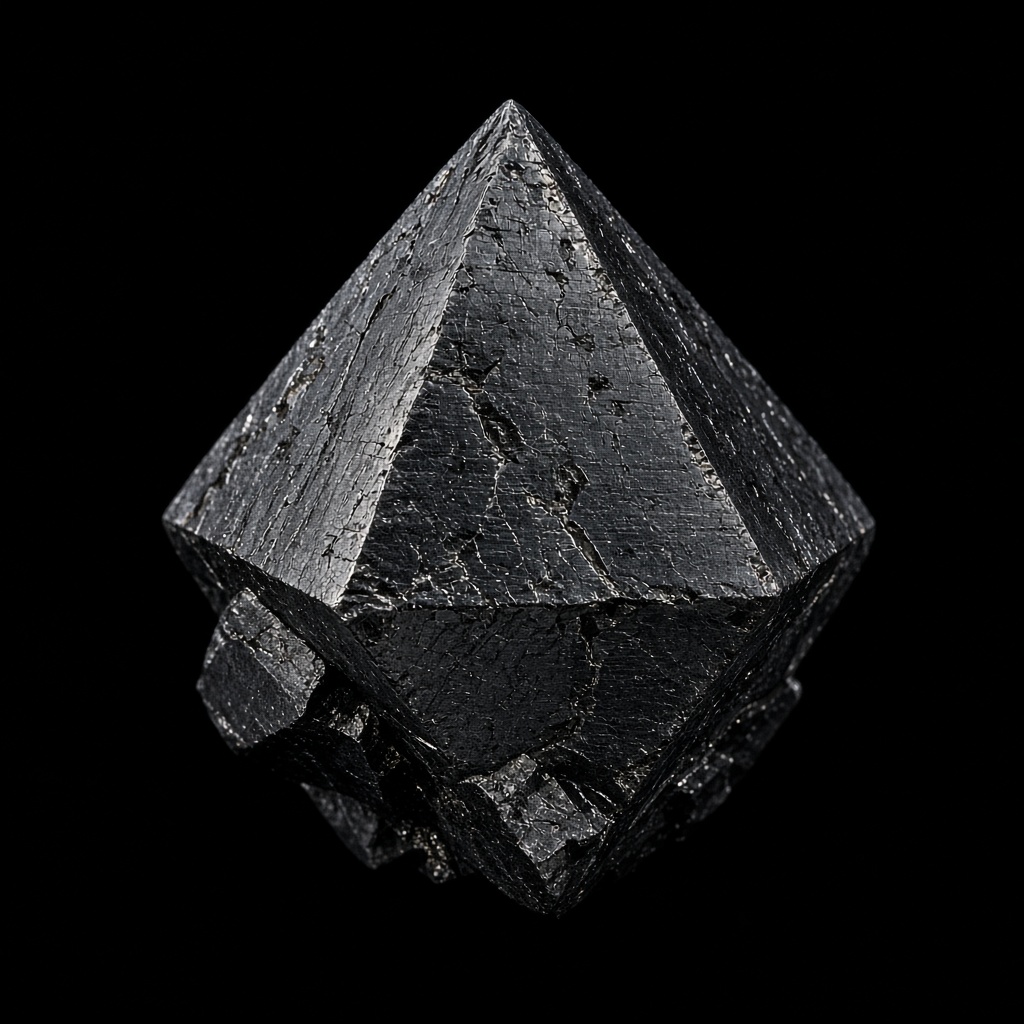
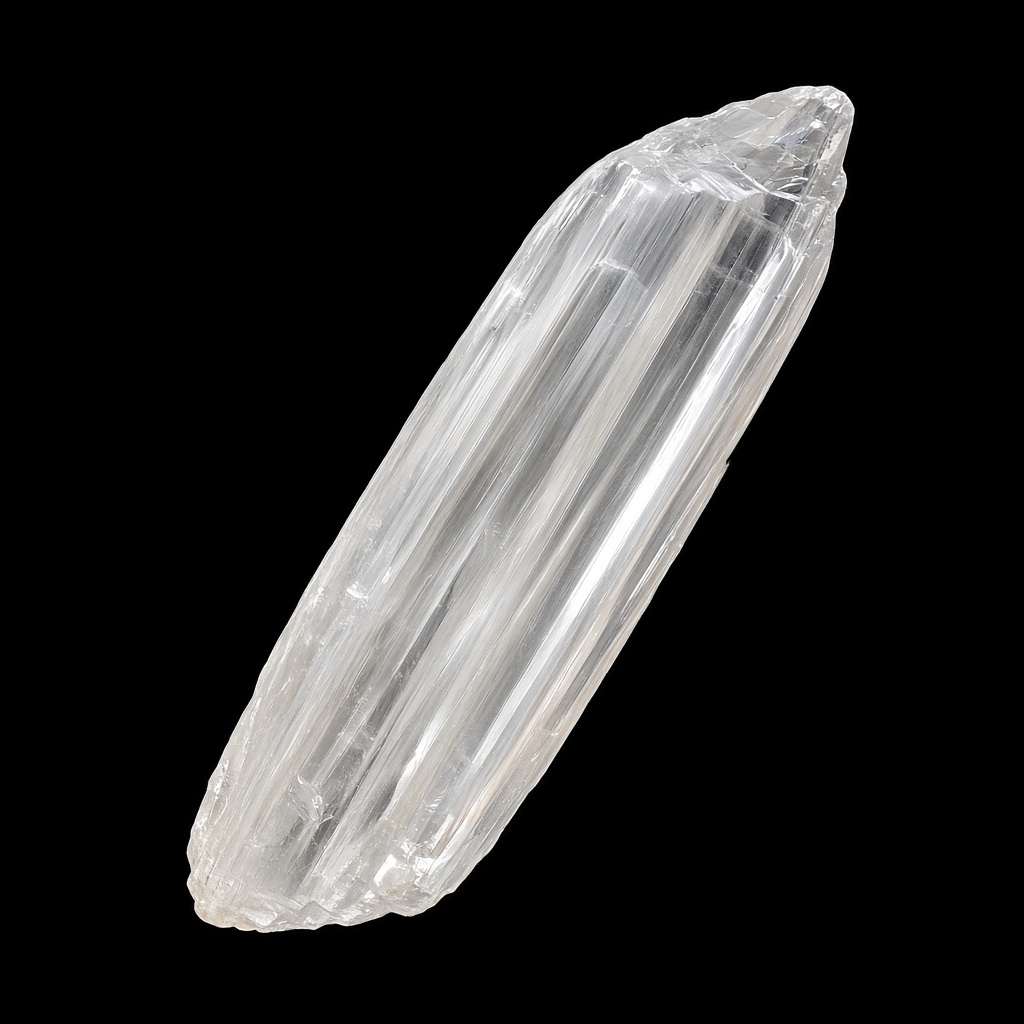
Browse all: rocks · minerals · crystals · directory · what rock is this · rock vs mineral vs crystal. Confirm with the online studio or rock identifier app.