Crystal guide
How to Identify Rose Quartz
SiO₂ (Quartz)
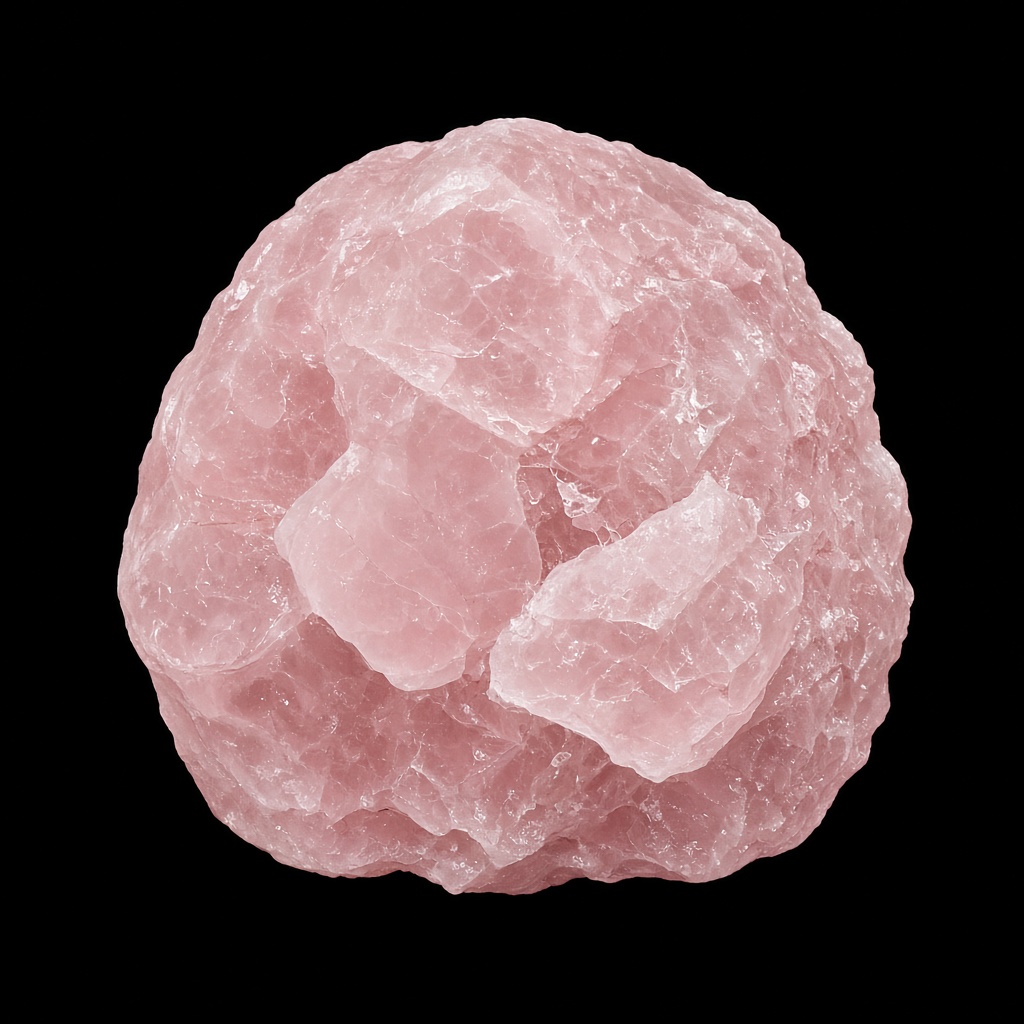
Rose quartz is the pink variety of quartz (Mohs 7), usually massive translucent aggregates rather than sharp points. Identify it by quartz hardness and soft pink color — rule out pink glass and softer pink carbonates.
About Rose Quartz
Rose quartz is the pink variety of quartz (Mohs 7), usually massive translucent aggregates rather than sharp points. Identify it by quartz hardness and soft pink color — rule out pink glass and softer pink carbonates.
Rose Quartz is filed under crystals in the RockScan directory. Composition: Silicon dioxide; color from trace titanium/iron or dumortierite fibers. It forms via pegmatites; usually massive rather than euhedral crystals. Typical occurrence: Brazil, Madagascar, South Africa, USA. For the broader method, see how to identify rock types.
Rose Quartz properties
| Mohs hardness | 7 |
|---|---|
| Class | crystal |
| Scientific name | SiO₂ (Quartz) |
| Color | Pale to medium pink |
| Luster | Vitreous |
| Crystal system / texture | Trigonal |
| Composition | Silicon dioxide; color from trace titanium/iron or dumortierite fibers |
| Formation | Pegmatites; usually massive rather than euhedral crystals |
| Occurrence | Brazil, Madagascar, South Africa, USA |
How to identify Rose Quartz
- Pink quartz; Mohs 7.
- Often massive/translucent, not sharp crystals.
- Vitreous; conchoidal fracture.
Lookalikes to rule out
- Pink glass: Glass bubbles/mold lines; rose quartz is crystalline aggregate, often without sharp euhedral faces.
- Morganite: Morganite is beryl with different hardness/luster and usually clearer crystal faces.
- Rhodochrosite: Rhodochrosite has banding and is much softer; rose quartz is Mohs 7.
Photo tips for Rose Quartz ID
- Soft pink translucency in backlight.
- Show typical massive habit (rarely sharp points).
- Avoid over-pink saturation in edits.
Snap one specimen in natural light, then open the result in the online studio or the rock identifier app.
Rose Quartz FAQ
How do you identify rose quartz?
Pink quartz hardness 7, usually massive. Distinguish from softer pink carbonates and glass.
Why no crystal points?
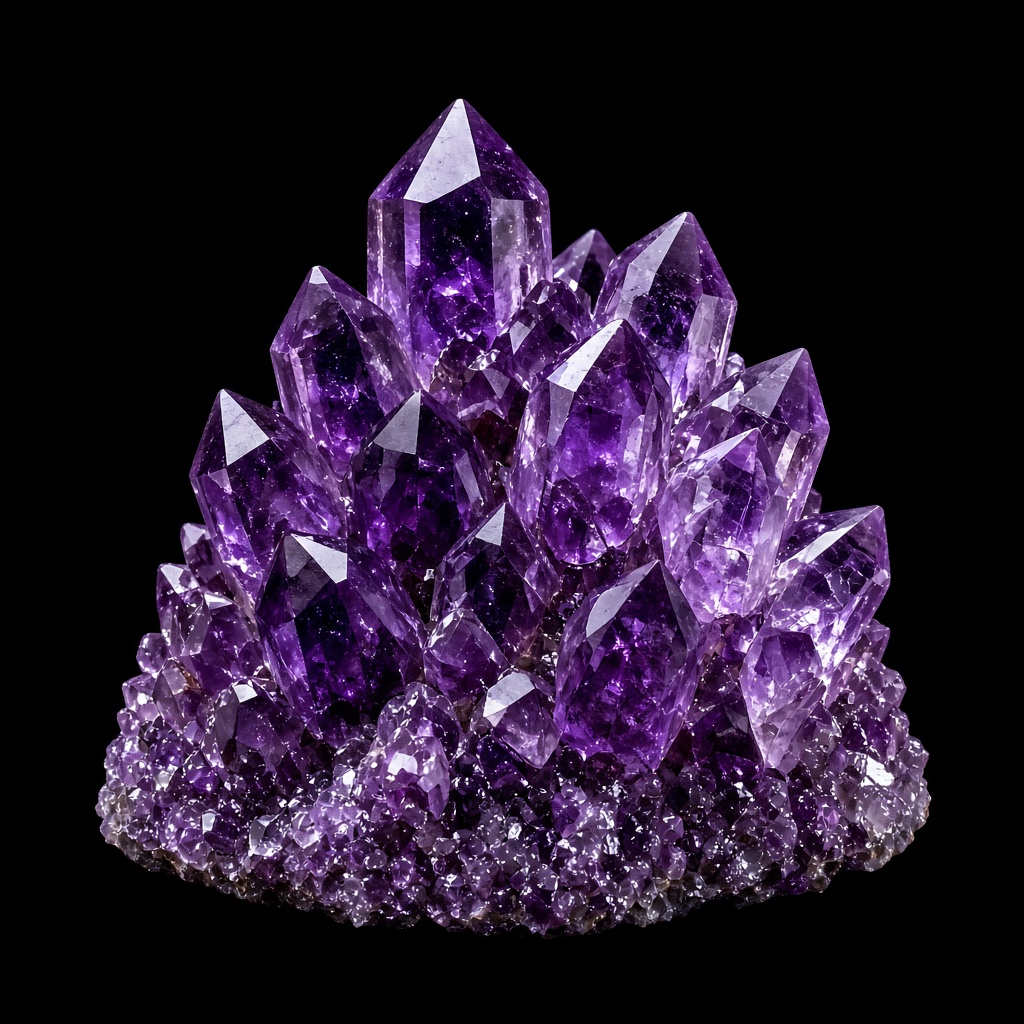
Rose quartz typically forms interlocking aggregates; euhedral points are uncommon compared with amethyst.
Rose quartz vs pink glass?
Hardness and fracture help; glass often shows bubbles.
How to identify rose quartz
Pink stones are frequently glass or soft carbonates. Confirm rose quartz with hardness and habit:
- Hardness 7: scratches glass; rhodochrosite and many pink carbonates are much softer.
- Habit: usually massive/translucent aggregates — sharp euhedral points are uncommon vs amethyst.
- Fracture: conchoidal vitreous quartz fracture, not carbonate cleavage.
- Color: pale to medium pink; oversaturated neon pink in photos often means edited glass.
- Photo first: backlight for translucency + shade color shot, then RockScan vs glass.
Rose quartz vs pink glass vs morganite vs rhodochrosite
- Pink glass: bubbles/mold lines; softer feel; not Mohs 7 quartz.
- Morganite: beryl with clearer crystal faces and different optics; not massive rose quartz habit.
- Rhodochrosite: banded softer carbonate; knife marks easily vs quartz.
Photo tips for rose quartz ID
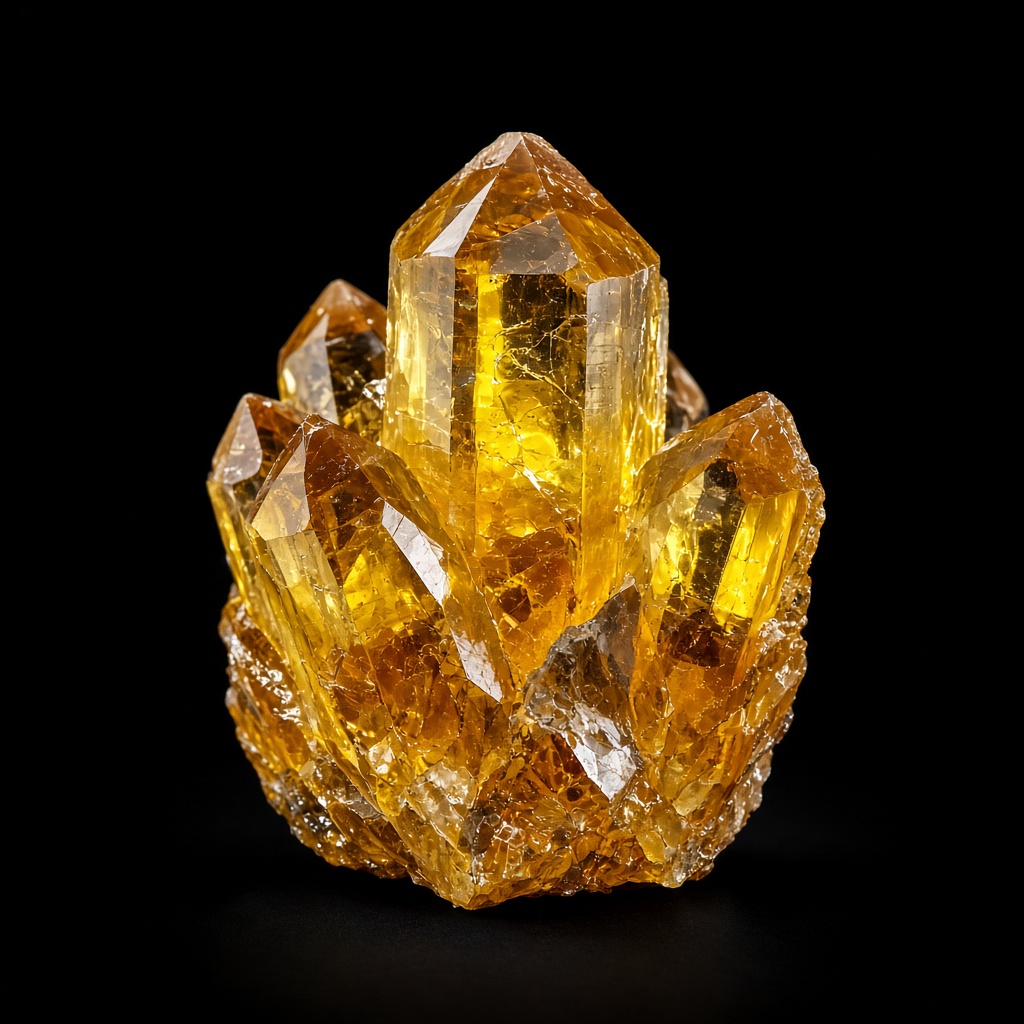
Backlight translucency plus a true-color shade shot (avoid over-pink edits). Compare quartz, amethyst, and citrine, then confirm in the online studio or rock identifier app.
Related crystals to compare
Browse all: rocks · minerals · crystals · directory · what rock is this · rock vs mineral vs crystal. Confirm with the online studio or rock identifier app.