RockScan directory
Rocks: How to Identify Rock Types
To identify outdoor rocks, triage the family first — igneous (cooled from melt), sedimentary (grains, fossils, or beds), or metamorphic (recrystallized or foliated) — then check grain size and hardness. Open any rock below for a field checklist, lookalikes, and photo tips; start with the full how-to-identify-rock-types guide if you are unsure which family you have.
Quick field checks for rocks
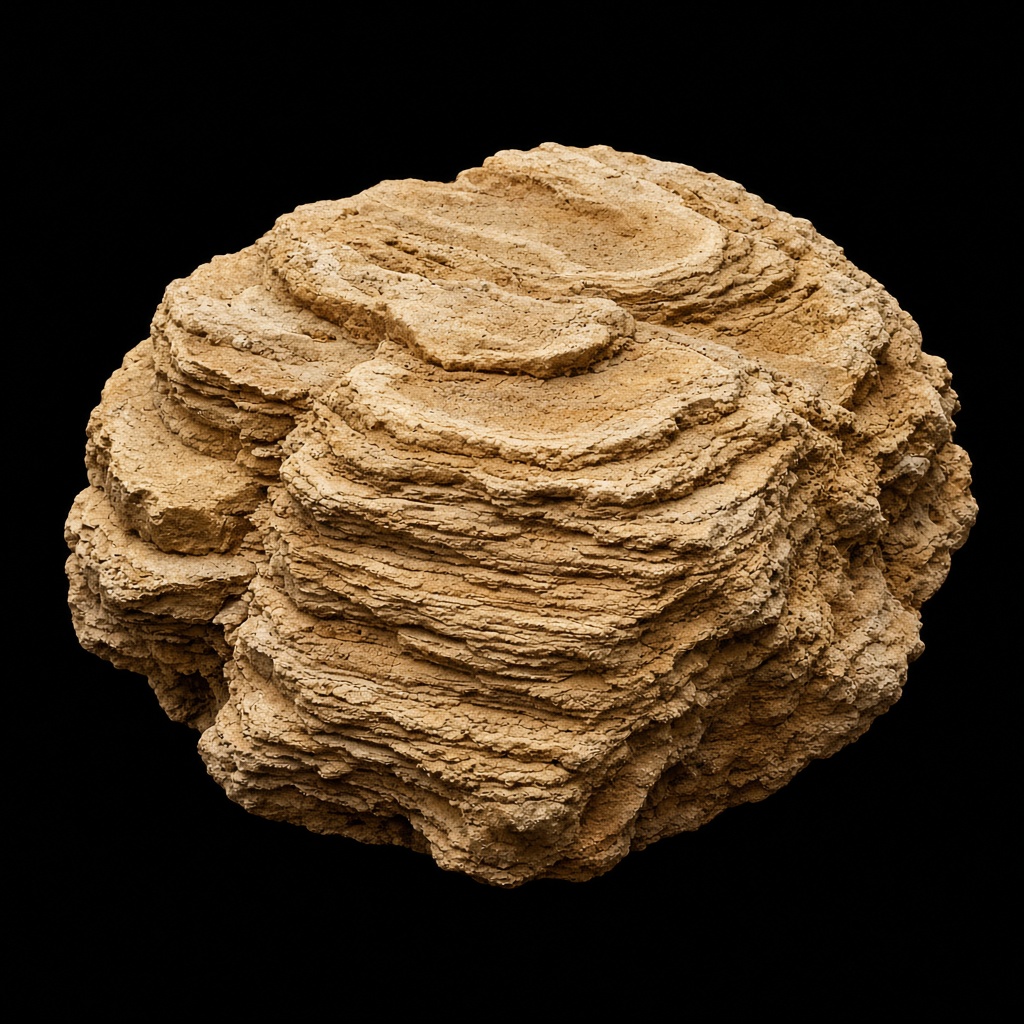
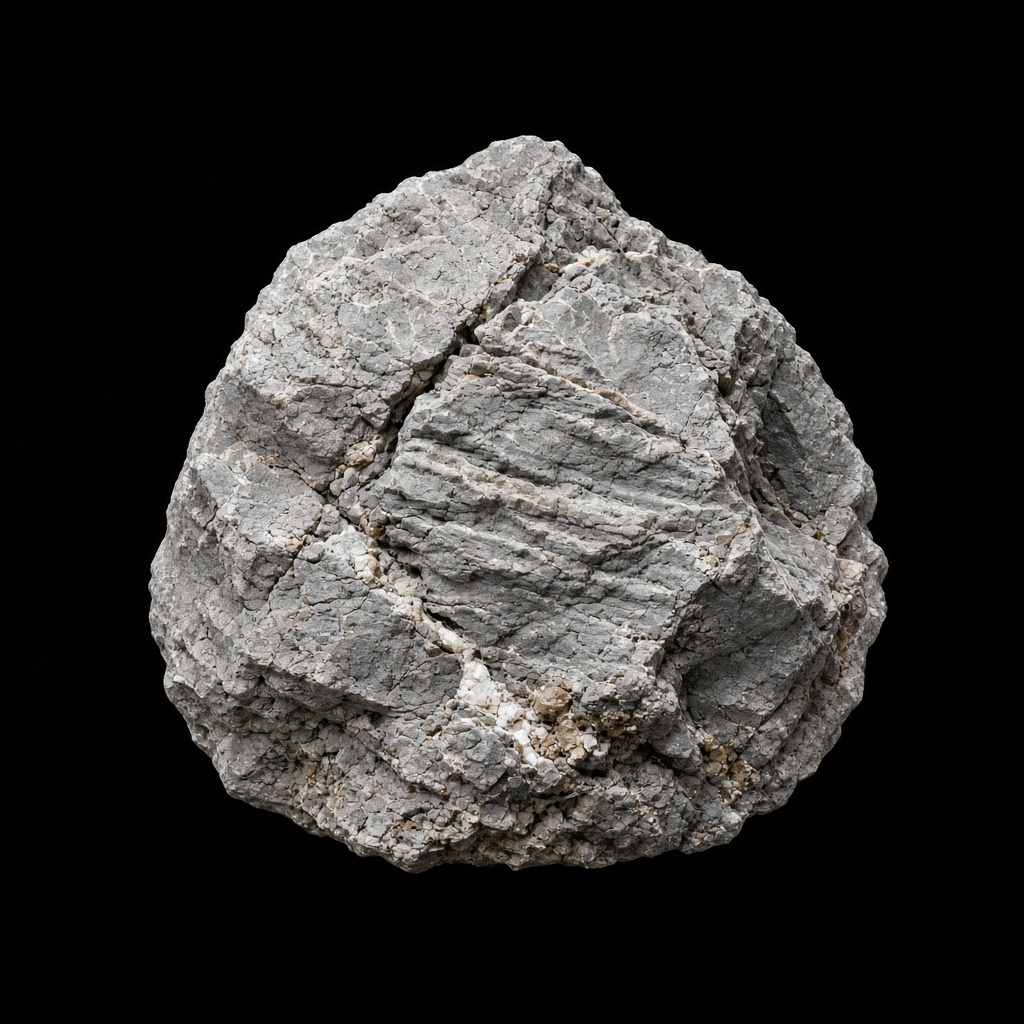
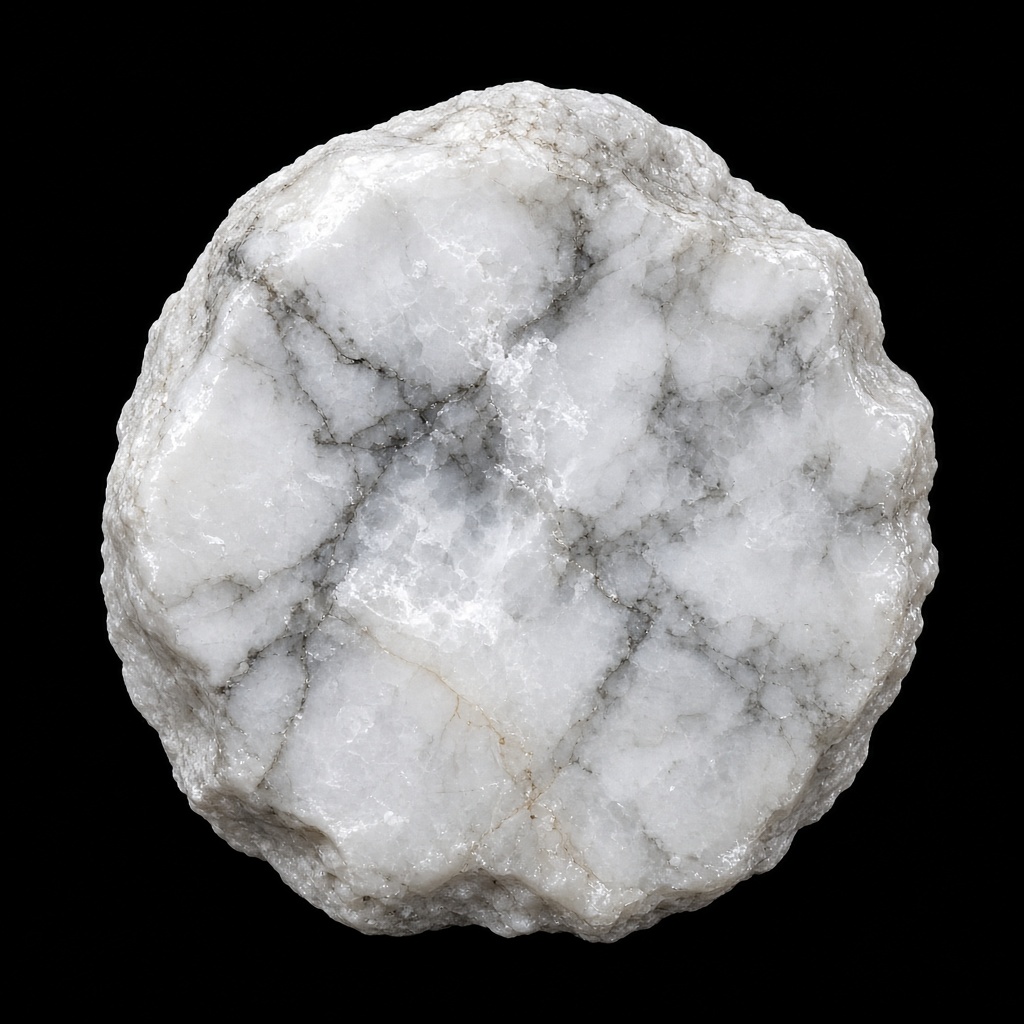
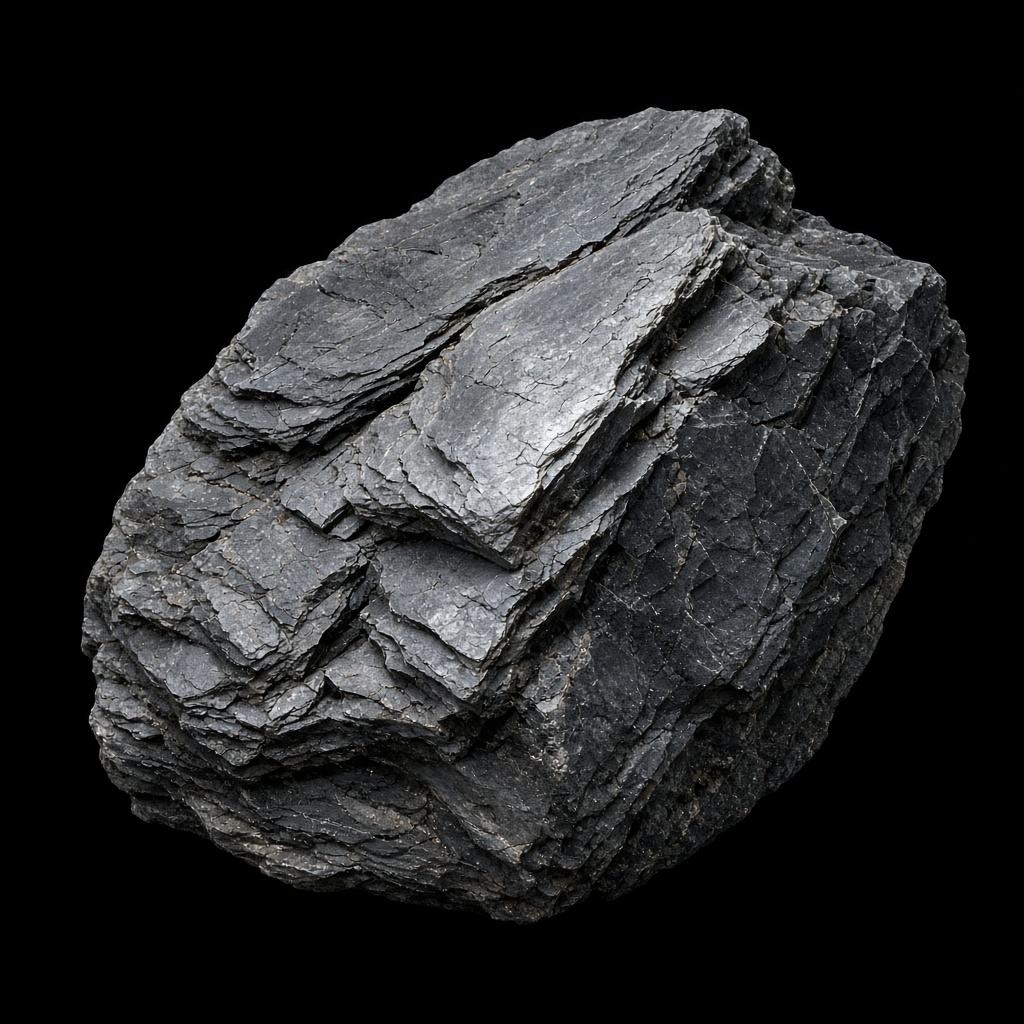
Field ID stays practical: note whether crystals interlock (igneous), whether you see grit, shells, or flat beds (sedimentary), or sugary sparkle and banding (metamorphic). A knife scratch, a damp vs dry color check, and one clear photo beat guessing from color alone. Pair this hub with the rock-vs-mineral-vs-crystal primer when your find might be a single mineral rather than a rock mixture, then confirm candidates in the online studio.
Featured how to identify rocks
Start with these deepened guides — each has a dedicated “how to identify …” checklist, lookalikes, and photo tips:
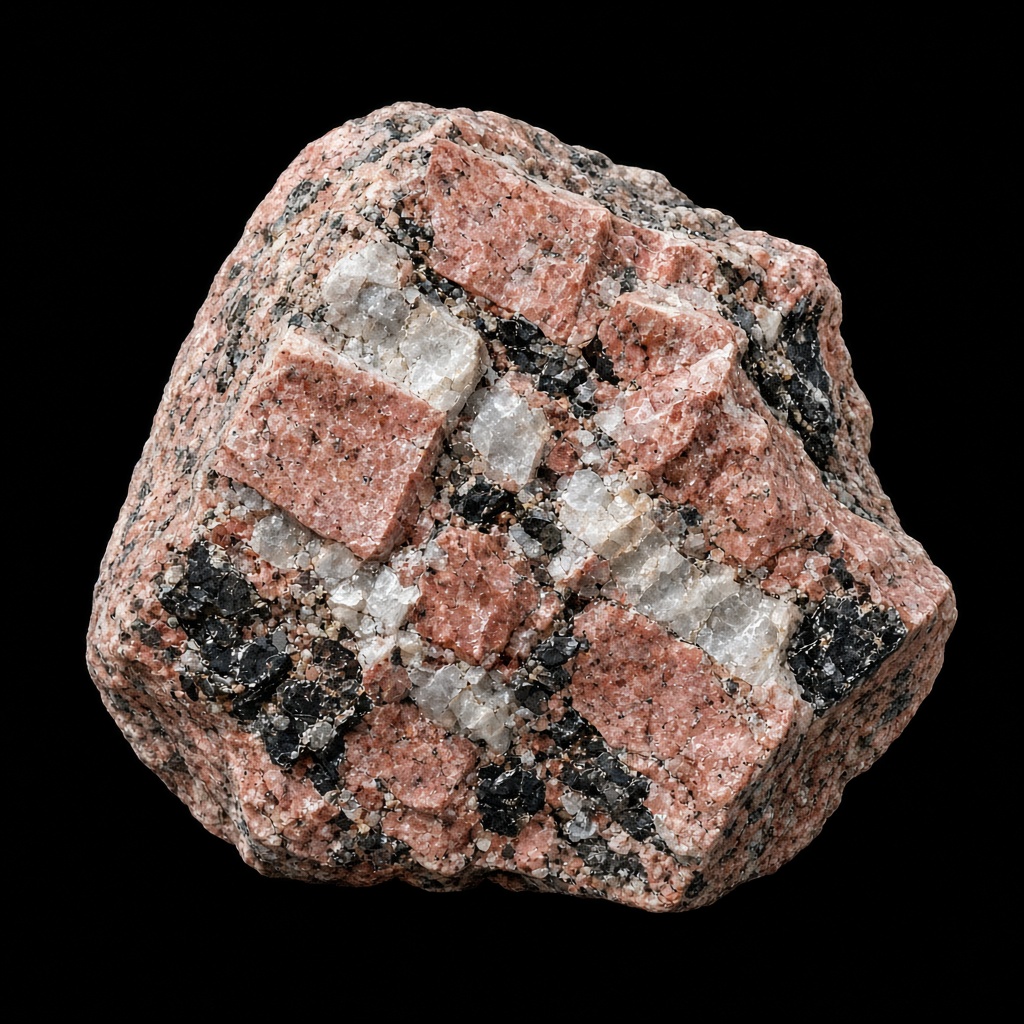
- How to identify granite rock
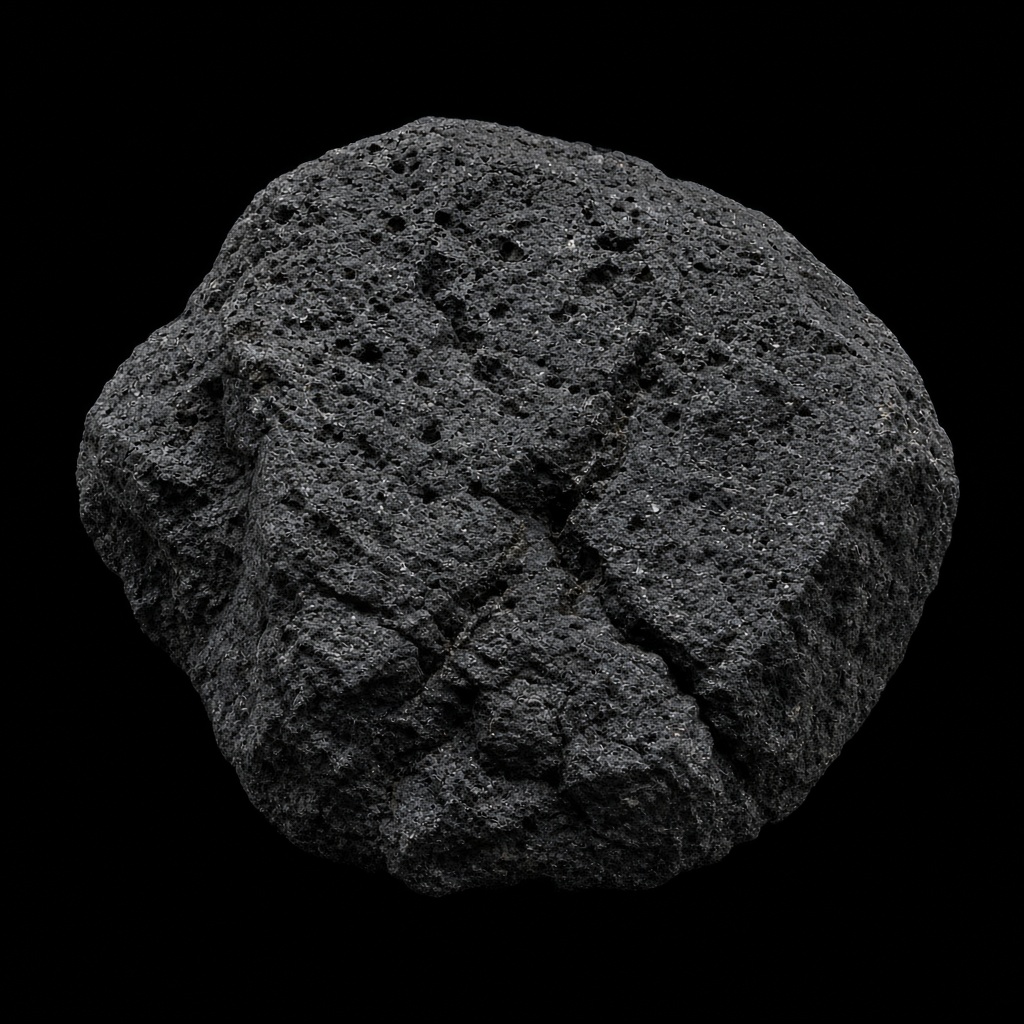
- How to identify basalt rock
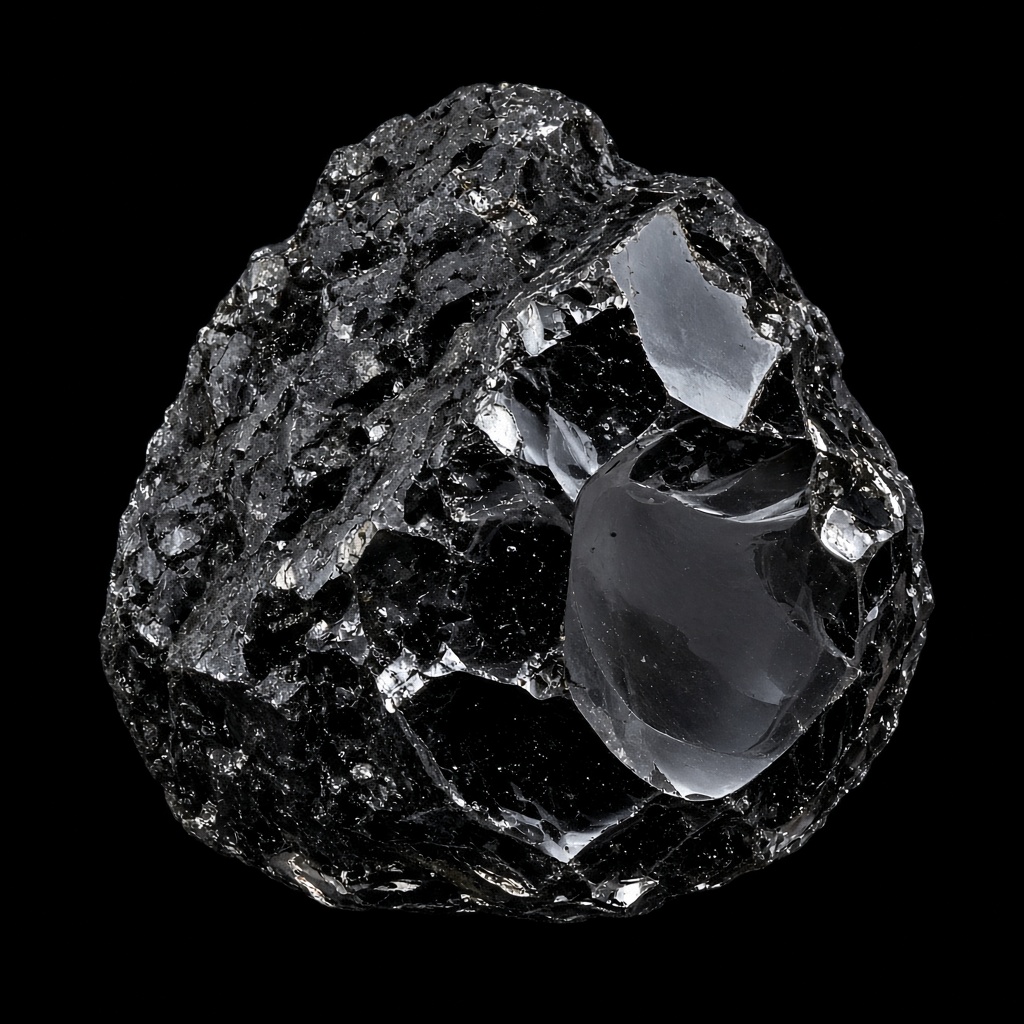
- How to identify obsidian
- How to identify sandstone rock
- How to identify limestone rock
- How to identify marble rock
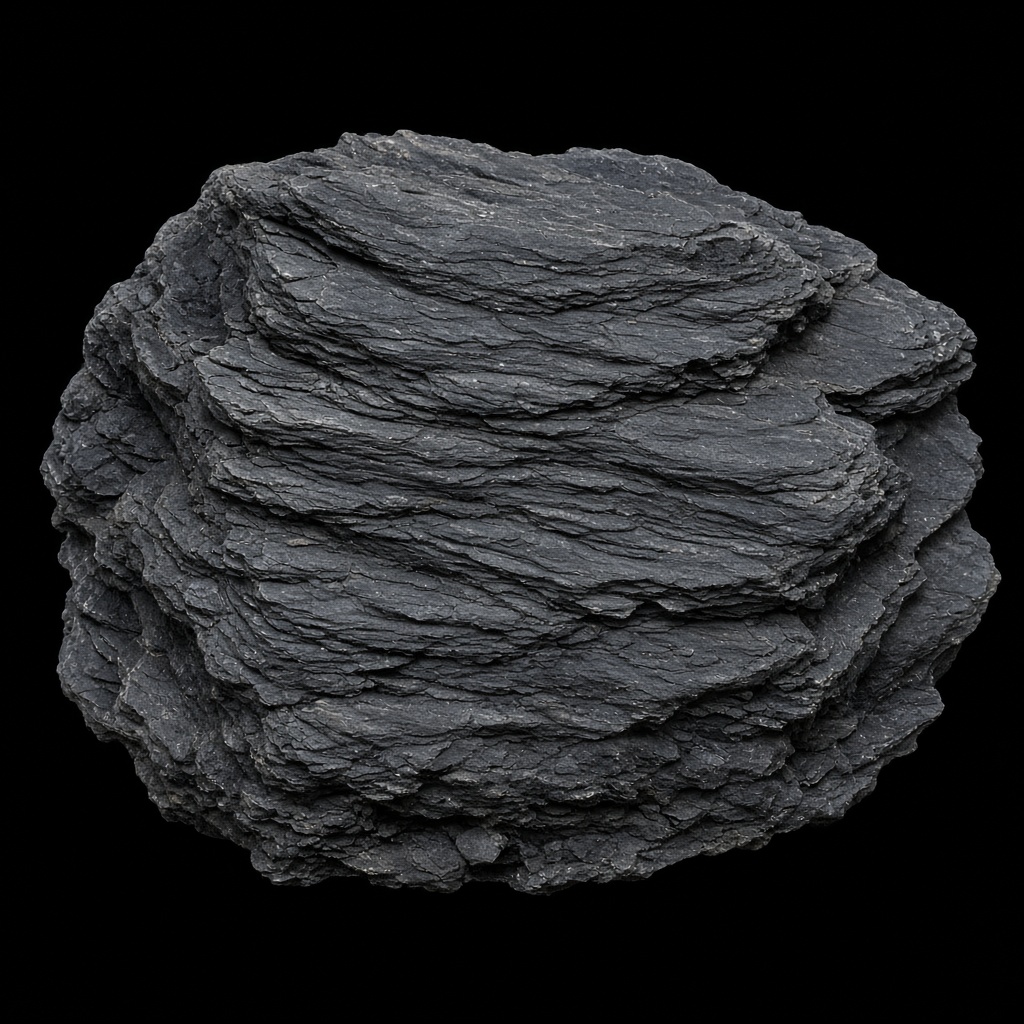
- How to identify slate rock
- How to identify shale rock
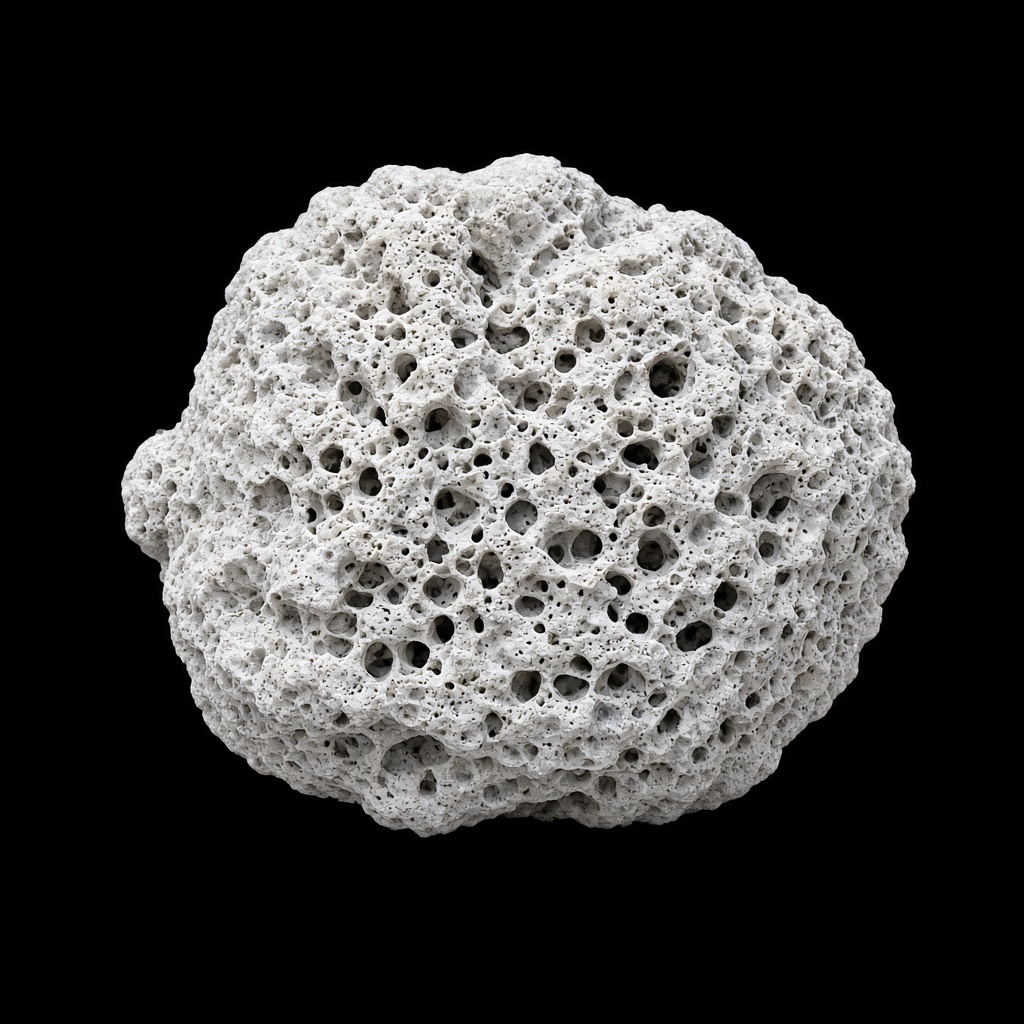
- How to identify pumice rock
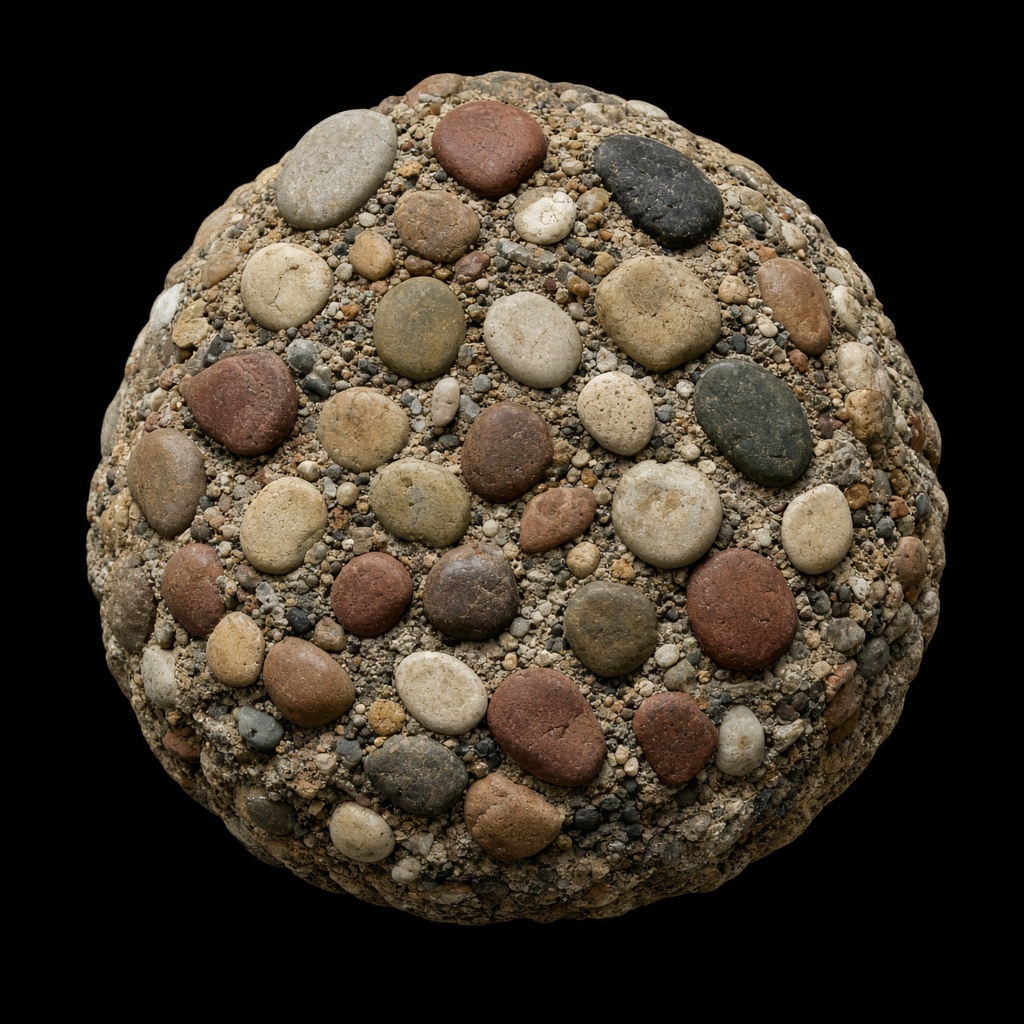
- How to identify conglomerate rock
- How to identify rhyolite rock
- How to identify gneiss rock
- How to identify schist rock
- How to identify quartzite rock
- How to identify gabbro rock
- How to identify a geode rock
- How to identify flint rock
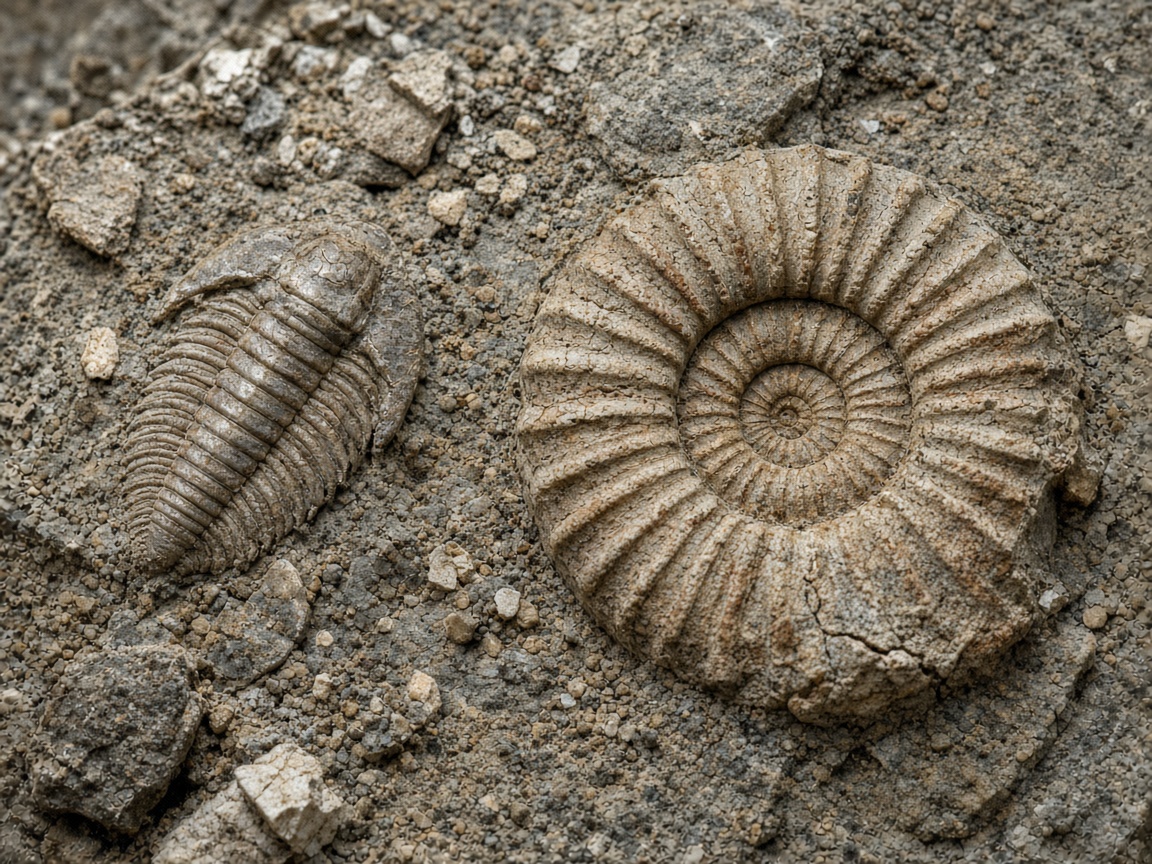
- How to identify a fossil rock
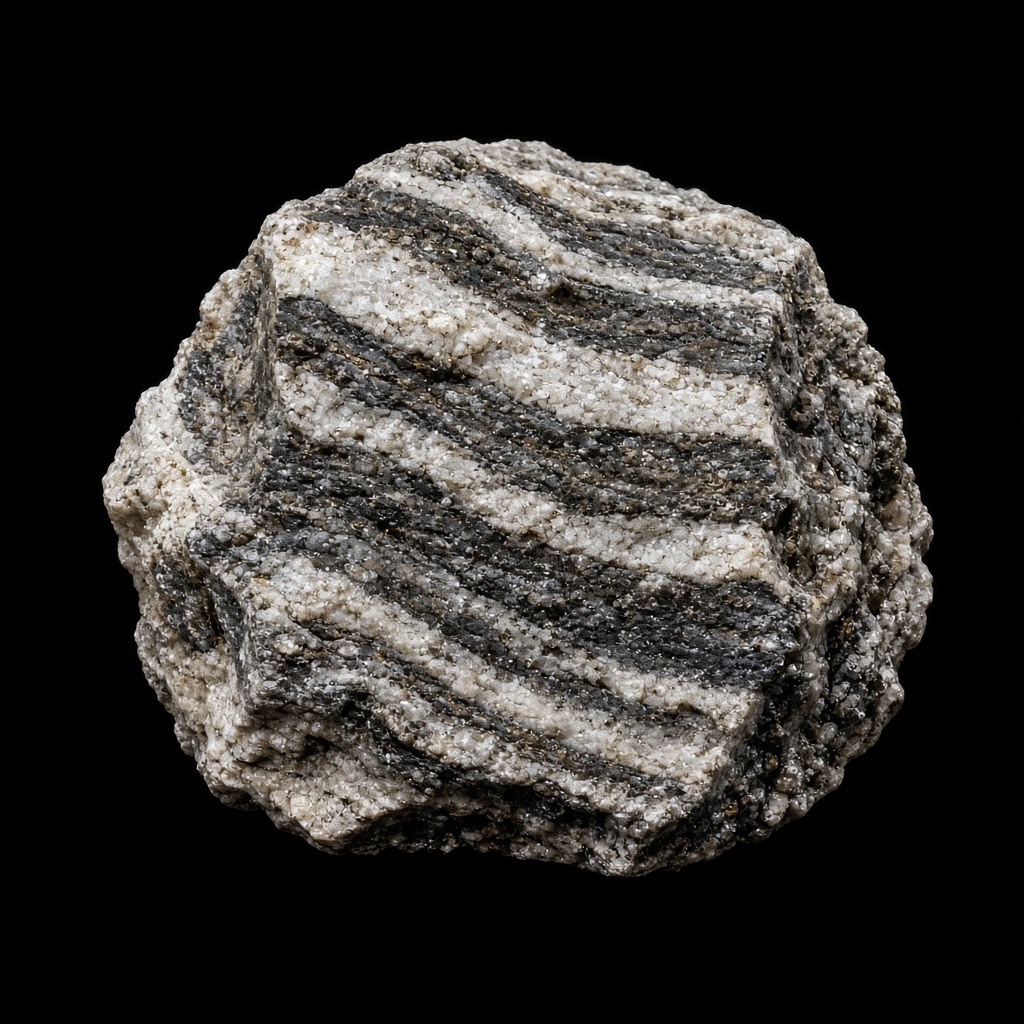
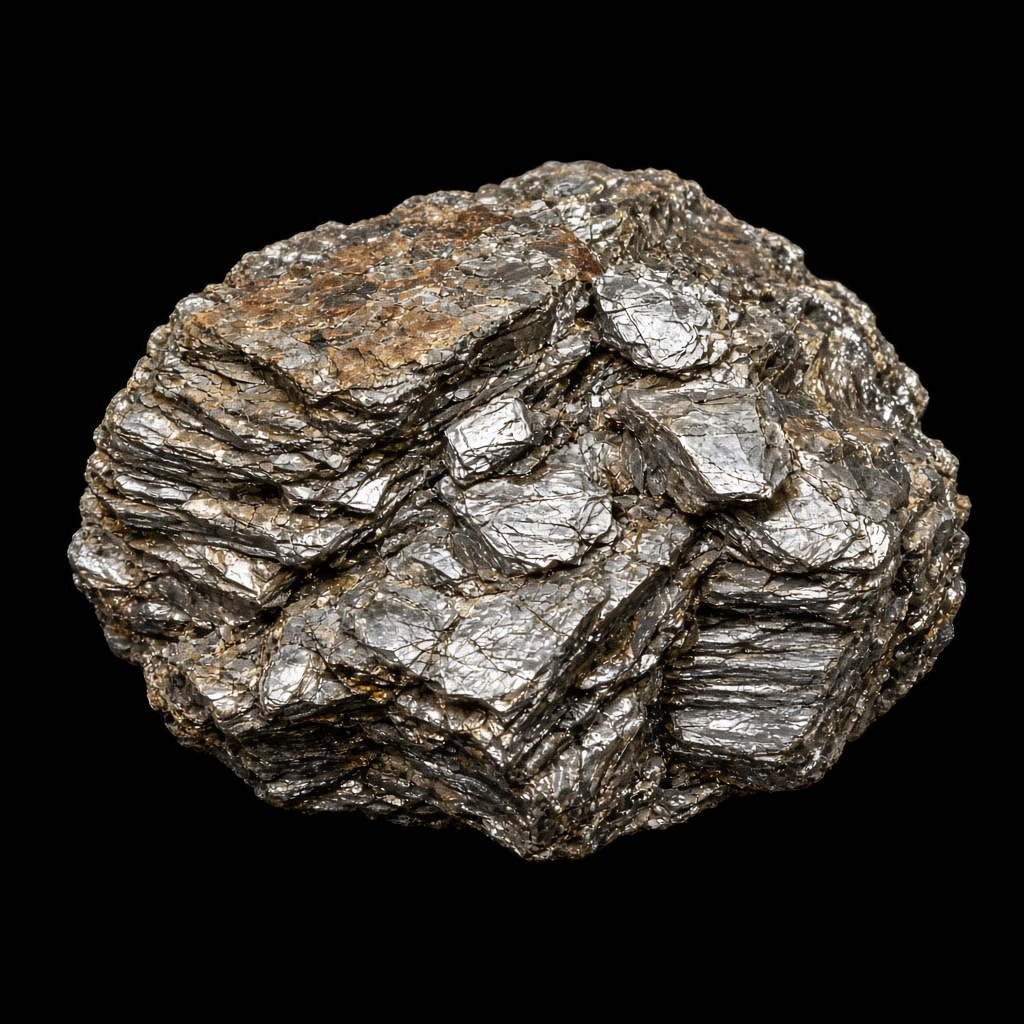
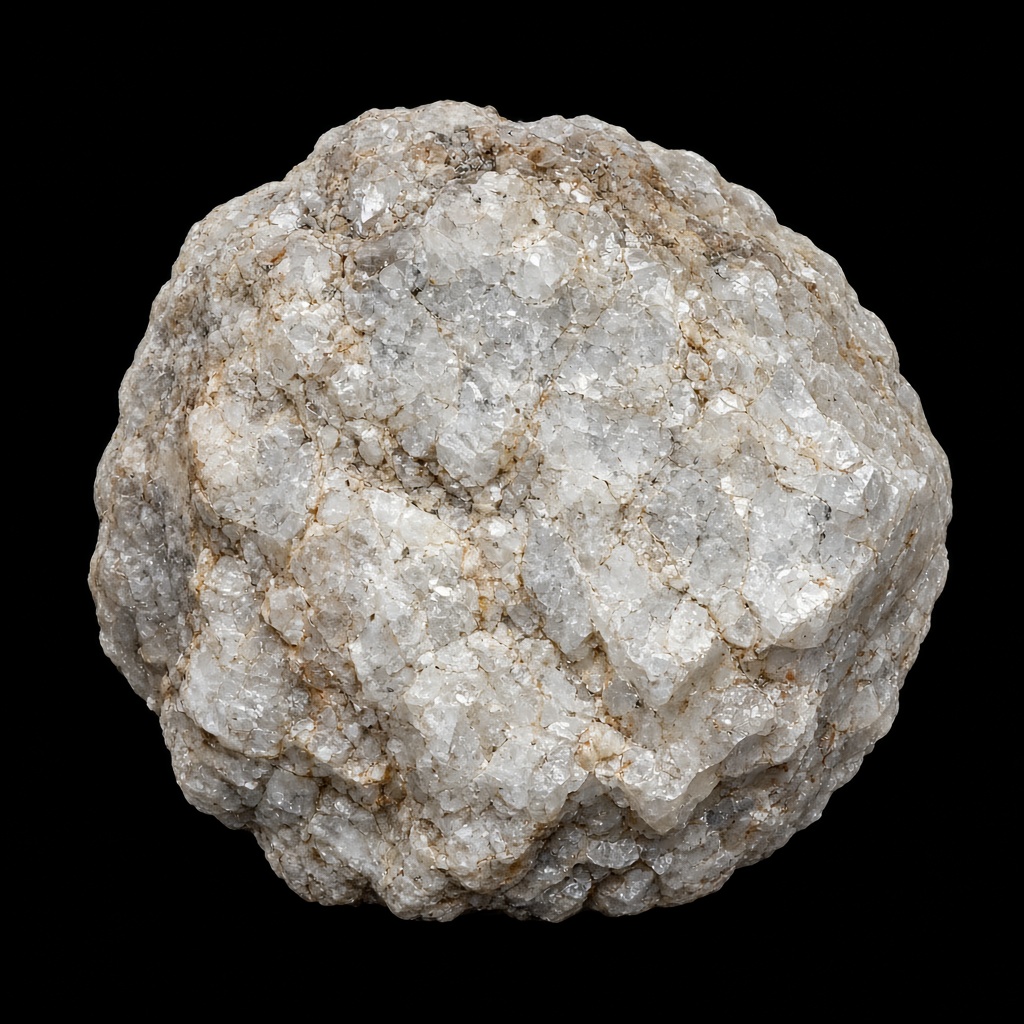
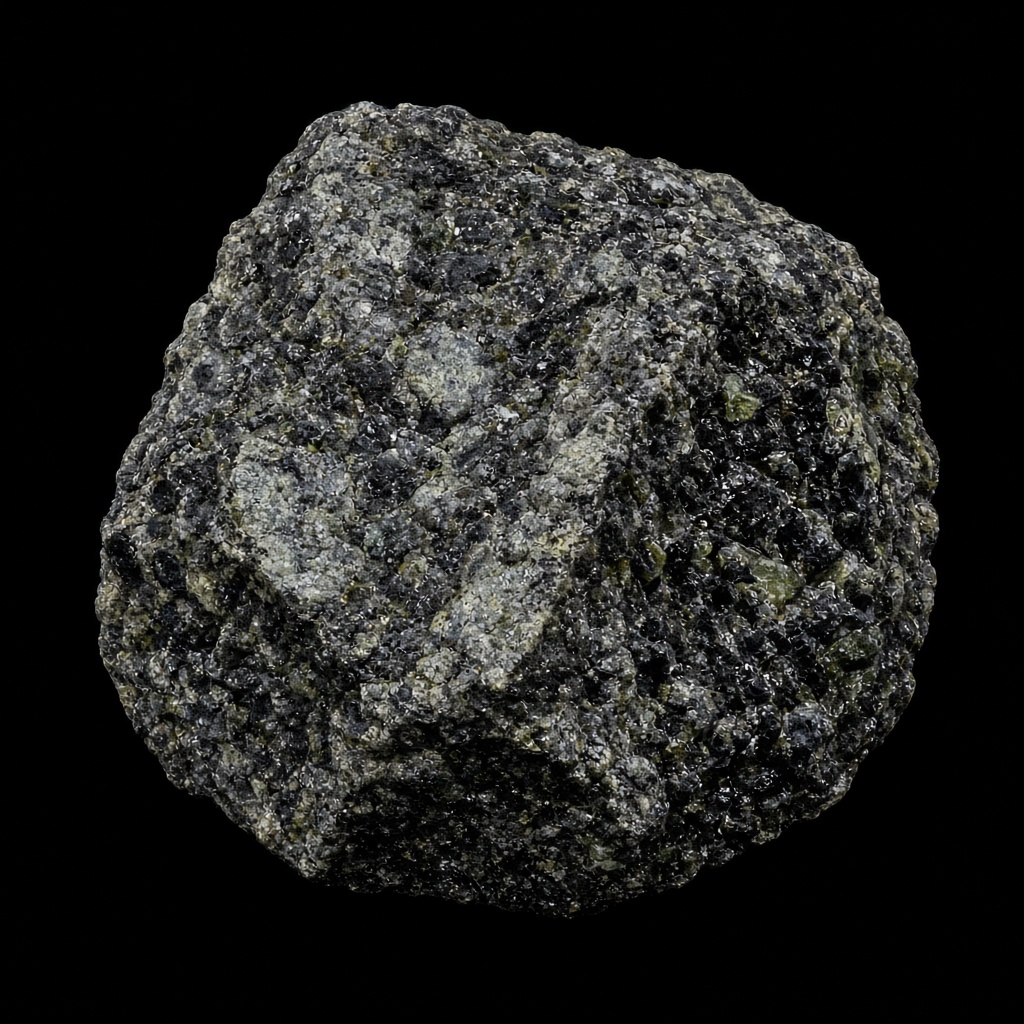
How to use this hub
Each rocks page covers the ID checklist, properties, lookalikes, photo tips, and FAQs — with a CTA to the online studio and the rock identifier app. Unsure where to start? Try what rock is this for photo-first ID, read rock vs mineral vs crystal, browse the full directory, or compare the other hubs: rocks, minerals, crystals.