Rock guide
How to Identify Basalt
Mafic extrusive rock
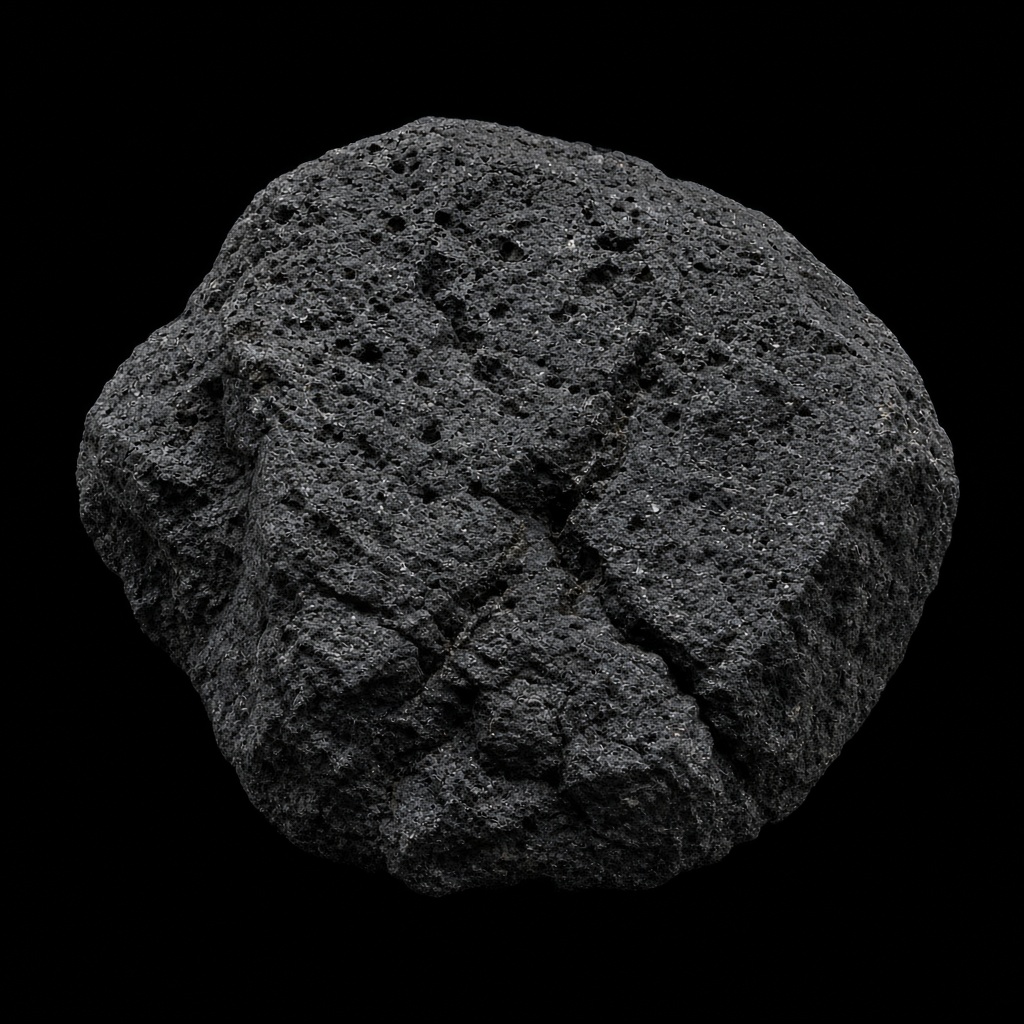
Basalt is a fine-grained, usually dark extrusive igneous rock from fast-cooled lava. Identify it by dense aphanitic texture, heavy feel for size, Mohs roughly 5–6, and lack of glassy conchoidal chips or pale chalk cortex.
About Basalt
Basalt is a fine-grained, usually dark extrusive igneous rock from fast-cooled lava. Identify it by dense aphanitic texture, heavy feel for size, Mohs roughly 5–6, and lack of glassy conchoidal chips or pale chalk cortex.
Basalt is filed under rocks in the RockScan directory. Composition: Plagioclase + pyroxene ± olivine. It forms via rapid cooling of mafic lava at surface. Typical occurrence: Oceanic crust, flood basalts, volcanic arcs worldwide. For the broader method, see how to identify rock types.
Basalt properties
| Mohs hardness | 5–6 (aggregate) |
|---|---|
| Class | rock |
| Scientific name | Mafic extrusive rock |
| Color | Dark gray to black |
| Luster | Dull to vitreous |
| Crystal system / texture | Aphanitic aggregate |
| Composition | Plagioclase + pyroxene ± olivine |
| Formation | Rapid cooling of mafic lava at surface |
| Occurrence | Oceanic crust, flood basalts, volcanic arcs worldwide |
How to identify Basalt
- Dark color + very fine crystals (aphanitic).
- Heavy for size compared with pumice or scoria.
- May show vesicles; solid dense pieces are common river cobbles.
Lookalikes to rule out
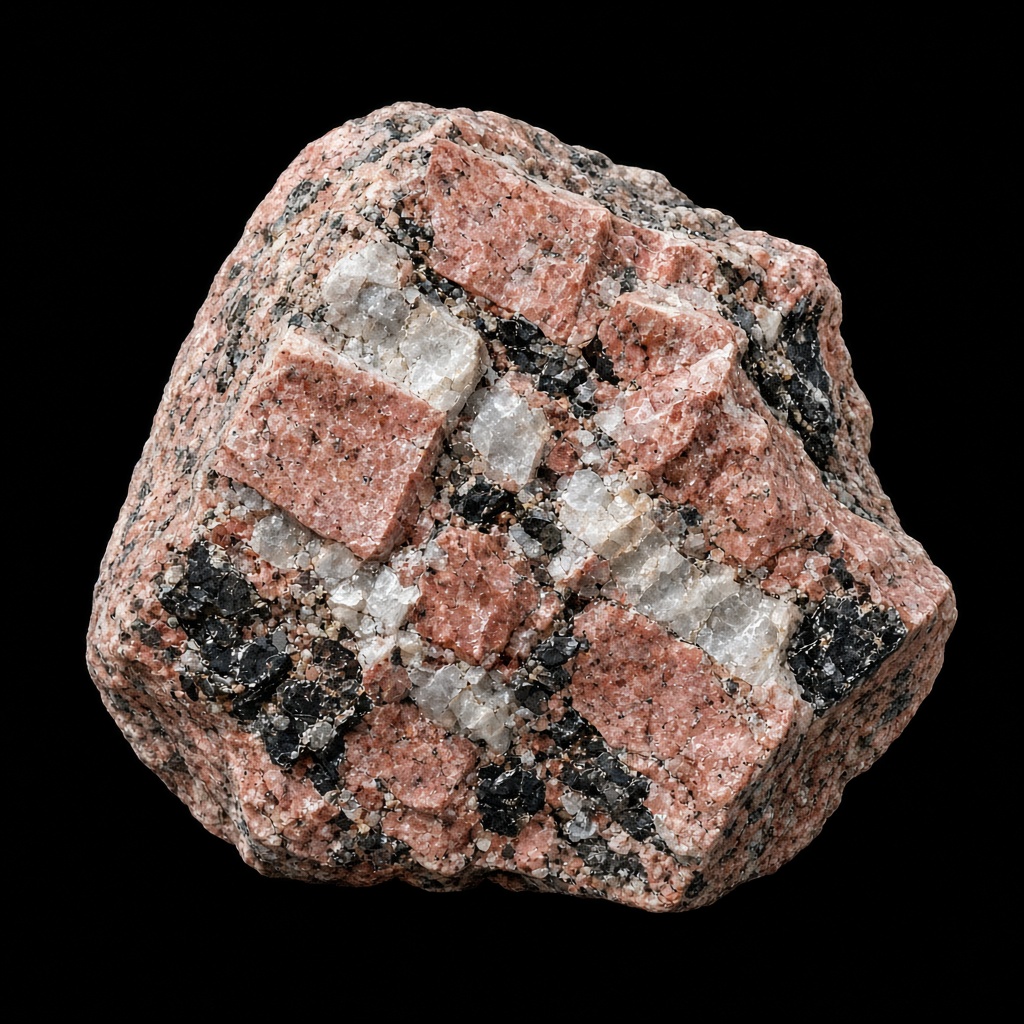
- Gabbro: Gabbro is coarser-grained (same chemistry family); basalt is fine-grained to glassy from faster cooling.
- Andesite: Andesite is intermediate grey and may show phenocrysts; basalt is darker and denser.
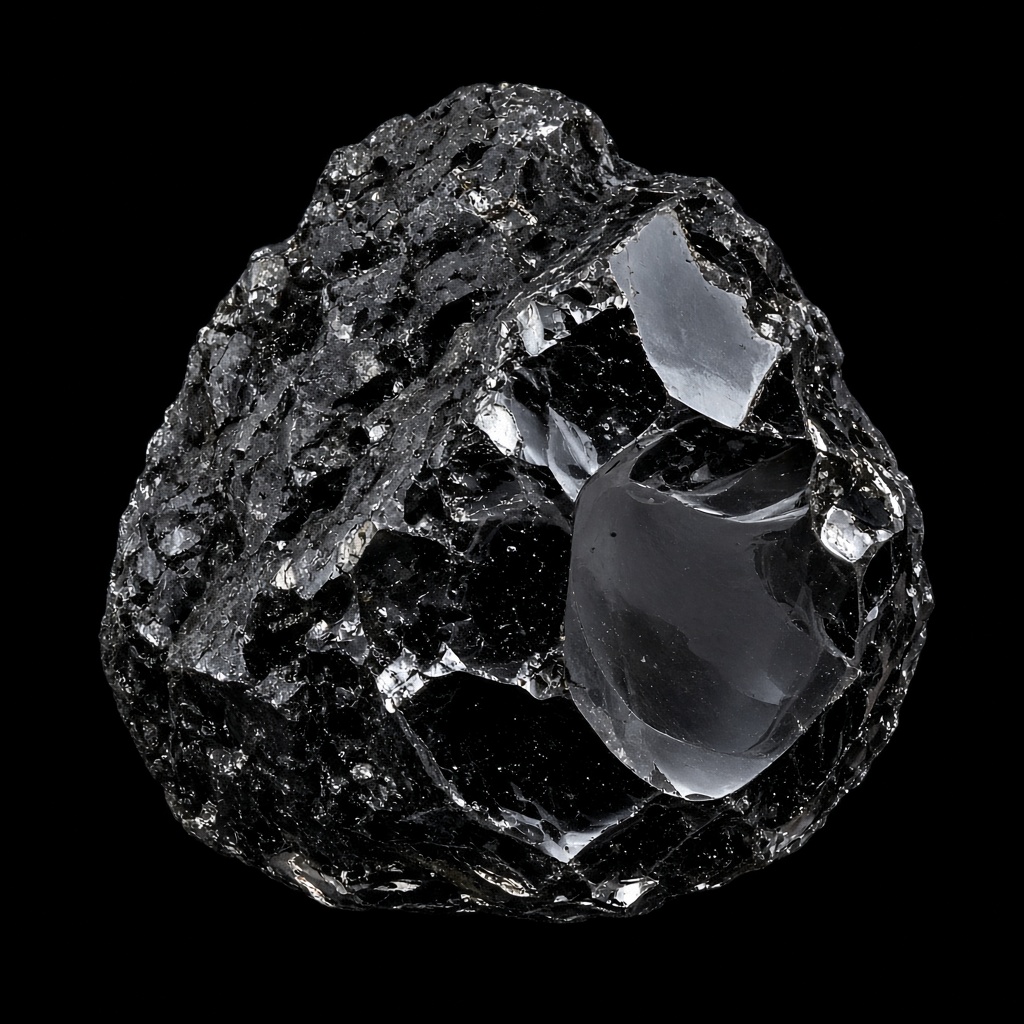
- Obsidian: Obsidian is glassy with conchoidal fracture; basalt is crystalline (fine) and usually duller on broken faces.
Photo tips for Basalt ID
- Shoot broken edges — fine grain vs glass is the key photo cue.
- Side-light vesicles (gas holes) if present; they strongly support volcanic basalt/scoria family.
- Avoid heavy shadows; dark rocks underexpose easily on phones.
Snap one specimen in natural light, then open the result in the online studio or the rock identifier app.
Basalt FAQ
How do you identify basalt?
Basalt is dark, dense, and fine-grained. It lacks the large crystals of gabbro and the glassy luster of obsidian. Vesicles can appear but many basalt cobbles are solid.
Basalt vs scoria — what is the difference?
Scoria is highly vesicular and lighter; basalt is denser with fewer or no holes. Both are mafic volcanic rocks.
Can RockScan identify basalt from a photo?
Yes — photo ID suggests basalt among dark volcanics, then you confirm density, grain size, and lookalikes on the specimen card.
How to identify basalt rock
Dark outdoor rocks are often labeled basalt by default. Use this checklist to separate basalt from obsidian, flint, and coarse gabbro:
- Grain size: aphanitic — crystals too fine to see without a lens; maybe a few larger phenocrysts.
- Color & density: dark grey to black, feels heavy for size (mafic); not foamy like pumice.
- Not glass: breaks duller than volcanic glass; no jet-black glossy conchoidal flakes of obsidian.
- Not flint: no pale sedimentary cortex; basalt is igneous, not a chalk/limestone silica nodule.
- Photo first: shade shot of a fresh break + scale, then RockScan to compare gabbro and obsidian.
Basalt vs gabbro vs obsidian vs flint
- Gabbro: same chemistry family but coarse interlocking crystals (intrusive); basalt is fine-grained.
- Obsidian: true volcanic glass with curved shiny breaks; basalt is crystalline stone.
- Flint: sedimentary silica with cortex and sharp waxy chips; basalt lacks chalk rind.
Photo tips for basalt ID
Open shade to avoid crushing black tones; one fresh-break face and one weathered exterior. Compare obsidian, flint, and gabbro, then confirm in the online studio or rock identifier app.
Related rocks to compare
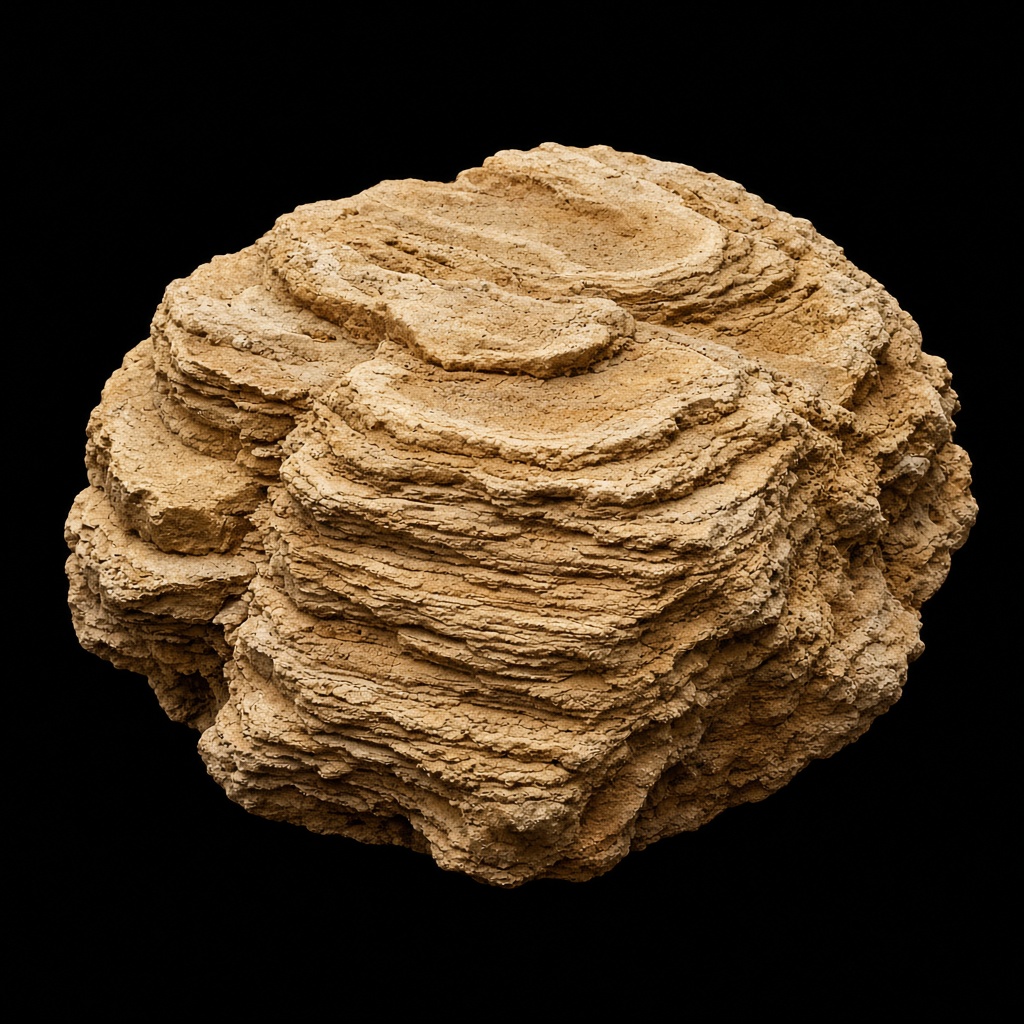
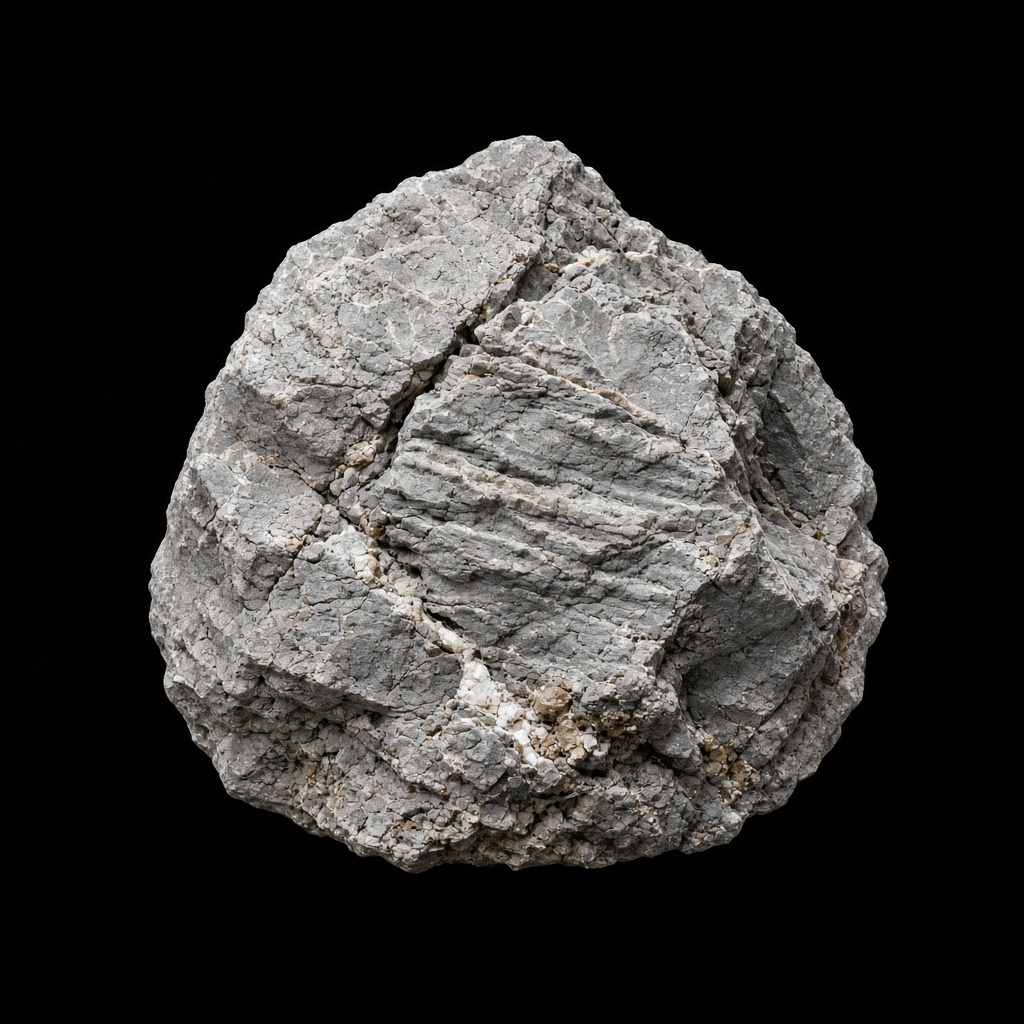
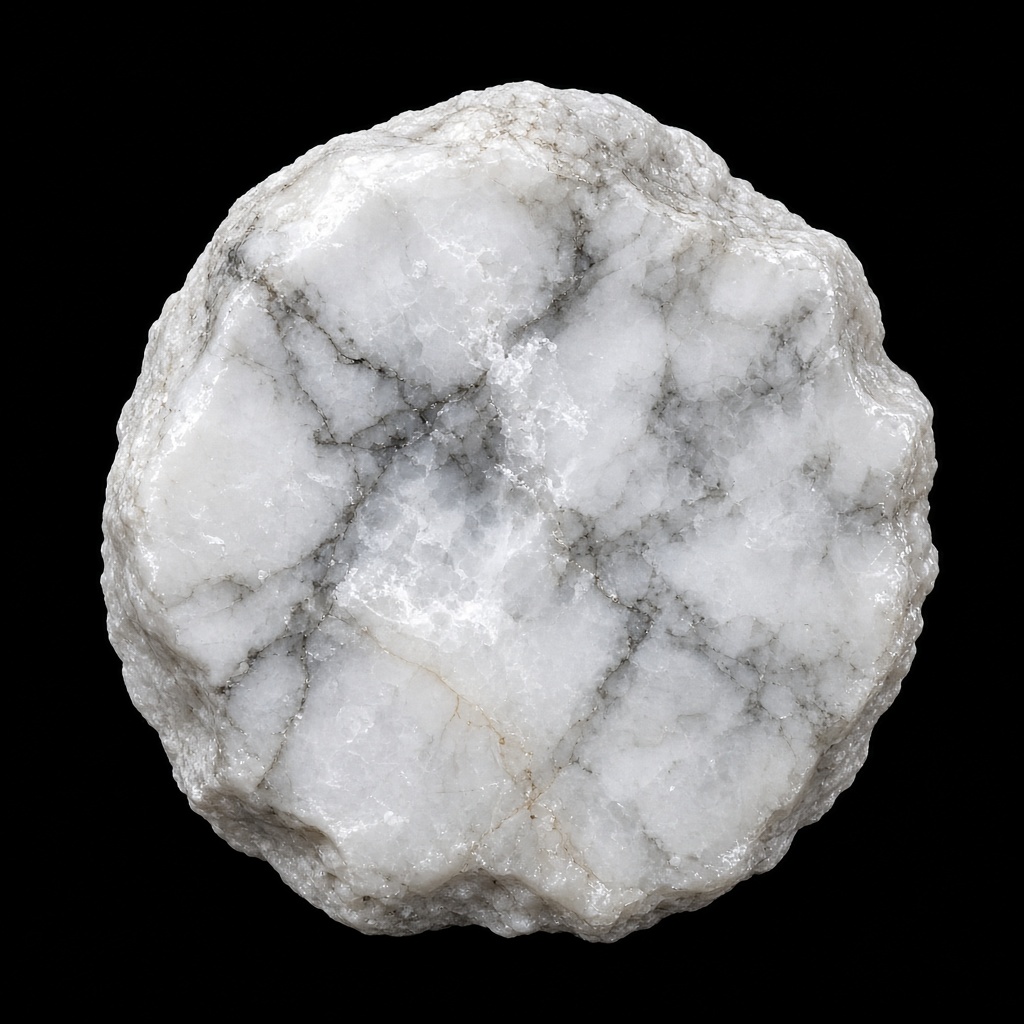
Browse all: rocks · minerals · crystals · directory · what rock is this · rock vs mineral vs crystal. Confirm with the online studio or rock identifier app.