Rock guide
How to Identify Andesite
Intermediate volcanic rock
Andesite is a fine-grained volcanic rock of intermediate composition, typically medium gray with plagioclase phenocrysts. Identify it by dense uniform texture too fine for naked-eye crystals, gray color between basalt and rhyolite, and frequent porphyritic feldspar spots.
About Andesite
Andesite is a fine-grained volcanic rock of intermediate composition, typically medium gray with plagioclase phenocrysts. Identify it by dense uniform texture too fine for naked-eye crystals, gray color between basalt and rhyolite, and frequent porphyritic feldspar spots.
Andesite is filed under rocks in the RockScan directory. Composition: Plagioclase + pyroxene/hornblende in fine groundmass. It forms via eruption of intermediate magma at volcanic arcs. Typical occurrence: Andes, Cascades, Japan, Indonesia and other arc terrains. For the broader method, see how to identify rock types.
Andesite properties
| Mohs hardness | ~6 (aggregate) |
|---|---|
| Class | rock |
| Scientific name | Intermediate volcanic rock |
| Color | Medium gray, sometimes greenish or reddish |
| Luster | Dull to waxy groundmass |
| Crystal system / texture | Aphanitic aggregate (porphyritic common) |
| Composition | Plagioclase + pyroxene/hornblende in fine groundmass |
| Formation | Eruption of intermediate magma at volcanic arcs |
| Occurrence | Andes, Cascades, Japan, Indonesia and other arc terrains |
How to identify Andesite
- Fine aphanitic gray groundmass, often with lighter feldspar phenocrysts.
- Medium gray — darker than rhyolite, paler than basalt.
- Dense and hard (~6); no vesicle foam (rules out scoria/pumice).
Lookalikes to rule out
- Basalt: Basalt is darker and denser with more mafics; andesite runs medium gray with visible plagioclase phenocrysts.
- Rhyolite: Rhyolite is paler and felsic (quartz + K-feldspar); andesite is grayer and intermediate.
- Diorite: Diorite is the coarse intrusive equivalent; andesite groundmass is too fine to resolve crystals by eye.
Photo tips for Andesite ID
- Use macro or a hand lens shot — plagioclase phenocrysts in gray groundmass are the money detail.
- Shoot dry for true gray tone; wet andesite looks deceptively dark like basalt.
- Include outcrop context when possible; andesite dominates volcanic-arc flows and domes.
Snap one specimen in natural light, then open the result in the online studio or the rock identifier app.
Andesite FAQ
How do you identify andesite rock?
Look for fine-grained medium-gray volcanic stone with plagioclase phenocrysts. Basalt is darker, rhyolite paler, diorite coarser.
Andesite vs basalt?
Basalt is darker, denser, and more mafic; andesite is medium gray with more visible feldspar character.
Where is andesite found?
Volcanic arcs above subduction zones — the Andes namesake — as flows, domes, and porphyritic cobbles.
How to identify andesite rock
Gray volcanic cobbles blur together, so “how to identify andesite” needs color-plus-texture triage. Work this order:
- Gray middle ground: medium gray groundmass — paler than basalt, darker than rhyolite.
- Phenocrysts: lighter plagioclase spots in a fine matrix; macro shots show them best.
- Fine texture: individual groundmass crystals stay below naked-eye resolution, unlike diorite.
- Density feel: solid and hard without the foam lightness of scoria or pumice.
- Photo confirm: dry macro of phenocrysts plus a scale shot, then RockScan against basalt and rhyolite.
Andesite vs basalt vs rhyolite vs diorite
- Basalt: darker, denser, fewer pale phenocrysts — the mafic neighbor.
- Rhyolite: paler felsic groundmass with quartz/K-feldspar character — the felsic neighbor.
- Diorite: same chemistry but coarse intrusive crystals you can see without a lens.
Photo tips for andesite flows
Dry macro lighting makes pale phenocrysts pop against gray groundmass; log both wet and dry color. Compare basalt, rhyolite, and pumice guides, then confirm in the online studio or rock identifier app.
Related rocks to compare
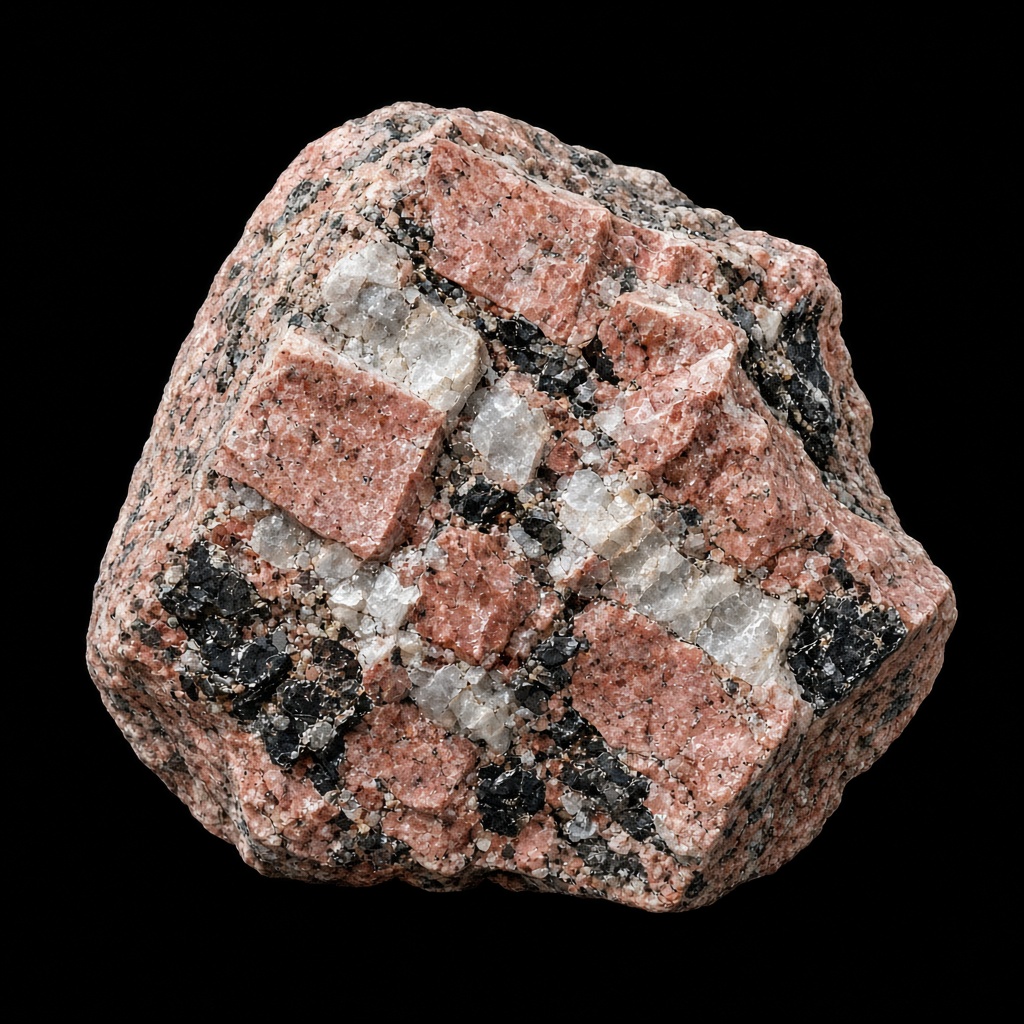
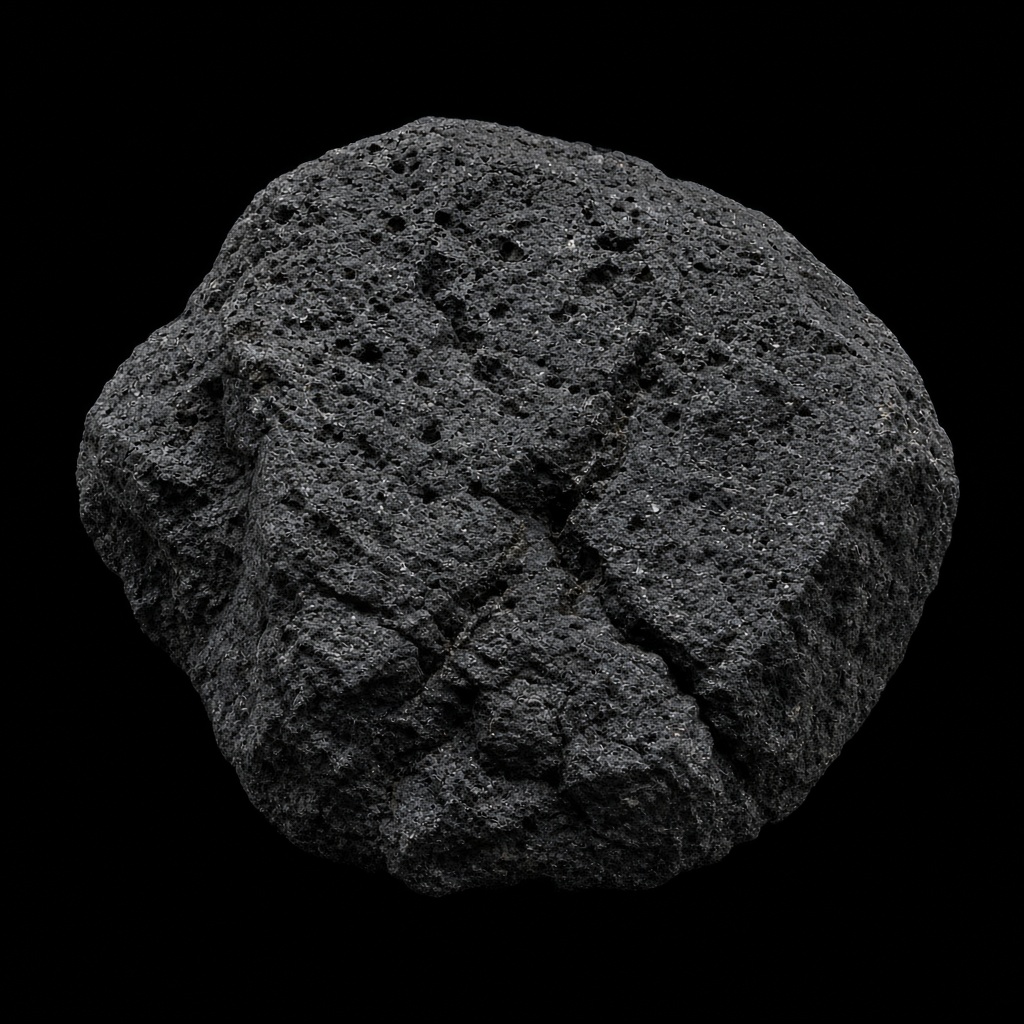
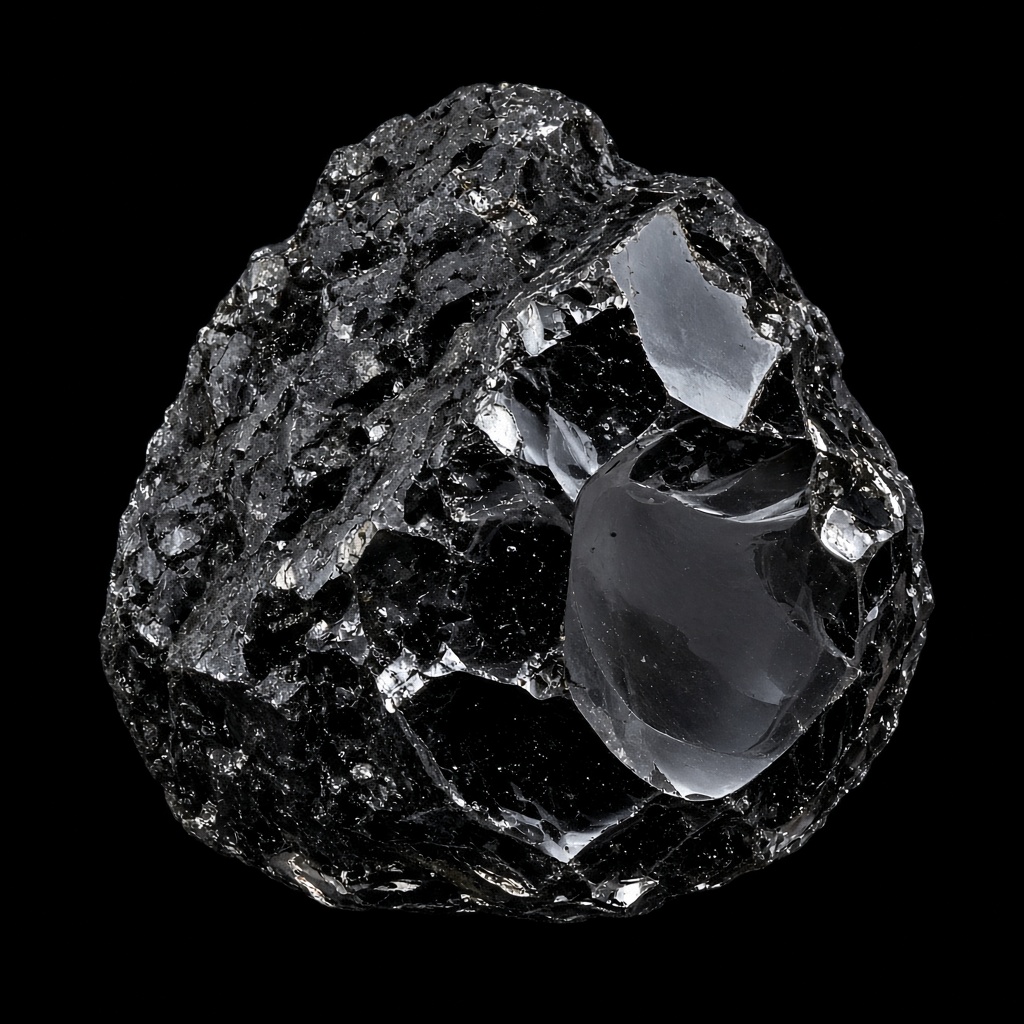
Browse all: rocks · minerals · crystals · directory · what rock is this · rock vs mineral vs crystal. Confirm with the online studio or rock identifier app.