Rock guide
How to Identify Geode
Crystal-lined cavity (often SiO₂)
A geode is a hollow or partly hollow rock cavity lined with mineral crystals (often quartz, amethyst, or calcite) that grew inward from the walls. The exterior can look like an ordinary nodule; the diagnostic view is the crystal-lined interior.
About Geode
A geode is a hollow or partly hollow rock cavity lined with mineral crystals (often quartz, amethyst, or calcite) that grew inward from the walls. The exterior can look like an ordinary nodule; the diagnostic view is the crystal-lined interior.
Geode is filed under rocks in the RockScan directory. Composition: Host rock rind + inward mineral crystals (commonly quartz). It forms via mineral-rich fluids deposit crystals in cavities. Typical occurrence: Volcanic and sedimentary terrains worldwide. For the broader method, see how to identify rock types.
Geode properties
| Mohs hardness | Variable (rind + crystals) |
|---|---|
| Class | rock |
| Scientific name | Crystal-lined cavity (often SiO₂) |
| Color | Exterior dull; interior crystal colors vary |
| Luster | Crystals often vitreous |
| Crystal system / texture | Depends on lining minerals |
| Composition | Host rock rind + inward mineral crystals (commonly quartz) |
| Formation | Mineral-rich fluids deposit crystals in cavities |
| Occurrence | Volcanic and sedimentary terrains worldwide |
How to identify Geode
- Hollow or partially hollow with inward-pointing crystals.
- Exterior may be nondescript chalcedony/limestone rind.
- Common linings: quartz, amethyst, calcite.
Lookalikes to rule out
- Thunderegg: Thundereggs are nodule structures often with different internal patterns; classic geodes are hollow with inward crystal lining.
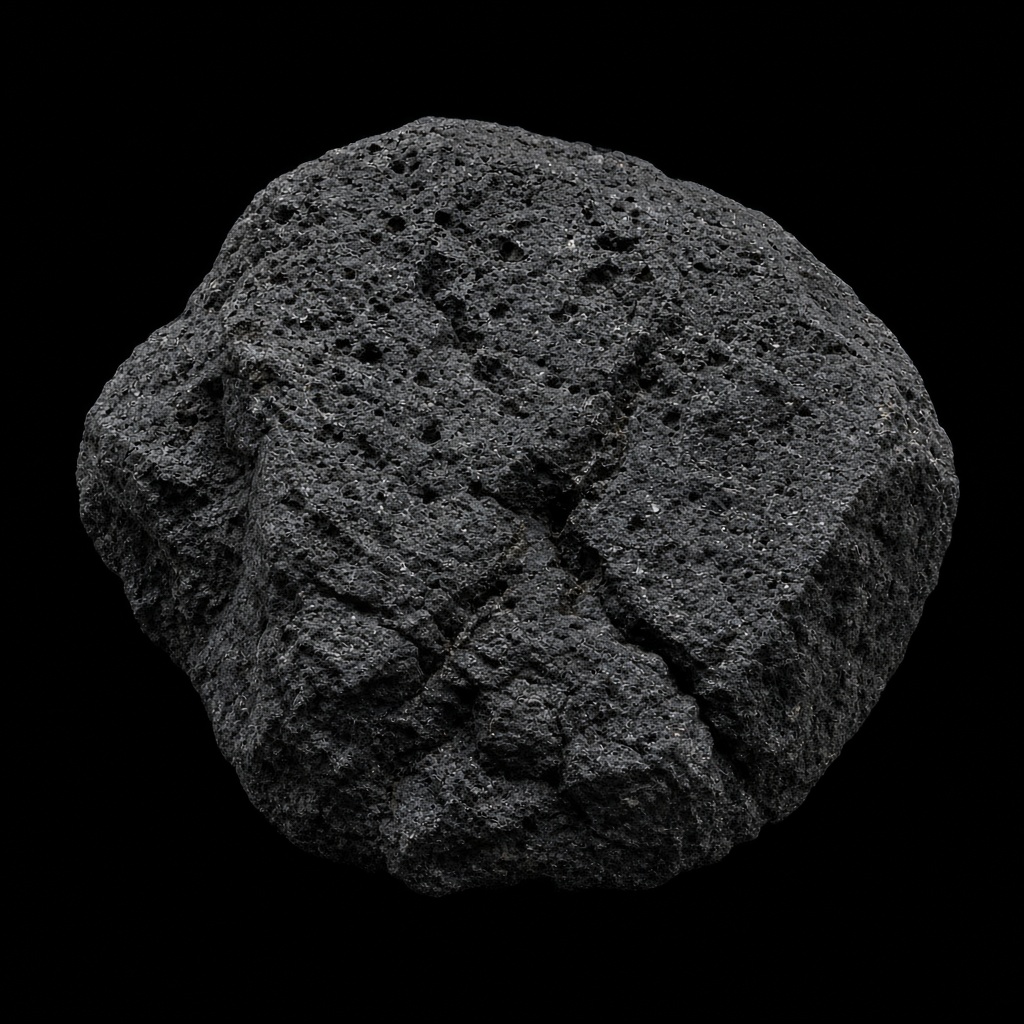
- Vesicular basalt: Vesicles are empty gas holes without crystal linings; geodes show mineral crystals growing inward.
- Agate nodule (solid): Solid agate nodules lack a hollow crystal cavity; geodes have a cavity lined with crystals.
Photo tips for Geode ID
- If broken, photograph the interior crystal lining clearly in diffuse light.
- Show exterior rind vs interior contrast.
- Avoid harsh flash glare on crystal points.
Snap one specimen in natural light, then open the result in the online studio or the rock identifier app.
Geode FAQ
How do you identify a geode rock?
Look for a rounded nodule that is hollow or crystal-lined inside. Exterior alone is often ambiguous — the interior crystals are the tell.
Are all geodes amethyst?
No. Many are clear quartz or calcite; amethyst geodes are a popular purple variety.
Geode vs plain rock?
Weight can feel light for size if hollow; a broken face showing crystals confirms it. Photo ID helps flag likely geodes before you force a break.
How to identify a geode rock
Collectors search “how to identify a geode rock” because the outside often looks like any dull nodule. Use this checklist before you break or cut anything:
- Shape & rind: rounded to lumpy nodule with a chalcedony, limestone, or basalt rind — not a crystal cluster grown outward.
- Weight for size: many geodes feel light if hollow; solid lookalikes (thundereggs, agate nodules) feel denser.
- Interior tell: a natural break, window cut, or weathered opening shows inward-pointing crystals (quartz, amethyst, calcite) lining a cavity.
- Not vesicles: gas holes in basalt are empty bubbles without crystal linings.
- Photo first: shoot exterior + any opening in shade, then confirm with RockScan photo ID before forcing a break.
Geode vs thunderegg vs solid agate nodule
- Geode: hollow or partly hollow cavity with crystals growing inward from the walls.
- Thunderegg: filled nodule structures with patterned interiors — not always a crystal-lined hollow.
- Solid agate nodule: banded silica filling with little or no cavity; banding replaces a hollow geode lining.
Photo tips before you open a nodule
Diffuse daylight, one exterior shot, one scale shot (coin), and any natural window into the interior. Avoid flash glare on crystal points. Then open the online studio or the rock identifier app and compare against amethyst, quartz, and agate guides.
Related rocks to compare
Browse all: rocks · minerals · crystals · directory · what rock is this · rock vs mineral vs crystal. Confirm with the online studio or rock identifier app.