Rock guide
How to Identify Schist
Medium-grade foliated metamorphic rock
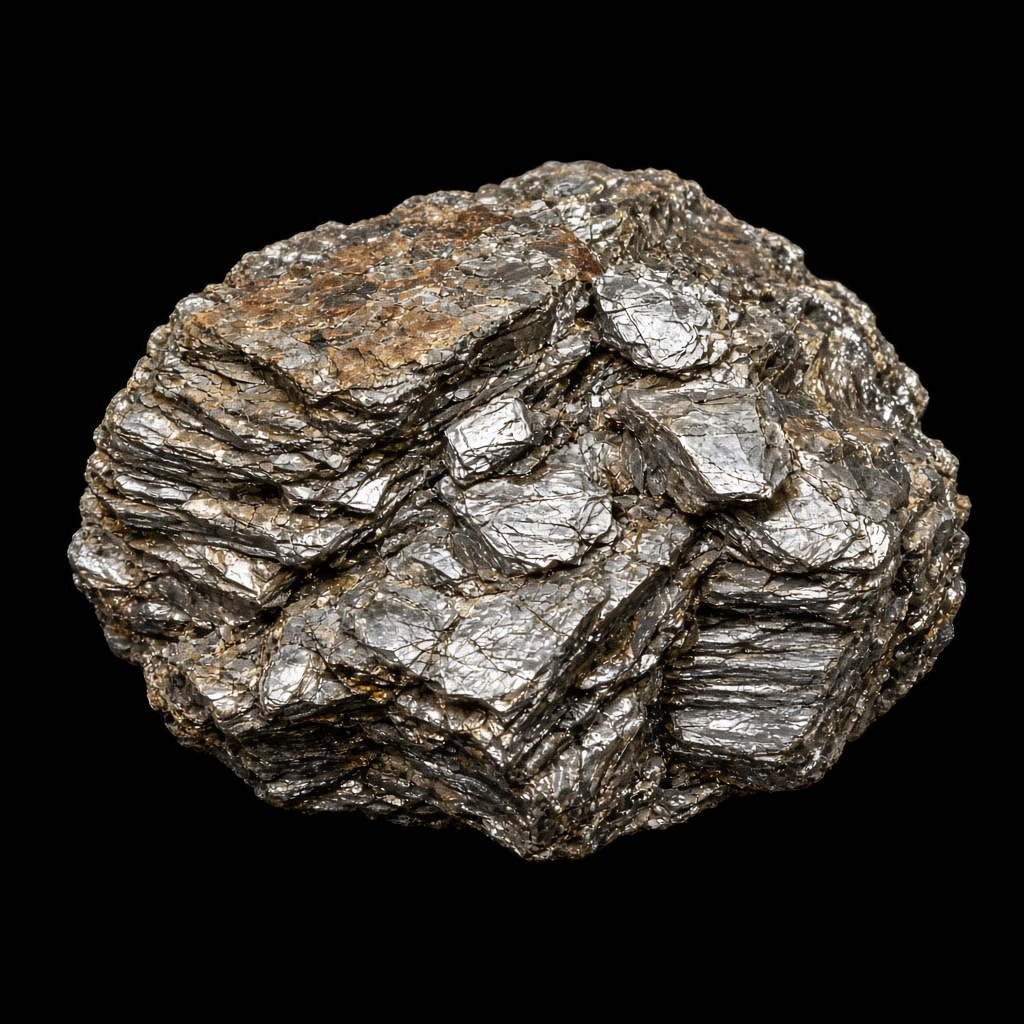
Schist is a medium-grade metamorphic rock rich in aligned mica that glitter and define foliation. Identify it by visible mica flakes, platy split, and coarser sheen than slate or phyllite.
About Schist
Schist is a medium-grade metamorphic rock rich in aligned mica that glitter and define foliation. Identify it by visible mica flakes, platy split, and coarser sheen than slate or phyllite.
Schist is filed under rocks in the RockScan directory. Composition: Aligned micas ± quartz, garnet, staurolite. It forms via regional metamorphism of mudrocks/basalts. Typical occurrence: Orogenic belts worldwide. For the broader method, see how to identify rock types.
Schist properties
| Mohs hardness | 3–7 (mineral-dependent) |
|---|---|
| Class | rock |
| Scientific name | Medium-grade foliated metamorphic rock |
| Color | Silvery, green, garnet-bearing |
| Luster | Silky to vitreous |
| Crystal system / texture | Foliated aggregate |
| Composition | Aligned micas ± quartz, garnet, staurolite |
| Formation | Regional metamorphism of mudrocks/basalts |
| Occurrence | Orogenic belts worldwide |
How to identify Schist
- Visible mica flakes with sheen.
- Foliated; splits along mica.
- Coarser than slate/phyllite.
Lookalikes to rule out
- Gneiss: Gneiss bands are compositional; schist is dominated by aligned shiny micas.
- Phyllite: Phyllite micas are finer with silky sheen; schist flakes are coarser and glittery.
- Slate: Slate is much finer; individual mica flakes usually not obvious.
Photo tips for Schist ID
- Catch mica glitter with angled light.
- Show foliation planes where the rock splits.
- Macro of mica flakes helps separate schist from slate.
Snap one specimen in natural light, then open the result in the online studio or the rock identifier app.
Schist FAQ
How do you identify schist?
Shiny aligned micas and foliation. Coarser and more glittery than slate.
What minerals are in mica schist?
Often muscovite or biotite plus quartz and feldspar; garnet porphyroblasts appear in some varieties.
Schist vs gneiss?
Schist = mica-dominated foliation; gneiss = banded light/dark mineral layers.
How to identify schist rock
Collectors search “how to identify schist rock” when a glittery foliated stone might be slate, phyllite, or gneiss. Use this field checklist:
- Mica glitter: visible mica flakes catch light — coarser and shinier than slate or silky phyllite.
- Foliation: splits along aligned mica planes; rock feels platy rather than randomly speckled.
- Grain size: medium-grade metamorphic — flakes resolvable by eye, unlike fine slate.
- Possible porphyroblasts: garnet or other crystals may sit in the mica fabric (bonus context, not required).
- Photo first: angled light for mica sheen + foliation edge, then confirm with RockScan.
Schist vs gneiss vs slate vs phyllite
- Gneiss: Compositional light–dark bands; schist is mica-dominated with glittery foliation.
- Slate: Much finer; individual mica flakes usually invisible; harder sheet cleavage without glitter.
- Phyllite: Finer silky sheen; schist flakes are coarser and more glittery.
Photo tips for schist ID
Angled light for mica glitter, an edge-on foliation plane, and a mica macro. Compare slate, gneiss, and garnet, then confirm in the online studio or rock identifier app.
Related rocks to compare
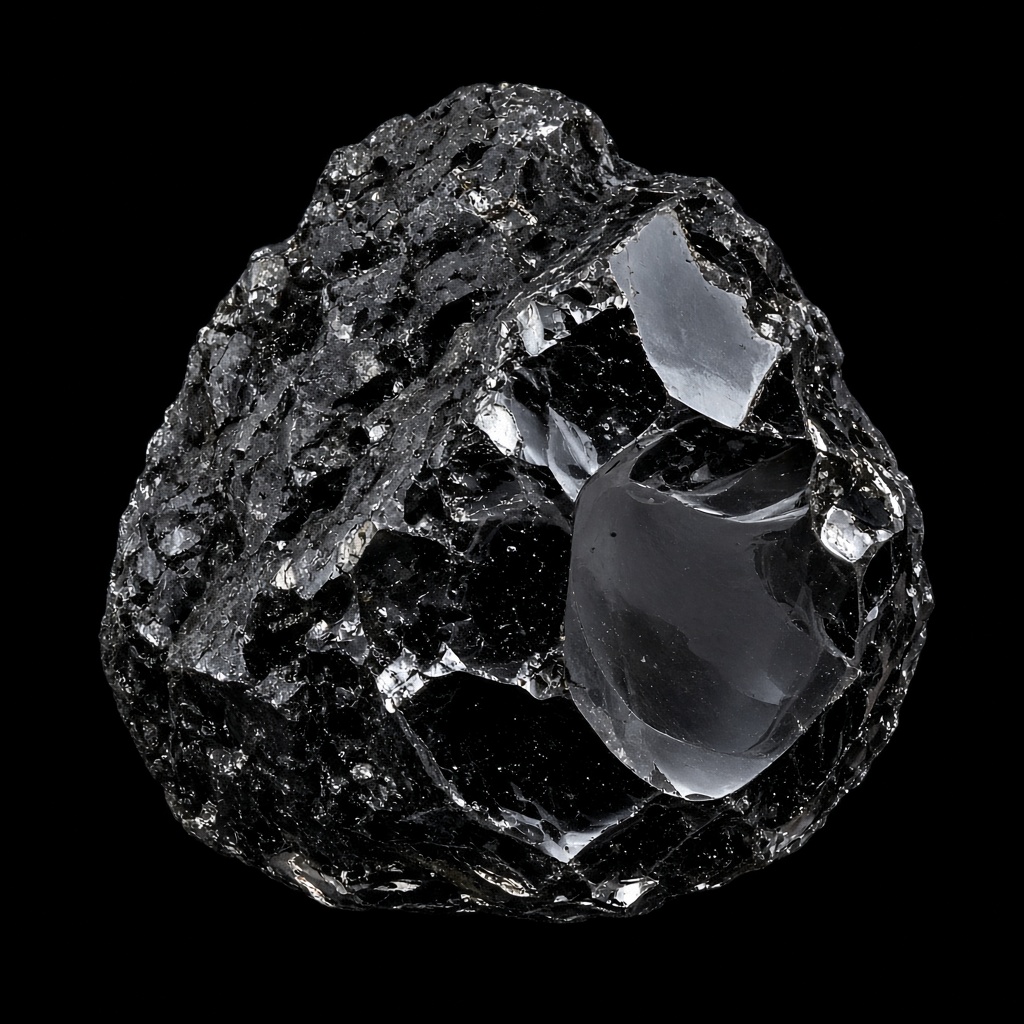
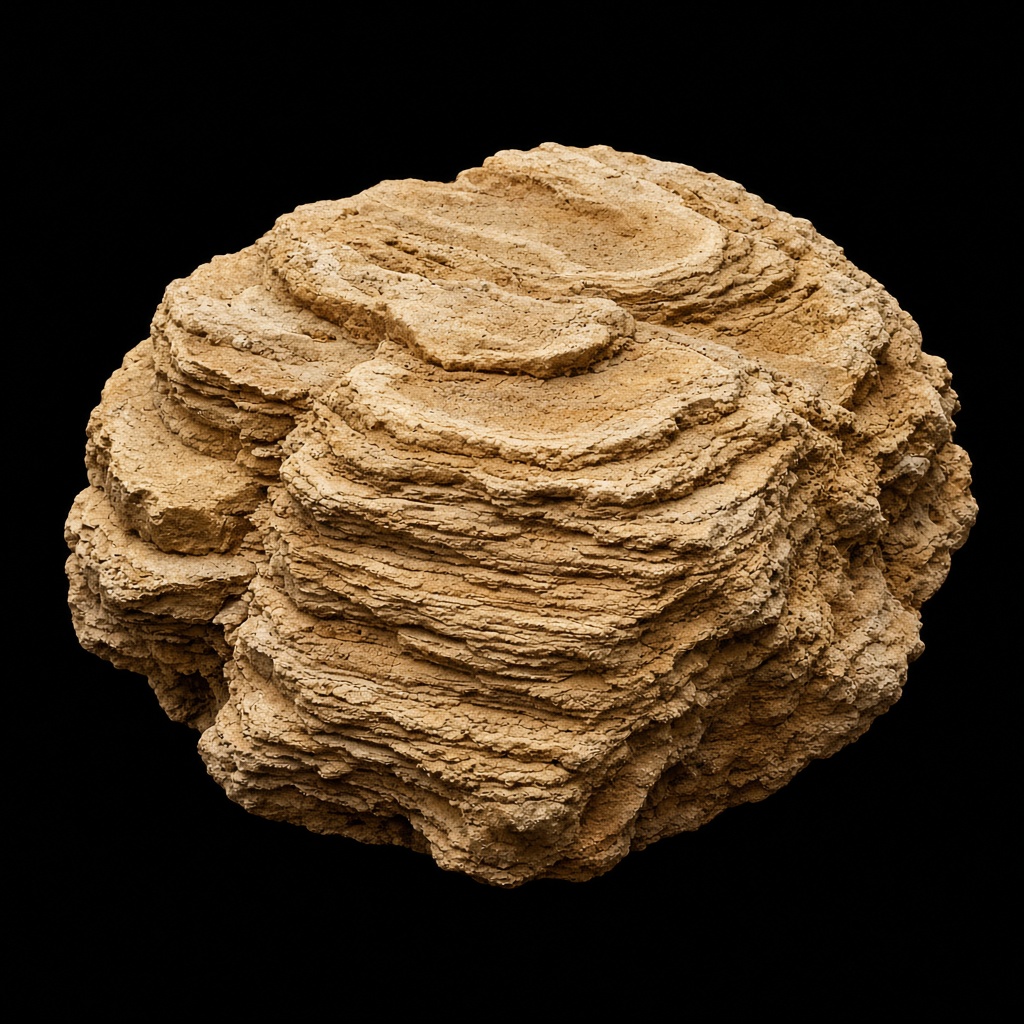
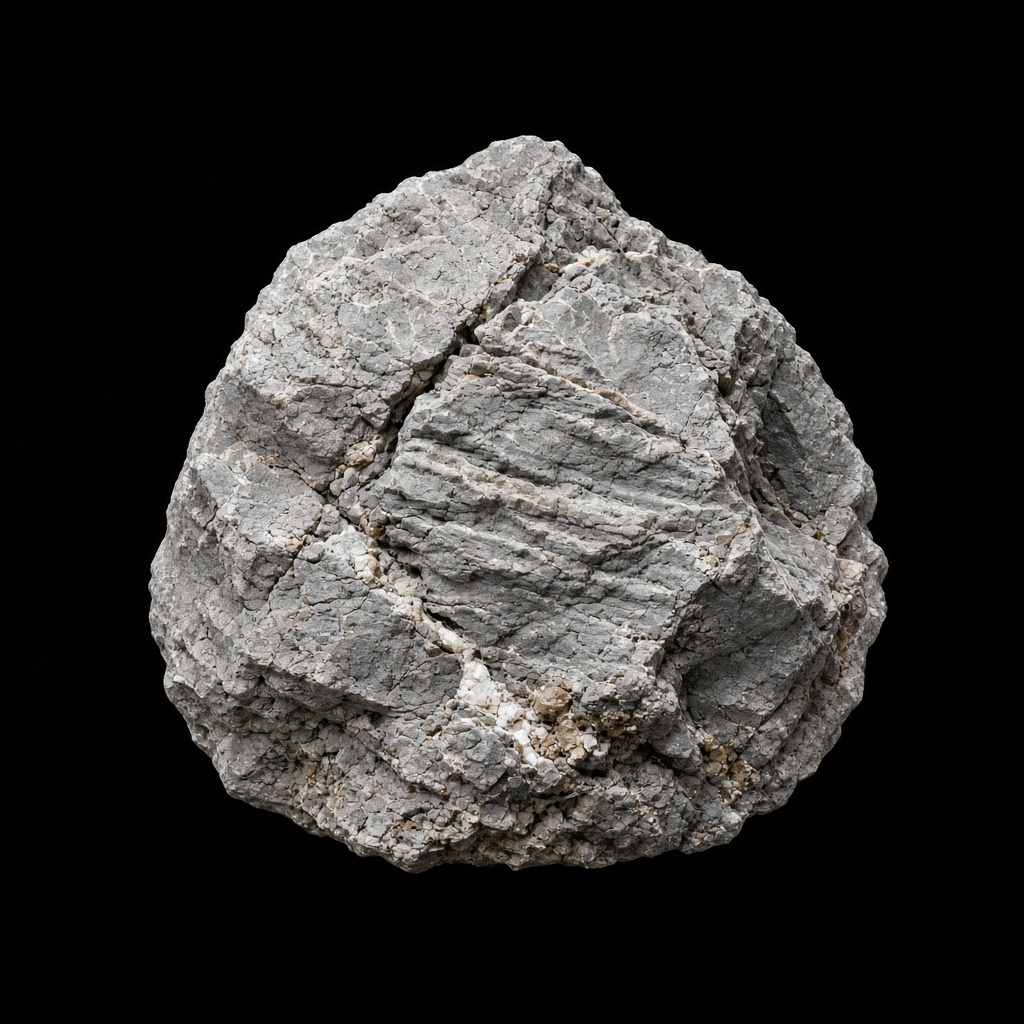
Browse all: rocks · minerals · crystals · directory · what rock is this · rock vs mineral vs crystal. Confirm with the online studio or rock identifier app.