Rock guide
How to Identify Limestone
Sedimentary carbonate rock
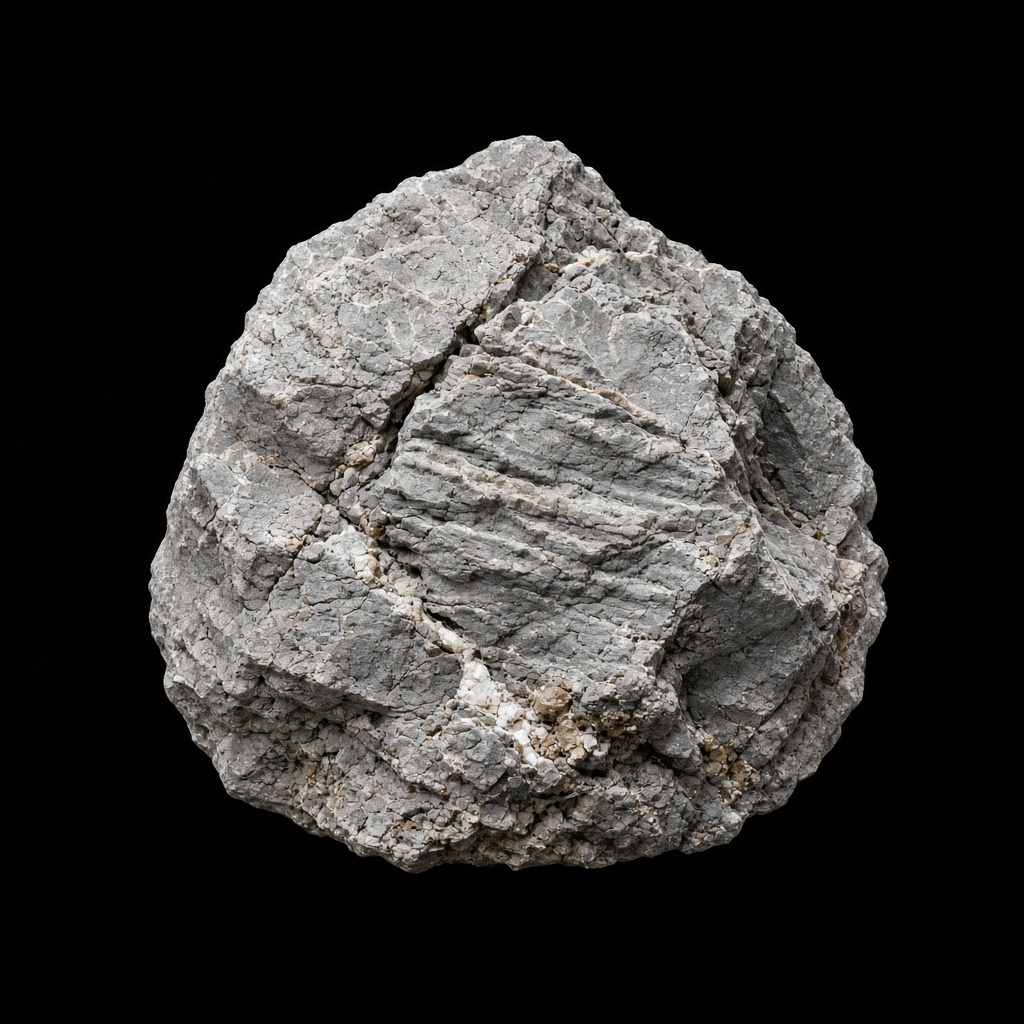
Limestone is a sedimentary carbonate rock, often light grey to tan, that may hold fossils or shell hash. Identify it by softness (Mohs ~3–4), duller texture than marble, and possible fossil clues — acid fizz is optional, not required.
About Limestone
Limestone is a sedimentary carbonate rock, often light grey to tan, that may hold fossils or shell hash. Identify it by softness (Mohs ~3–4), duller texture than marble, and possible fossil clues — acid fizz is optional, not required.
Limestone is filed under rocks in the RockScan directory. Composition: Primarily calcite (CaCO₃). It forms via marine chemical/biogenic carbonate deposition. Typical occurrence: Worldwide; extensive Middle East carbonate platforms. For the broader method, see how to identify rock types.
Limestone properties
| Mohs hardness | 3–4 (aggregate) |
|---|---|
| Class | rock |
| Scientific name | Sedimentary carbonate rock |
| Color | White, gray, tan, fossiliferous |
| Luster | Dull to earthy |
| Crystal system / texture | Carbonate aggregate |
| Composition | Primarily calcite (CaCO₃) |
| Formation | Marine chemical/biogenic carbonate deposition |
| Occurrence | Worldwide; extensive Middle East carbonate platforms |
How to identify Limestone
- Mohs ~3; knife scratches easily.
- Often fizzes with dilute HCl (use safely / optionally).
- May contain fossils or shell debris.
Lookalikes to rule out
- Dolomite rock: Dolomite reacts more weakly to cold dilute acid; limestone usually fizzes readily.
- Marble: Marble is crystalline metamorphic with sugary sparkle; limestone is typically duller sedimentary.
- Chalk: Chalk is very soft, powdery white limestone; many limestones are denser and less powdery.
Photo tips for Limestone ID
- Photograph fossil fragments or shell hash if present — strong limestone cue.
- Show a scratch on glass vs steel carefully; limestone (~3) scratches easily with a knife.
- Neutral light helps grey vs cream tones.
Snap one specimen in natural light, then open the result in the online studio or the rock identifier app.
Limestone FAQ
How do you identify limestone?
Soft carbonate rock (~Mohs 3), often light-colored, sometimes fossil-bearing. Acid fizz is classic when testing is appropriate.
Limestone vs marble?
Marble is metamorphosed limestone with interlocking calcite crystals and a sugary look; limestone keeps sedimentary textures.
Can photo ID tell limestone from concrete?
Photo ID can suggest carbonate rock; concrete often shows artificial aggregate mix. Confirm texture and hardness on the specimen card.
How to identify limestone rock
Collectors search “how to identify limestone rock” when a pale outdoor stone might be marble or chalk. Use this checklist:
- Softness: knife usually scratches (~Mohs 3–4); quartz-rich rocks shrug off steel.
- Fossils / shell hash: shells, crinoid stems, or fossil hash strongly favor limestone over marble.
- Texture: dull to earthy sedimentary look; marble shows sugary recrystallized sparkle.
- Acid optional: dilute acid may fizz, but photo + hardness + fossils usually suffice — keep tests minimal.
- Photo first: shade shot of any fossils + fresh face, then RockScan vs marble and chalk.
Limestone vs marble vs chalk vs dolomite
- Marble: metamorphosed carbonate with sugary sparkle and polish; limestone stays duller and more fossil-friendly.
- Chalk: very soft, powdery, white; limestone is harder and less powdery.
- Dolomite rock: similar carbonate look; may react weakly to cold acid — texture and field context help.
Photo tips for limestone ID
Diffuse light on fossil detail and a fresh break; include scale for shell size. Compare marble, fossil, and flint (common in limestone hosts), then confirm in the online studio or rock identifier app.
Related rocks to compare
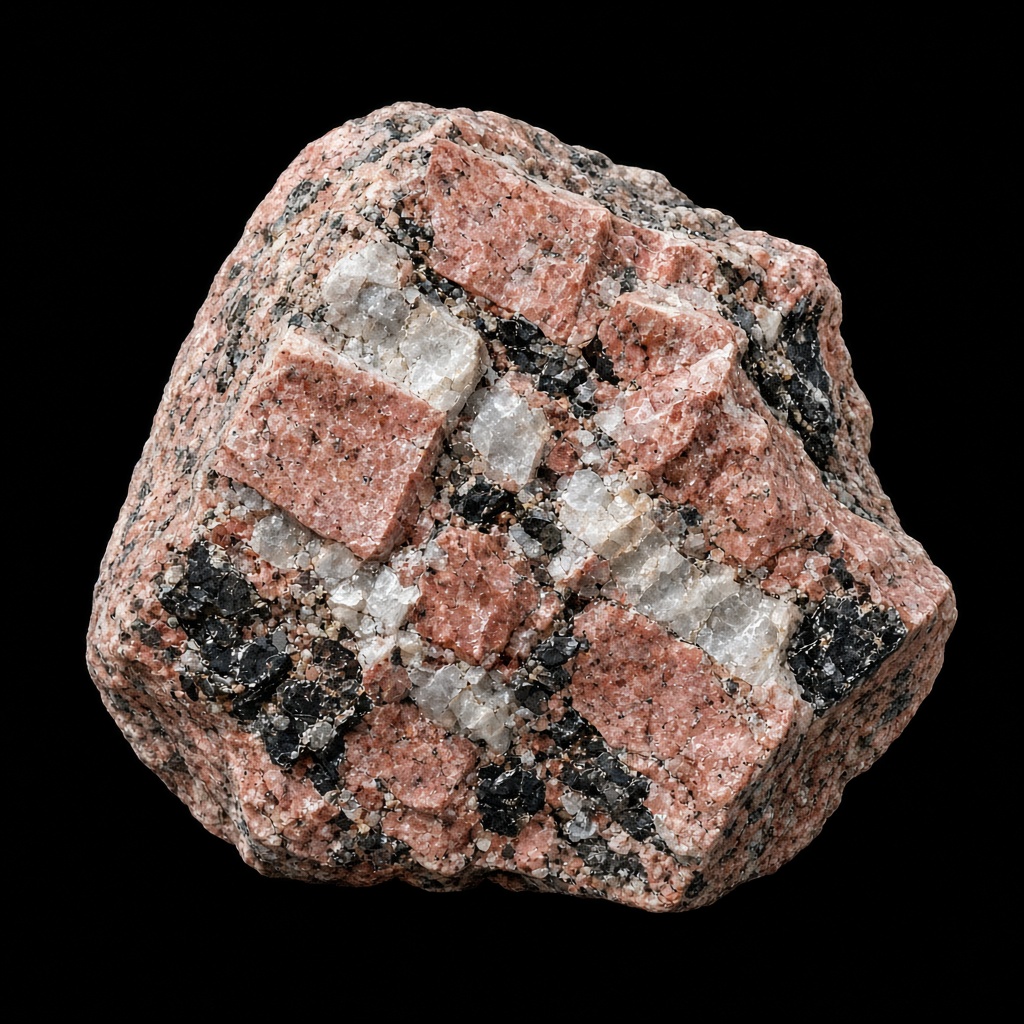
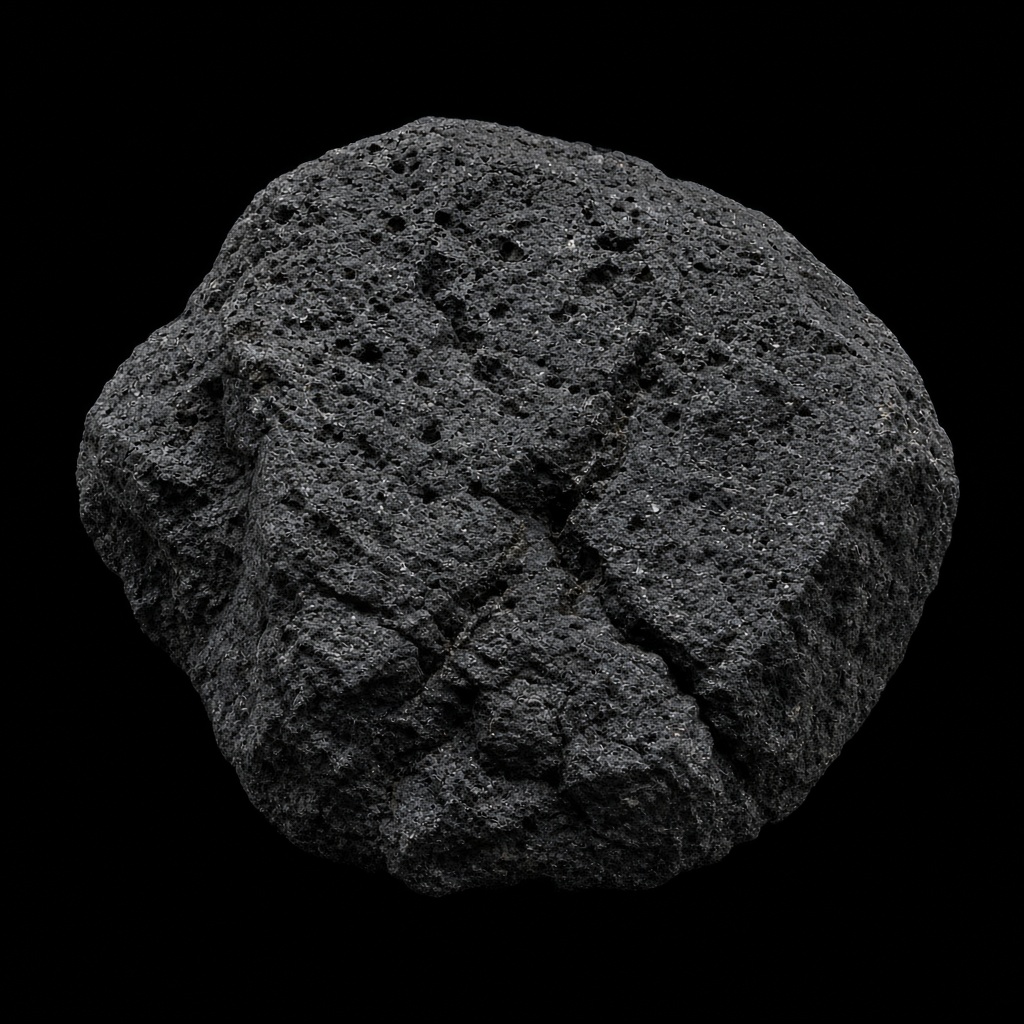
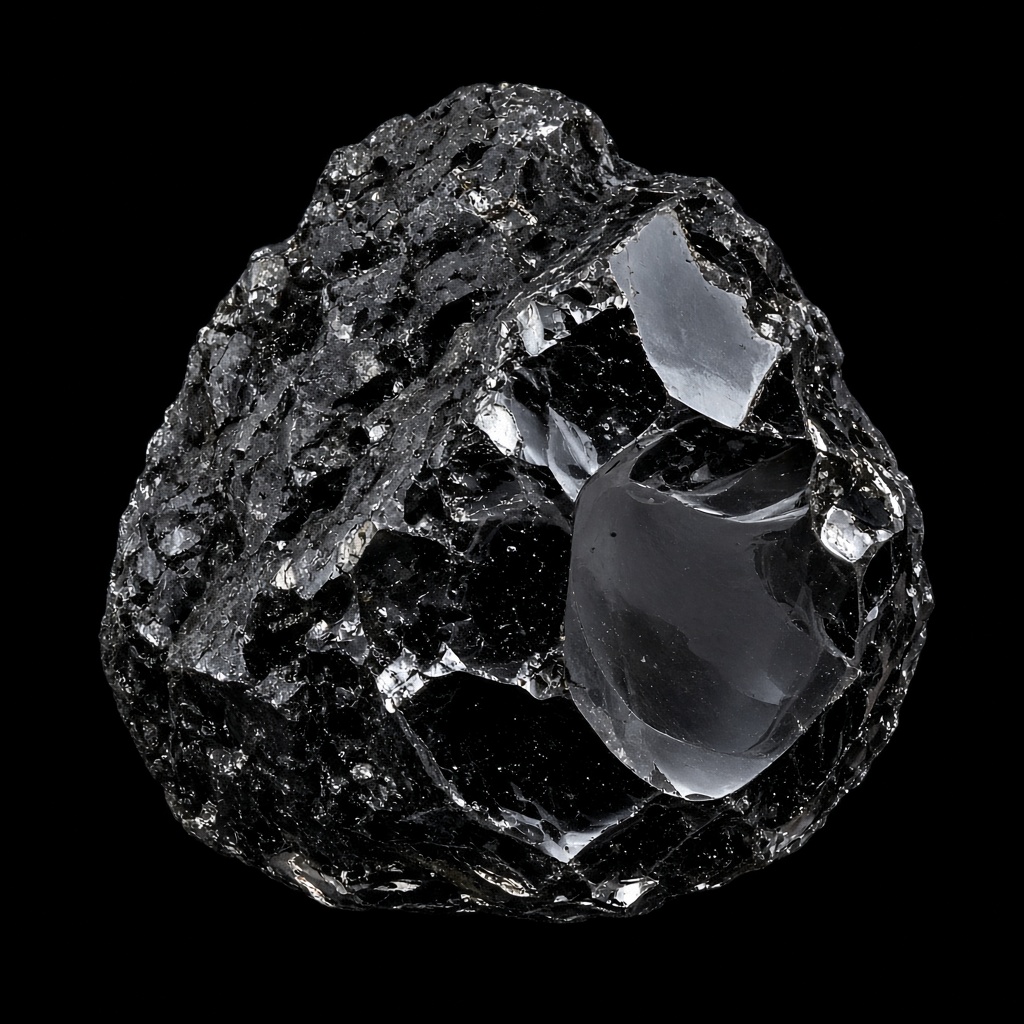
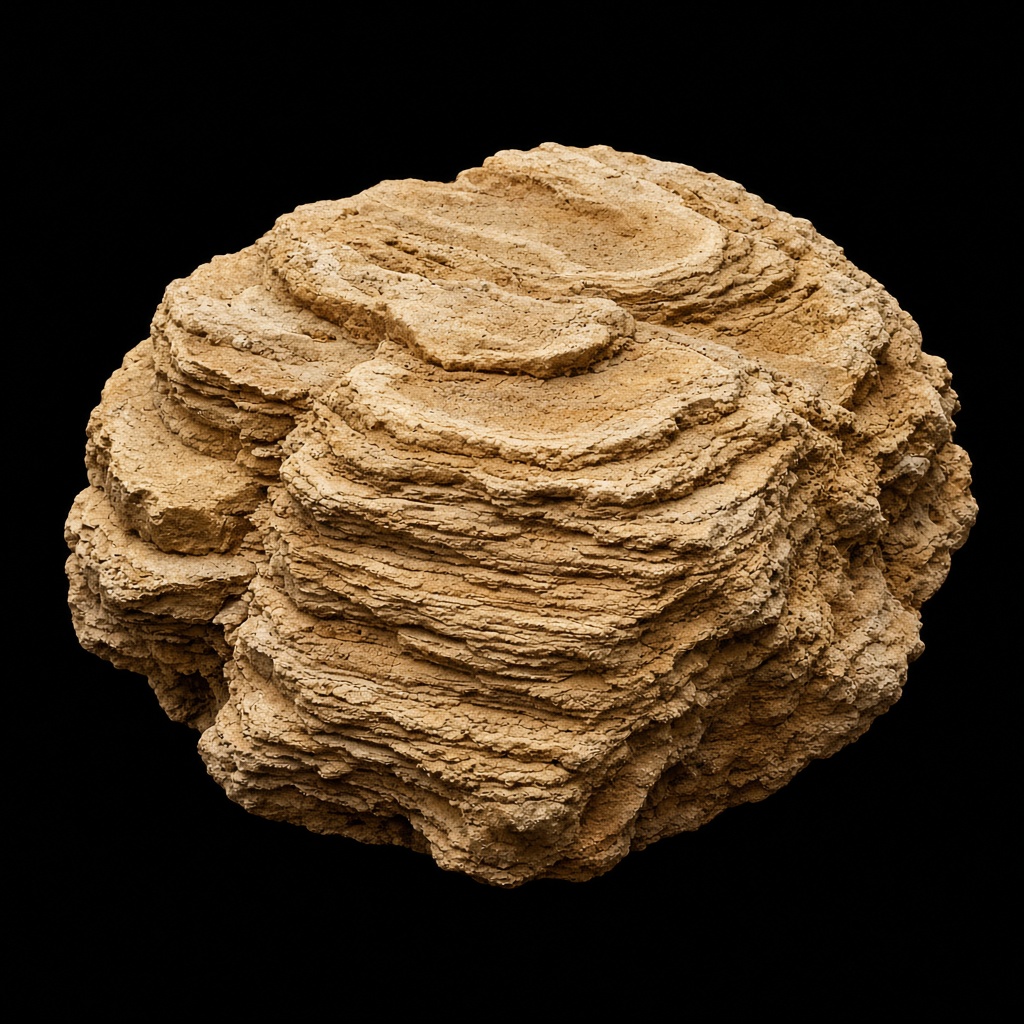
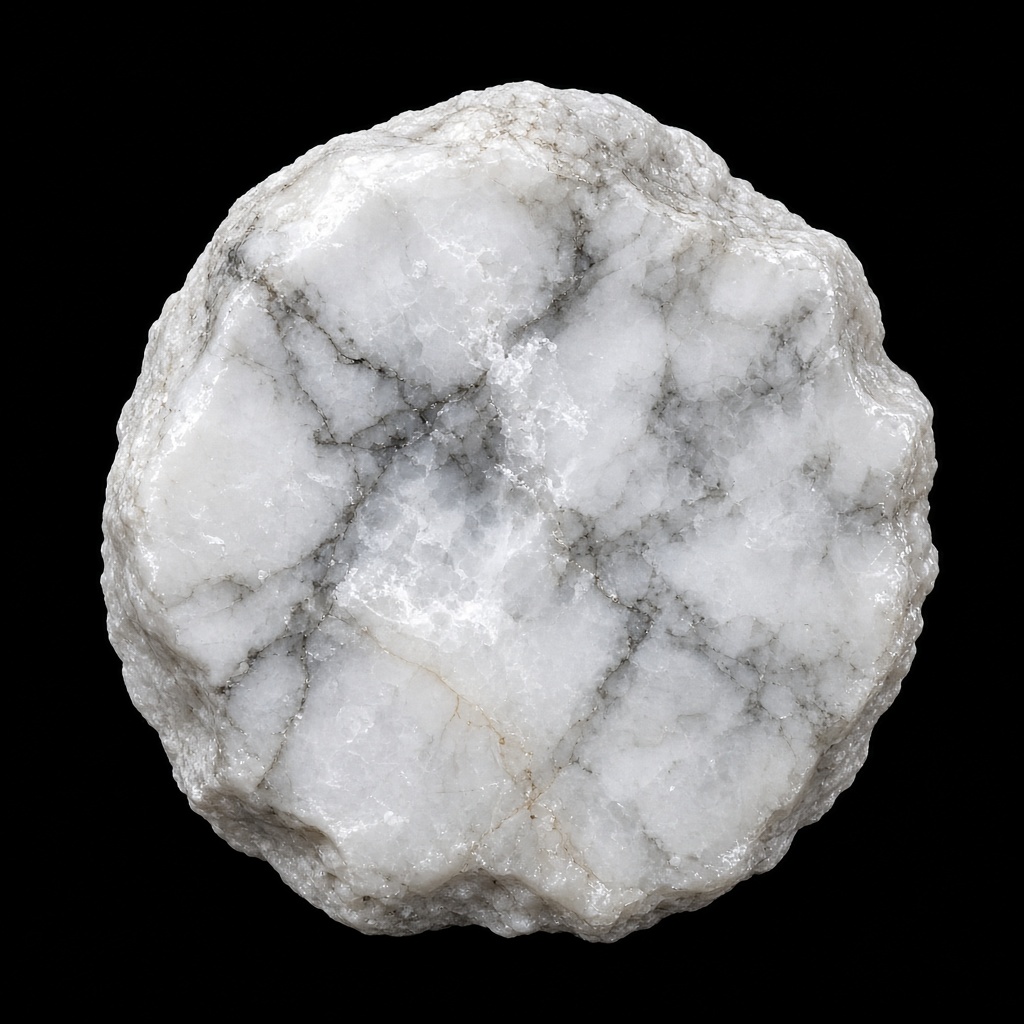
Browse all: rocks · minerals · crystals · directory · what rock is this · rock vs mineral vs crystal. Confirm with the online studio or rock identifier app.