Crystal & mineral guide
Topaz
Al₂SiO₄(F,OH)₂
Hard November birthstone — imperial sherry colors are most prized.
Identify Topaz with RockScanAbout Topaz
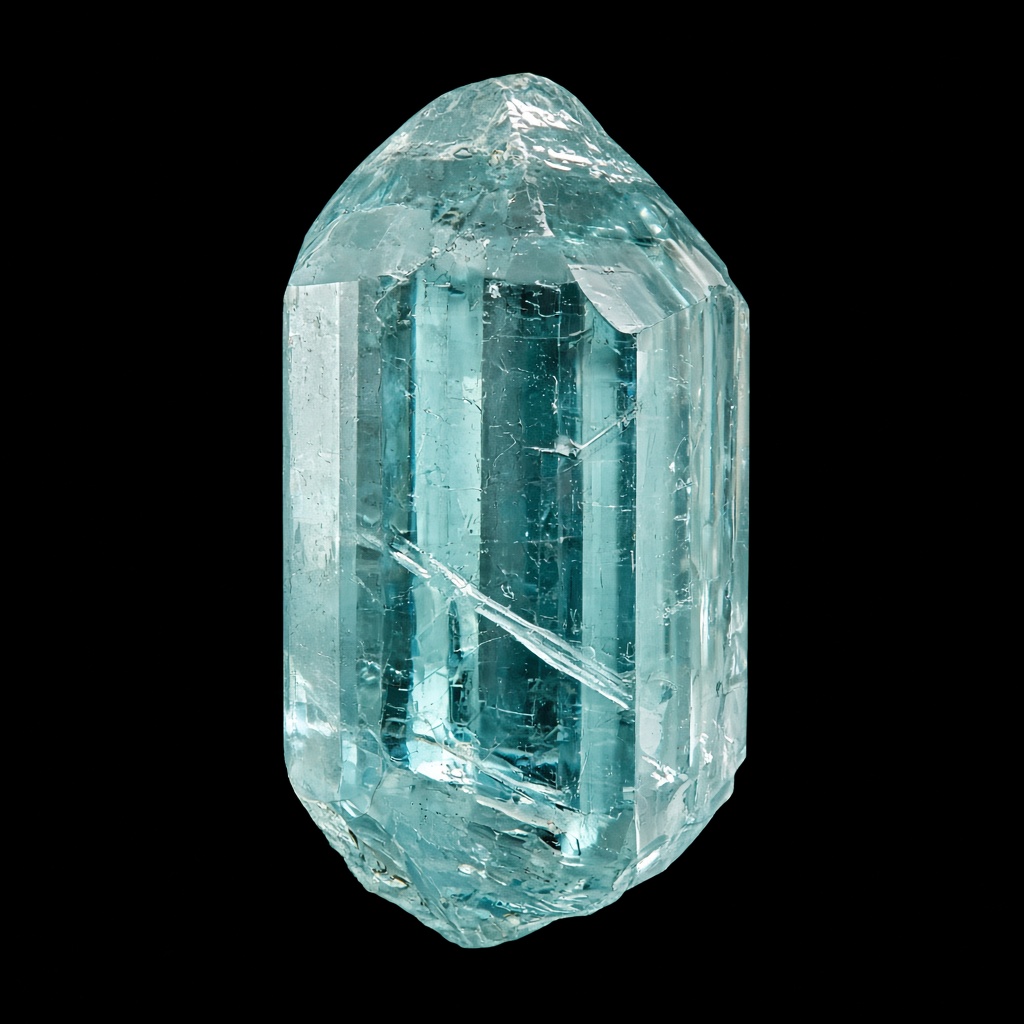
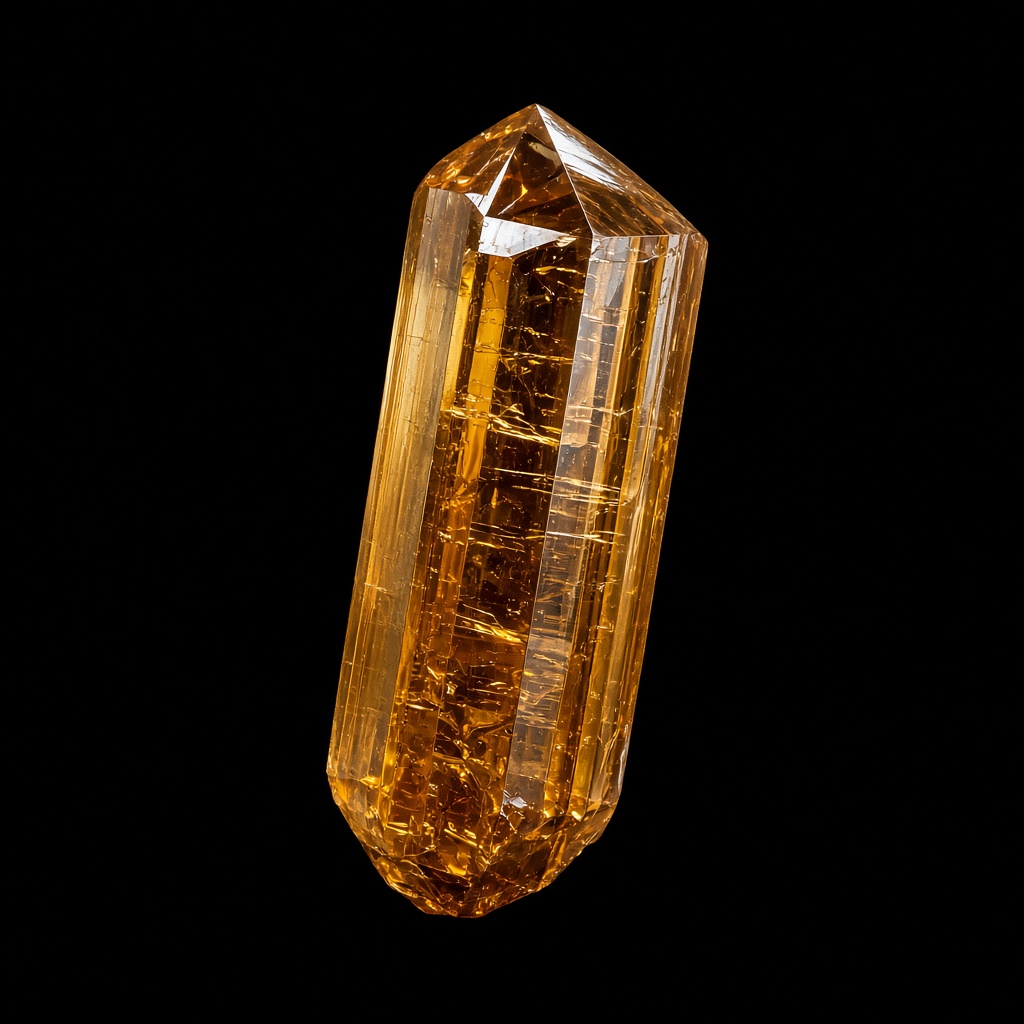
Natural blue topaz is rare; most sky/Swiss/London blue topaz is irradiated and heated. Imperial topaz (golden-orange to pinkish) from Brazil is the collector standard. Perfect cleavage means careful setting design.
Topaz belongs in a crystal identifier workflow because photo cues — color zoning, crystal habit, and surface luster — combine with measurable traits like Mohs 8 and specific gravity 3.4–3.6. Use RockScan’s camera to get a first-pass ID, then confirm with the checklist below.
Topaz properties
| Mohs hardness | 8 |
|---|---|
| Crystal system | Orthorhombic |
| Luster | Vitreous |
| Color | Sherry, blue (often treated), pink, imperial |
| Composition | Aluminum silicate fluoride hydroxide |
| Formation | Pegmatites and rhyolite cavities |
| Occurrence | Brazil, Pakistan, Russia, USA (Utah) |
| Specific gravity | 3.4–3.6 |
| Cleavage | Perfect basal |
How to identify Topaz
- Hardness 8; perfect basal cleavage
- Vertical striations on prism faces
- SG higher than quartz
Collector notes
- Blue topaz treatment is industry-standard when disclosed
- Name possibly from Sanskrit 'tapas' — fire
Value context: Natural imperial colors far exceed treated blue commodity prices.
Topaz FAQ
How do you identify Topaz?
Topaz (Al₂SiO₄(F,OH)₂) is typically recognized by sherry, blue (often treated), pink, imperial color, vitreous luster, Mohs hardness 8, and orthorhombic crystal system. RockScan can suggest Topaz from a photo and surface these checks on the result card.
What is Topaz made of?
Topaz composition: Aluminum silicate fluoride hydroxide. It forms via pegmatites and rhyolite cavities and is found in Brazil, Pakistan, Russia, USA (Utah).
Is Topaz valuable?
Natural imperial colors far exceed treated blue commodity prices.