Crystal & mineral guide
Peridot
(Mg,Fe)₂SiO₄ (Olivine)
August birthstone — one of the few gems that forms in the mantle.
Identify Peridot with RockScanAbout Peridot
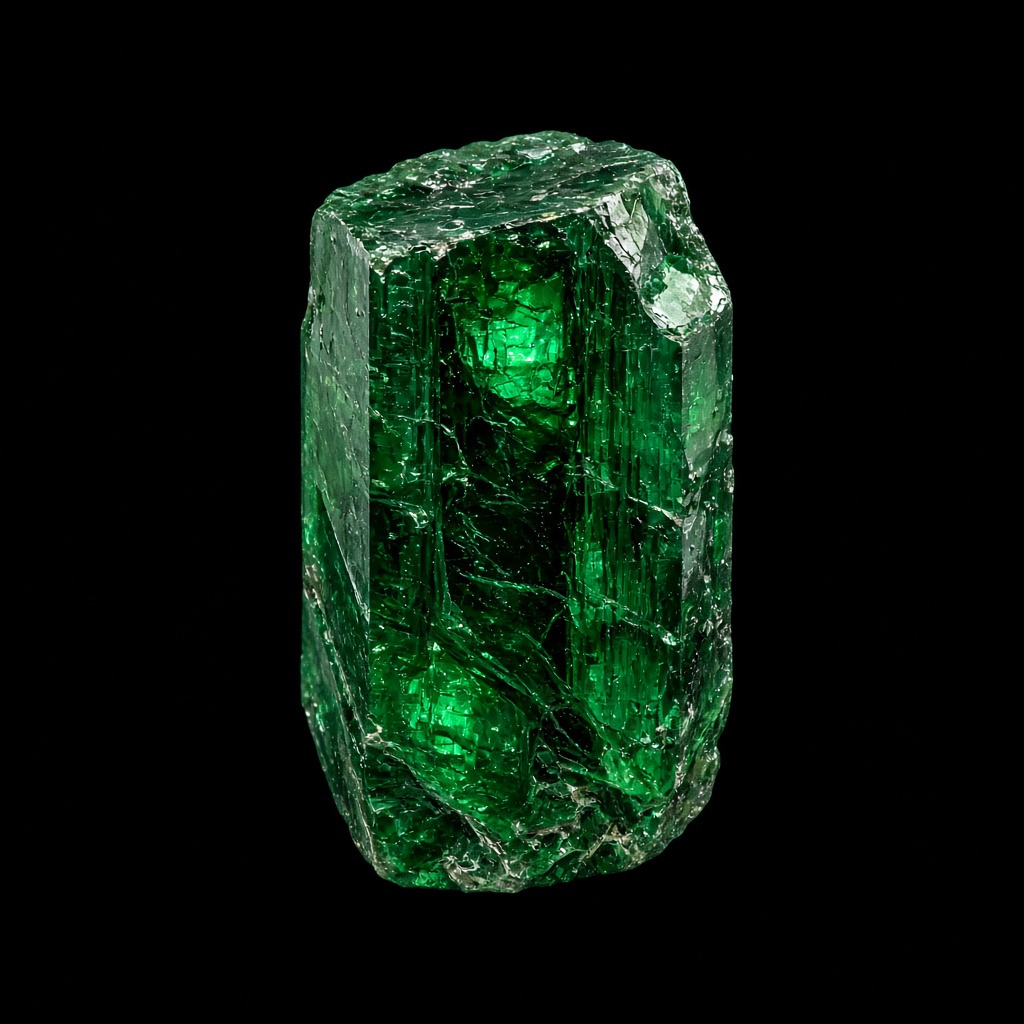
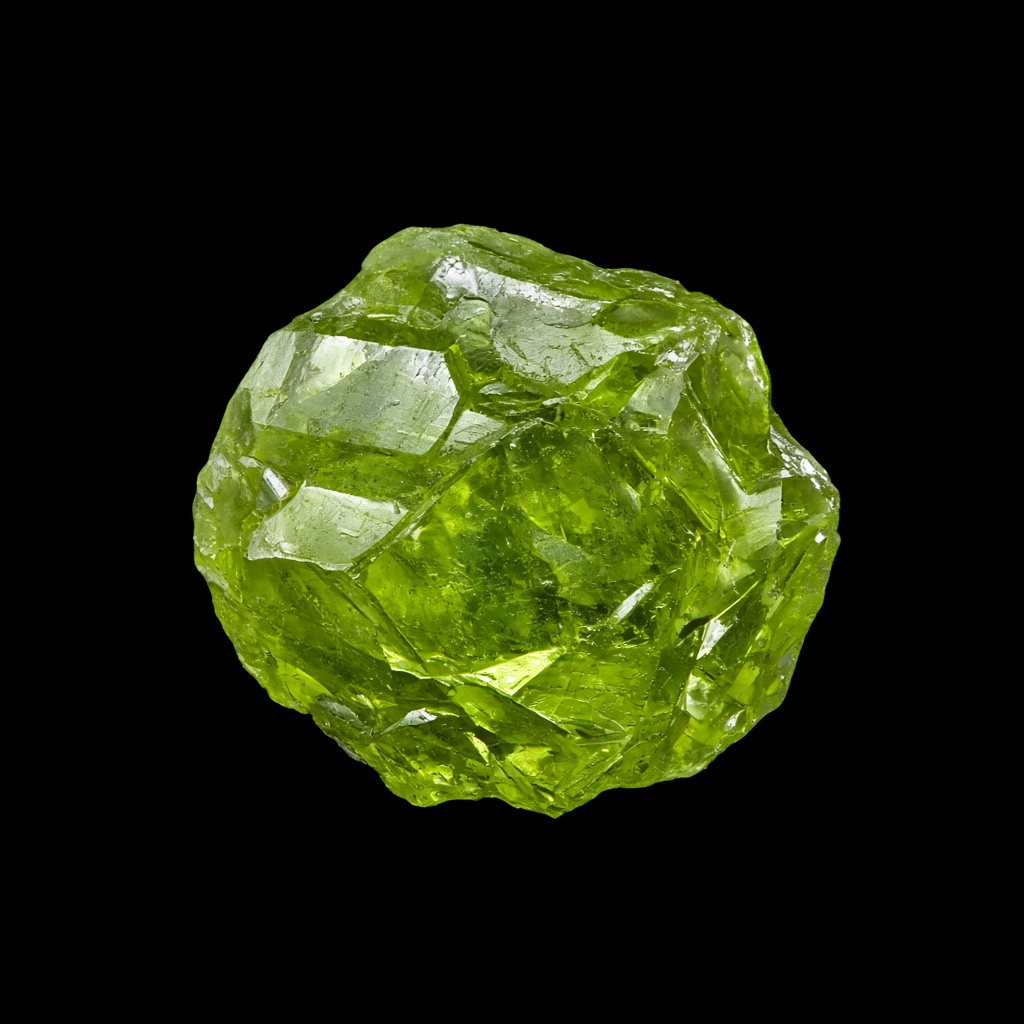
Peridot is gem olivine. The best stones are pure lime-green without brown. Some extraterrestrial peridot arrives in pallasite meteorites. Large clean Pakistani crystals transformed modern supply.
Peridot belongs in a crystal identifier workflow because photo cues — color zoning, crystal habit, and surface luster — combine with measurable traits like Mohs 6.5–7 and specific gravity 3.27–3.36. Use RockScan’s camera to get a first-pass ID, then confirm with the checklist below.
Peridot properties
| Mohs hardness | 6.5–7 |
|---|---|
| Crystal system | Orthorhombic |
| Luster | Vitreous |
| Color | Yellowish green to olive |
| Composition | Magnesium iron silicate |
| Formation | Mantle-derived basalt and peridotite |
| Occurrence | Pakistan, Myanmar, USA (Arizona), China |
| Specific gravity | 3.27–3.36 |
| Cleavage | Poor |
How to identify Peridot
- Distinctive olive-lime color
- Double refraction can blur facet edges
- SG ~3.3
Collector notes
- Ancient Egyptians mined Zabargad Island peridot
- Can be found in meteorites
Value context: Large (>10 ct) pure green stones are scarce and valuable.
Peridot FAQ
How do you identify Peridot?
Peridot ((Mg,Fe)₂SiO₄ (Olivine)) is typically recognized by yellowish green to olive color, vitreous luster, Mohs hardness 6.5–7, and orthorhombic crystal system. RockScan can suggest Peridot from a photo and surface these checks on the result card.
What is Peridot made of?
Peridot composition: Magnesium iron silicate. It forms via mantle-derived basalt and peridotite and is found in Pakistan, Myanmar, USA (Arizona), China.
Is Peridot valuable?
Large (>10 ct) pure green stones are scarce and valuable.