Rock guide
How to Identify Slate
Foliated metamorphic mudrock
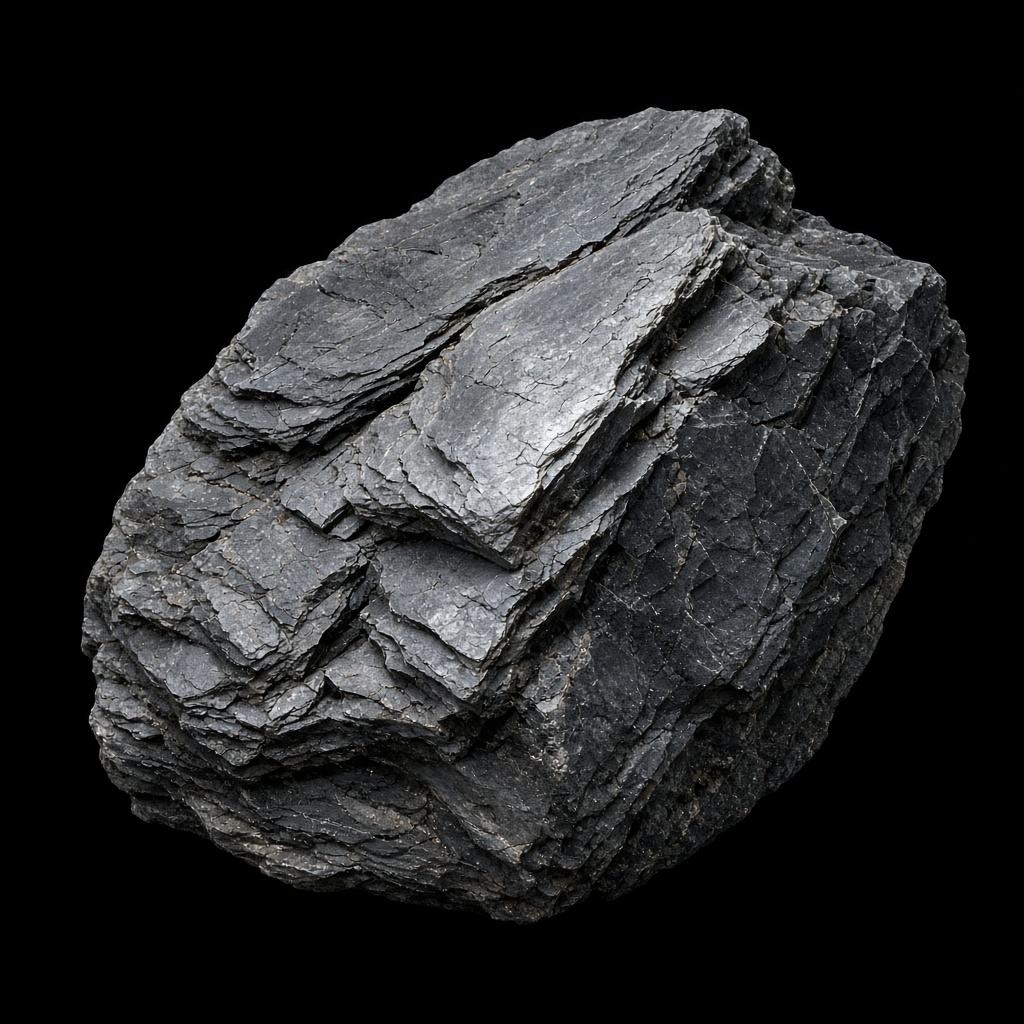
Slate is a fine-grained foliated metamorphic rock (from shale) that splits into hard durable sheets along cleavage. Identify it by thin coherent sheets, fine grain without coarse mica glitter, and hardness above soft shale.
About Slate
Slate is a fine-grained foliated metamorphic rock (from shale) that splits into hard durable sheets along cleavage. Identify it by thin coherent sheets, fine grain without coarse mica glitter, and hardness above soft shale.
Slate is filed under rocks in the RockScan directory. Composition: Micaceous minerals from metamorphosed shale. It forms via low-grade regional metamorphism of shale. Typical occurrence: Wales, Spain, USA, Brazil, China. For the broader method, see how to identify rock types.
Slate properties
| Mohs hardness | 3–5 (aggregate) |
|---|---|
| Class | rock |
| Scientific name | Foliated metamorphic mudrock |
| Color | Gray, black, green, purple |
| Luster | Dull to silky |
| Crystal system / texture | Foliated aggregate |
| Composition | Micaceous minerals from metamorphosed shale |
| Formation | Low-grade regional metamorphism of shale |
| Occurrence | Wales, Spain, USA, Brazil, China |
How to identify Slate
- Splits into thin hard sheets.
- Fine grain; dull to slightly silky luster.
- Harder and more coherent than shale.
Lookalikes to rule out
- Shale: Shale is softer sedimentary and crumbles more; slate rings and splits into harder sheets.
- Phyllite: Phyllite has a silky sheen from fine micas; slate is usually duller.
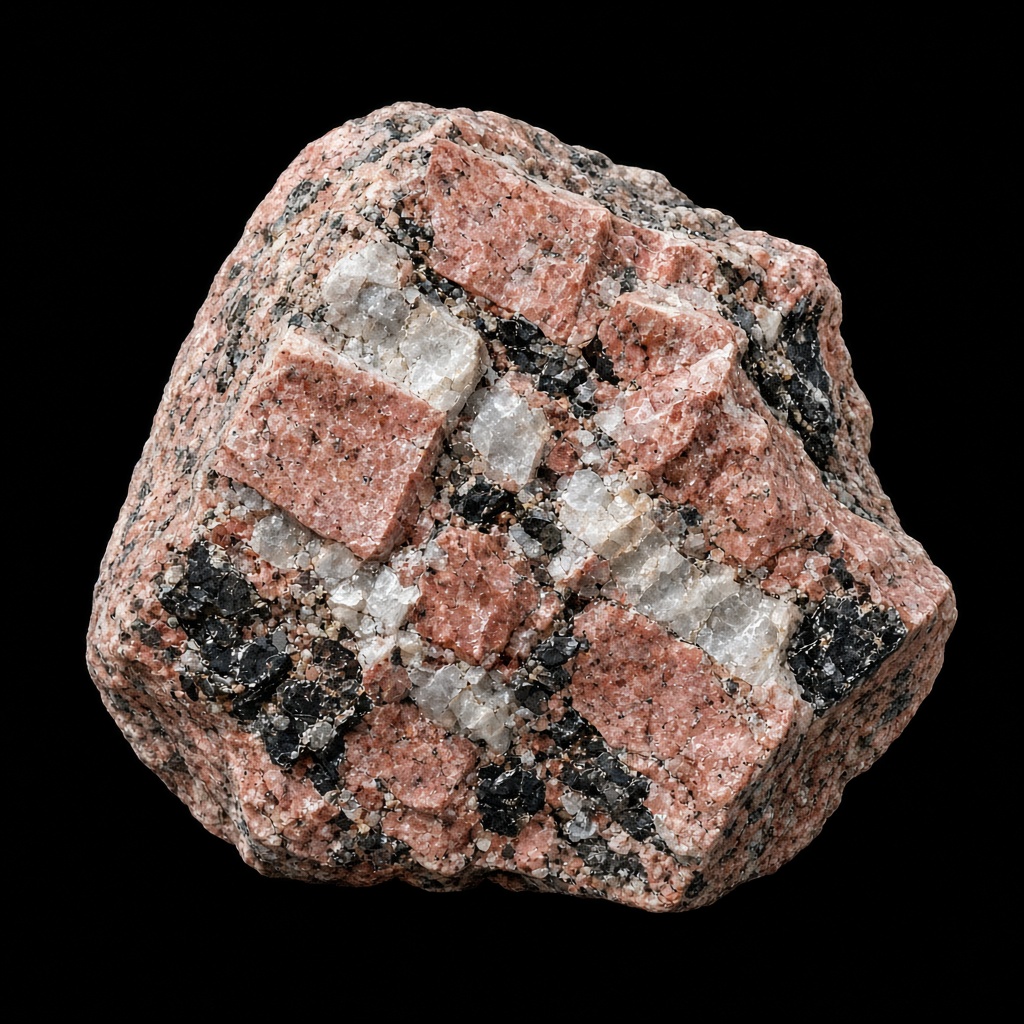
- Schist: Schist has coarse visible mica flakes; slate’s minerals are too fine to see easily.
Photo tips for Slate ID
- Show cleavage sheets edge-on — flat splitting planes are diagnostic.
- Photograph both faces; color can be grey, green, purple, or black.
- Include a thin split piece to show how evenly it separates.
Snap one specimen in natural light, then open the result in the online studio or the rock identifier app.
Slate FAQ
How do you identify slate?
Foliated rock that splits into thin durable sheets with fine grain. Harder than shale; less sparkly than phyllite or schist.
Slate vs shale?
Shale is sedimentary and softer; slate is metamorphosed and rings/splits more cleanly.
What colors does slate come in?
Commonly grey to black; also green, purple, and mottled varieties depending on chemistry.
How to identify slate rock
Collectors search “how to identify slate rock” when a grey flagstone might be soft shale or glittery schist instead. Use this field checklist:
- Cleavage sheets: splits into thin, durable, hard sheets along flat planes — roofing and flagstone habit.
- Fine grain: minerals too fine to see as individual flakes; dull to slightly silky, not coarse mica glitter.
- Hardness ladder: harder and more coherent than shale (often rings when tapped); softer/finer than schist.
- Color range: grey, black, green, or purple are common — color alone does not ID it.
- Photo first: shoot an edge-on cleavage stack in shade, then confirm with RockScan against shale and schist.
Slate vs shale vs schist vs phyllite
- Shale: Sedimentary and soft/crumbly; slate is metamorphosed and splits into harder durable sheets.
- Schist: Coarse visible mica flakes with glitter; slate’s minerals stay too fine to resolve.
- Phyllite: Silky sheen from fine micas; slate is usually duller with stronger hard cleavage.
Photo tips for slate ID
Edge-on cleavage sheets, both face colors, and one thin split piece tell the story. Diffuse daylight beats flash on dark slate. Compare shale, schist, and gneiss, then confirm in the online studio or rock identifier app.
Related rocks to compare
Browse all: rocks · minerals · crystals · directory · what rock is this · rock vs mineral vs crystal. Confirm with the online studio or rock identifier app.