Crystal & mineral guide
Garnet
X₃Y₂(SiO₄)₃ group
January birthstone family — far more colorful than dark-red stereotypes.
Identify Garnet with RockScanAbout Garnet
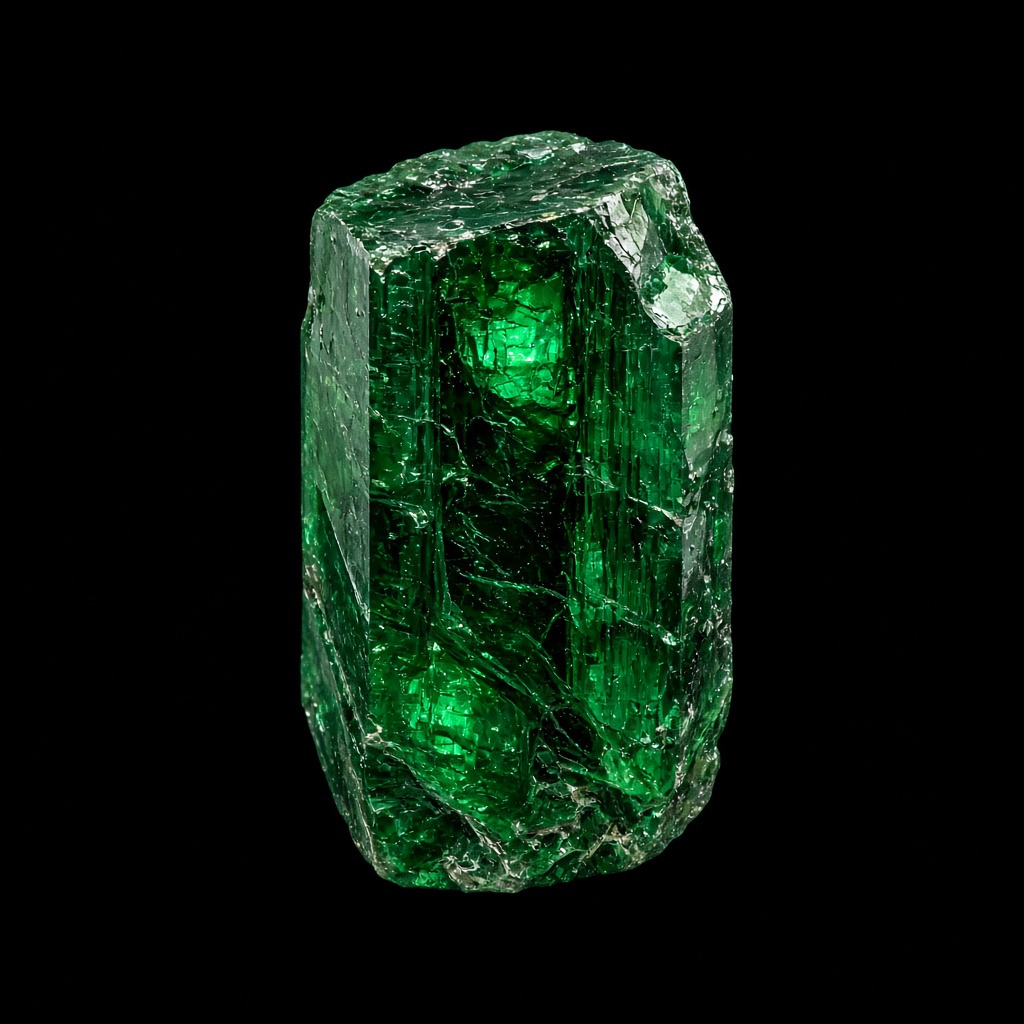
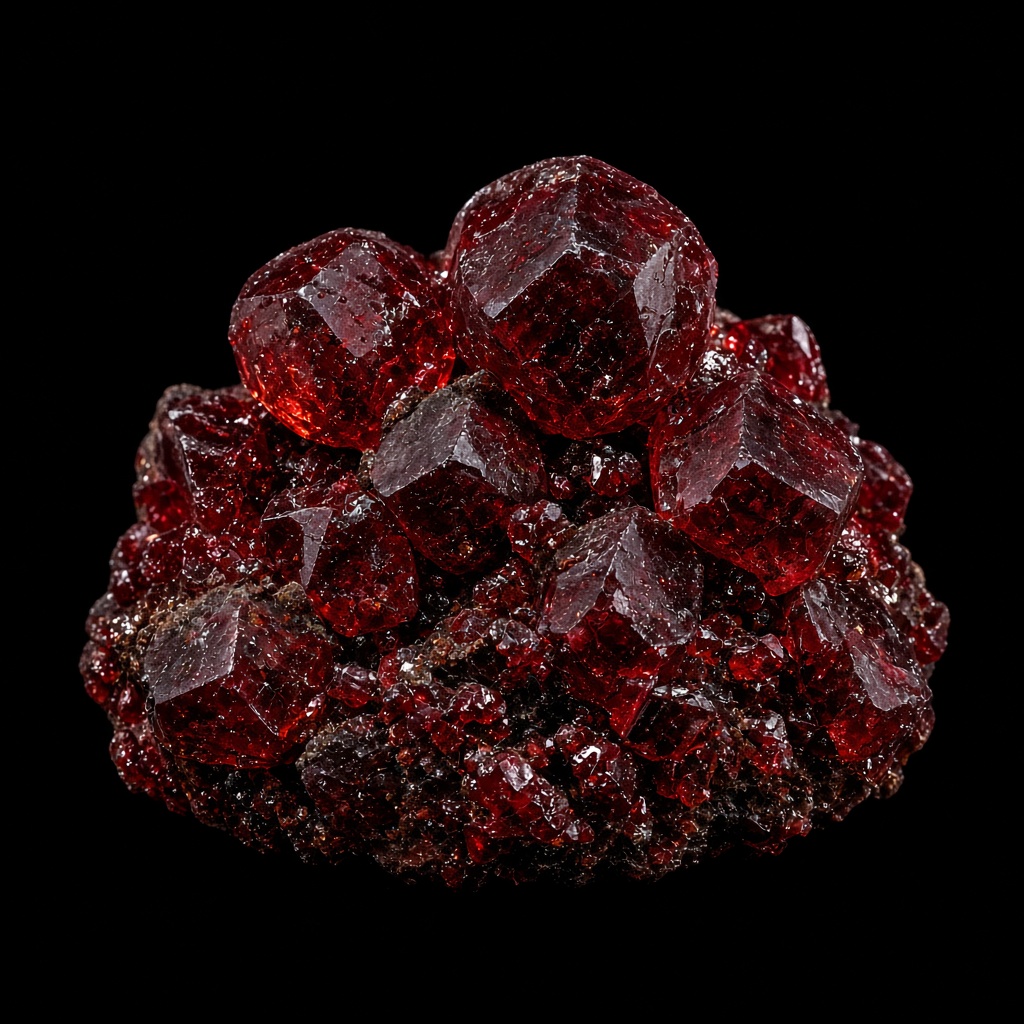
Garnet is a group. Pyrope-almandine reds are common; tsavorite and demantoid greens are rare and valuable. Dodecahedral crystals are classic. High refractive index gives lively brilliance in faceted stones.
Garnet belongs in a crystal identifier workflow because photo cues — color zoning, crystal habit, and surface luster — combine with measurable traits like Mohs 6.5–7.5 and specific gravity 3.5–4.3. Use RockScan’s camera to get a first-pass ID, then confirm with the checklist below.
Garnet properties
| Mohs hardness | 6.5–7.5 |
|---|---|
| Crystal system | Cubic |
| Luster | Vitreous |
| Color | Red classic; also green tsavorite, demantoid |
| Composition | Nesosilicate group (almandine, pyrope, etc.) |
| Formation | Metamorphic rocks and some igneous settings |
| Occurrence | Worldwide; East Africa for green garnets |
| Specific gravity | 3.5–4.3 |
| Cleavage | None |
How to identify Garnet
- Isotropic under polariscope (single refractive)
- No cleavage; conchoidal fracture
- SG often distinctly high
Collector notes
- Bohemian garnets adorned Victorian jewelry
- Demantoid can show 'horsetail' inclusions
Value context: Fine tsavorite/demantoid rival emerald prices per carat.
Garnet FAQ
How do you identify Garnet?
Garnet (X₃Y₂(SiO₄)₃ group) is typically recognized by red classic; also green tsavorite, demantoid color, vitreous luster, Mohs hardness 6.5–7.5, and cubic crystal system. RockScan can suggest Garnet from a photo and surface these checks on the result card.
What is Garnet made of?
Garnet composition: Nesosilicate group (almandine, pyrope, etc.). It forms via metamorphic rocks and some igneous settings and is found in Worldwide; East Africa for green garnets.
Is Garnet valuable?
Fine tsavorite/demantoid rival emerald prices per carat.