Mineral guide
How to Identify Gypsum
CaSO₄·2H₂O
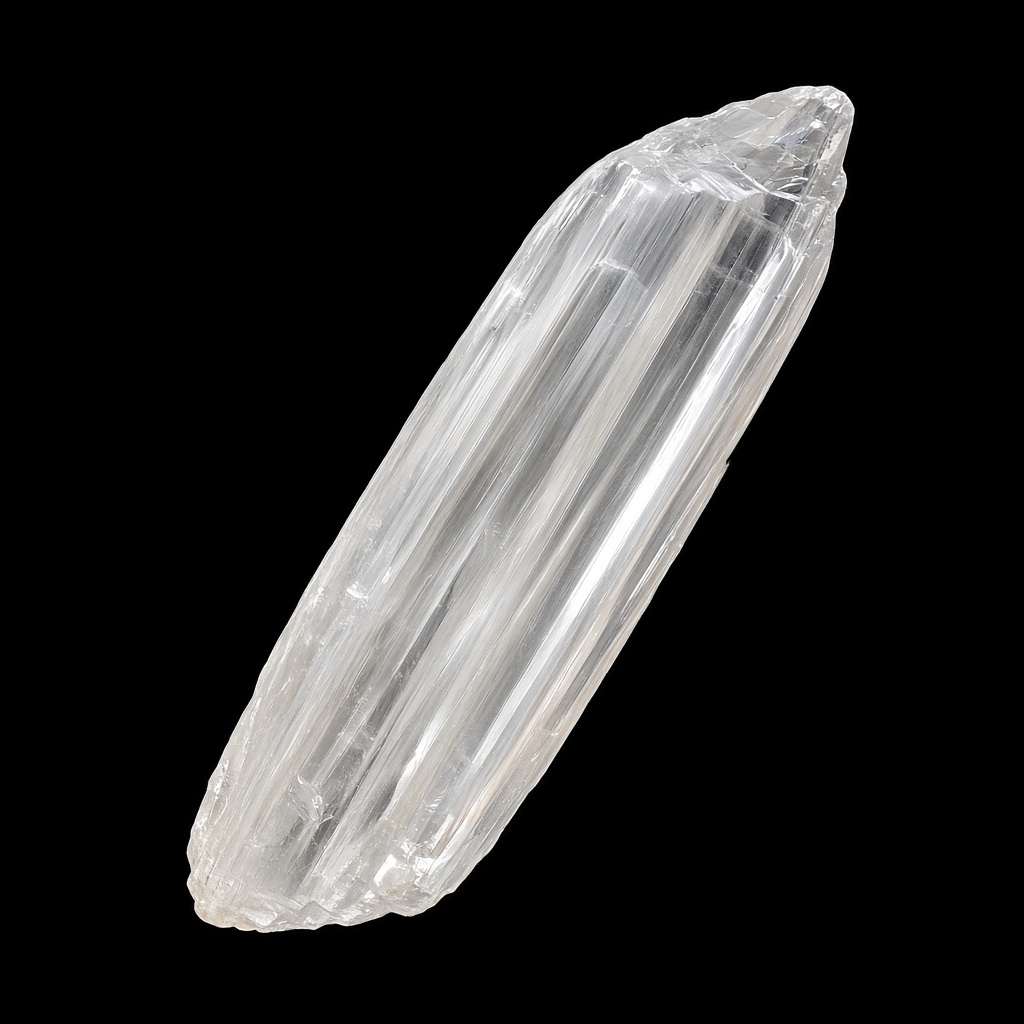
Gypsum is a soft sulfate mineral (CaSO₄·2H₂O) at Mohs 2 — soft enough to scratch with a fingernail. Varieties include clear selenite blades, fibrous satin spar, and massive alabaster, typically from evaporite settings.
About Gypsum
Gypsum is a soft sulfate mineral (CaSO₄·2H₂O) at Mohs 2 — soft enough to scratch with a fingernail. Varieties include clear selenite blades, fibrous satin spar, and massive alabaster, typically from evaporite settings.
Gypsum is filed under minerals in the RockScan directory. Composition: Hydrated calcium sulfate. It forms via evaporite basins and alteration of sulfides. Typical occurrence: Worldwide; Spain, Mexico, USA, Middle East evaporites. For the broader method, see how to identify rock types.
Gypsum properties
| Mohs hardness | 2 |
|---|---|
| Class | mineral |
| Scientific name | CaSO₄·2H₂O |
| Color | Colorless, white, pastel |
| Luster | Vitreous to pearly |
| Crystal system / texture | Monoclinic |
| Composition | Hydrated calcium sulfate |
| Formation | Evaporite basins and alteration of sulfides |
| Occurrence | Worldwide; Spain, Mexico, USA, Middle East evaporites |
How to identify Gypsum
- Mohs 2 — fingernail scratch.
- Often clear/bladed or fibrous.
- No acid fizz (unlike calcite).
Lookalikes to rule out
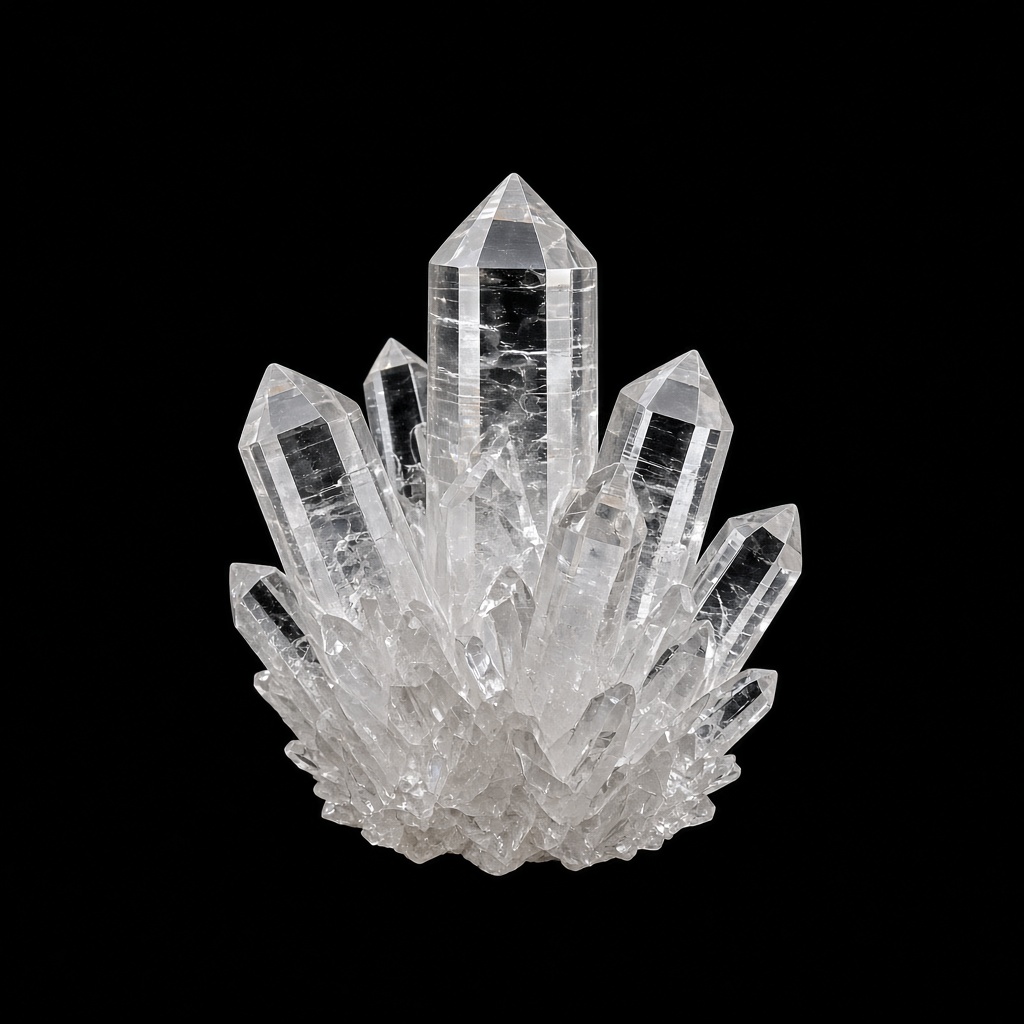
- Quartz: Quartz is Mohs 7; gypsum is Mohs 2 and can be scratched with a fingernail.
- Calcite: Calcite fizzes with acid and is Mohs 3; gypsum does not fizz and is softer.
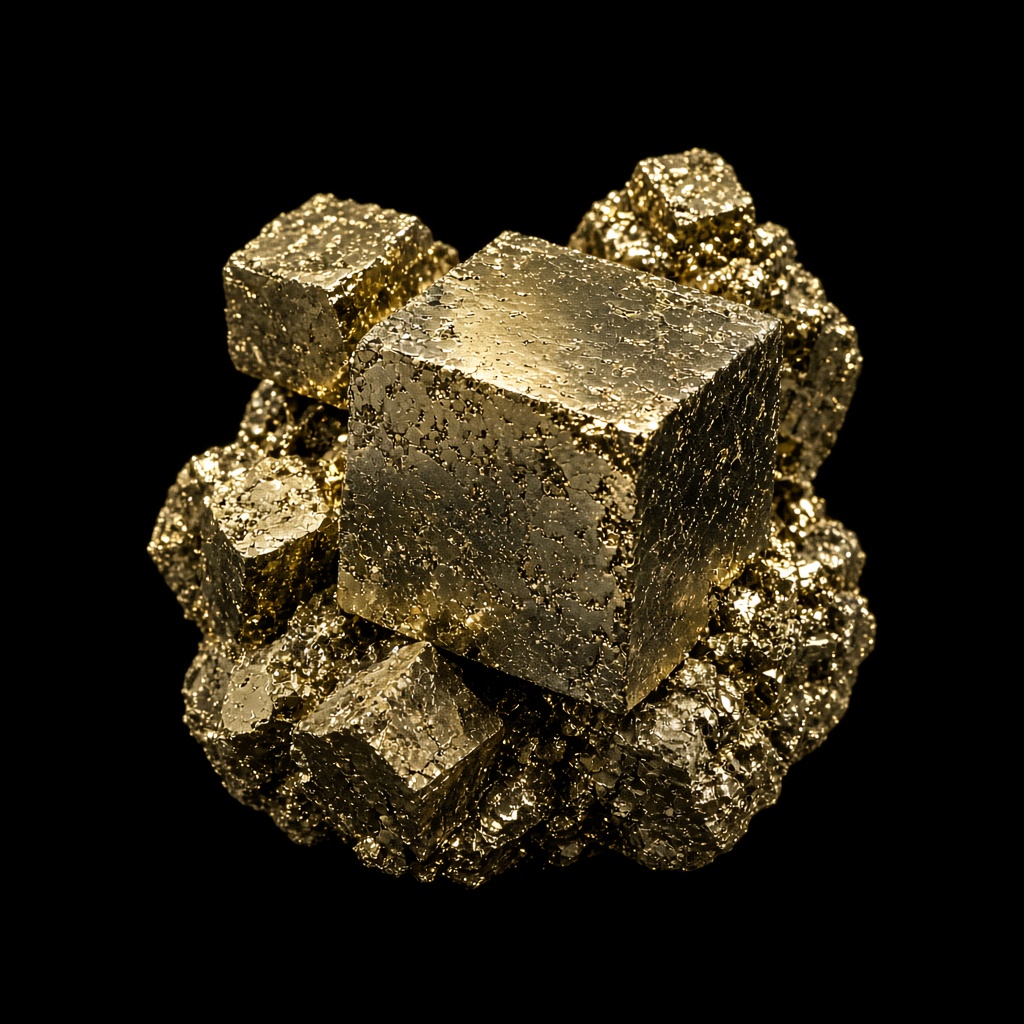
- Halite: Halite tastes salty and forms cubes; gypsum is not salty and often forms blades/roses.
Photo tips for Gypsum ID
- Show cleavage sheets or desert-rose habits.
- Softness demo photo (fingernail) if appropriate.
- Translucent selenite needs soft backlight.
Snap one specimen in natural light, then open the result in the online studio or the rock identifier app.
Gypsum FAQ
How do you identify gypsum?
Very soft (fingernail), often clear or fibrous, evaporite association. Distinguish from quartz by hardness immediately.
How to identify rock gypsum?
Massive rock gypsum looks pale and soft; scratch and lack of fizz separate it from limestone and quartz-rich rocks.
Is selenite gypsum?
Yes — selenite usually refers to clear crystalline gypsum.
How to identify rock gypsum
“How to identify rock gypsum” and classroom hardness demos both start with softness. Use this checklist so you do not confuse gypsum with quartz or calcite:
- Fingernail test: Mohs 2 — a fingernail scratches gypsum; quartz (7) and most silicates will not.
- Habit: clear/bladed selenite, fibrous satin spar, desert-rose clusters, or fine massive alabaster.
- No acid fizz: unlike calcite, gypsum does not fizz with dilute acid.
- Feel & sheen: pearly to silky on cleavage; can feel slightly soapy on massive pieces.
- Photo + softness note: document habit, then confirm with RockScan — avoid aggressive hardness tests on display blades.
Gypsum vs quartz vs calcite vs halite
- Quartz: Mohs 7 and vitreous; gypsum is Mohs 2 and fingernail-soft.
- Calcite: Mohs 3 and fizzes with acid; gypsum is softer and does not fizz.
- Halite: Cubic cleavage and salty taste; gypsum is not salty and often bladed or fibrous.
Photo tips for gypsum and selenite
Soft backlight for translucent selenite, side light for cleavage sheets or desert-rose petals, and a careful softness reference if appropriate. Compare quartz and classroom carbonate lookalikes, then confirm in the online studio or rock identifier app.
Related minerals to compare
Browse all: rocks · minerals · crystals · directory · what rock is this · rock vs mineral vs crystal. Confirm with the online studio or rock identifier app.