Mineral guide
How to Identify Barite
BaSO₄
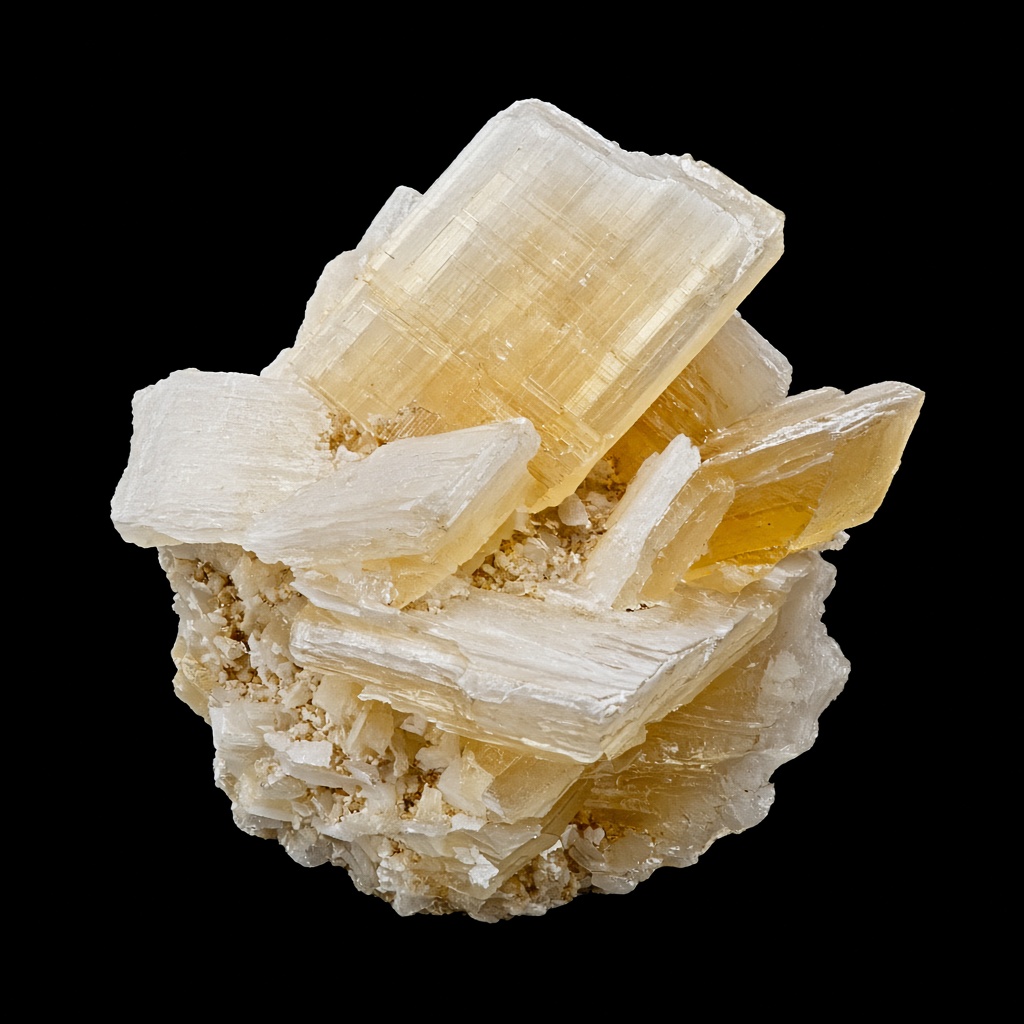
Barite is barium sulfate (BaSO₄) forming bladed, tabular, and rosette crystals with vitreous-to-pearly luster. Identify it by unusually high density (SG ~4.5 — heavy in hand), Mohs 3–3.5, and blade aggregates that look light but heft like metal ore.
About Barite
Barite is barium sulfate (BaSO₄) forming bladed, tabular, and rosette crystals with vitreous-to-pearly luster. Identify it by unusually high density (SG ~4.5 — heavy in hand), Mohs 3–3.5, and blade aggregates that look light but heft like metal ore.
Barite is filed under minerals in the RockScan directory. Composition: Barium sulfate. It forms via hydrothermal veins and sedimentary deposits. Typical occurrence: China, India, USA, Morocco, UK. For the broader method, see how to identify rock types.
Barite properties
| Mohs hardness | 3–3.5 |
|---|---|
| Class | mineral |
| Scientific name | BaSO₄ |
| Color | Colorless, white, blue, brown |
| Luster | Vitreous to pearly |
| Crystal system / texture | Orthorhombic |
| Composition | Barium sulfate |
| Formation | Hydrothermal veins and sedimentary deposits |
| Occurrence | China, India, USA, Morocco, UK |
How to identify Barite
- Heavy for its size (SG ~4.5) — the defining hand test.
- Bladed/tabular crystals and desert-rose rosettes.
- Mohs 3–3.5; no acid fizz (rules out calcite).
Lookalikes to rule out
- Calcite: Calcite is much lighter (SG ~2.7) and fizzes in acid; barite feels strikingly heavy (SG ~4.5) and stays silent.
- Celestine: Celestine runs paler blue with lower density and a red flame tint; barite gives a green flame and heavier heft.
- Gypsum: Gypsum is lighter and softer (Mohs 2); barite blades reach 3–3.5 and feel far denser.
Photo tips for Barite ID
- Show bladed rosettes and tabular books edge-on; barite habit photographs best at an angle.
- Include a heft cue — barite's surprising weight is part of the story, so note specimen size.
- Shoot blue, white, and brown color variants in neutral light; color alone never diagnoses barite.
Snap one specimen in natural light, then open the result in the online studio or the rock identifier app.
Barite FAQ
How do you identify barite?
Lift it — surprising heft plus bladed crystals at Mohs 3–3.5 with no acid fizz points to barite. Calcite is lighter and fizzes.
Barite vs celestine?
Celestine is lighter, often sky-blue, with a crimson flame tint; barite is denser with a green flame tint.
What are barite roses?
Rosette aggregates of bladed crystals, famous from Oklahoma, where sand inclusions shape the rose forms.
How to identify barite
Bladed white minerals all look alike in photos, so barite ID starts with weight, not color. Work this list:
- Heft test: SG ~4.5 feels shockingly heavy next to calcite or gypsum of the same size.
- Blade habit: tabular books and rosette sprays with pearly cleavage faces.
- Hardness 3–3.5: a coin scratches it; a fingernail does not — between gypsum and fluorite.
- No fizz: dilute acid stays silent, ruling out calcite and dolomite instantly.
- Photo confirm: edge-on blade shots with a size reference, then RockScan against celestine and calcite.
Barite vs calcite vs celestine vs gypsum
- Calcite: far lighter with brisk acid fizz; barite is heavy and acid-silent.
- Celestine: lighter sky-blue blades with red flame color; barite burns green and hefts more.
- Gypsum: lighter, softer (Mohs 2), often satiny selenite blades.
Photo tips for barite blades
Angle the light across blade edges so rosette geometry reads; note specimen size to convey heft. Compare calcite, gypsum, and fluorite guides, then confirm in the online studio or rock identifier app.
Related minerals to compare
Browse all: rocks · minerals · crystals · directory · what rock is this · rock vs mineral vs crystal. Confirm with the online studio or rock identifier app.