Mineral guide
How to Identify Chrysocolla
(Cu,Al)₂H₂Si₂O₅(OH)₄·nH₂O
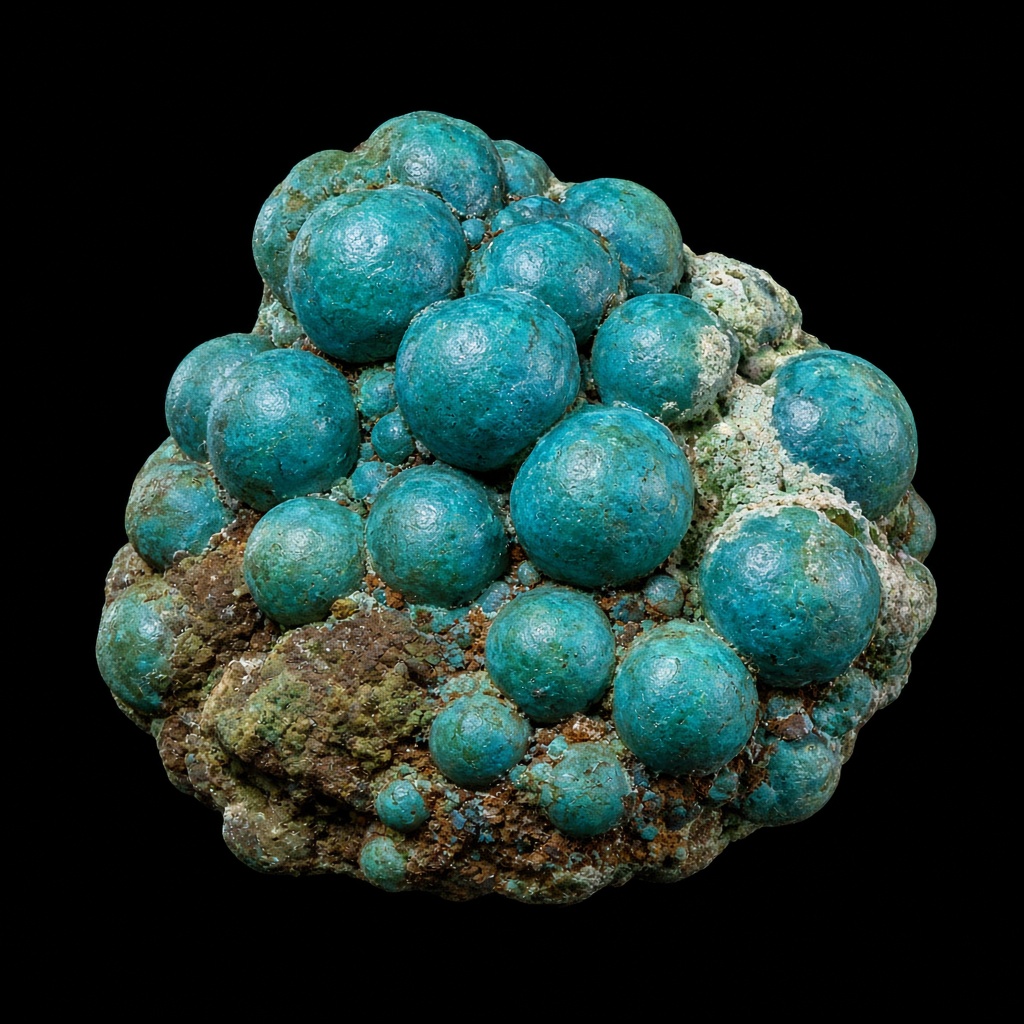
Chrysocolla is a soft blue-to-blue-green hydrated copper silicate forming botryoidal crusts and masses in copper oxidation zones. Identify it by swirled cyan-green color, vitreous-to-earthy luster, Mohs 2–4 softness, and frequent quartz or malachite association.
About Chrysocolla
Chrysocolla is a soft blue-to-blue-green hydrated copper silicate forming botryoidal crusts and masses in copper oxidation zones. Identify it by swirled cyan-green color, vitreous-to-earthy luster, Mohs 2–4 softness, and frequent quartz or malachite association.
Chrysocolla is filed under minerals in the RockScan directory. Composition: Hydrated copper aluminum silicate. It forms via oxidation zones of copper deposits. Typical occurrence: Arizona, Peru, DRC, Israel (Eilat stone mixes). For the broader method, see how to identify rock types.
Chrysocolla properties
| Mohs hardness | 2–4 |
|---|---|
| Class | mineral |
| Scientific name | (Cu,Al)₂H₂Si₂O₅(OH)₄·nH₂O |
| Color | Blue to blue-green |
| Luster | Vitreous to earthy |
| Crystal system / texture | Orthorhombic (cryptocrystalline) |
| Composition | Hydrated copper aluminum silicate |
| Formation | Oxidation zones of copper deposits |
| Occurrence | Arizona, Peru, DRC, Israel (Eilat stone mixes) |
How to identify Chrysocolla
- Swirled blue to blue-green botryoidal crusts and masses.
- Soft (2–4) — easily scratched, often stabilized for jewelry.
- Copper-mine association: quartz, malachite, or azurite nearby.
Lookalikes to rule out
- Turquoise: Turquoise is harder (5–6) with a waxy opaque sky-blue and dark matrix; chrysocolla is softer (2–4) with glassier blue-green crusts.
- Malachite: Malachite is vividly banded green; chrysocolla runs blue to blue-green in botryoidal crusts, often mixed with quartz.
- Chrysoprase: Chrysoprase is hard nickel chalcedony (~7) with even apple-green color; chrysocolla is soft with swirled blue-green patterns.
Photo tips for Chrysocolla ID
- Shoot botryoidal bubbles and swirled blue-green patterns in close-up; texture sells the ID.
- Include quartz or copper-matrix context — chrysocolla rarely appears alone.
- Use neutral white balance; auto modes push chrysocolla blue too far toward turquoise.
Snap one specimen in natural light, then open the result in the online studio or the rock identifier app.
Chrysocolla FAQ
How do you identify chrysocolla?
Look for soft blue-green swirled crusts from copper zones. Turquoise is harder and more opaque; chrysoprase is far harder chalcedony.
Chrysocolla vs turquoise?
Turquoise (5–6) resists scratching with waxy sky-blue; chrysocolla (2–4) scratches easily with glassier blue-green swirls.
Why is chrysocolla often mixed with quartz?
It forms as silica-rich copper solutions coat fractures — gem silica (chrysocolla chalcedony) is the prized quartz-rich mix.
How to identify chrysocolla
Blue-green copper minerals confuse buyers, and softness is the fastest sorter. Run this copper-zone checklist:
- Swirled cyan-green: blue to blue-green botryoidal patterns, often marbled with brown matrix or clear quartz.
- Soft touch: Mohs 2–4 — a pin or knife marks it where turquoise and chrysoprase resist.
- Crust habit: bubbles, crusts, and fracture coatings rather than turquoise-style nodules.
- Copper company: malachite green, azurite blue, or quartz nearby confirm oxidation-zone origin.
- Photo confirm: macro of swirls with neutral white balance, then RockScan against turquoise and malachite.
Chrysocolla vs turquoise vs malachite vs chrysoprase
- Turquoise: harder, waxier, more opaque sky-blue with dark matrix veins.
- Malachite: vivid banded green with vitreous polish; chrysocolla stays blue-green and softer.
- Chrysoprase: even apple-green hard chalcedony (~7) with no copper-zone swirls.
Photo tips for chrysocolla swirls
Macro light across botryoidal bubbles shows texture that flat scans miss; lock white balance for honest cyan. Compare turquoise, malachite, and azurite guides, then confirm in the online studio or rock identifier app.
Related minerals to compare
Browse all: rocks · minerals · crystals · directory · what rock is this · rock vs mineral vs crystal. Confirm with the online studio or rock identifier app.