Crystal & mineral guide
Tourmaline
Complex borosilicate group
Strongly pleochroic gem group spanning virtually every color.
Identify Tourmaline with RockScanAbout Tourmaline
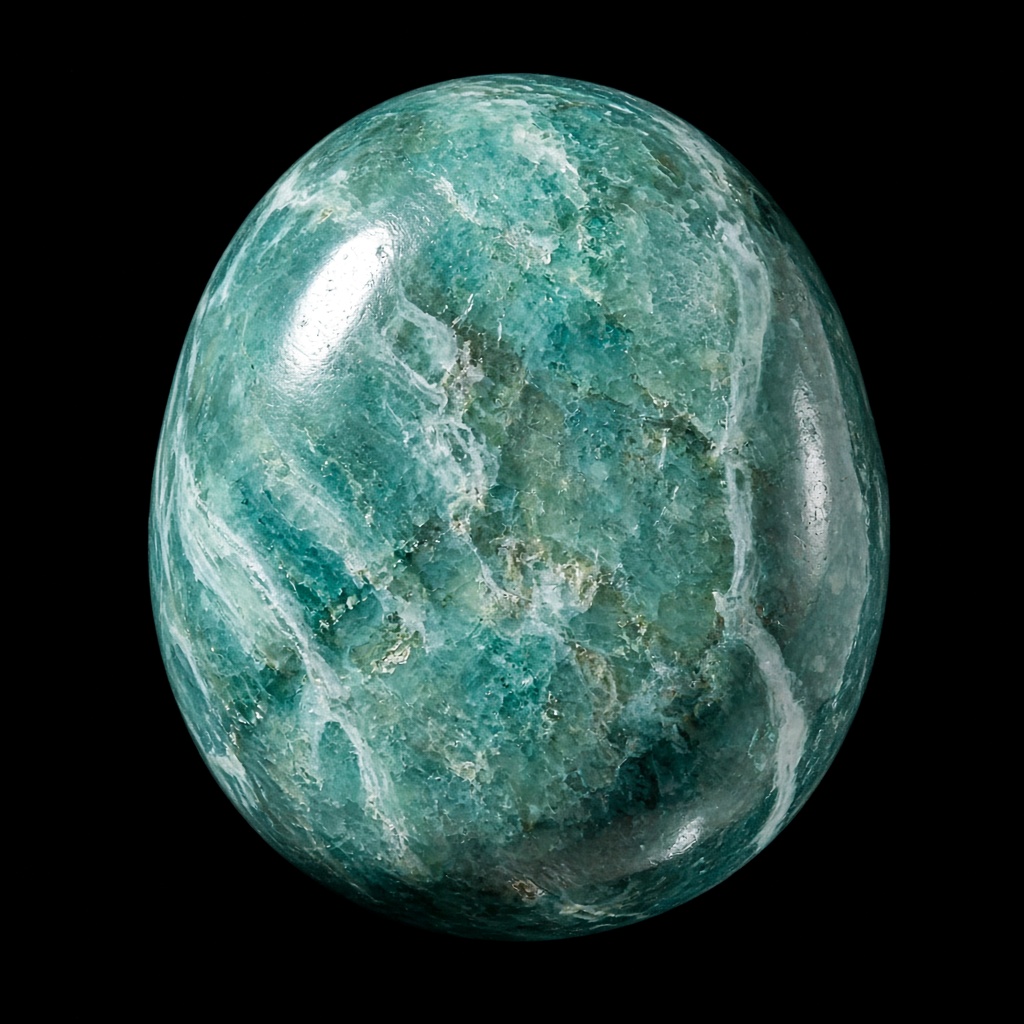
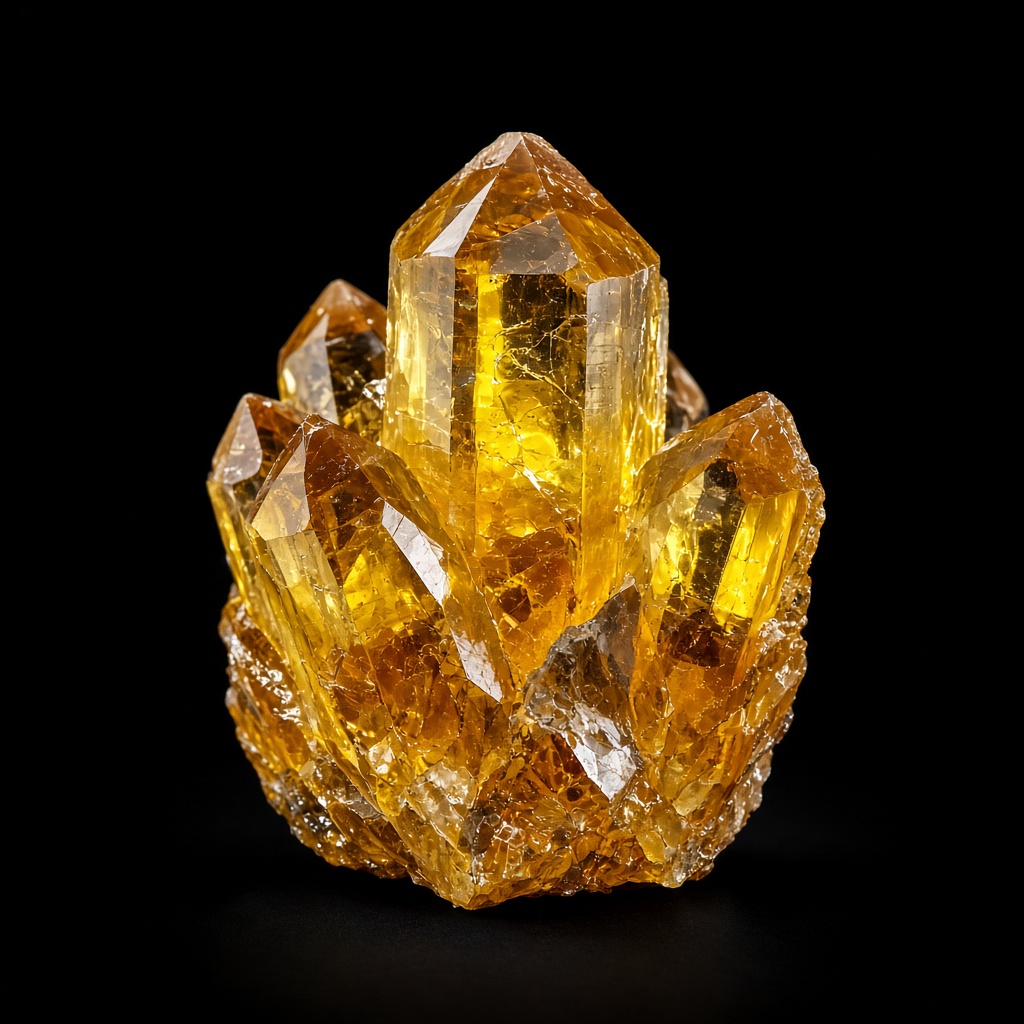
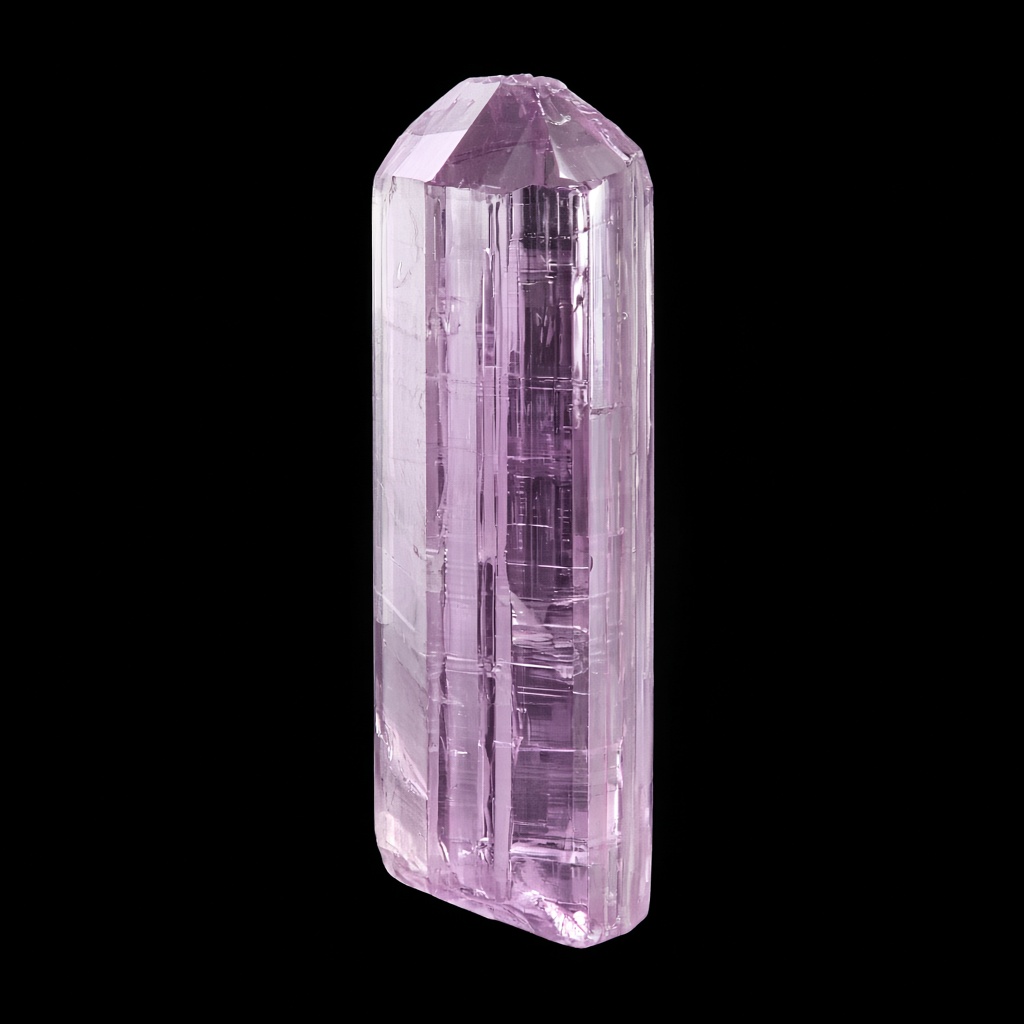
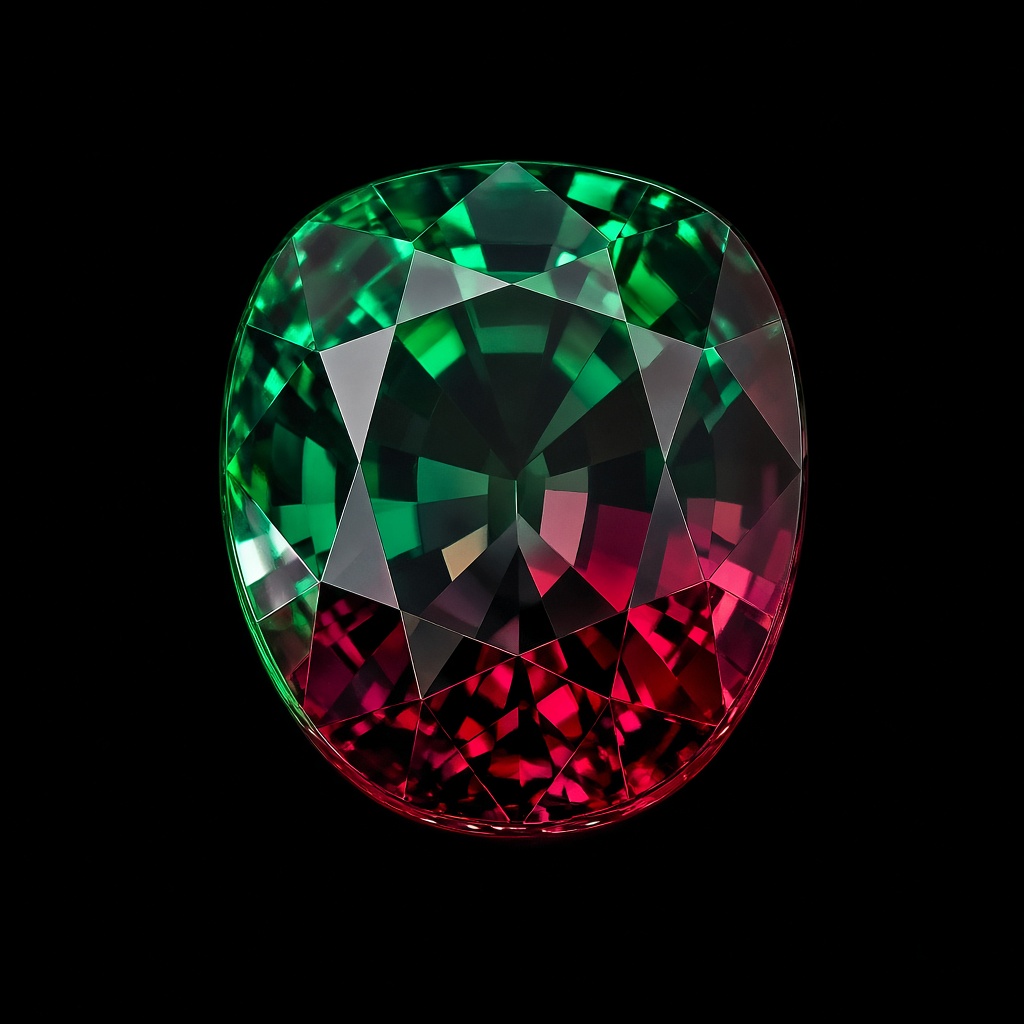
Tourmaline's color range includes rubellite (red), indicolite (blue), and Paraíba (neon blue-green from copper). Strong pleochroism and trigonal prismatic striations aid ID. Popular in both Western and Middle Eastern fancy-color markets.
Tourmaline belongs in a crystal identifier workflow because photo cues — color zoning, crystal habit, and surface luster — combine with measurable traits like Mohs 7–7.5 and specific gravity 3.02–3.26. Use RockScan’s camera to get a first-pass ID, then confirm with the checklist below.
Tourmaline properties
| Mohs hardness | 7–7.5 |
|---|---|
| Crystal system | Trigonal |
| Luster | Vitreous |
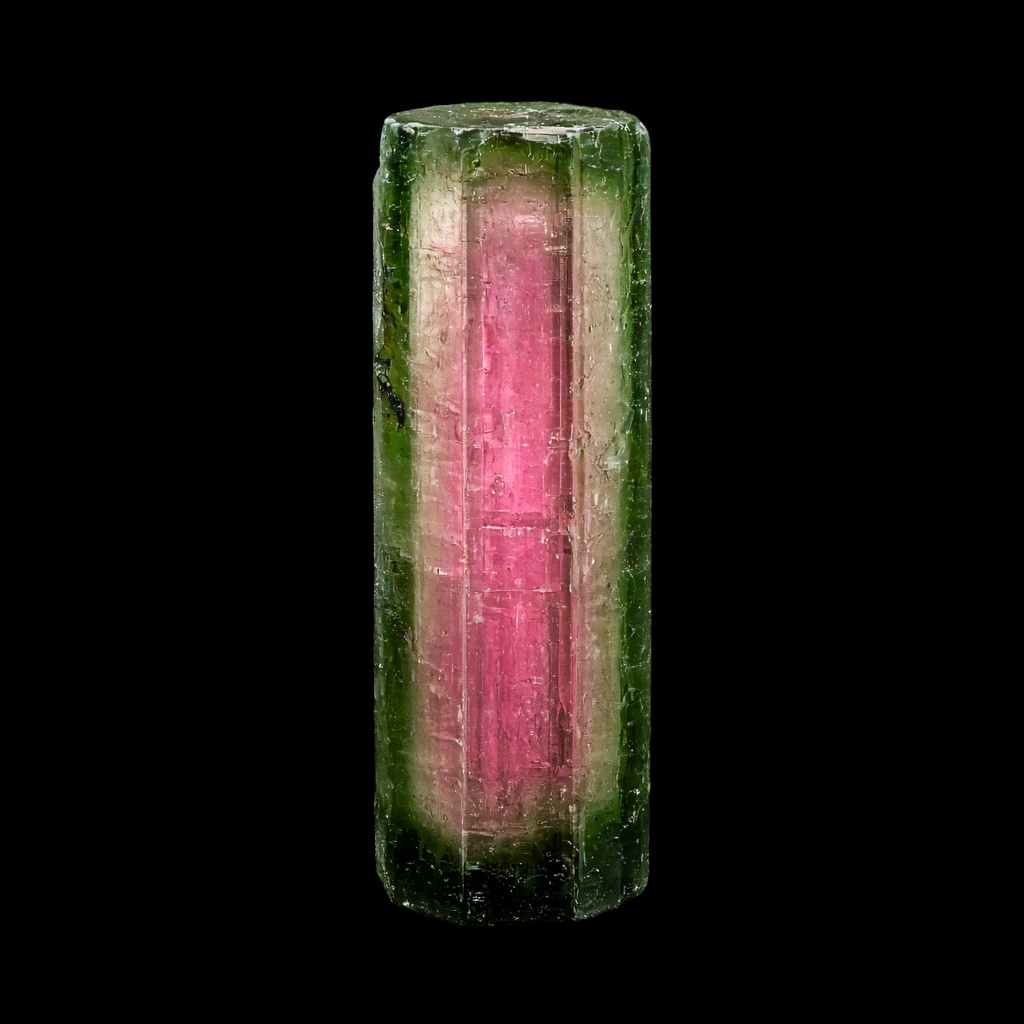
| Color | All colors; watermelon zoning common |
| Composition | Cyclosilicate borosilicates (elbaite, schorl, etc.) |
| Formation | Pegmatites and metamorphic rocks |
| Occurrence | Brazil, Afghanistan, Nigeria, Mozambique, USA |
| Specific gravity | 3.02–3.26 |
| Cleavage | Poor |
How to identify Tourmaline
- Vertical striations on prism faces
- Strong pleochroism
- Triangular cross-sections common
Collector notes
- Paraíba tourmaline can exceed sapphire prices per carat
- Schorl is the common black tourmaline
Value context: Cuprian Paraíba and fine rubellite lead the price curve.
Tourmaline FAQ
How do you identify Tourmaline?
Tourmaline (Complex borosilicate group) is typically recognized by all colors; watermelon zoning common color, vitreous luster, Mohs hardness 7–7.5, and trigonal crystal system. RockScan can suggest Tourmaline from a photo and surface these checks on the result card.
What is Tourmaline made of?
Tourmaline composition: Cyclosilicate borosilicates (elbaite, schorl, etc.). It forms via pegmatites and metamorphic rocks and is found in Brazil, Afghanistan, Nigeria, Mozambique, USA.
Is Tourmaline valuable?
Cuprian Paraíba and fine rubellite lead the price curve.