Rock guide
How to Identify Obsidian
Volcanic glass (felsic)
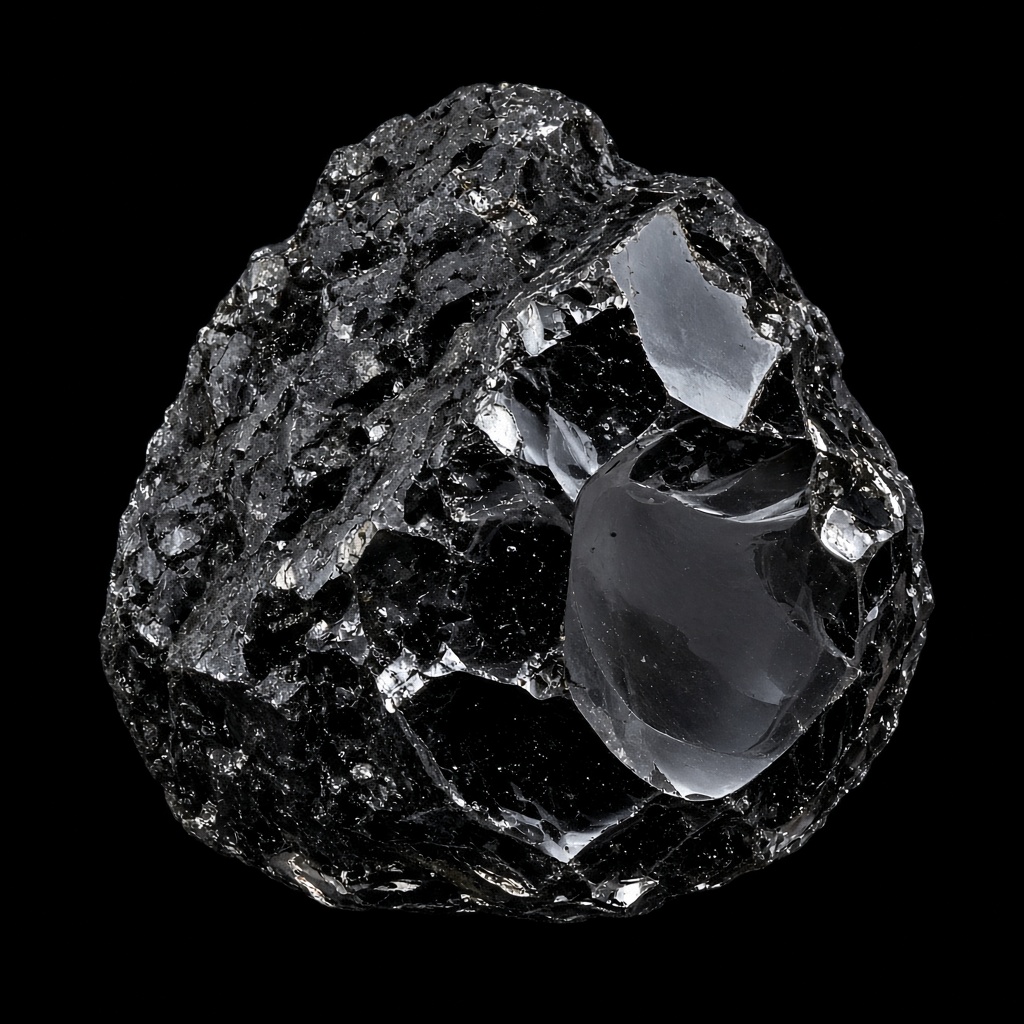
Obsidian is natural volcanic glass that cooled too quickly for crystals to grow. Fresh surfaces show glassy luster and curved (conchoidal) fracture; thin edges may look translucent grey-brown even when the mass looks jet black.
About Obsidian
Obsidian is natural volcanic glass that cooled too quickly for crystals to grow. Fresh surfaces show glassy luster and curved (conchoidal) fracture; thin edges may look translucent grey-brown even when the mass looks jet black.
Obsidian is filed under rocks in the RockScan directory. Composition: Silica-rich volcanic glass. It forms via rapid cooling of high-silica lava. Typical occurrence: USA (Oregon, California), Mexico, Iceland, Japan. For the broader method, see how to identify rock types.
Obsidian properties
| Mohs hardness | 5–5.5 |
|---|---|
| Class | rock |
| Scientific name | Volcanic glass (felsic) |
| Color | Black; also mahogany, snowflake, rainbow |
| Luster | Vitreous |
| Crystal system / texture | Amorphous |
| Composition | Silica-rich volcanic glass |
| Formation | Rapid cooling of high-silica lava |
| Occurrence | USA (Oregon, California), Mexico, Iceland, Japan |
How to identify Obsidian
- Glassy luster + curved fracture chips.
- Usually black to dark brown; translucent on thin edges.
- Mohs around 5–5.5; scratches glass with difficulty relative to quartz.
Lookalikes to rule out
- Basalt glass / tachylite: True obsidian is typically jet to dark with sharp conchoidal chips; weathered basalt is duller and grainier.
- Man-made glass slag: Slag often has odd colors, bubbles in sheets, or embedded metal; natural obsidian is more uniform dark glass.
- Tourmaline (black): Tourmaline forms crystals with triangular cross-sections; obsidian is amorphous glass without crystal faces.
Photo tips for Obsidian ID
- Catch a reflection on a fresh conchoidal chip — glass shine is diagnostic.
- Photograph the edge thickness; thin edges may look translucent grey-brown.
- Include snowflake or banding patterns if present (variety cues).
Snap one specimen in natural light, then open the result in the online studio or the rock identifier app.
Obsidian FAQ
How do you identify obsidian rock?
Look for volcanic glass: shiny fracture, curved chips, and dark color. It is denser than pumice and lacks crystal faces.
Is obsidian a mineral?
No — it is a rock (volcanic glass) without a crystalline mineral structure.
Obsidian vs black basalt?
Basalt looks stony/fine-grained; obsidian looks like glass and breaks in curved shells.
How to identify obsidian
Dark glass-like rocks get labeled obsidian, flint, or basalt interchangeably. Use this checklist for true volcanic glass:
- Glassy luster: fresh surfaces look like glass with curved, shell-like fracture chips.
- Color & translucency: usually black to dark brown; thin edges can transmit grey-brown light.
- No crystals: quenched melt — not interlocking mineral grains like basalt.
- Hardness ~5–5.5: scratches glass with more difficulty than quartz; still brittle and sharp.
- Photo the chip: catch a reflection on a fresh conchoidal edge, then RockScan against flint and basalt.
Obsidian vs flint vs basalt vs slag
- Flint / chert: Sedimentary silica with possible pale cortex; obsidian is volcanic glass without chalk rind.
- Basalt: Fine crystalline igneous rock, duller and grainier — not true glass chips.
- Man-made glass slag: Odd colors, sheet bubbles, or embedded metal suggest industrial slag, not natural obsidian.
Photo tips for obsidian
Photograph a fresh conchoidal chip for glass shine, show edge translucency, and include snowflake or banding varieties if present. Compare flint, basalt, and pumice, then confirm in the online studio or rock identifier app.
Related rocks to compare
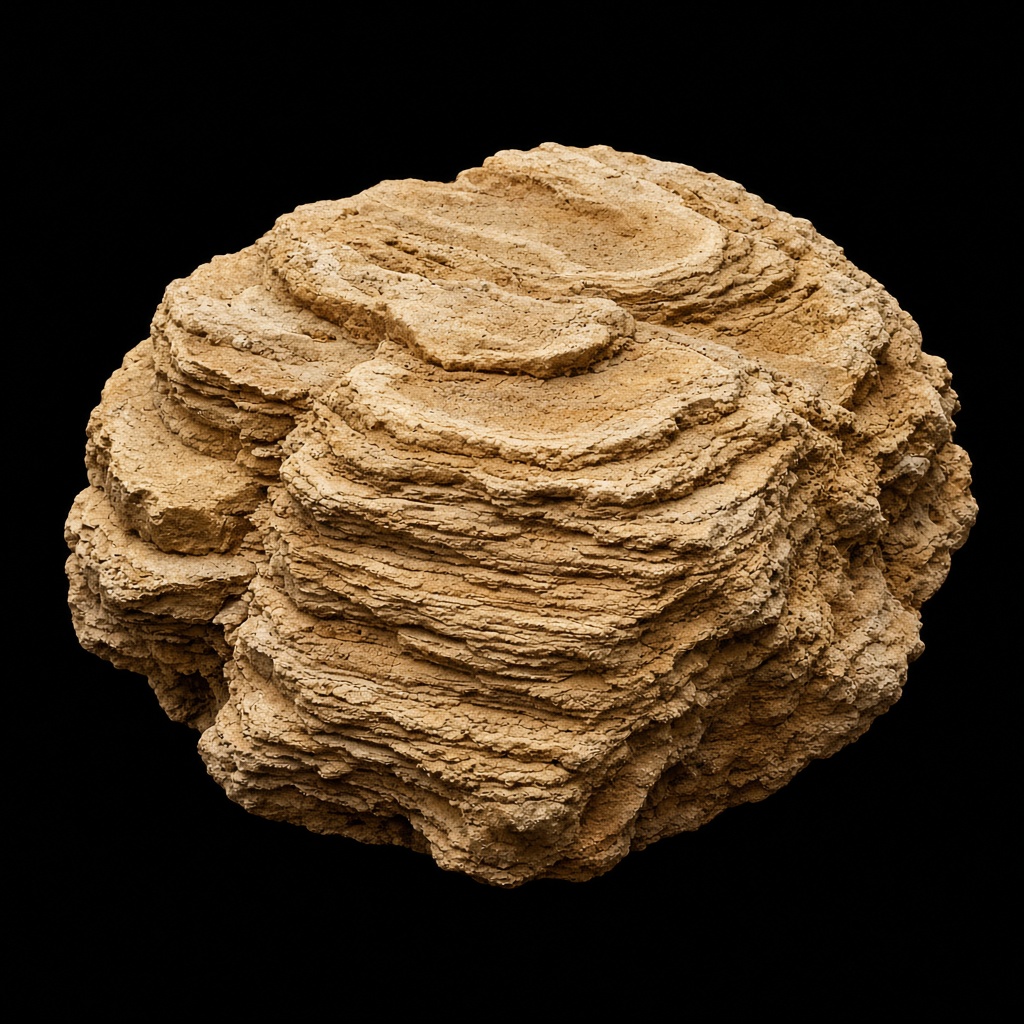
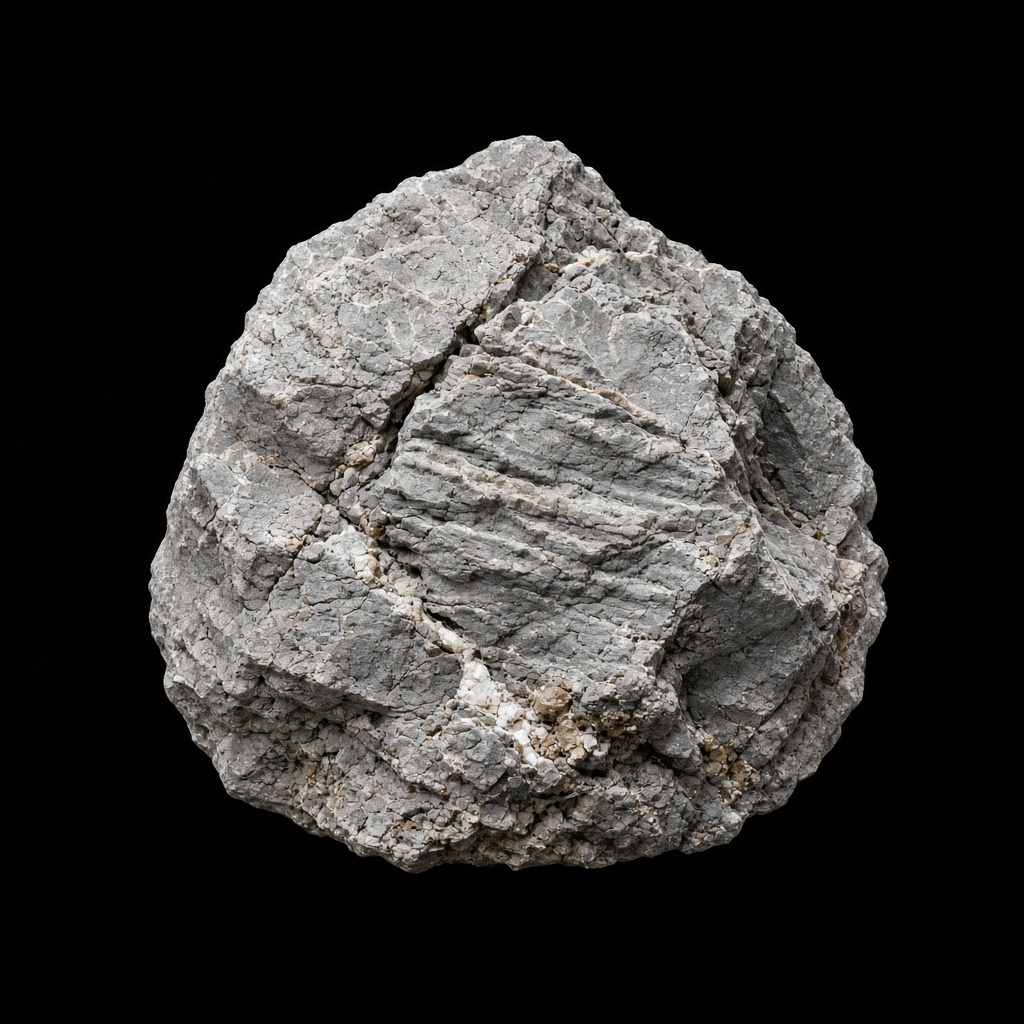
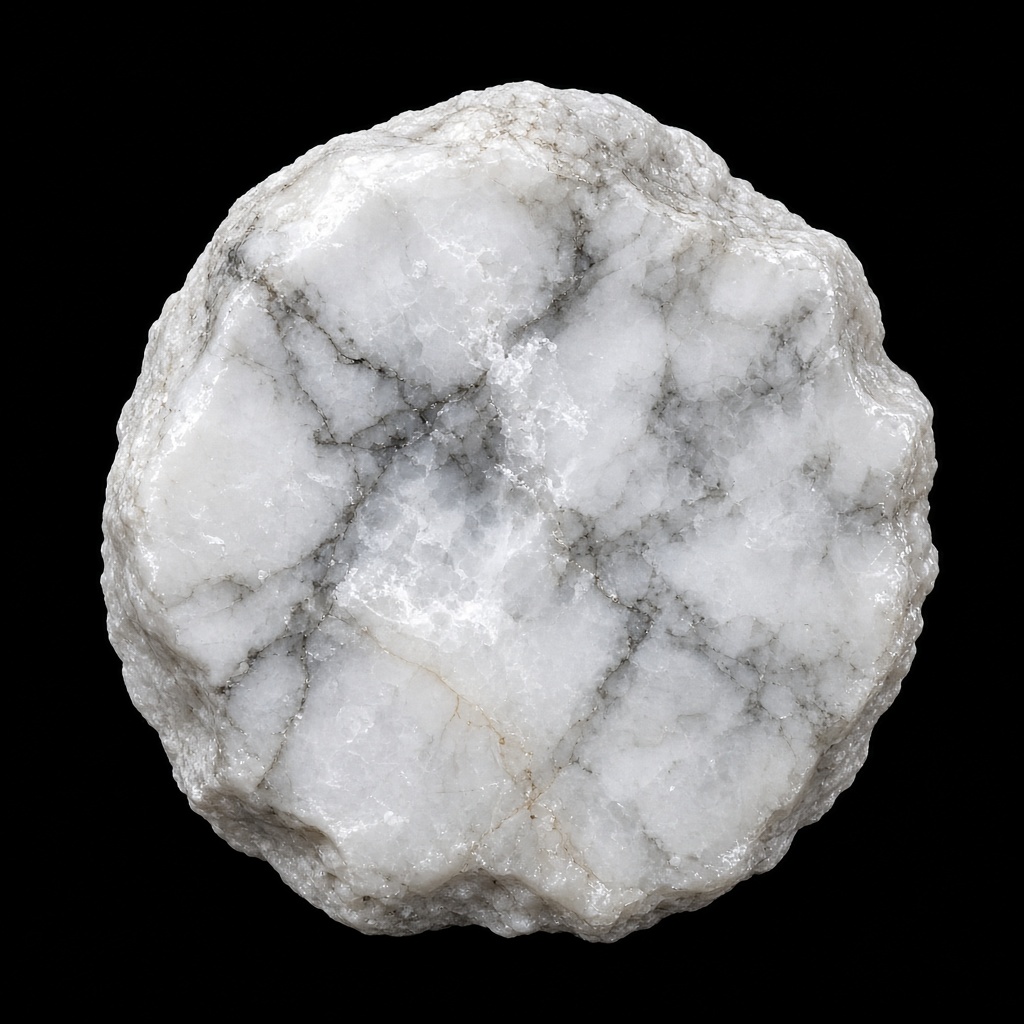
Browse all: rocks · minerals · crystals · directory · what rock is this · rock vs mineral vs crystal. Confirm with the online studio or rock identifier app.