Rock guide
How to Identify Marble
Metamorphosed limestone/dolostone
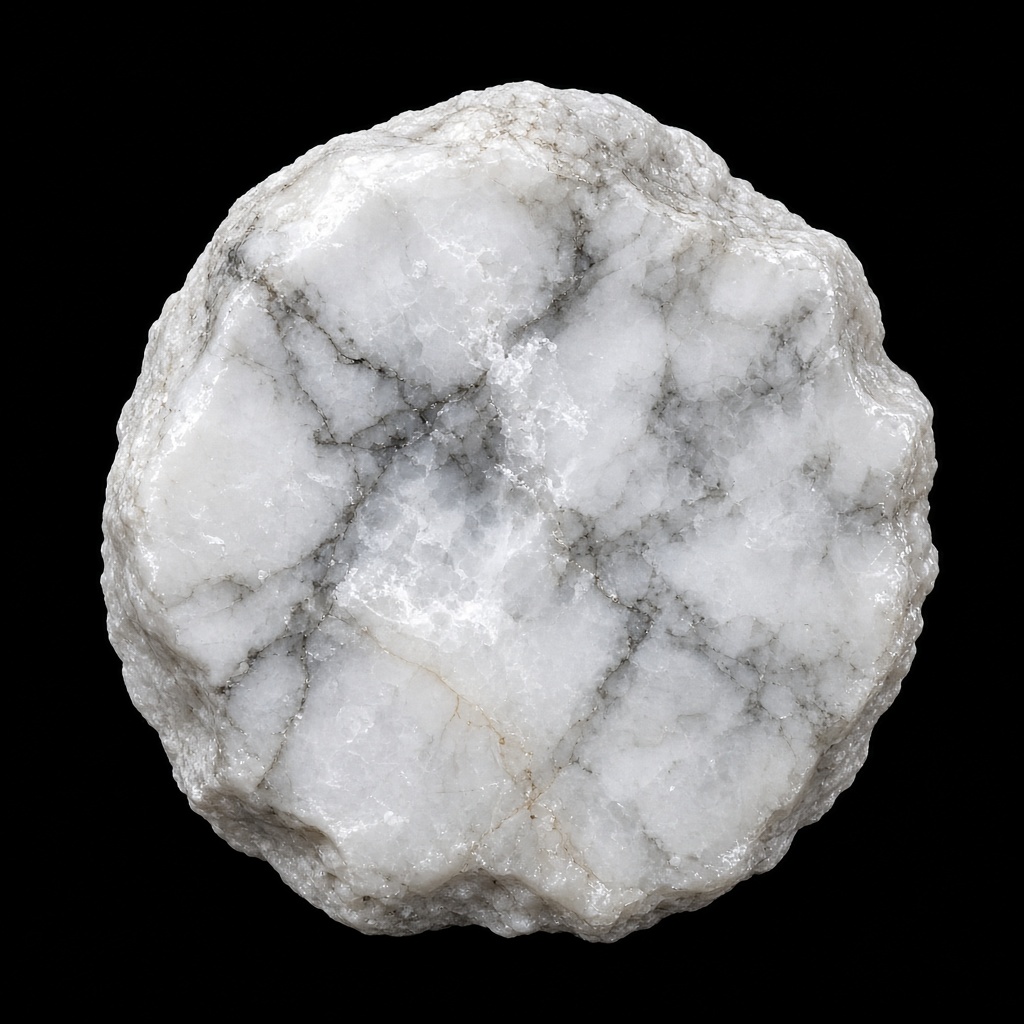
Marble is metamorphosed limestone (or similar carbonate) with a sugary, recrystallized texture. Identify it by even sparkle on a broken face, ability to take polish, Mohs ~3–4, and absence of clear sedimentary fossils compared with limestone.
About Marble
Marble is metamorphosed limestone (or similar carbonate) with a sugary, recrystallized texture. Identify it by even sparkle on a broken face, ability to take polish, Mohs ~3–4, and absence of clear sedimentary fossils compared with limestone.
Marble is filed under rocks in the RockScan directory. Composition: Recrystallized calcite or dolomite. It forms via contact or regional metamorphism of carbonate rocks. Typical occurrence: Italy (Carrara), Turkey, Greece, UAE/Oman mountains, worldwide. For the broader method, see how to identify rock types.
Marble properties
| Mohs hardness | 3–4 (aggregate) |
|---|---|
| Class | rock |
| Scientific name | Metamorphosed limestone/dolostone |
| Color | White, gray, colored veining |
| Luster | Vitreous to pearly |
| Crystal system / texture | Carbonate aggregate |
| Composition | Recrystallized calcite or dolomite |
| Formation | Contact or regional metamorphism of carbonate rocks |
| Occurrence | Italy (Carrara), Turkey, Greece, UAE/Oman mountains, worldwide |
How to identify Marble
- Sugary crystalline texture; often veins.
- Mohs ~3; reacts to acid like limestone.
- Heavier and cooler than many lookalike carvings in plastic/resin.
Lookalikes to rule out
- Limestone: Marble is recrystallized with sugary sparkle; limestone is duller and may show fossils.
- Quartzite: Quartzite is much harder (~7); marble (~3) scratches with a knife.
- Alabaster (gypsum): Alabaster is softer (Mohs 2) and usually warmer/translucent; marble is cooler and denser.
Photo tips for Marble ID
- Side-light polished or broken faces to show crystalline sparkle.
- Capture veins and color swirls without glare blowout.
- Include a known hard reference (steel) only if doing careful field tests — do not damage display pieces.
Snap one specimen in natural light, then open the result in the online studio or the rock identifier app.
Marble FAQ
How do you identify marble?
Look for crystalline calcite texture, veins, and Mohs ~3. It can fizz with acid. Distinguish from quartzite by hardness.
Is marble a metamorphic rock?
Yes. It forms when limestone or dolostone is metamorphosed.
Marble vs quartzite countertops?
Quartzite resists scratches far better. Photo cues help, but a careful hardness check separates them.
How to identify marble rock
“How to identify marble rock” queries usually mean telling marble from limestone or soft gypsum alabaster. Use this checklist:
- Sugary sparkle: broken face shows even recrystallized calcite/dolomite sparkle — not dull limestone mud.
- Hardness: knife scratches easily (~3–4); quartzite (~7) does not.
- Polish cue: takes a polish on cut faces; many limestones stay duller.
- Fossils rare: metamorphism usually destroys clear fossils that limestone may still show.
- Photo first: raking light on a fresh break + polished face if available, then RockScan vs limestone.
Marble vs limestone vs quartzite vs alabaster
- Limestone: duller sedimentary texture; fossils more common; less sugary sparkle.
- Quartzite: much harder (~7), silica not carbonate; knife fails.
- Alabaster (gypsum): softer (Mohs ~2), fingernail may mark; marble is harder carbonate.
Photo tips for marble ID
Raking light to show sugary sparkle; one polished and one broken face if possible. Compare limestone, quartzite, and gypsum, then confirm in the online studio or rock identifier app.
Related rocks to compare
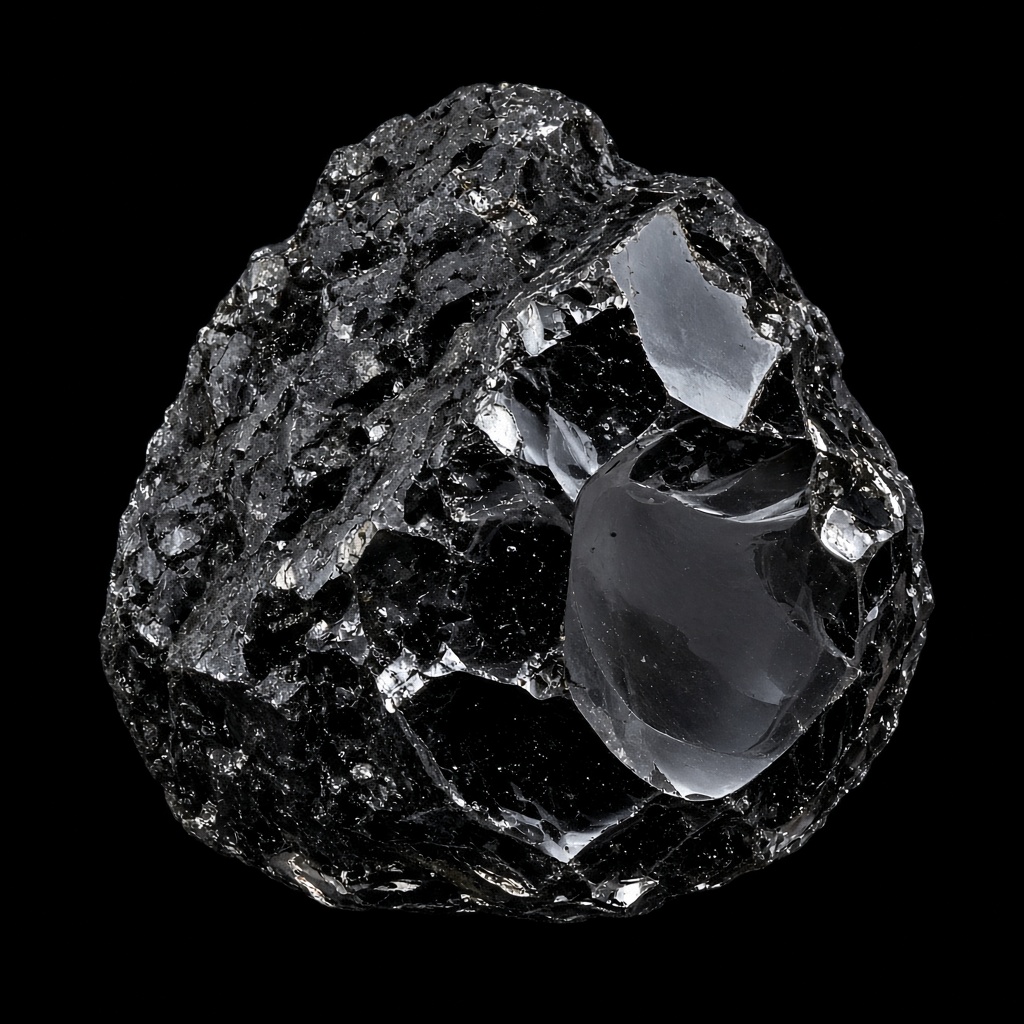
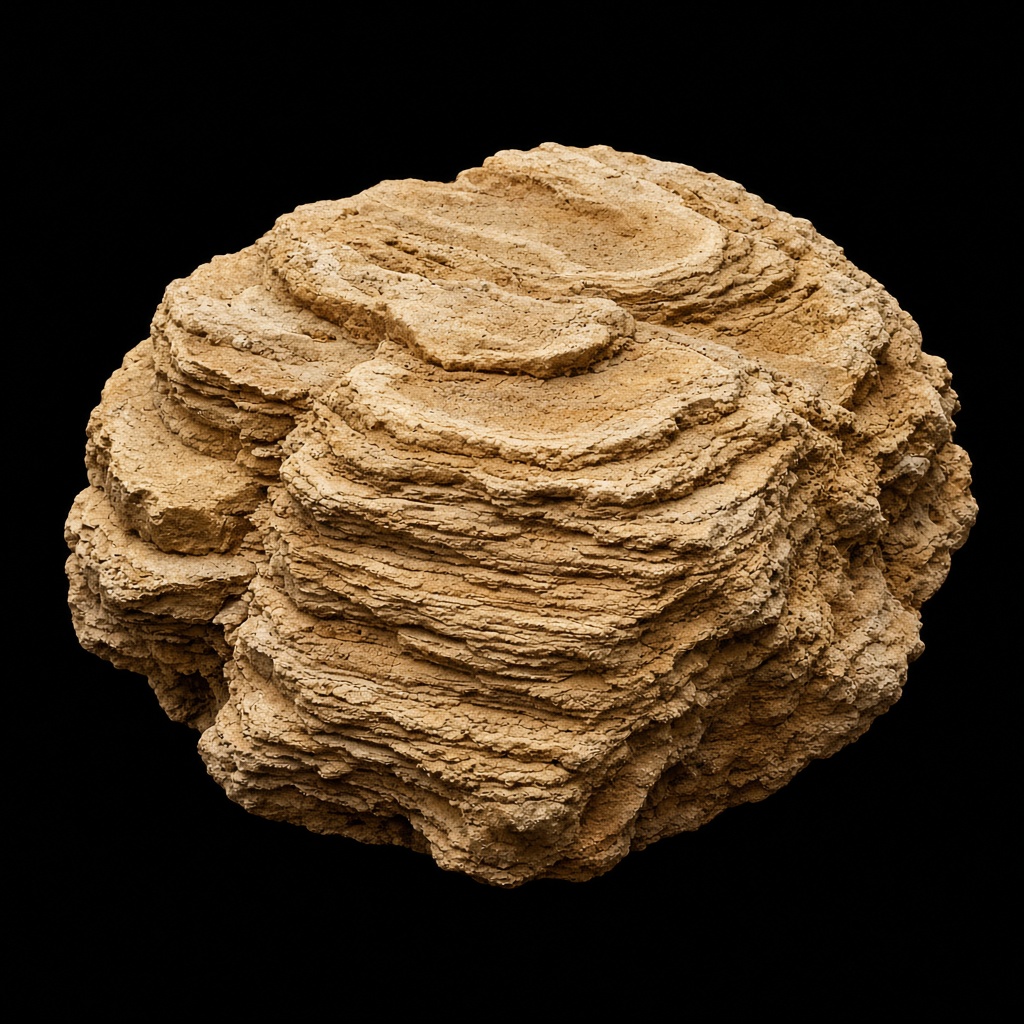
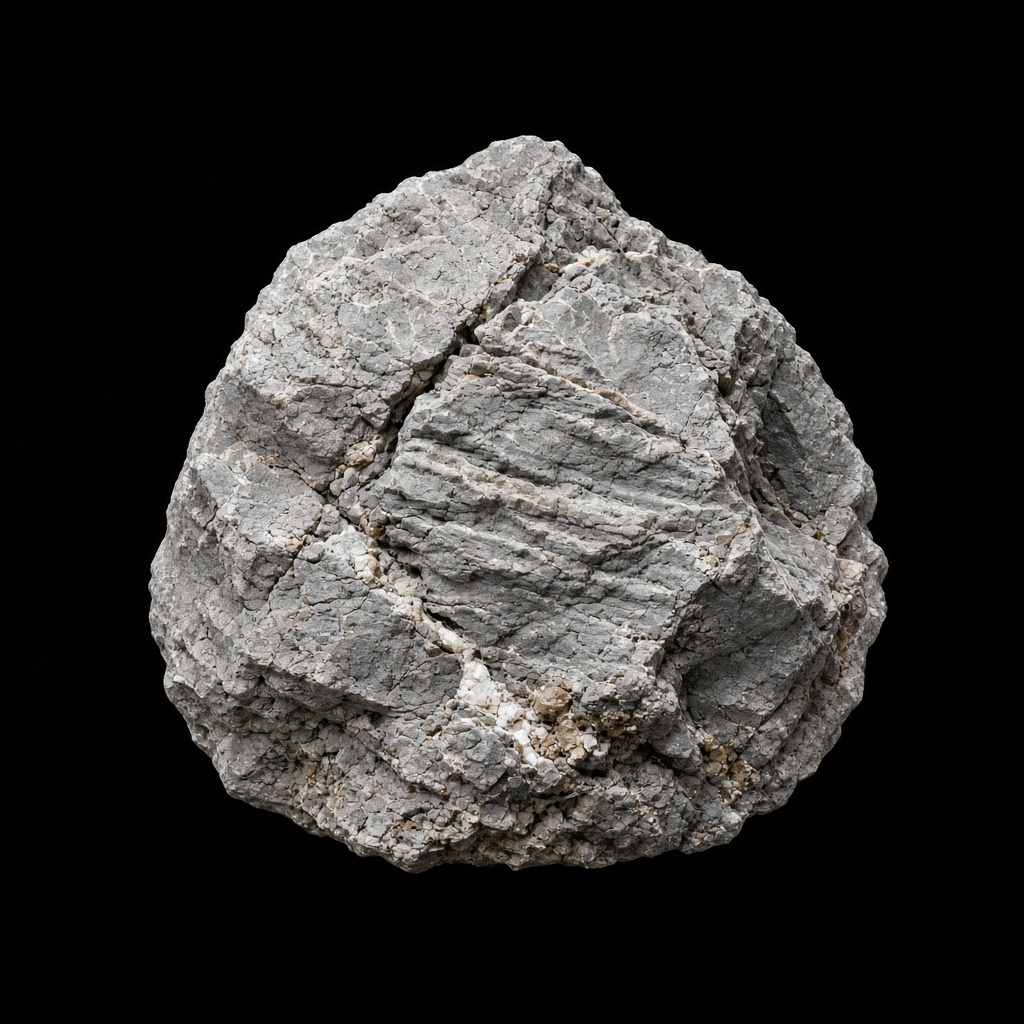
Browse all: rocks · minerals · crystals · directory · what rock is this · rock vs mineral vs crystal. Confirm with the online studio or rock identifier app.