Crystal guide
How to Identify Agate
SiO₂ (banded chalcedony)
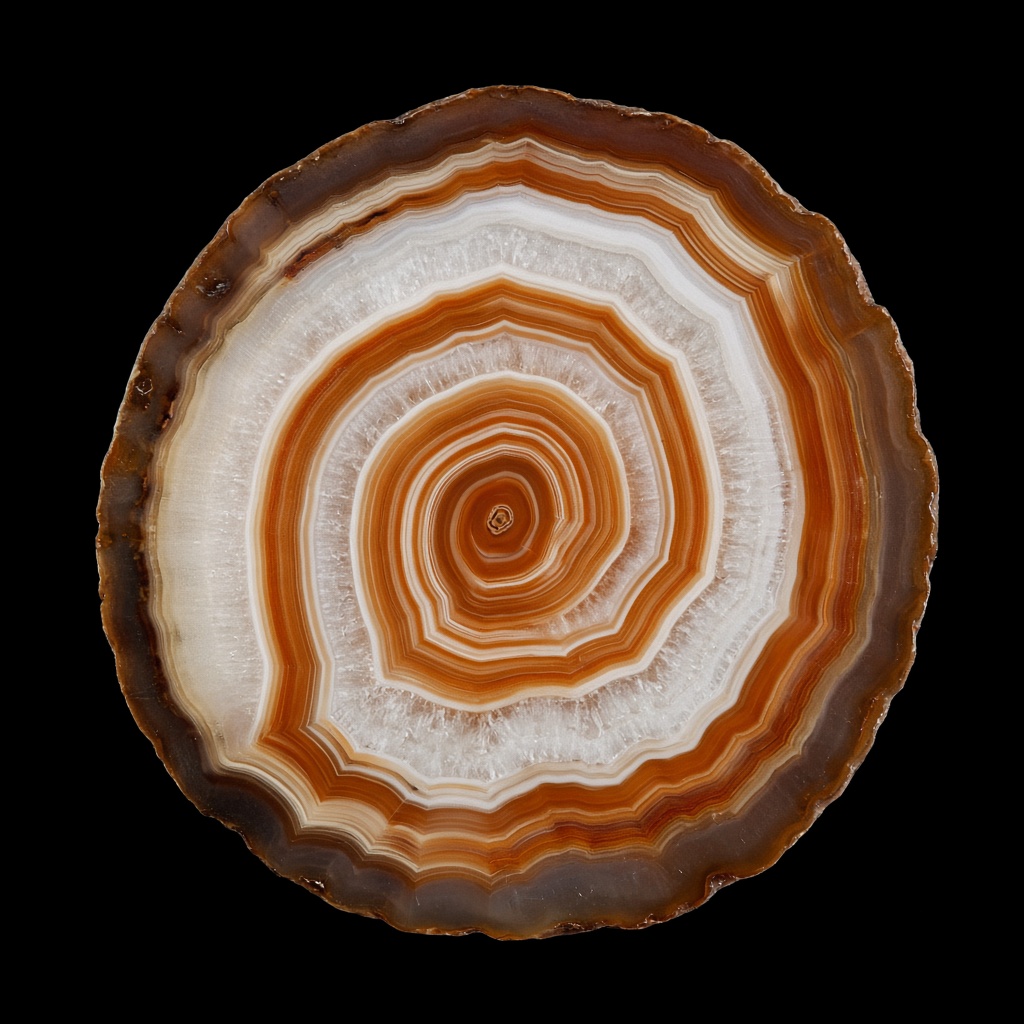
Agate is banded chalcedony — microcrystalline quartz — known for translucent concentric layers that formed in volcanic or sedimentary cavities. Collectors ID it by banding plus silica hardness (~6.5–7), not by color alone.
About Agate
Agate is banded chalcedony — microcrystalline quartz — known for translucent concentric layers that formed in volcanic or sedimentary cavities. Collectors ID it by banding plus silica hardness (~6.5–7), not by color alone.
Agate is filed under crystals in the RockScan directory. Composition: Banded microcrystalline quartz. It forms via silica gels filling cavities in volcanic rock. Typical occurrence: Brazil, Uruguay, India, Botswana, China. For the broader method, see how to identify rock types.
Agate properties
| Mohs hardness | 6.5–7 |
|---|---|
| Class | crystal |
| Scientific name | SiO₂ (banded chalcedony) |
| Color | Multicolor banding; often dyed |
| Luster | Waxy to vitreous |
| Crystal system / texture | Trigonal (microcrystalline) |
| Composition | Banded microcrystalline quartz |
| Formation | Silica gels filling cavities in volcanic rock |
| Occurrence | Brazil, Uruguay, India, Botswana, China |
How to identify Agate
- Translucent banding.
- Mohs ~6.5–7.
- Waxy to vitreous chalcedony luster.
Lookalikes to rule out
- Jasper: Jasper is more opaque/uniformly cryptocrystalline; agate shows translucent banding.
- Onyx (commercial): Naming varies; classic agate is concentrically banded chalcedony.
- Artificial banding: Dyed agate exists — look for unnatural neon colors in pores.
Photo tips for Agate ID
- Backlight translucent bands.
- Macro concentric rings.
- Show both polished and rough if available.
Snap one specimen in natural light, then open the result in the online studio or the rock identifier app.
Agate FAQ
How do you identify an agate rock?
Look for translucent chalcedony banding. Outdoor nodules may need a window polish or wet surface to show bands.
Agate vs jasper?
Agate is typically translucent/banded; jasper is more opaque.
How to identify agate rock outside?
Wet the surface, check for subtle banding and chalcedony texture, and compare hardness near quartz.
How to identify an agate rock
“How to identify an agate rock” searches usually mean outdoor nodules and stream cobbles with layered silica. Use this checklist:
- Banding: concentric or parallel translucent layers of chalcedony — the diagnostic visual.
- Translucency: thin edges or backlighting show light through bands; opaque jasper stays muddy.
- Hardness: Mohs ~6.5–7 (quartz family) — resists a knife and can scratch glass.
- Luster: waxy to vitreous on fresh or polished faces; dull weathered rind is common outdoors.
- Photo first: backlight bands, then confirm with RockScan against jasper, onyx naming, and dyed fakes.
Agate vs jasper vs dyed stone
- Jasper: More opaque and evenly colored cryptocrystalline quartz; lacks clear translucent banding.
- Onyx (commercial naming): Trade names vary; classic agate is concentrically banded chalcedony — judge the banding, not the label.
- Dyed or artificial banding: Unnaturally neon colors or dye pools in fractures suggest treatment — check untreated areas and hardness.
Photo tips for agate banding
Backlight translucent bands, shoot a macro of concentric rings, and include rough plus polished faces if you have both. Compare jasper, geode linings, and quartz, then confirm in the online studio or rock identifier app.
Related crystals to compare
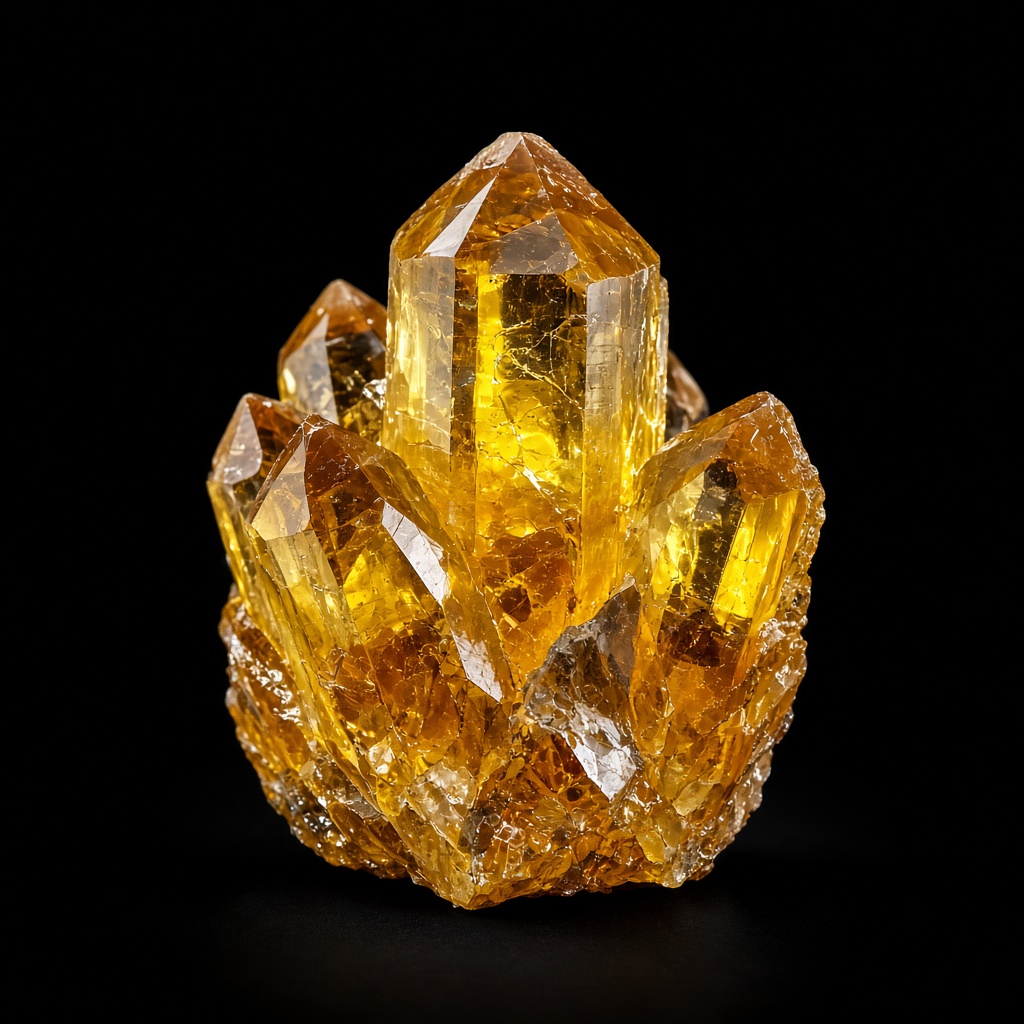
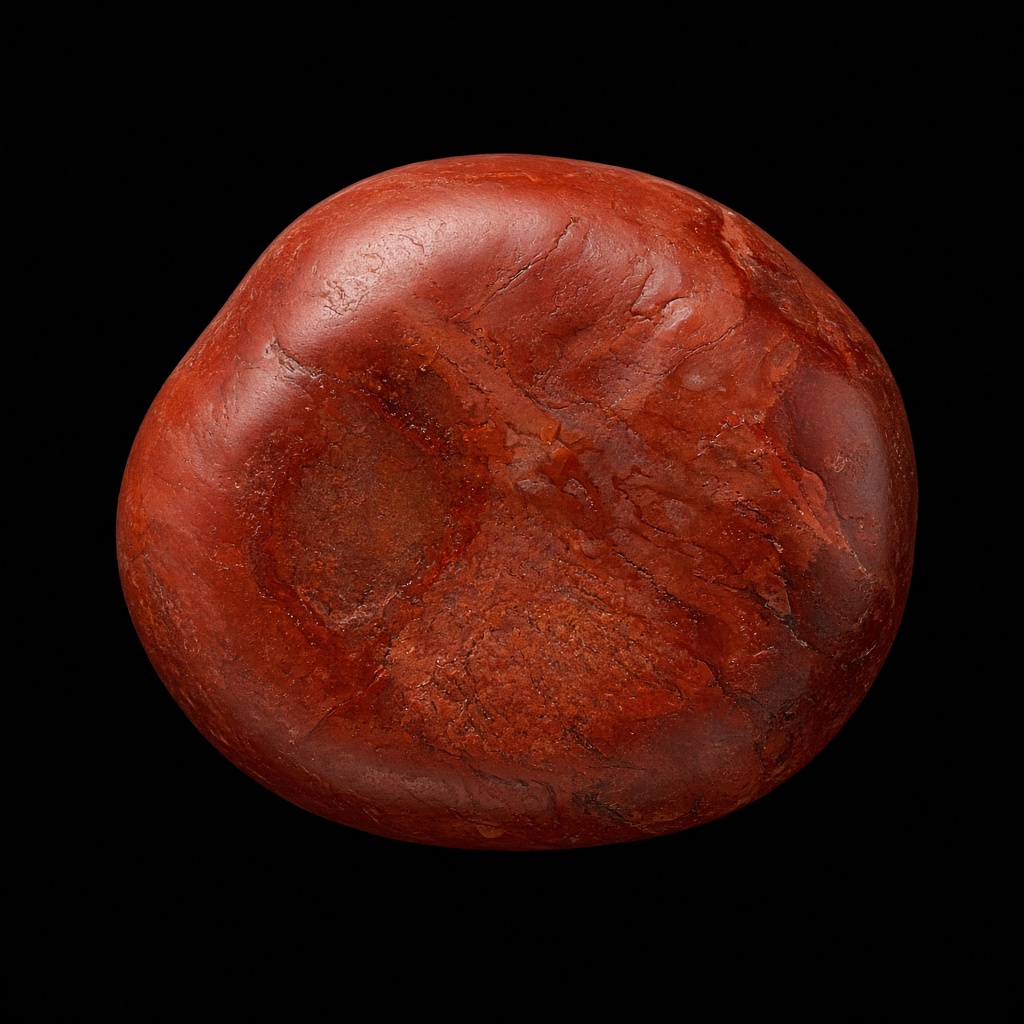
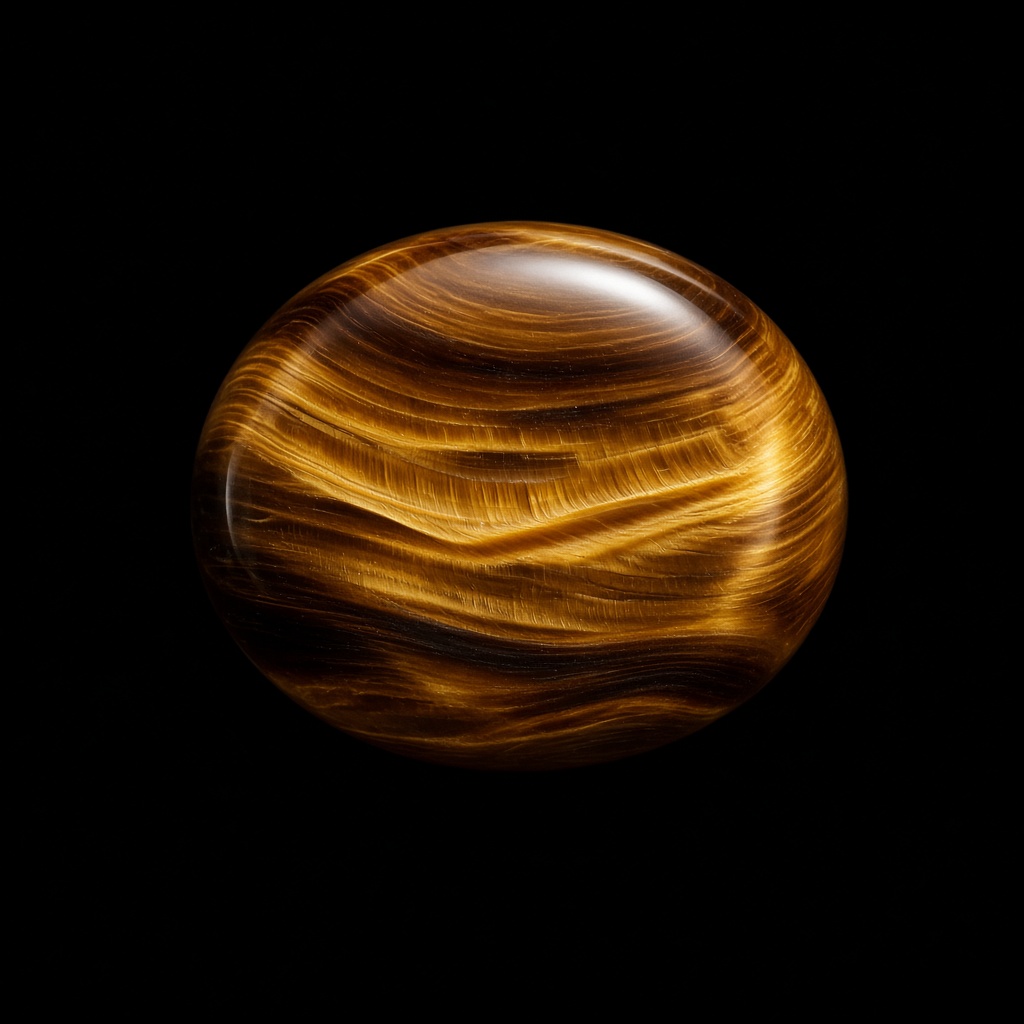
Browse all: rocks · minerals · crystals · directory · what rock is this · rock vs mineral vs crystal. Confirm with the online studio or rock identifier app.