Rock guide
How to Identify Flint
SiO₂ (microcrystalline quartz)
Flint is a hard, fine-grained sedimentary form of quartz (a dark variety of chert) that breaks with sharp conchoidal fracture. It often forms as nodules in chalk or limestone with a pale outer cortex and a darker silica interior.
About Flint
Flint is a hard, fine-grained sedimentary form of quartz (a dark variety of chert) that breaks with sharp conchoidal fracture. It often forms as nodules in chalk or limestone with a pale outer cortex and a darker silica interior.
Flint is filed under rocks in the RockScan directory. Composition: Microcrystalline silica. It forms via sedimentary silica nodules/beds. Typical occurrence: Chalk and limestone regions; toolstone localities. For the broader method, see how to identify rock types.
Flint properties
| Mohs hardness | 7 |
|---|---|
| Class | rock |
| Scientific name | SiO₂ (microcrystalline quartz) |
| Color | Grey, black, brown; pale cortex common |
| Luster | Waxy to vitreous on fresh breaks |
| Crystal system / texture | Trigonal (quartz) — cryptocrystalline aggregate |
| Composition | Microcrystalline silica |
| Formation | Sedimentary silica nodules/beds |
| Occurrence | Chalk and limestone regions; toolstone localities |
How to identify Flint
- Conchoidal fracture; very hard (~7).
- Dark interior with possible white cortex.
- Sedimentary association (chalk/limestone) vs volcanic glass.
Lookalikes to rule out
- Chert: Flint is a dark variety of chert historically from chalk; field use often overlaps — color and host rock help.
- Obsidian: Obsidian is volcanic glass usually jet black and glossier; flint is sedimentary silica, often grey-black with white cortex.
- Basalt: Basalt is crystalline fine rock; flint shows conchoidal silica fracture and often a pale weathered cortex.
Photo tips for Flint ID
- Show conchoidal fracture and sharp silica edges.
- Include the white/cream cortex if present.
- Diffuse light to avoid black crush on dark flint.
Snap one specimen in natural light, then open the result in the online studio or the rock identifier app.
Flint FAQ
How do you identify flint rock?
Hard silica rock with shell-like fracture, often dark with a pale cortex. Hardness near quartz (~7) and sedimentary context separate it from basalt and obsidian.
Flint vs chert?
Flint is commonly used for dark chert in chalk; chemically both are microcrystalline quartz.
Why was flint used for tools?
It flakes predictably into sharp edges — the same fracture that helps you ID it today.
How to identify flint rock
Collectors search “how to identify flint rock” because dark silica nodules are easy to confuse with volcanic glass and fine basalt. Use this field checklist before you lock an ID:
- Fracture: sharp, curved (conchoidal) chips with a glassy-to-waxy silica edge — not grainy crystalline basalt.
- Cortex: many nodules show a white or cream weathered rind over a grey-to-black interior.
- Hardness: near Mohs 7 — scratches glass; same silica family as quartz and chert.
- Host rock: sedimentary association (chalk, limestone, flint beds) beats “just found a black rock.”
- Photo first: shoot cortex + fresh break in shade, then confirm with RockScan photo ID against chert and obsidian lookalikes.
Flint vs chert vs obsidian vs basalt
- Chert: Chemically the same microcrystalline quartz family; “flint” usually means the dark chalk/limestone nodule habit — color and host rock drive the label.
- Obsidian: Volcanic glass is typically jet-black and glossier with no pale sedimentary cortex; flint is sedimentary silica.
- Basalt: Fine crystalline igneous rock, duller and denser, without sharp silica flake edges or chalk cortex.
Photo tips for flint ID
Diffuse daylight on a fresh conchoidal chip, one scale shot, and a cortex-vs-interior pair. Avoid crushing black tones with flash. Compare against obsidian, basalt, and silica cousins like quartz and agate, then confirm in the online studio or rock identifier app.
Related rocks to compare
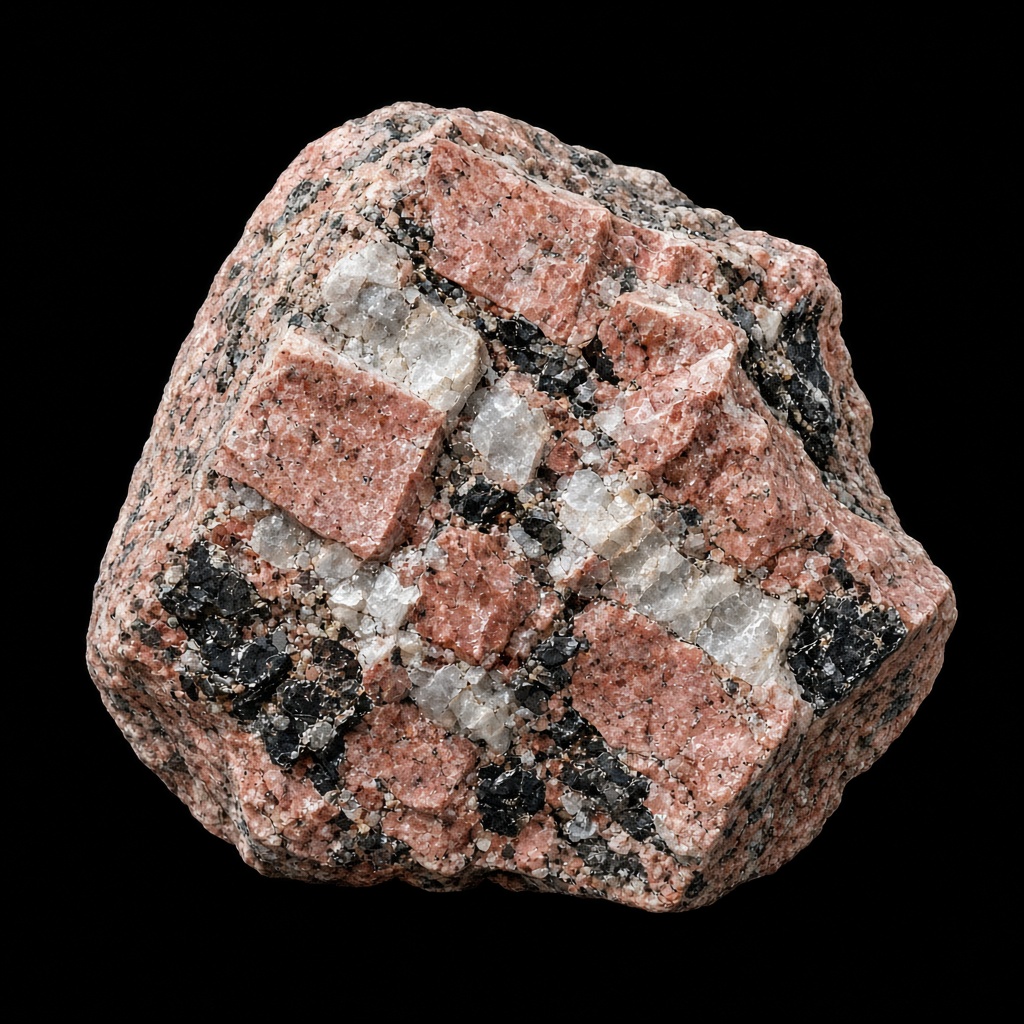
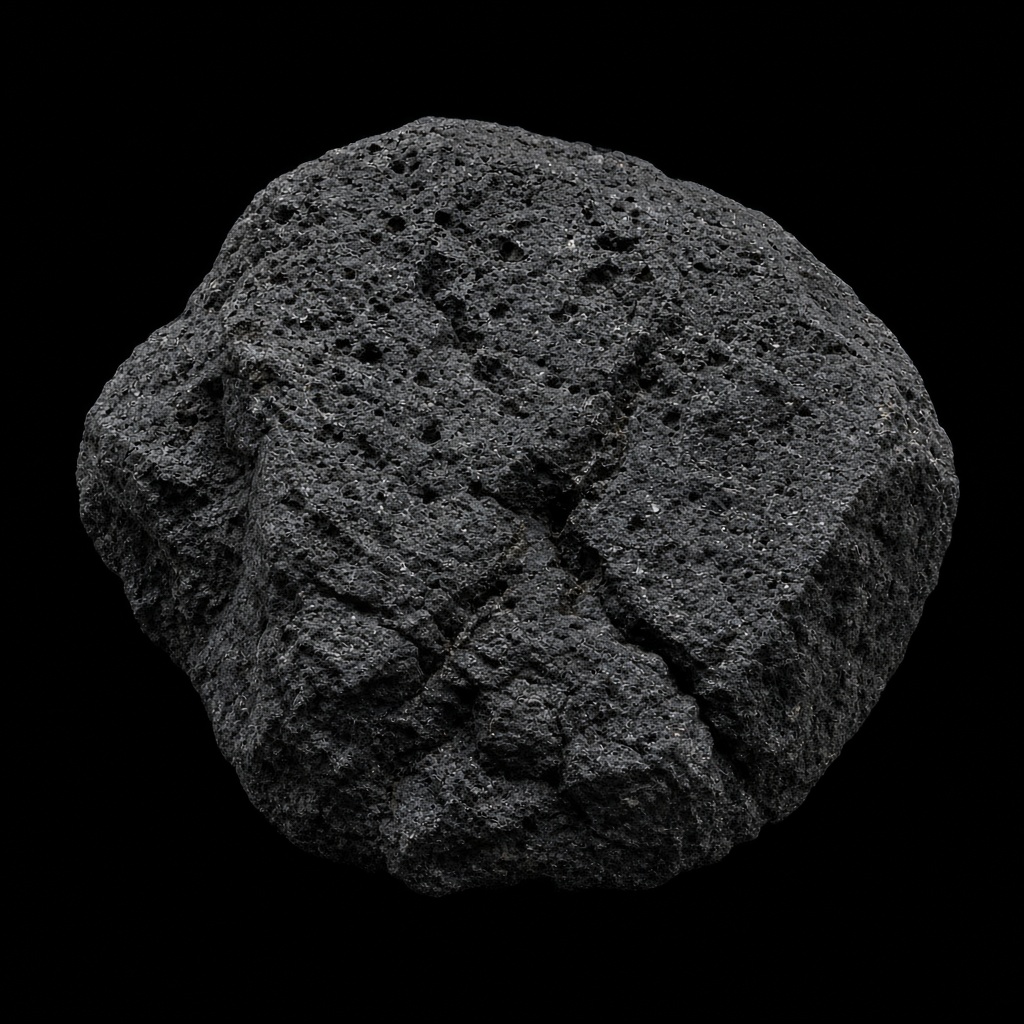
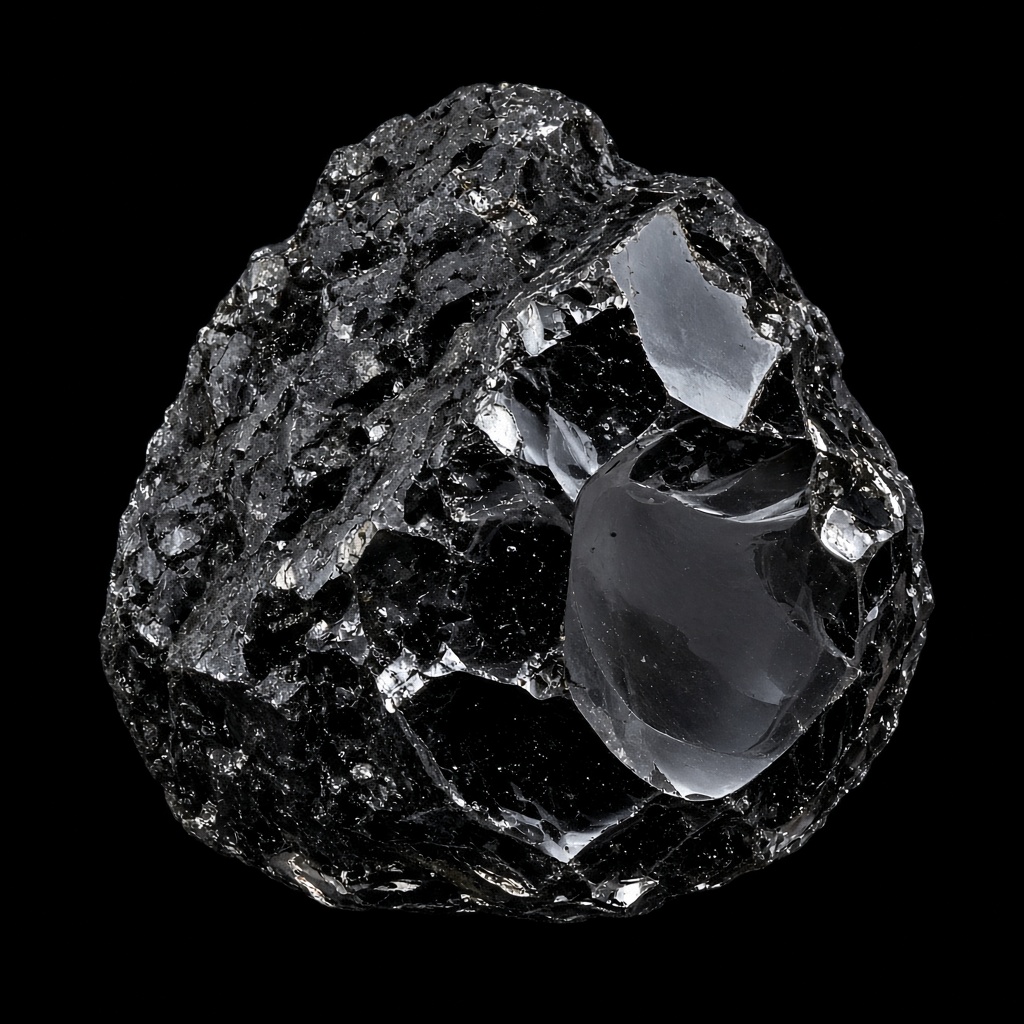
Browse all: rocks · minerals · crystals · directory · what rock is this · rock vs mineral vs crystal. Confirm with the online studio or rock identifier app.