Crystal & mineral guide
Aquamarine
Be₃Al₂Si₆O₁₈ (Beryl)
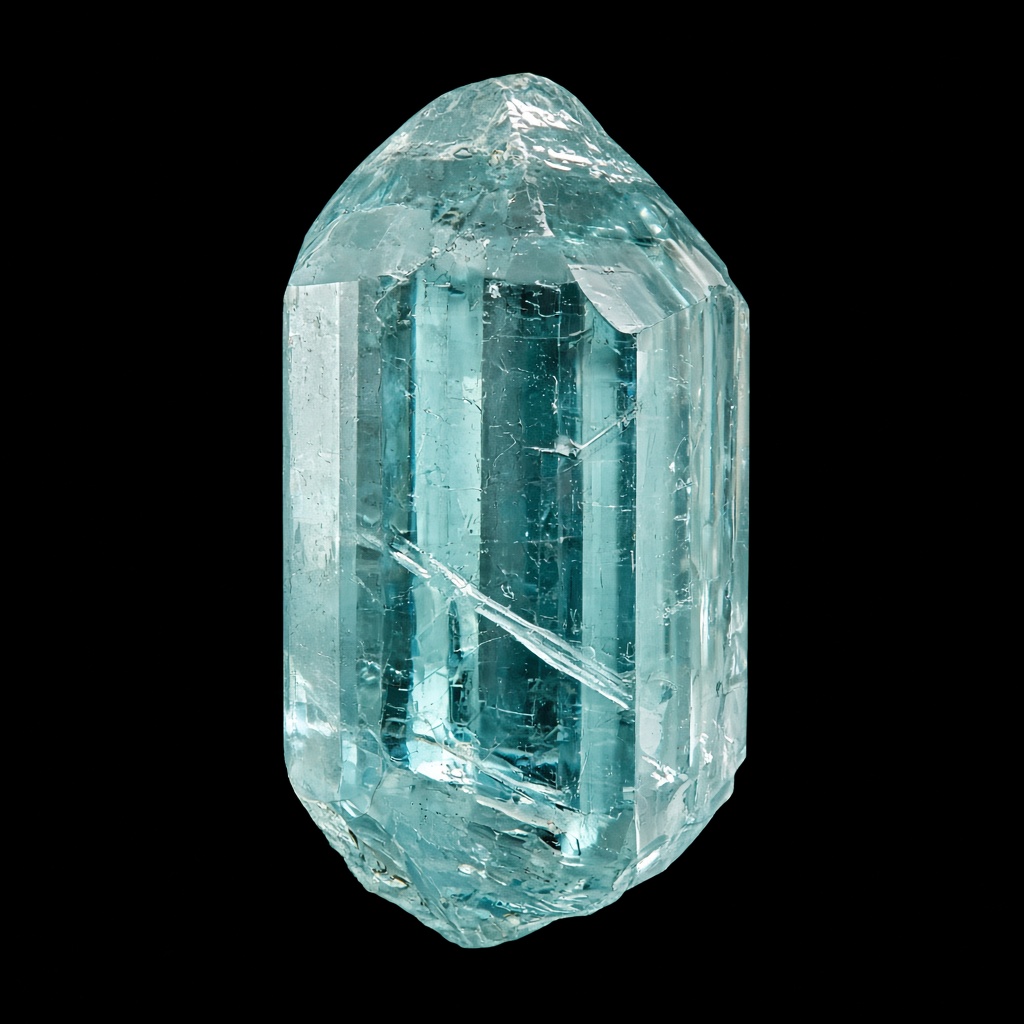
Sea-blue beryl and March birthstone — sister species to emerald.
Identify Aquamarine with RockScanAbout Aquamarine
Aquamarine shares the beryl family with emerald but is colored by iron rather than chromium/vanadium. Modern trade prefers clean sky-blue; greenish tones are traditional 'sea water' looks. Large clean crystals are more available than emerald, making it a strong everyday wear stone.
Aquamarine belongs in a crystal identifier workflow because photo cues — color zoning, crystal habit, and surface luster — combine with measurable traits like Mohs 7.5–8 and specific gravity 2.68–2.74. Use RockScan’s camera to get a first-pass ID, then confirm with the checklist below.
Aquamarine properties
| Mohs hardness | 7.5–8 |
|---|---|
| Crystal system | Hexagonal |
| Luster | Vitreous |
| Color | Pale to medium blue-green |
| Composition | Beryllium aluminum silicate |
| Formation | Pegmatites and hydrothermal veins |
| Occurrence | Brazil, Pakistan, Madagascar, USA (Colorado) |
| Specific gravity | 2.68–2.74 |
| Cleavage | Imperfect basal |
How to identify Aquamarine
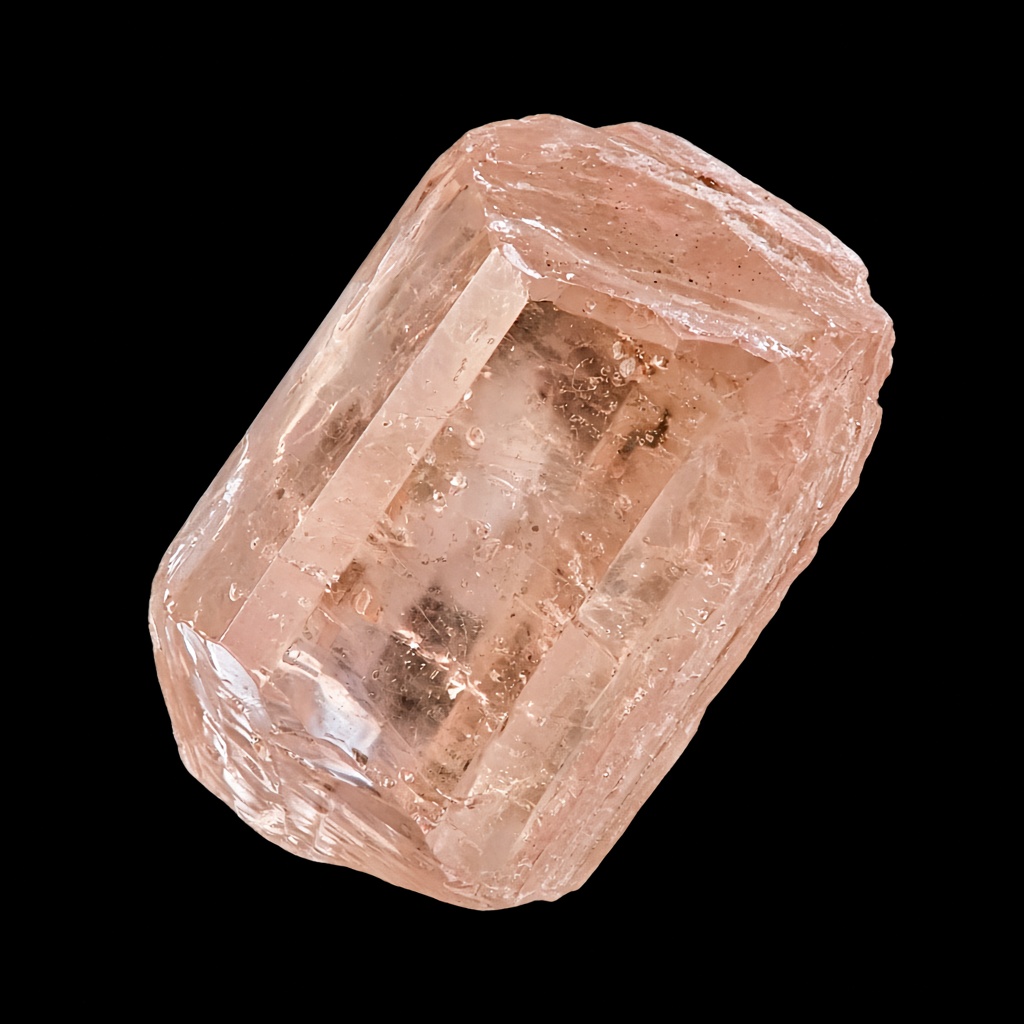
- Hexagonal prisms, often elongated
- Pleochroism: blue vs greenish-blue on rotation
- Harder than quartz
Collector notes
- Ancient sailors carried it as a talisman of the sea
- Heat treatment can remove green and enhance blue
Value context: Saturated medium blue without gray undertone brings premiums.
Aquamarine FAQ
How do you identify Aquamarine?
Aquamarine (Be₃Al₂Si₆O₁₈ (Beryl)) is typically recognized by pale to medium blue-green color, vitreous luster, Mohs hardness 7.5–8, and hexagonal crystal system. RockScan can suggest Aquamarine from a photo and surface these checks on the result card.
What is Aquamarine made of?
Aquamarine composition: Beryllium aluminum silicate. It forms via pegmatites and hydrothermal veins and is found in Brazil, Pakistan, Madagascar, USA (Colorado).
Is Aquamarine valuable?
Saturated medium blue without gray undertone brings premiums.