Rock guide
How to Identify Rhyolite
Felsic extrusive rock
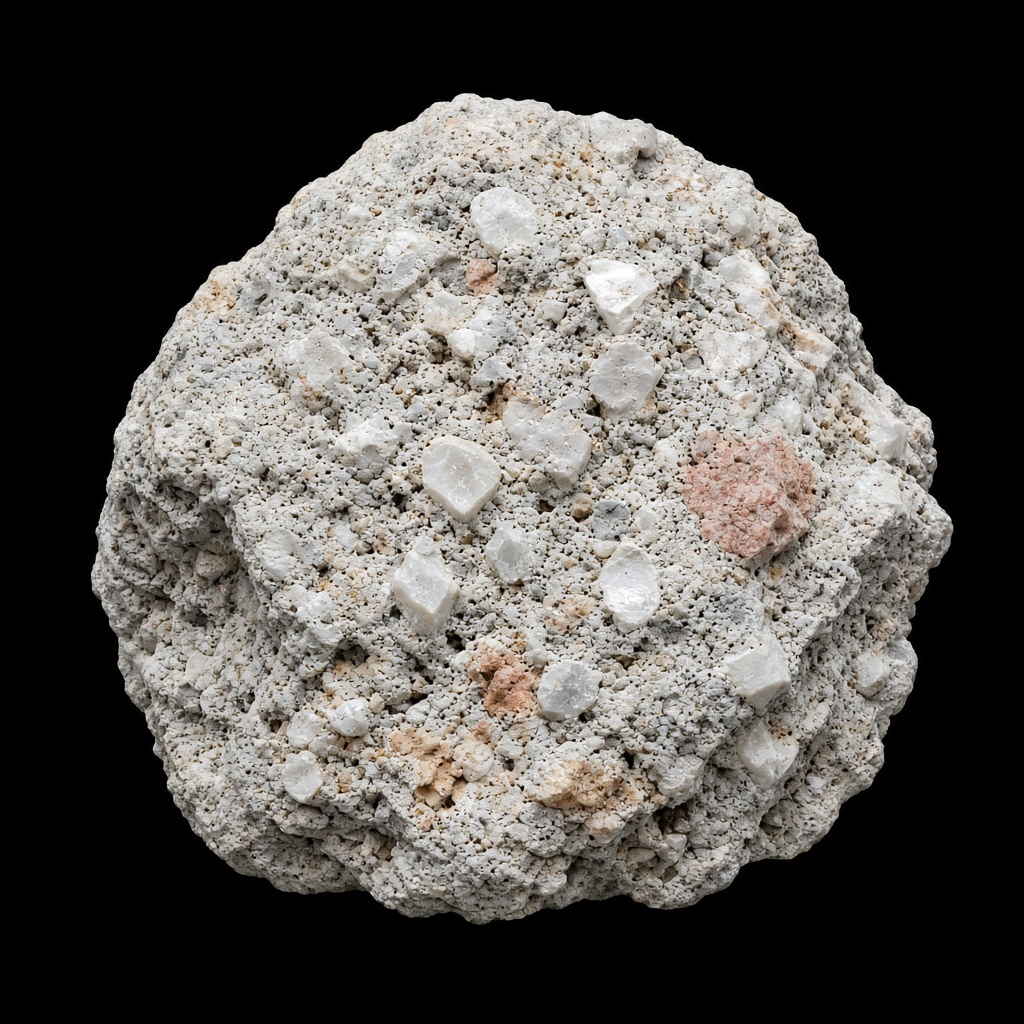
Rhyolite is the fine-grained volcanic equivalent of granite — light-colored high-silica lava. Identify it by pale fine groundmass, possible quartz/feldspar phenocrysts, and denser texture than pumice.
About Rhyolite
Rhyolite is the fine-grained volcanic equivalent of granite — light-colored high-silica lava. Identify it by pale fine groundmass, possible quartz/feldspar phenocrysts, and denser texture than pumice.
Rhyolite is filed under rocks in the RockScan directory. Composition: Quartz + feldspar groundmass (granite chemistry). It forms via rapid cooling of high-silica lava/ash flows. Typical occurrence: Continental volcanic fields worldwide. For the broader method, see how to identify rock types.
Rhyolite properties
| Mohs hardness | 6–7 (aggregate) |
|---|---|
| Class | rock |
| Scientific name | Felsic extrusive rock |
| Color | Pink, gray, tan |
| Luster | Dull to vitreous |
| Crystal system / texture | Aphanitic/porphyritic |
| Composition | Quartz + feldspar groundmass (granite chemistry) |
| Formation | Rapid cooling of high-silica lava/ash flows |
| Occurrence | Continental volcanic fields worldwide |
How to identify Rhyolite
- Light color + fine grain.
- Possible quartz/feldspar phenocrysts.
- Harder and less vesicular than pumice of similar chemistry.
Lookalikes to rule out
- Andesite: Andesite is darker intermediate; rhyolite is felsic, often lighter pink/grey.
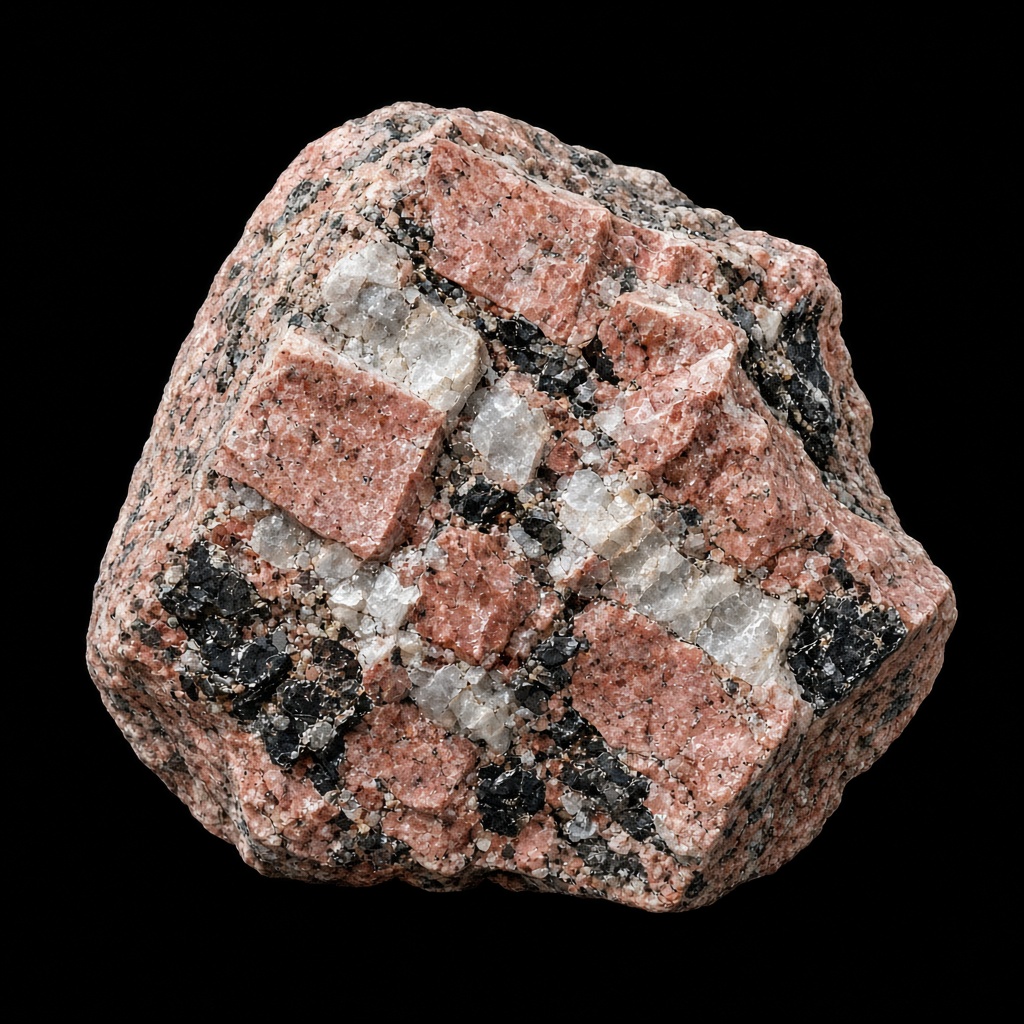
- Granite: Granite is coarse intrusive; rhyolite is fine extrusive with similar chemistry.
- Felsite: Field term overlap — use texture + phenocrysts; rhyolite may show quartz/feldspar phenocrysts in fine groundmass.
Photo tips for Rhyolite ID
- Show fine groundmass with any larger phenocrysts.
- Color: pale pink, grey, or tan bands if flow-banded.
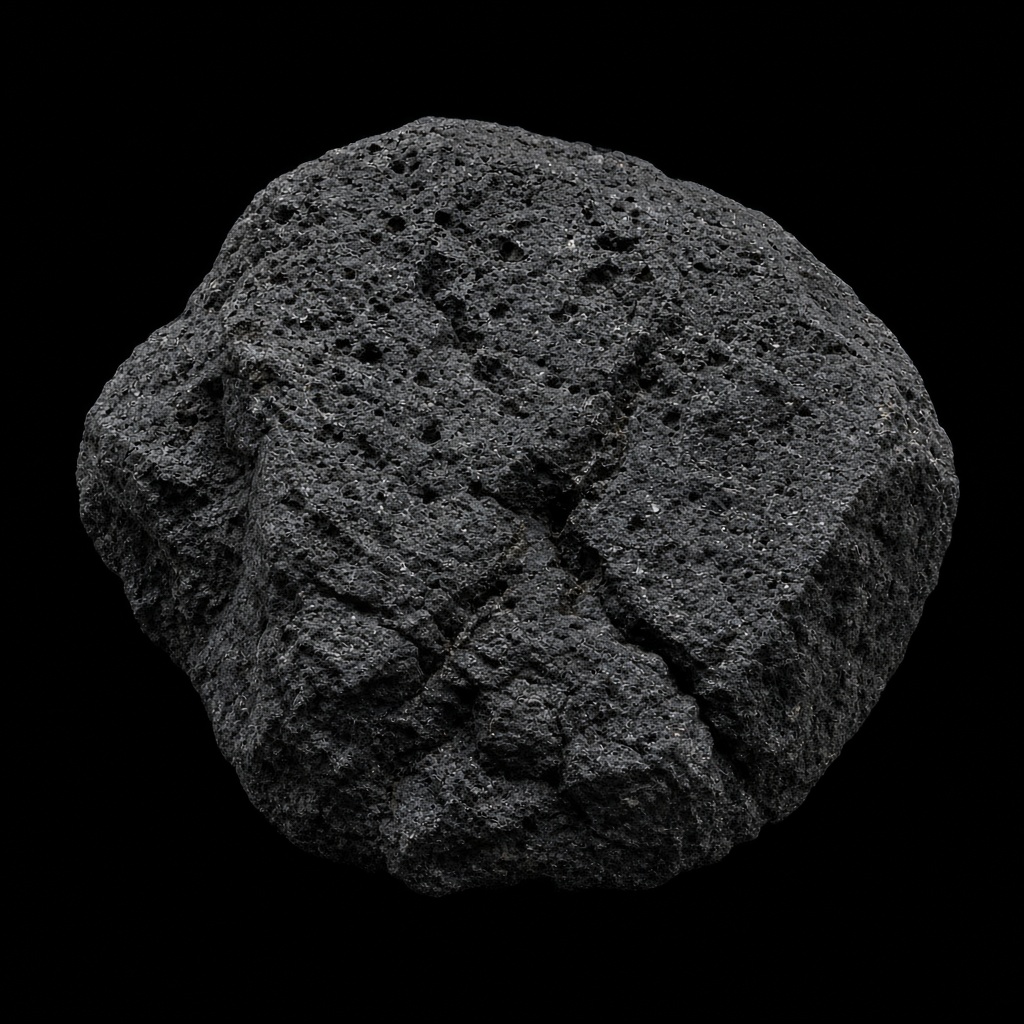
- Compare density feel in hand shots vs basalt.
Snap one specimen in natural light, then open the result in the online studio or the rock identifier app.
Rhyolite FAQ
How do you identify rhyolite?
Pale fine-grained volcanic rock, sometimes with phenocrysts or flow banding. Chemically akin to granite but cooled quickly.
Rhyolite vs granite?
Same broad chemistry family; granite = coarse intrusive, rhyolite = fine extrusive.
Does rhyolite form obsidian?
High-silica melts can quench to obsidian or froth into pumice depending on gas and cooling rate.
How to identify rhyolite rock
Collectors search “how to identify rhyolite rock” when a pale fine lava might be granite, andesite, or pumice. Use this field checklist:
- Fine groundmass: extrusive felsic lava — crystals mostly microscopic, unlike coarse granite of similar chemistry.
- Light color: pink, grey, or tan typical; darker intermediate lavas lean andesite.
- Phenocrysts: scattered quartz/feldspar eyes in a fine matrix are a classic rhyolite tell.
- Not foam: denser and less vesicular than pumice of similar chemistry.
- Photo first: shoot fine groundmass + phenocrysts in shade, then confirm with RockScan.
Rhyolite vs granite vs andesite vs pumice
- Granite: Coarse intrusive interlocking crystals; rhyolite is the fine volcanic equivalent.
- Andesite: Darker intermediate lava; rhyolite is felsic and usually lighter pink/grey.
- Pumice: Frothy low-density foam; rhyolite is denser fine lava without bulk vesicles.
Photo tips for rhyolite ID
Fine groundmass with phenocrysts, any flow banding, and a density comparison vs basalt. Compare granite, basalt, and pumice, then confirm in the online studio or rock identifier app.
Related rocks to compare
Browse all: rocks · minerals · crystals · directory · what rock is this · rock vs mineral vs crystal. Confirm with the online studio or rock identifier app.