Mineral guide
How to Identify Serpentine
(Mg,Fe)₃Si₂O₅(OH)₄ group
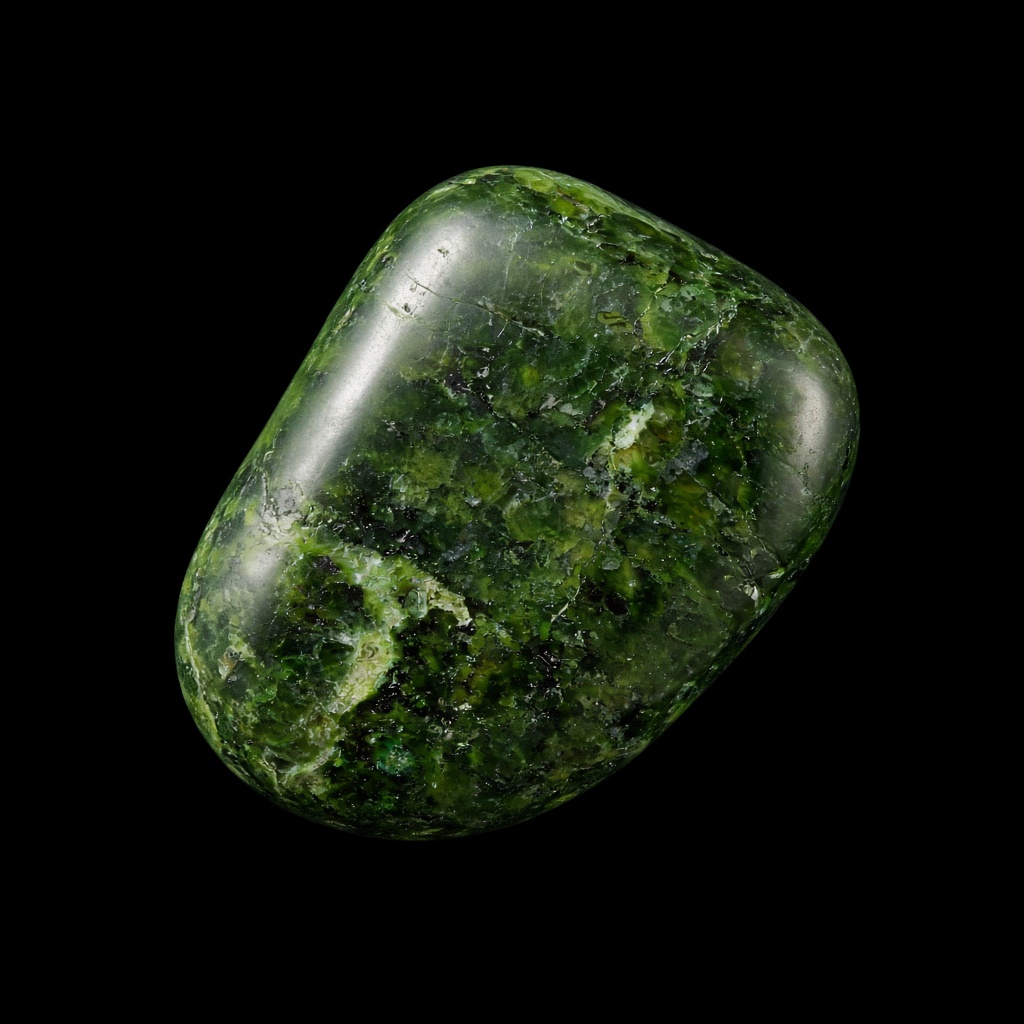
Serpentine is a group of soft green magnesium silicate minerals (antigorite, lizardite, chrysotile) with a greasy-to-waxy luster. Identify it by mottled green color, softness that yields to a knife, and a soapy feel — the classic affordable jade simulant in carvings.
About Serpentine
Serpentine is a group of soft green magnesium silicate minerals (antigorite, lizardite, chrysotile) with a greasy-to-waxy luster. Identify it by mottled green color, softness that yields to a knife, and a soapy feel — the classic affordable jade simulant in carvings.
Serpentine is filed under minerals in the RockScan directory. Composition: Hydrous magnesium iron phyllosilicates. It forms via hydrothermal alteration of ultramafic rocks. Typical occurrence: Worldwide; Afghanistan, China, USA, UK. For the broader method, see how to identify rock types.
Serpentine properties
| Mohs hardness | 2.5–5 |
|---|---|
| Class | mineral |
| Scientific name | (Mg,Fe)₃Si₂O₅(OH)₄ group |
| Color | Green, yellow-green, black-green |
| Luster | Greasy to waxy |
| Crystal system / texture | Monoclinic (group) |
| Composition | Hydrous magnesium iron phyllosilicates |
| Formation | Hydrothermal alteration of ultramafic rocks |
| Occurrence | Worldwide; Afghanistan, China, USA, UK |
How to identify Serpentine
- Mottled green to yellow-green with greasy/waxy luster.
- Soft (2.5–5) — a knife scratches most serpentine; jade resists.
- Soapy feel; often carved into beads, bowls, and figurines.
Lookalikes to rule out
- Jade (nephrite): Nephrite jade is far tougher and denser with a felted texture; serpentine carves and scratches much more easily.
- Malachite: Malachite shows vivid light-dark green banding and stronger vitreous luster; serpentine is mottled with a greasy feel.
- Green jasper: Jasper is hard chalcedony (~7) that resists a knife; serpentine (2.5–5) scratches readily.
Photo tips for Serpentine ID
- Shoot mottled green-yellow patterning in soft light; flash flattens serpentine color.
- Show a hardness cue — a knife scratch mark documents softness vs jade.
- Photograph translucency edges on thin pieces; serpentine glows dully unlike glass.
Snap one specimen in natural light, then open the result in the online studio or the rock identifier app.
Serpentine FAQ
How do you identify serpentine?
Check mottled green color plus softness — a knife leaves a mark. Jade lookalikes are tougher and denser; jasper is far harder.
Serpentine vs jade?
Nephrite jade resists scratching and feels dense; serpentine scratches easily and feels soapy. Price and carving softness are practical tells.
Is serpentine asbestos?
One variety (chrysotile) is asbestiform. Avoid inhaling dust from cutting or sanding serpentine; finished carvings are a different exposure question than workshop dust.
How to identify serpentine
Green carvings labeled “jade” are often serpentine, so buyers search the split. Softness plus luster settles it:
- Mottled green: green to yellow-green patches and veins, not the even saturated banding of malachite.
- Greasy luster: waxy-soapy sheen rather than the vitreous glassiness of jasper or jade.
- Knife test: a steel point scratches serpentine (2.5–5); true jade and jasper resist.
- Feel: smooth, almost soapy surface on carvings and tumbled pieces.
- Photo confirm: soft-light mottling shot plus a documented scratch test, then RockScan against jade and malachite.
Serpentine vs jade vs malachite vs green jasper
- Jade (nephrite): tougher, denser, and harder — resists the knife that marks serpentine.
- Malachite: vivid banded greens with vitreous polish; serpentine stays mottled and waxy.
- Green jasper: hard chalcedony (~7) with conchoidal breaks; serpentine is soft and soapy.
Photo tips for serpentine carvings
Soft side light reveals mottling without flattening the waxy sheen. Compare jade, malachite, and jasper guides, then confirm in the online studio or rock identifier app.
Related minerals to compare
Browse all: rocks · minerals · crystals · directory · what rock is this · rock vs mineral vs crystal. Confirm with the online studio or rock identifier app.