Rock guide
How to Identify Gneiss
Banded high-grade metamorphic rock
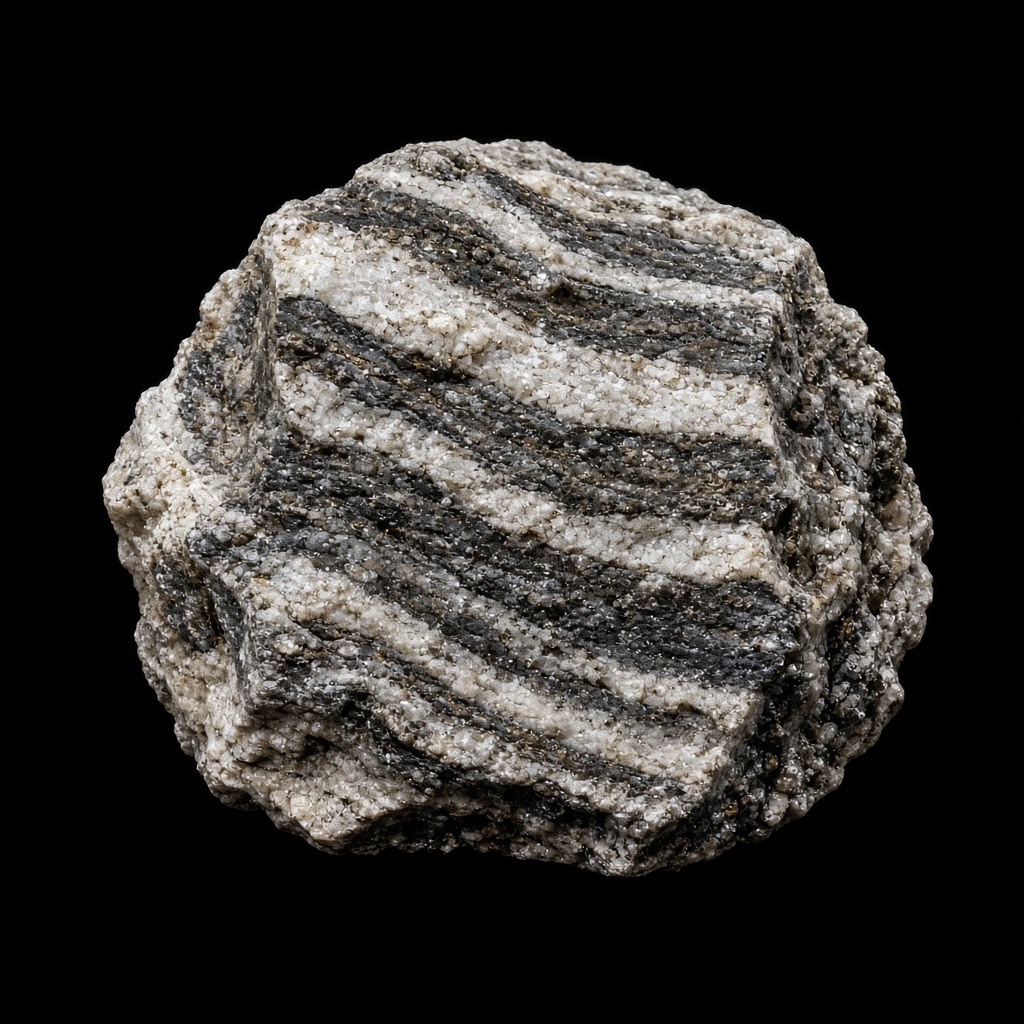
Gneiss is a high-grade metamorphic rock with light–dark compositional mineral banding. Identify it by visible felsic/mafic layers and coarse crystalline texture — massive speckled granite lacks those bands.
About Gneiss
Gneiss is a high-grade metamorphic rock with light–dark compositional mineral banding. Identify it by visible felsic/mafic layers and coarse crystalline texture — massive speckled granite lacks those bands.
Gneiss is filed under rocks in the RockScan directory. Composition: Quartz + feldspar + mafic minerals in bands. It forms via high-grade regional metamorphism. Typical occurrence: Precambrian shields worldwide. For the broader method, see how to identify rock types.
Gneiss properties
| Mohs hardness | 6–7 (aggregate) |
|---|---|
| Class | rock |
| Scientific name | Banded high-grade metamorphic rock |
| Color | Banded light and dark layers |
| Luster | Vitreous |
| Crystal system / texture | Foliated aggregate |
| Composition | Quartz + feldspar + mafic minerals in bands |
| Formation | High-grade regional metamorphism |
| Occurrence | Precambrian shields worldwide |
How to identify Gneiss
- Visible mineral banding.
- Coarse crystals common.
- Hard, crystalline; not soft like shale.
Lookalikes to rule out
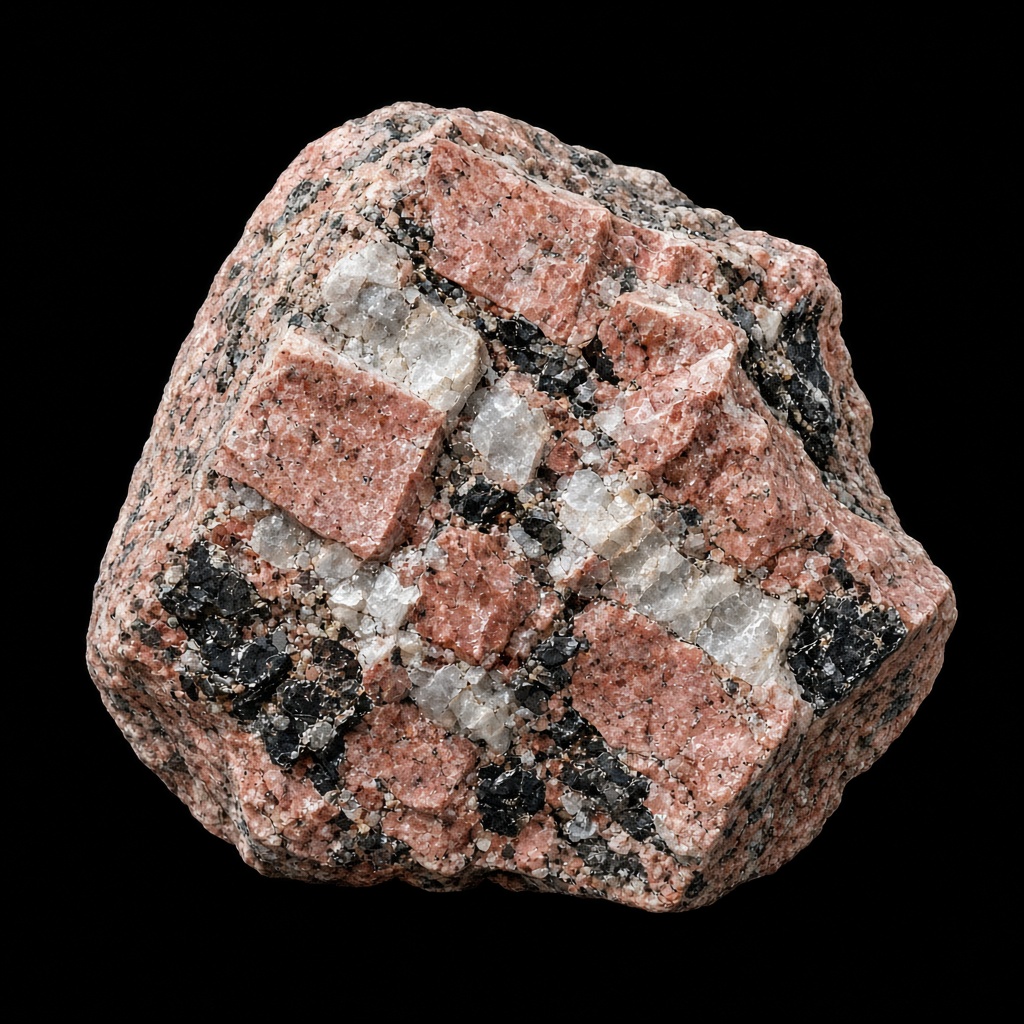
- Granite: Granite lacks compositional banding; gneiss shows light/dark mineral bands.
- Schist: Schist is dominated by platy micas and splits more easily; gneiss is more banded and blocky.
- Banded sandstone: Sedimentary banding follows beds; gneiss bands are metamorphic mineral segregation.
Photo tips for Gneiss ID
- Photograph clear light-dark banding across the face.
- Side light to emphasize mineral layers.
- Avoid confusing saw marks on landscaping stone with natural banding — show natural outcrop texture when possible.
Snap one specimen in natural light, then open the result in the online studio or the rock identifier app.
Gneiss FAQ
How do you identify gneiss?
Look for metamorphic banding of light and dark minerals. Unlike granite, gneiss is layered.
Gneiss vs granite?
Texture: granite is massive/speckled; gneiss is banded from metamorphism.
Is gneiss good for photo ID?
Yes — banding is a strong visual cue for RockScan and for manual confirmation.
How to identify gneiss rock
Collectors search “how to identify gneiss rock” when banded landscaping stone might be granite or schist. Use this field checklist:
- Compositional banding: alternating light (felsic) and dark (mafic) mineral layers — not random speckles.
- Coarse crystals: high-grade metamorphic; grains often visible, rock feels hard and crystalline.
- Not mica-split: more banded and massive than schist, which splits along shiny mica planes.
- Vs granite: granite is massive salt-and-pepper without strong light–dark bands.
- Photo first: side-light a banded face, then confirm with RockScan against granite and schist.
Gneiss vs granite vs schist vs banded sandstone
- Granite: Massive interlocking speckles without compositional banding; gneiss shows light/dark layers.
- Schist: Dominated by platy shiny micas and splits easily; gneiss is more banded and less micaceous-split.
- Banded sandstone: Sedimentary beds of grains; gneiss bands are metamorphic mineral segregation.
Photo tips for gneiss ID
Clear light–dark banding across the face with raking light; prefer natural outcrop texture over saw marks. Compare granite, schist, and quartzite, then confirm in the online studio or rock identifier app.
Related rocks to compare
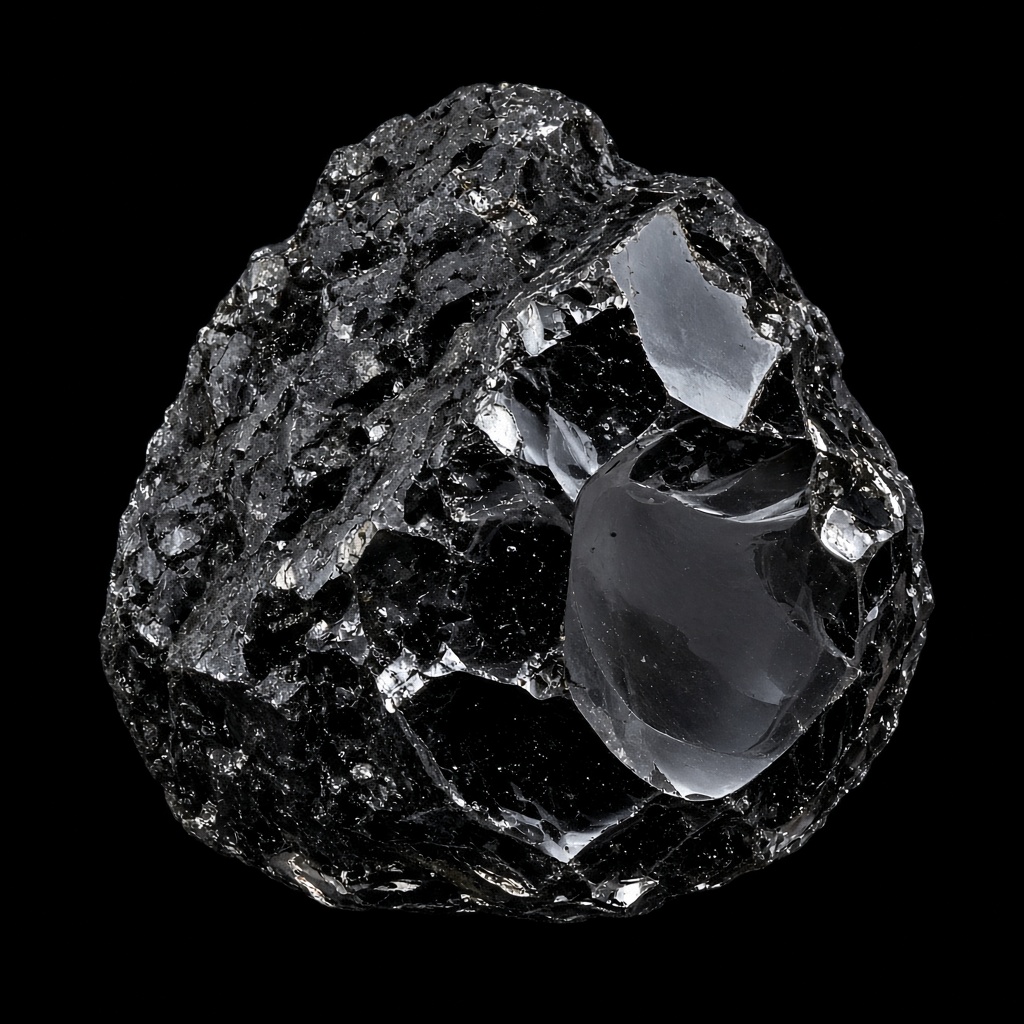
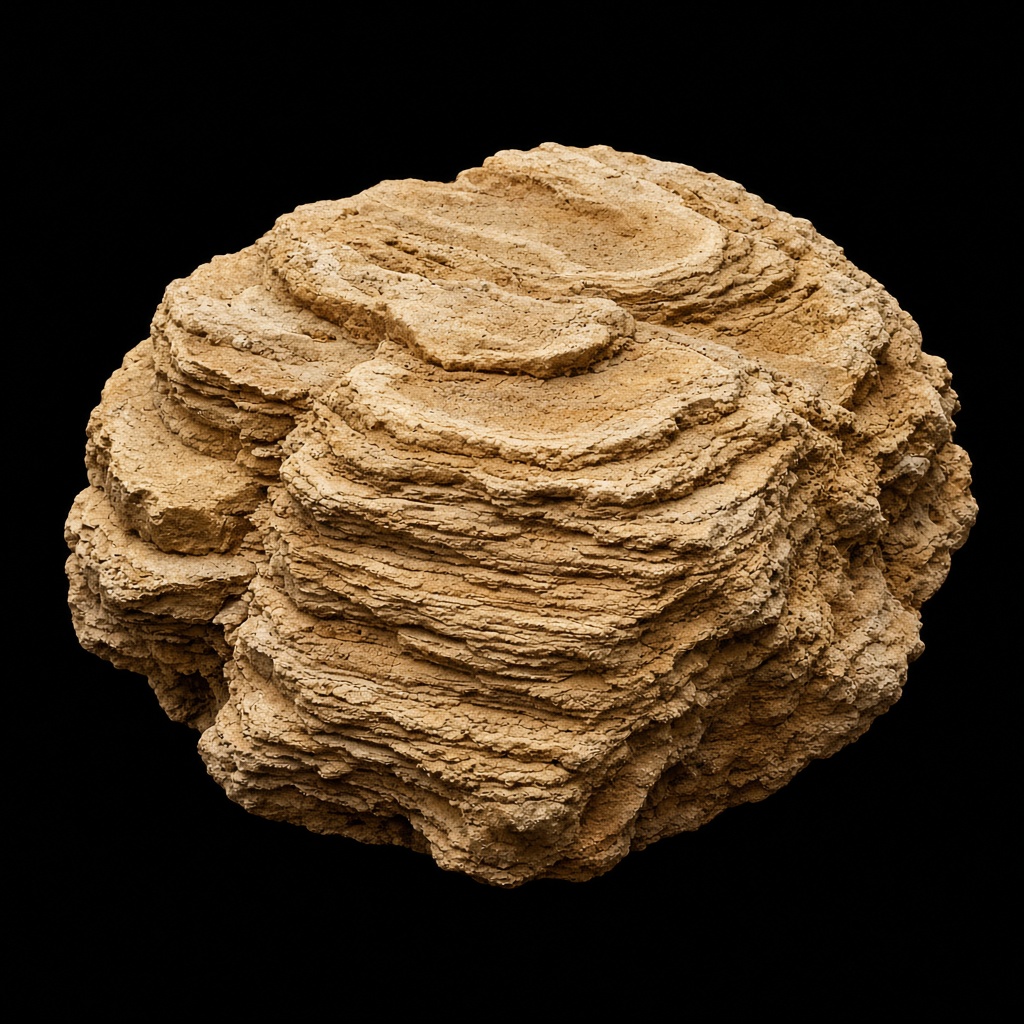
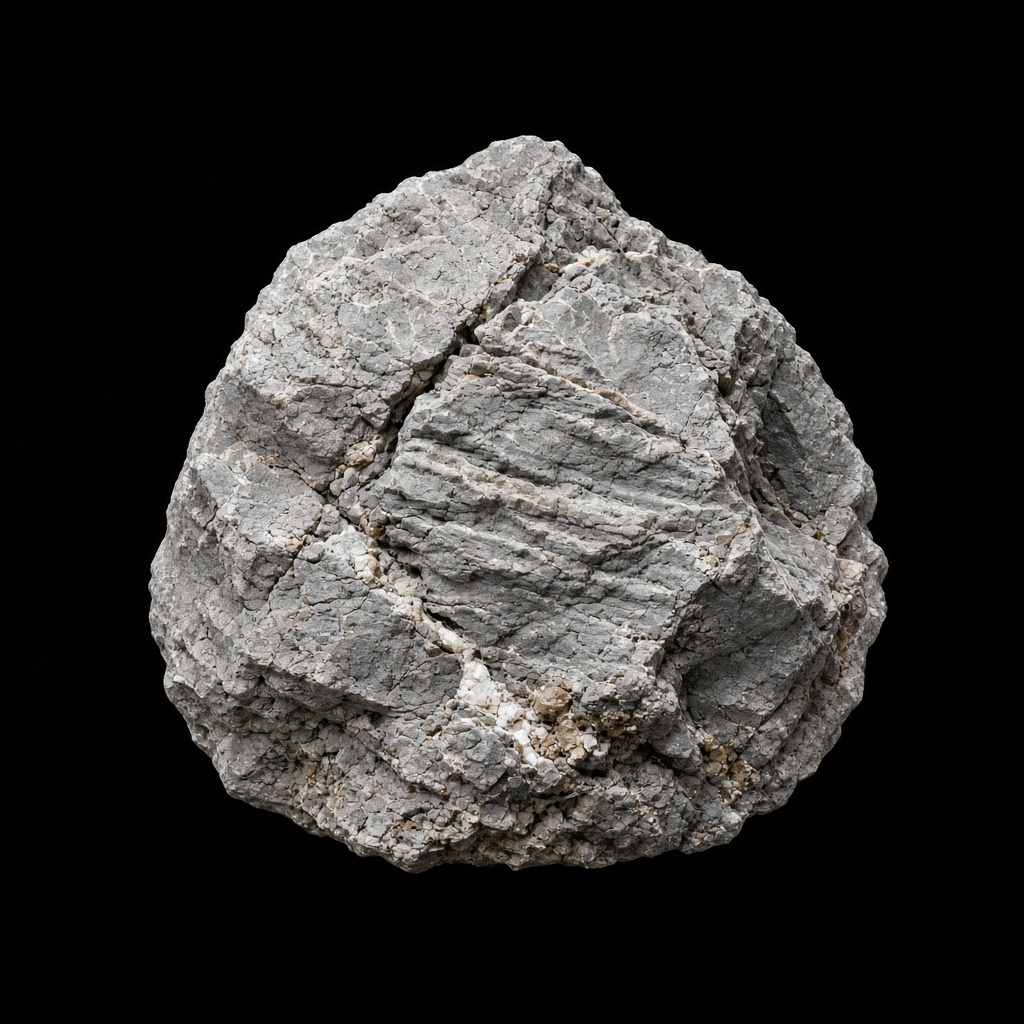
Browse all: rocks · minerals · crystals · directory · what rock is this · rock vs mineral vs crystal. Confirm with the online studio or rock identifier app.