Rock guide
How to Identify Granite
Felsic intrusive rock
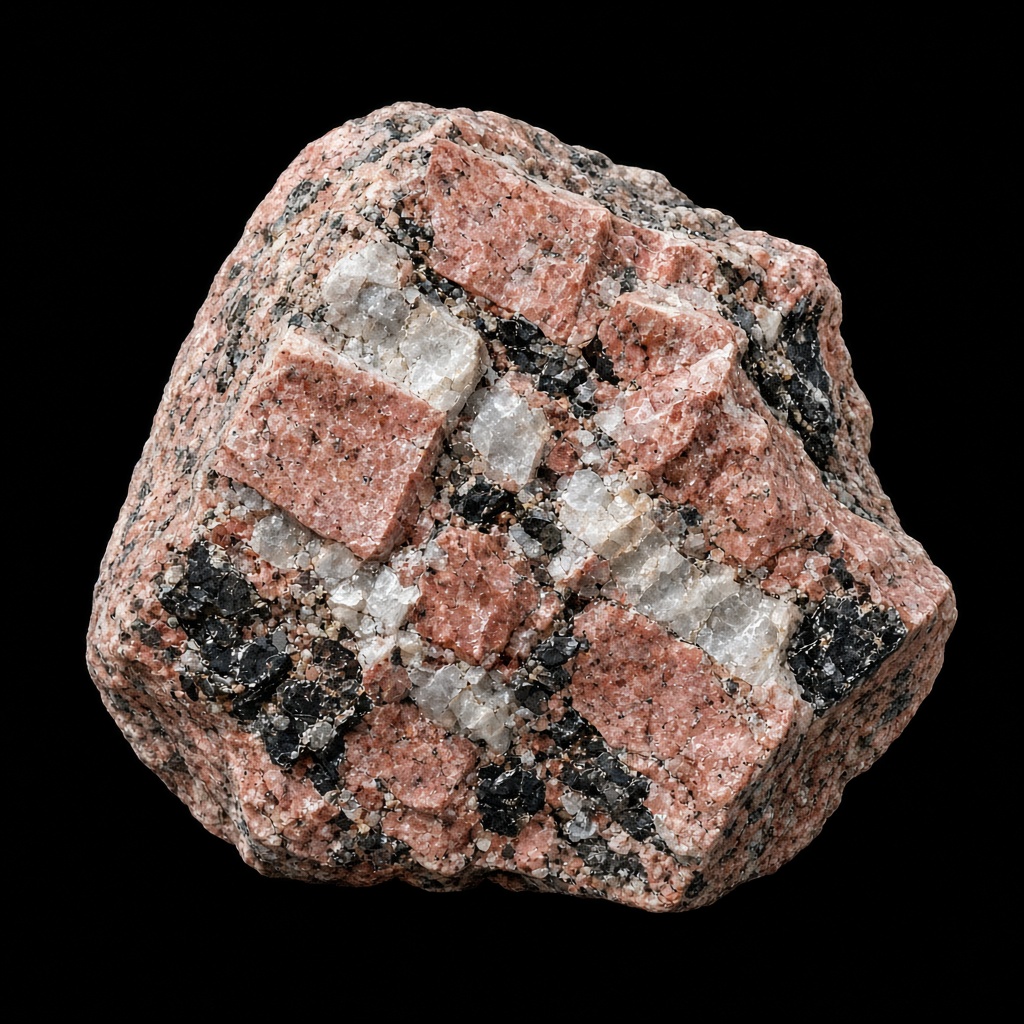
Granite is a coarse-grained intrusive igneous rock made of interlocking quartz, feldspar, and mica. Identify it by a speckled salt-and-pepper texture with no banding, visible crystals (several mm), and aggregate Mohs about 6–7 on quartz grains.
About Granite
Granite is a coarse-grained intrusive igneous rock made of interlocking quartz, feldspar, and mica. Identify it by a speckled salt-and-pepper texture with no banding, visible crystals (several mm), and aggregate Mohs about 6–7 on quartz grains.
Granite is filed under rocks in the RockScan directory. Composition: Quartz + K-feldspar + plagioclase ± mica/amphibole. It forms via slow cooling of silica-rich magma at depth. Typical occurrence: Worldwide continental crust. For the broader method, see how to identify rock types.
Granite properties
| Mohs hardness | 6–7 (aggregate) |
|---|---|
| Class | rock |
| Scientific name | Felsic intrusive rock |
| Color | Pink, gray, white speckled |
| Luster | Vitreous (quartz/feldspar) |
| Crystal system / texture | Phaneritic aggregate |
| Composition | Quartz + K-feldspar + plagioclase ± mica/amphibole |
| Formation | Slow cooling of silica-rich magma at depth |
| Occurrence | Worldwide continental crust |
How to identify Granite
- Look for interlocking visible crystals (phaneritic texture), not layers.
- Scratch test: aggregate hardness roughly 6–7; quartz grains resist a knife.
- Note color range: pink, grey, or white groundmass with dark speckles.
Lookalikes to rule out
- Gneiss: Gneiss shows banded/foliated layers; granite is speckled with interlocking crystals and no strong foliation.
- Diorite: Diorite is usually darker overall (more plagioclase + mafics); granite has visible pink/white K-feldspar and more quartz.
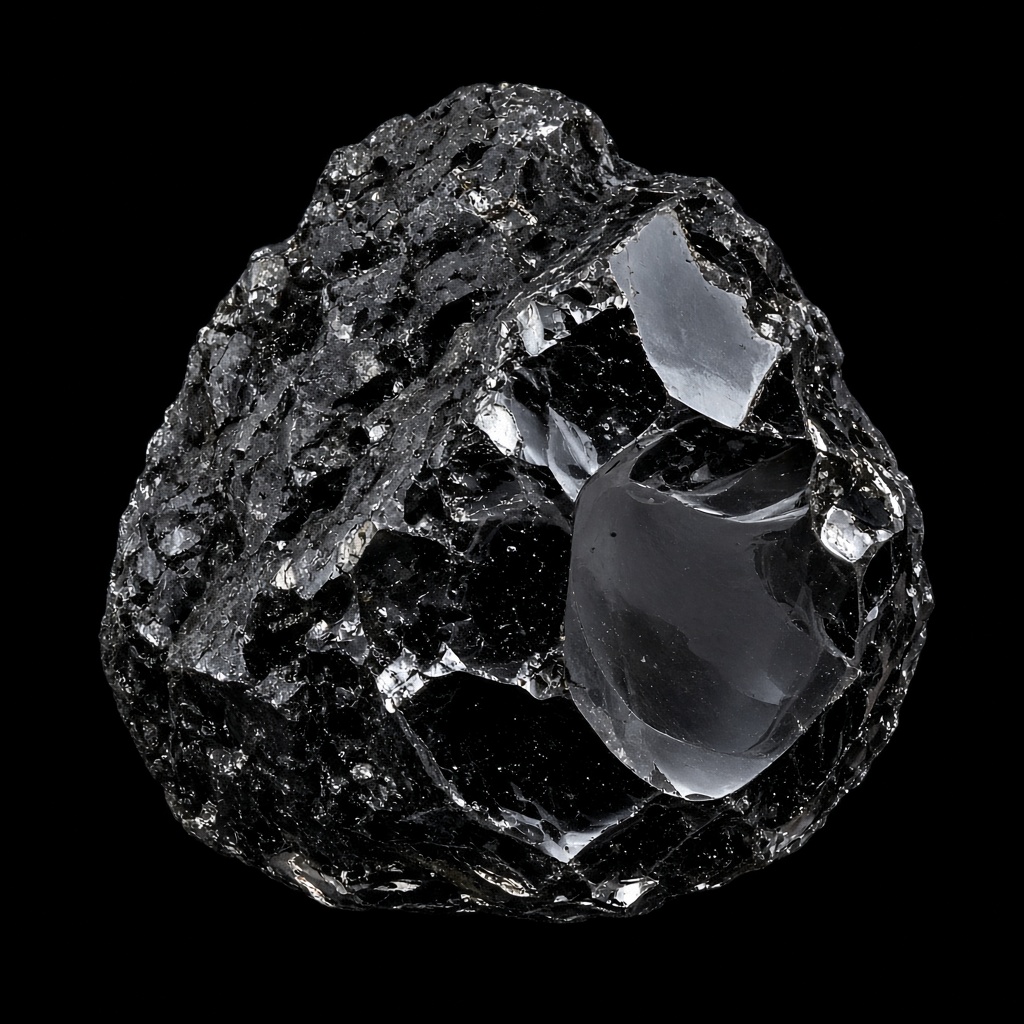
- Quartzite: Quartzite is nearly all quartz and often sugary; granite has feldspar + mica + quartz with a salt-and-pepper look.
Photo tips for Granite ID
- Photograph a freshly broken or polished face in shade so feldspar pinks and quartz greys read clearly.
- Include a coin for scale — coarse crystals (several mm) support a granite ID.
- Capture both wet and dry surface; mica sparkle is easier wet, overall color better dry.
Snap one specimen in natural light, then open the result in the online studio or the rock identifier app.
Granite FAQ
How do you identify granite rock?
Granite shows a speckled mix of quartz, feldspar, and mica with no banding. Crystals are usually visible to the naked eye. Confirm with Mohs ~6–7 on quartz grains and compare lookalikes like gneiss (banded) and diorite (darker).
Is granite a mineral or a rock?
Granite is a rock — an assemblage of minerals (mainly quartz + feldspar + mica). RockScan labels it as an igneous rock specimen, not a single mineral.
Where is granite commonly found outdoors?
As outcrops, river cobbles, and construction stone. Weathered surfaces can look duller; a fresh chip reveals the classic salt-and-pepper texture.
How to identify granite rock
Collectors search “how to identify granite rock” when a speckled cobble might be gneiss or quartzite instead. Use this field checklist:
- Texture: phaneritic (visible interlocking crystals) with a salt-and-pepper mix of light feldspar, glassy quartz, and dark mica or hornblende — not layered.
- No foliation: granite is massive; light–dark mineral bands point to gneiss, not granite.
- Hardness: quartz grains resist a knife (Mohs ~7); overall aggregate feels tough (~6–7).
- Color cues: pink, grey, or white groundmass with dark speckles is classic; all-dark speckled rock may be diorite/gabbro.
- Photo first: shoot a fresh face in shade with a coin for scale, then confirm with RockScan against gneiss and quartzite lookalikes.
Granite vs gneiss vs quartzite vs diorite
- Gneiss: banded/foliated light–dark layers; granite lacks strong banding.
- Quartzite: nearly all quartz, sugary fused look; granite always shows feldspar + mica with quartz.
- Diorite: darker overall (more plagioclase + mafics); granite usually shows pink/white K-feldspar.
Photo tips for granite ID
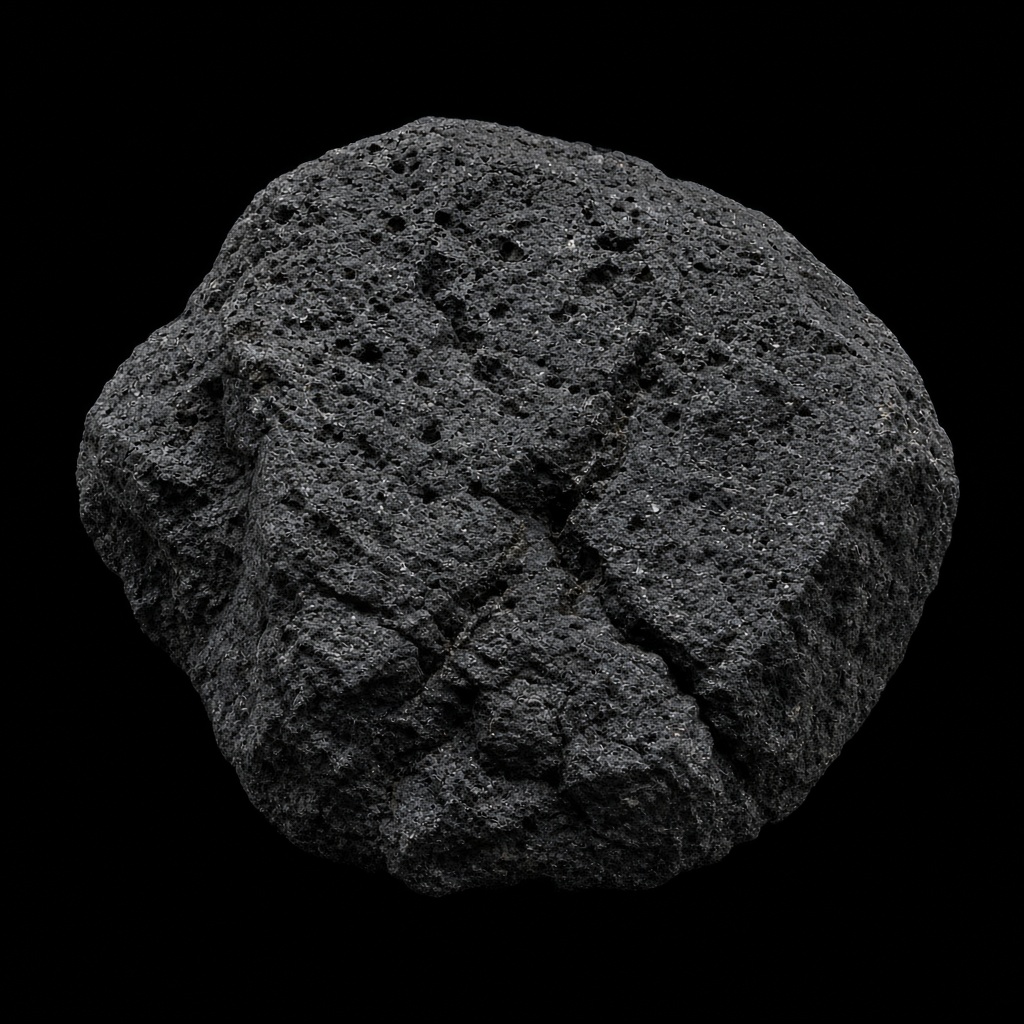
Diffuse daylight on a freshly broken or polished face, one wet corner for mica sparkle, and a scale shot so coarse crystals read clearly. Compare gneiss, basalt, and quartz, then confirm in the online studio or rock identifier app.
Related rocks to compare
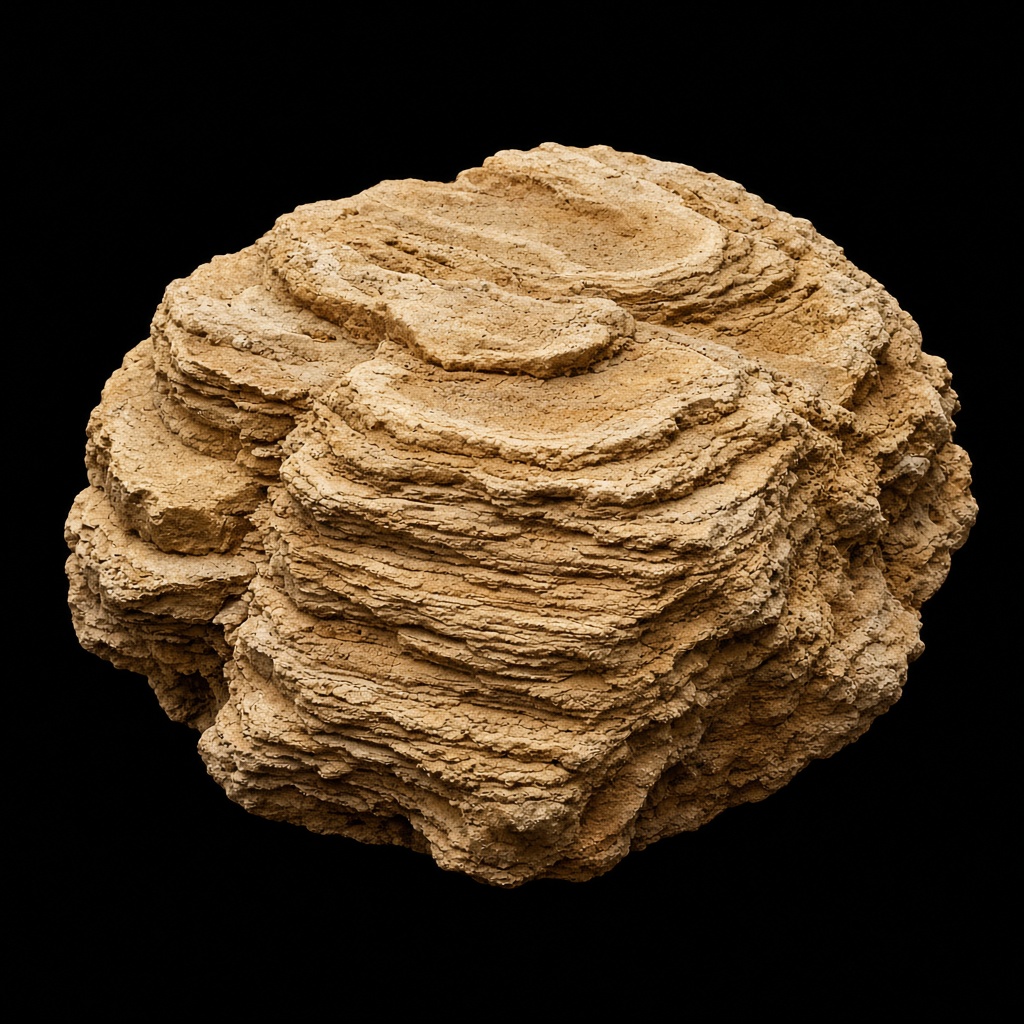
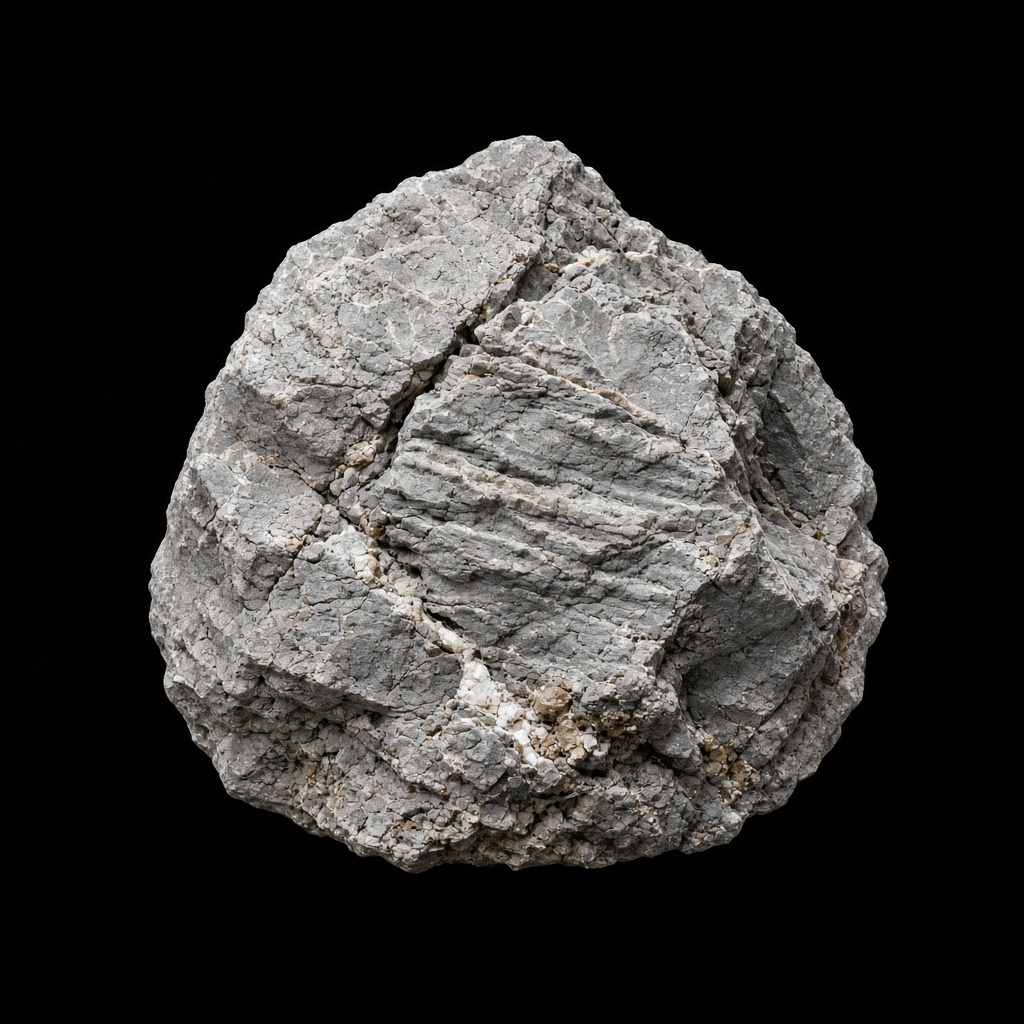
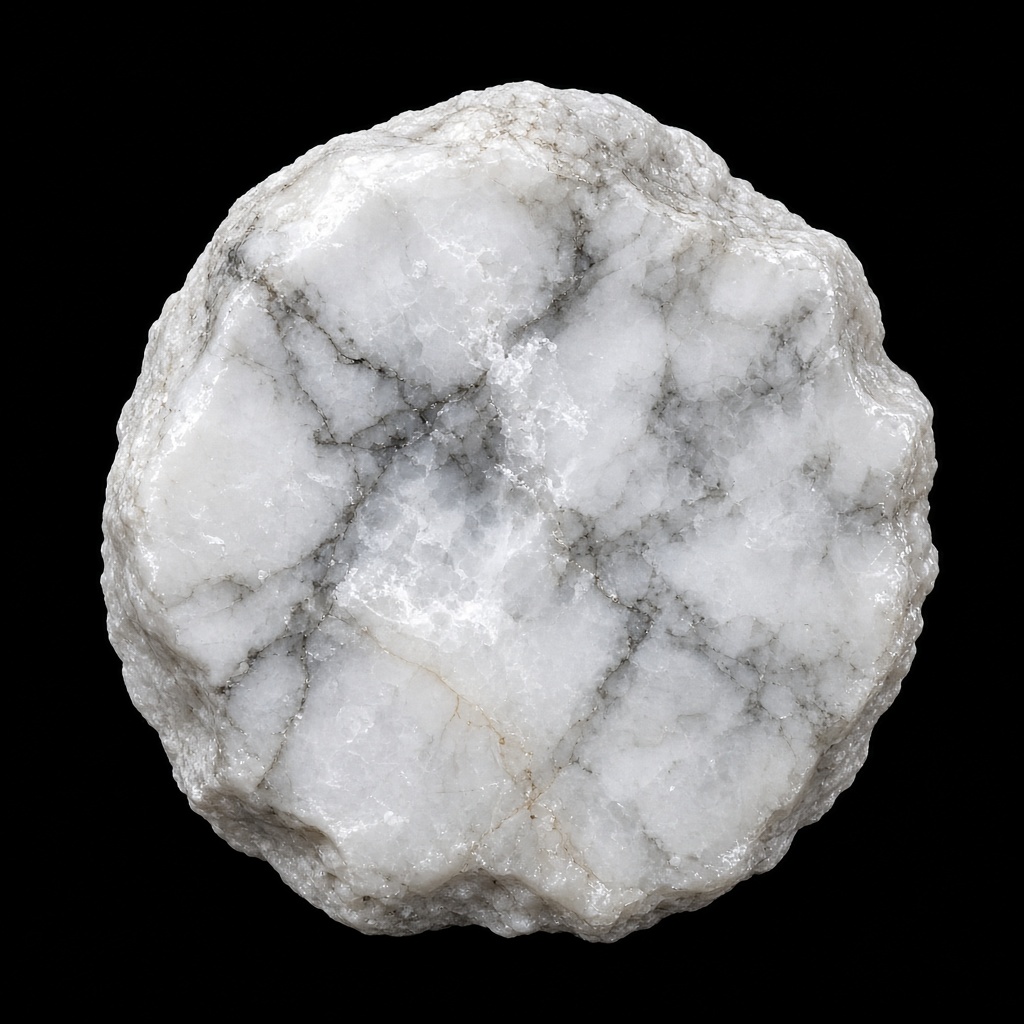
Browse all: rocks · minerals · crystals · directory · what rock is this · rock vs mineral vs crystal. Confirm with the online studio or rock identifier app.