Rock guide
How to Identify Conglomerate
Coarse clastic sedimentary rock
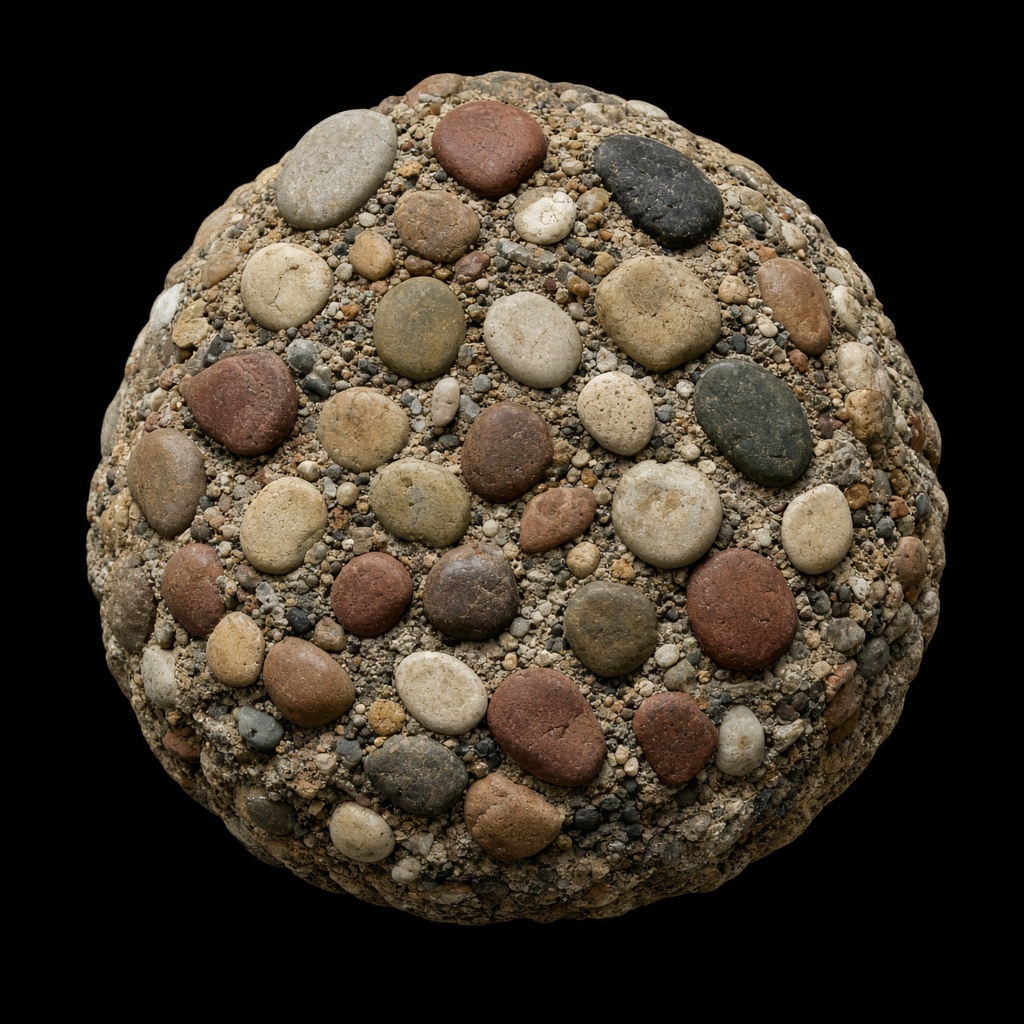
Conglomerate is a coarse sedimentary rock of rounded gravel pebbles cemented in a finer matrix. Identify it by water-rounded clasts locked in rock — angular rubble is breccia, not conglomerate.
About Conglomerate
Conglomerate is a coarse sedimentary rock of rounded gravel pebbles cemented in a finer matrix. Identify it by water-rounded clasts locked in rock — angular rubble is breccia, not conglomerate.
Conglomerate is filed under rocks in the RockScan directory. Composition: Rounded gravel clasts + sand matrix + cement. It forms via high-energy deposition of rounded pebbles. Typical occurrence: Worldwide alluvial and shoreline deposits. For the broader method, see how to identify rock types.
Conglomerate properties
| Mohs hardness | Variable |
|---|---|
| Class | rock |
| Scientific name | Coarse clastic sedimentary rock |
| Color | Multicolor rounded clasts |
| Luster | Dull |
| Crystal system / texture | Clastic aggregate |
| Composition | Rounded gravel clasts + sand matrix + cement |
| Formation | High-energy deposition of rounded pebbles |
| Occurrence | Worldwide alluvial and shoreline deposits |
How to identify Conglomerate
- Rounded pebbles cemented together.
- Coarse grain size (gravel).
- Matrix may be sand or finer sediment.
Lookalikes to rule out
- Breccia: Breccia clasts are angular; conglomerate clasts are rounded pebbles.
- Concrete: Concrete often shows artificial uniformity and Portland cement matrix; natural conglomerate has geologic sorting/rounding.
- Tillite: Glacial tillite can look chaotic; classic conglomerate shows water-rounded clasts in sedimentary beds.
Photo tips for Conglomerate ID
- Fill the frame with rounded pebble clasts in matrix — the diagnostic look.
- Include a scale; pebble size variation tells the depositional story.
- Shoot a cut or broken face if available to show clasts in 3D.
Snap one specimen in natural light, then open the result in the online studio or the rock identifier app.
Conglomerate FAQ
How do you identify conglomerate rock?
Look for rounded pebbles locked in a cemented matrix. Angular fragments would suggest breccia instead.
Conglomerate vs breccia?
Rounding: conglomerate = rounded clasts; breccia = angular.
Is conglomerate valuable?
Usually as educational/display stone rather than gem material. Value is geologic interest, not carat price.
How to identify conglomerate rock
Collectors search “how to identify conglomerate rock” when pebbles cemented in matrix might be breccia or concrete. Use this field checklist:
- Rounded clasts: gravel-sized pebbles are water-rounded — angular rubble points to breccia instead.
- Cemented matrix: pebbles locked in sand or finer sediment, not loose gravel.
- Grain size: coarse (gravel) dominates the look — “pebbles stuck in rock” is the outdoor tell.
- Natural vs concrete: natural clast variety and irregular cement beat uniform Portland-concrete mix.
- Photo first: fill the frame with rounded pebbles in matrix, then confirm with RockScan.
Conglomerate vs breccia vs concrete
- Breccia: Angular clasts from breakage nearby; conglomerate clasts are rounded by transport.
- Concrete: Artificial uniformity and Portland cement matrix; natural conglomerate shows varied rounded pebbles.
- Tillite: Glacial chaos can look unsorted; classic conglomerate shows water-rounded stream/beach clasts.
Photo tips for conglomerate ID
Frame rounded pebble clasts in matrix with a scale coin; a broken face shows 3D clasts. Compare sandstone, limestone, and shale, then confirm in the online studio or rock identifier app.
Related rocks to compare
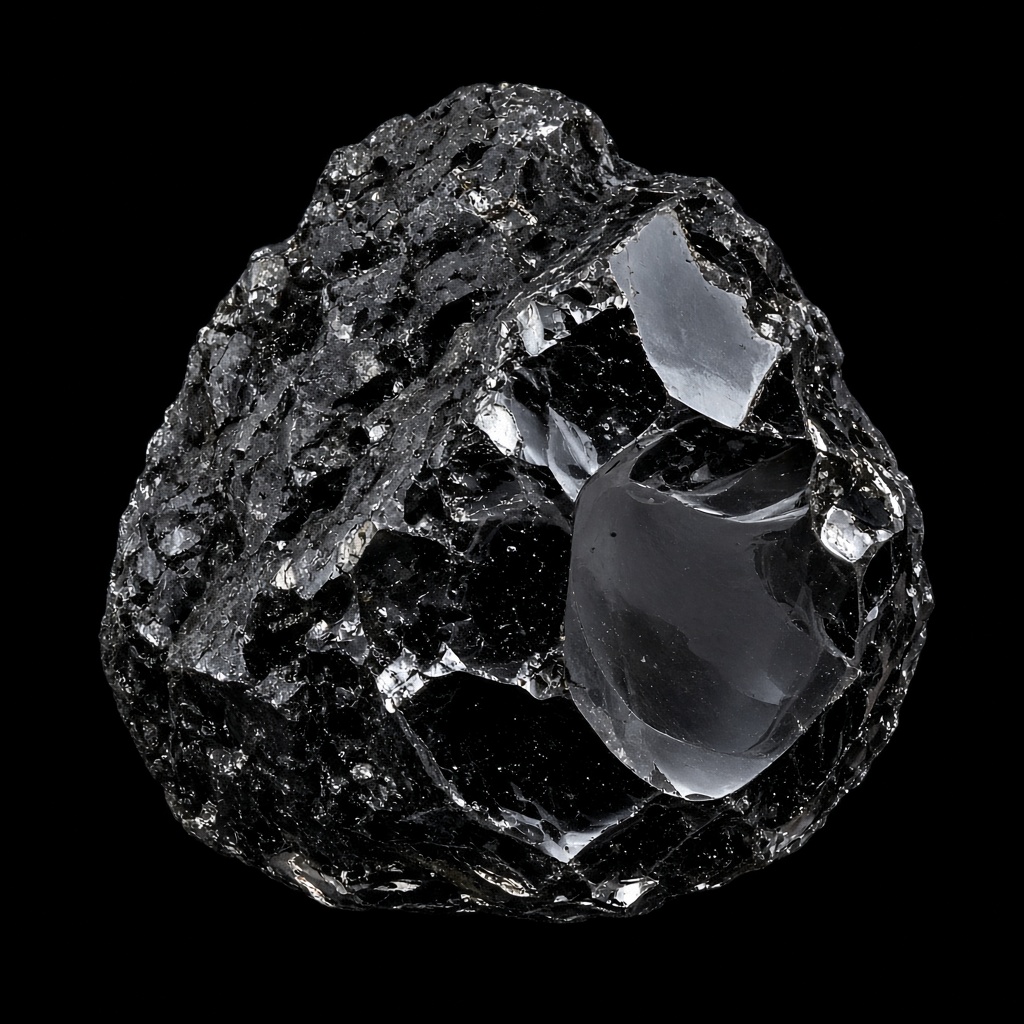
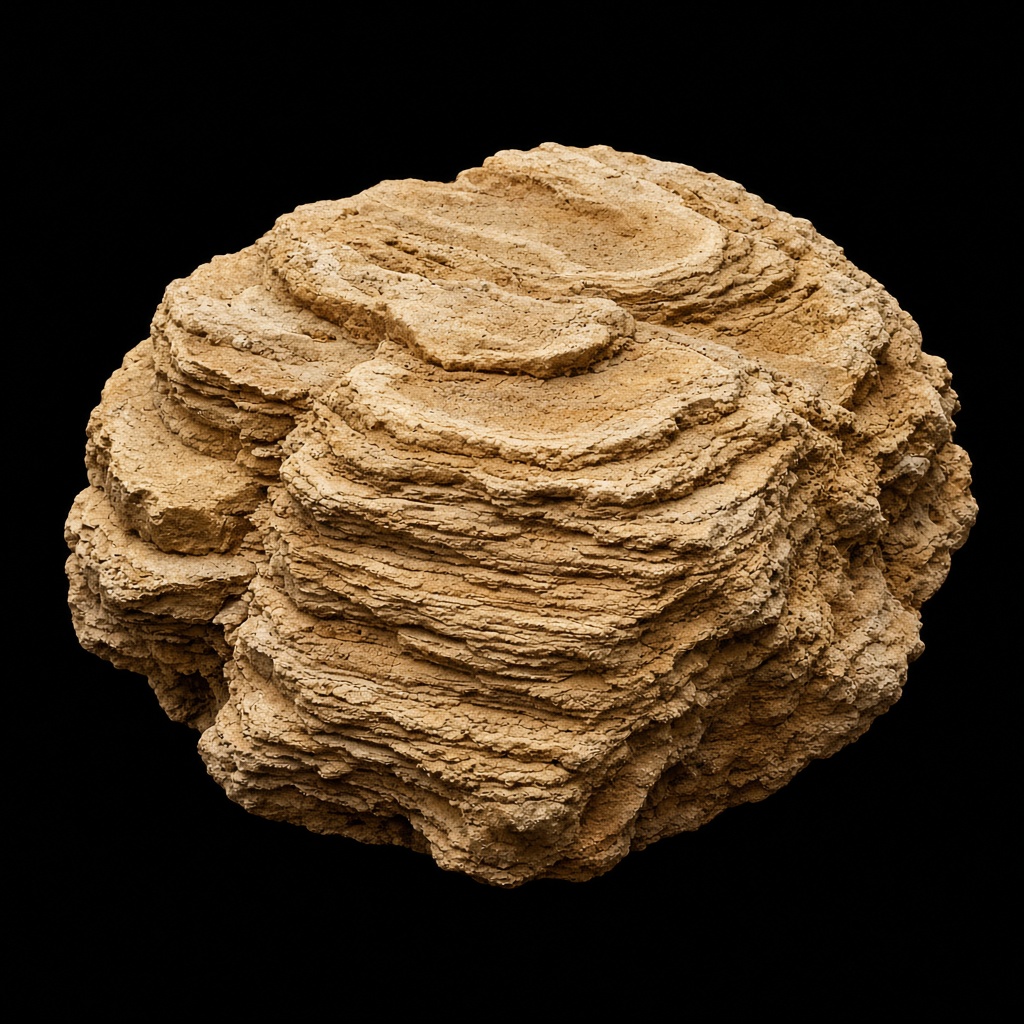
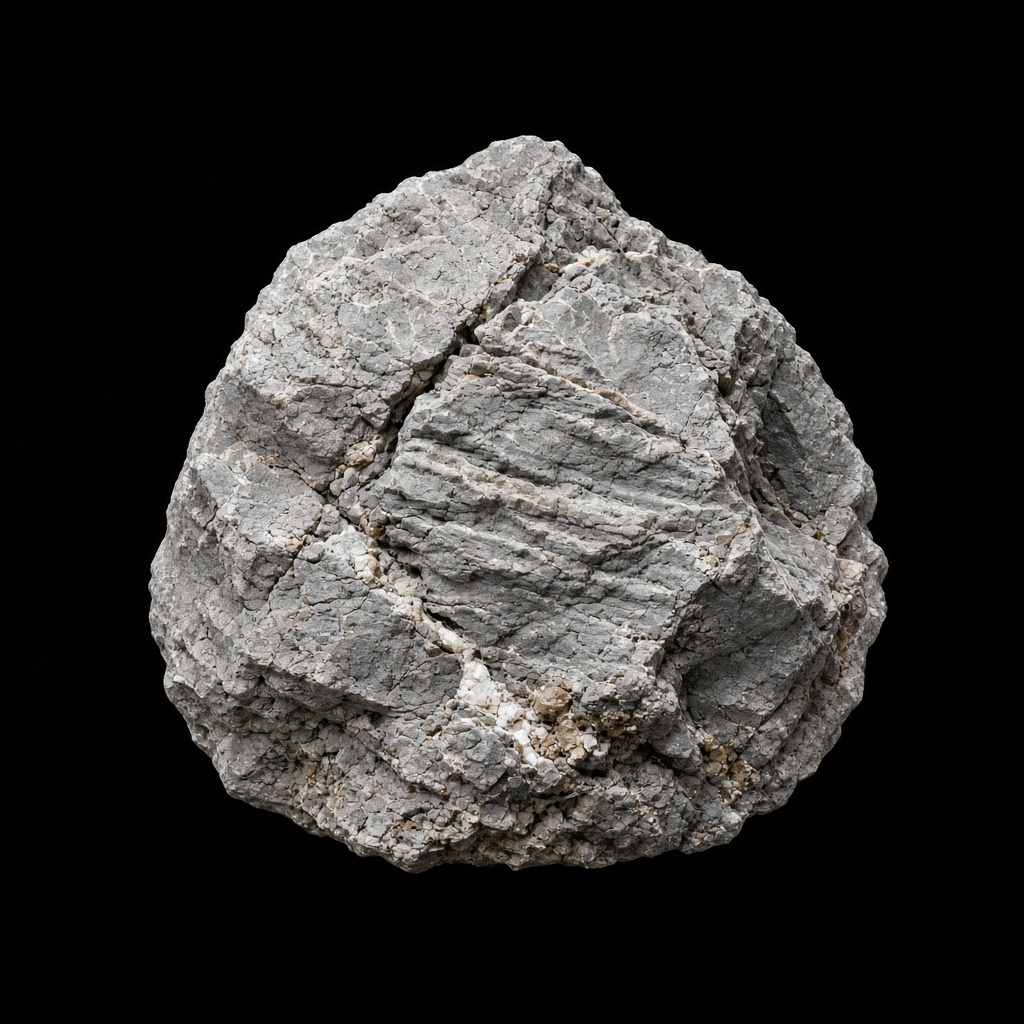
Browse all: rocks · minerals · crystals · directory · what rock is this · rock vs mineral vs crystal. Confirm with the online studio or rock identifier app.