Mineral guide
How to Identify Dolomite
CaMg(CO₃)₂
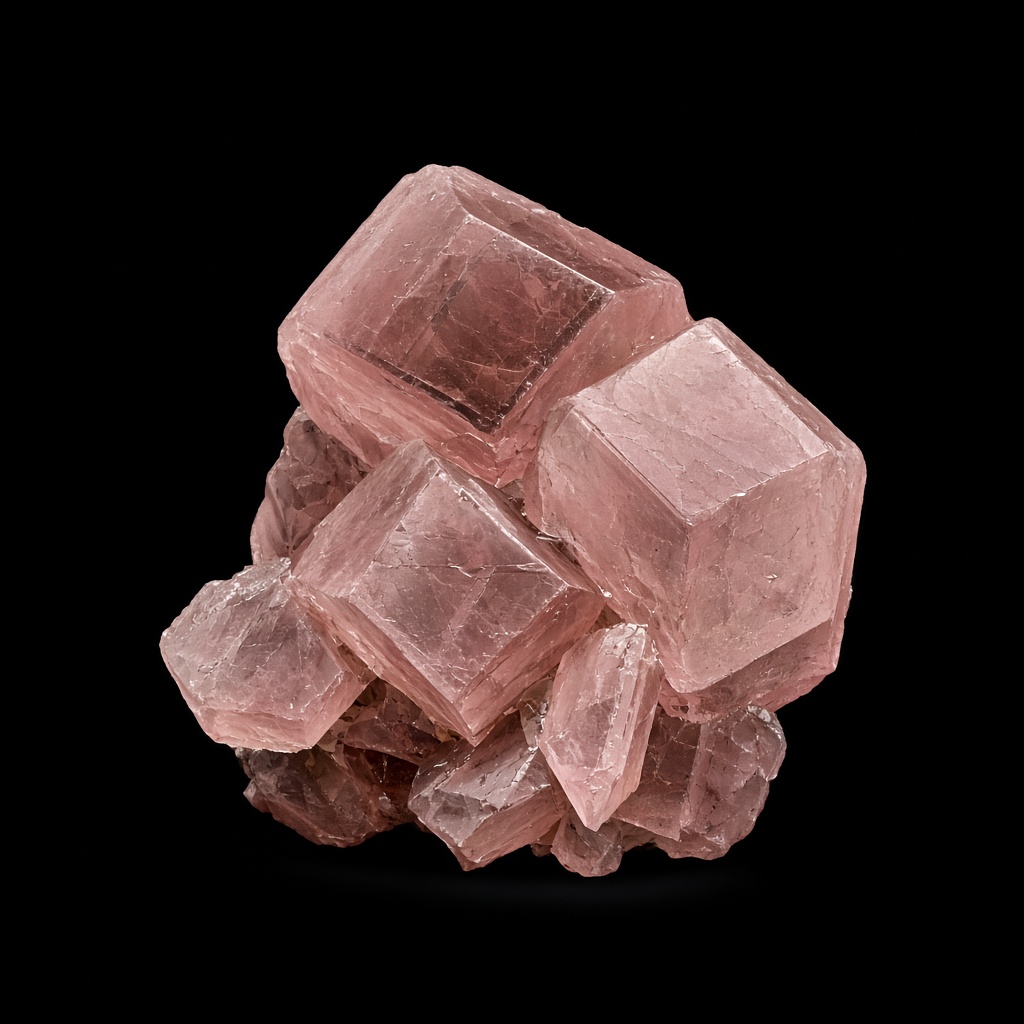
Dolomite is a calcium-magnesium carbonate (CaMg(CO₃)₂) forming white-to-pink rhombohedral crystals with pearly luster. Identify it by rhomb habit, Mohs 3.5–4 hardness, and a sluggish acid reaction — powdered grains fizz where calcite fizzes instantly.
About Dolomite
Dolomite is a calcium-magnesium carbonate (CaMg(CO₃)₂) forming white-to-pink rhombohedral crystals with pearly luster. Identify it by rhomb habit, Mohs 3.5–4 hardness, and a sluggish acid reaction — powdered grains fizz where calcite fizzes instantly.
Dolomite is filed under minerals in the RockScan directory. Composition: Calcium magnesium carbonate. It forms via dolomitization of limestones; hydrothermal veins. Typical occurrence: Worldwide; Italy (type), Alps, USA, Middle East carbonates. For the broader method, see how to identify rock types.
Dolomite properties
| Mohs hardness | 3.5–4 |
|---|---|
| Class | mineral |
| Scientific name | CaMg(CO₃)₂ |
| Color | White, pink, gray |
| Luster | Vitreous to pearly |
| Crystal system / texture | Trigonal |
| Composition | Calcium magnesium carbonate |
| Formation | Dolomitization of limestones; hydrothermal veins |
| Occurrence | Worldwide; Italy (type), Alps, USA, Middle East carbonates |
How to identify Dolomite
- Rhombohedral crystals or saddle-shaped aggregates; pearly luster.
- Mohs 3.5–4 — harder than calcite, softer than fluorite.
- Weak acid fizz on solid pieces; powder reacts more clearly.
Lookalikes to rule out
- Calcite: Calcite fizzes briskly in dilute acid and sits at Mohs 3; dolomite reacts sluggishly unless powdered and reaches 3.5–4.
- Magnesite: Magnesite is chemically close and needs lab or association cues; dolomite more often shows pink rhombs in carbonate hosts.
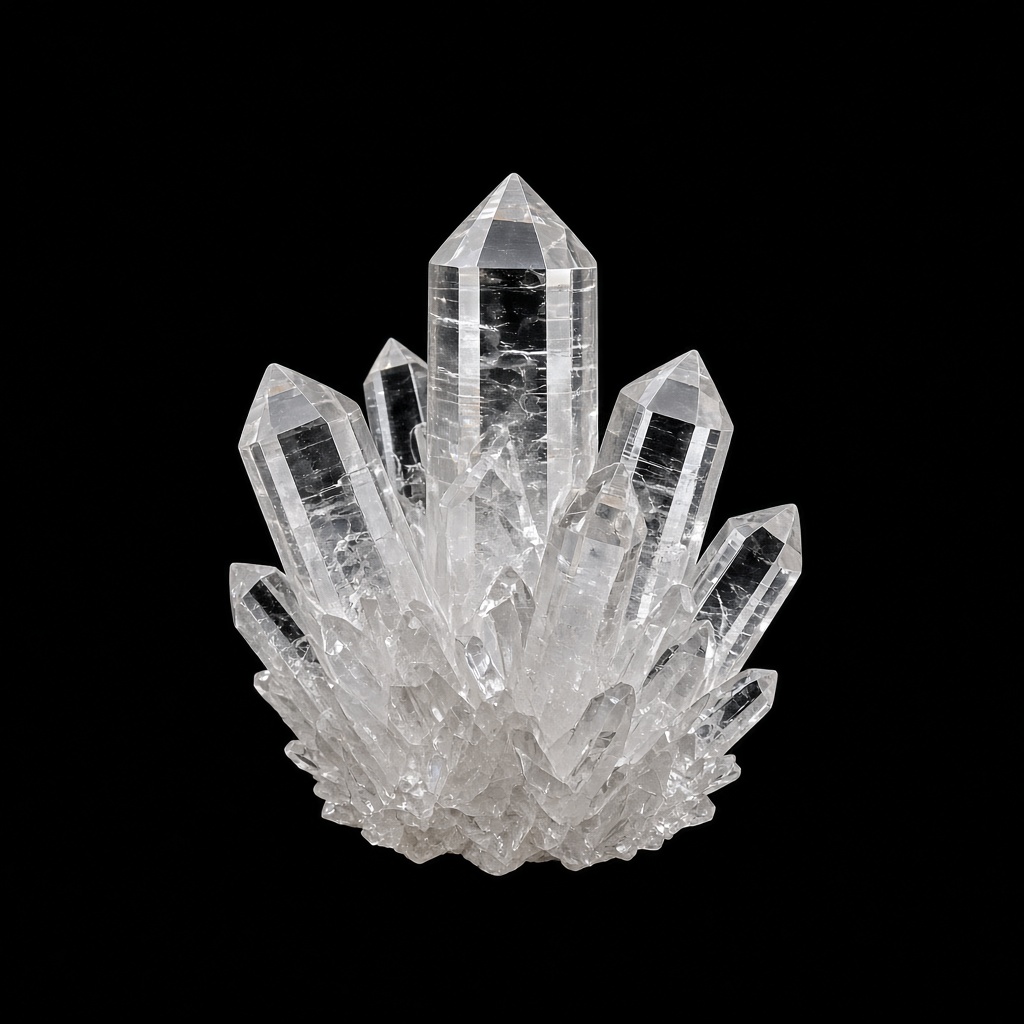
- Quartz: Quartz (Mohs 7) has no rhombohedral cleavage and ignores acid entirely; dolomite cleaves and powders react.
Photo tips for Dolomite ID
- Shoot rhombohedral crystals with raking light so the rhomb faces and cleavage show.
- Document pink-white-gray color variants side by side when possible.
- Photograph crystal clusters in matrix; dolomite rhombs on matrix are highly photogenic.
Snap one specimen in natural light, then open the result in the online studio or the rock identifier app.
Dolomite FAQ
How do you identify dolomite?
Look for pink-white rhombs at Mohs 3.5–4 with a slow acid reaction. Calcite fizzes briskly and scratches easier.
Dolomite vs calcite?
Calcite is softer (3) with instant fizz; dolomite is slightly harder with sluggish fizz unless powdered.
Is dolomite a rock or mineral?
Both terms exist — the mineral CaMg(CO₃)₂ and the dolostone rock built from it. RockScan files the mineral specimen here.
How to identify dolomite
Carbonate minerals blur together until you test hardness and acid response. This sequence separates dolomite from calcite fast:
- Rhomb habit: rhombohedral crystals, often pink, with pearly faces and clean cleavage.
- Hardness 3.5–4: resists a fingernail and scratches calcite — a copper coin helps bracket it.
- Slow fizz: dilute acid barely reacts on solid faces; crush a speck and the powder fizzes.
- Host clues: dolomite marbles and hydrothermal veins with sphalerite or fluorite support the ID.
- Photo confirm: raking-light rhomb shots plus a hardness note, then RockScan against calcite and quartz.
Dolomite vs calcite vs magnesite vs quartz
- Calcite: softer with brisk instant fizz and often stronger double refraction.
- Magnesite: closely similar chemistry — rely on occurrence, association, and lab data for close calls.
- Quartz: much harder with no cleavage and zero acid reaction.
Photo tips for dolomite rhombs
Raking light across rhomb faces shows cleavage geometry that flat light hides. Compare calcite, quartz, and fluorite guides, then confirm in the online studio or rock identifier app.
Related minerals to compare
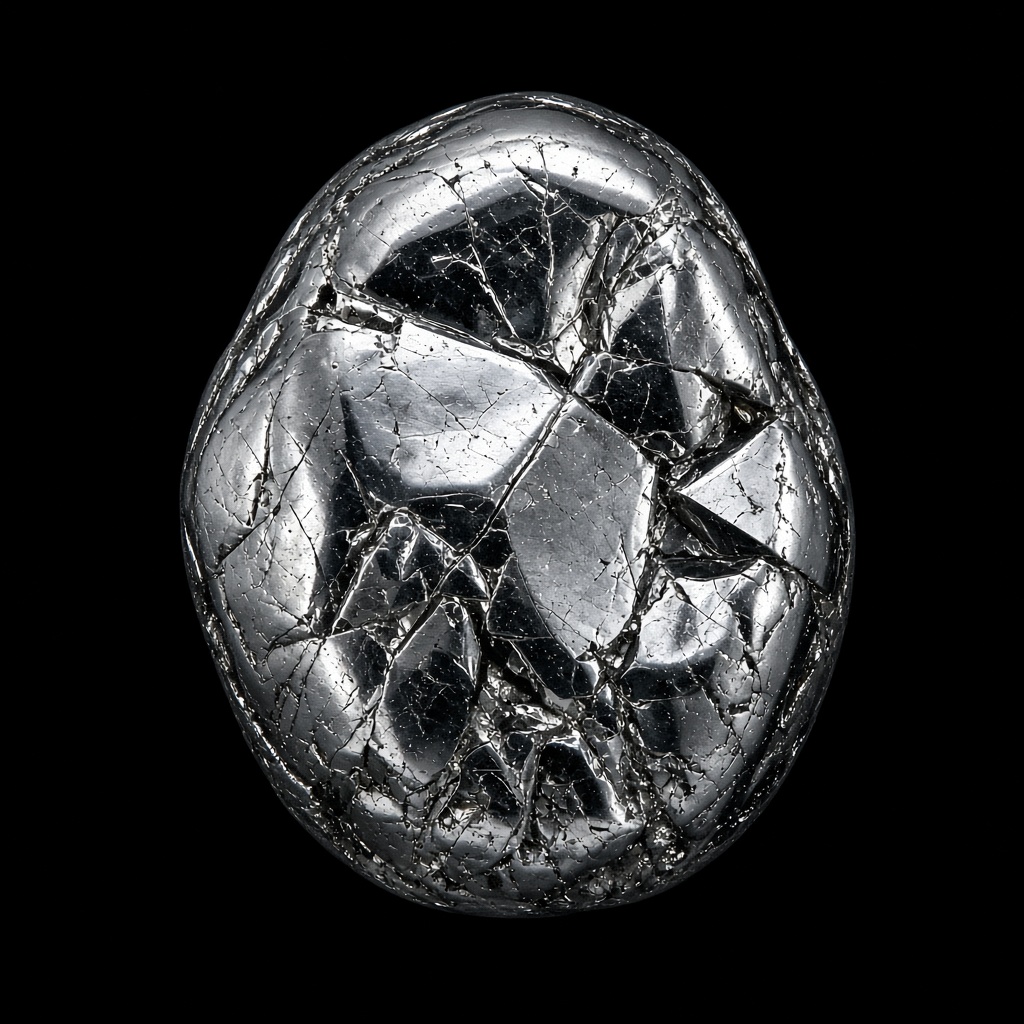
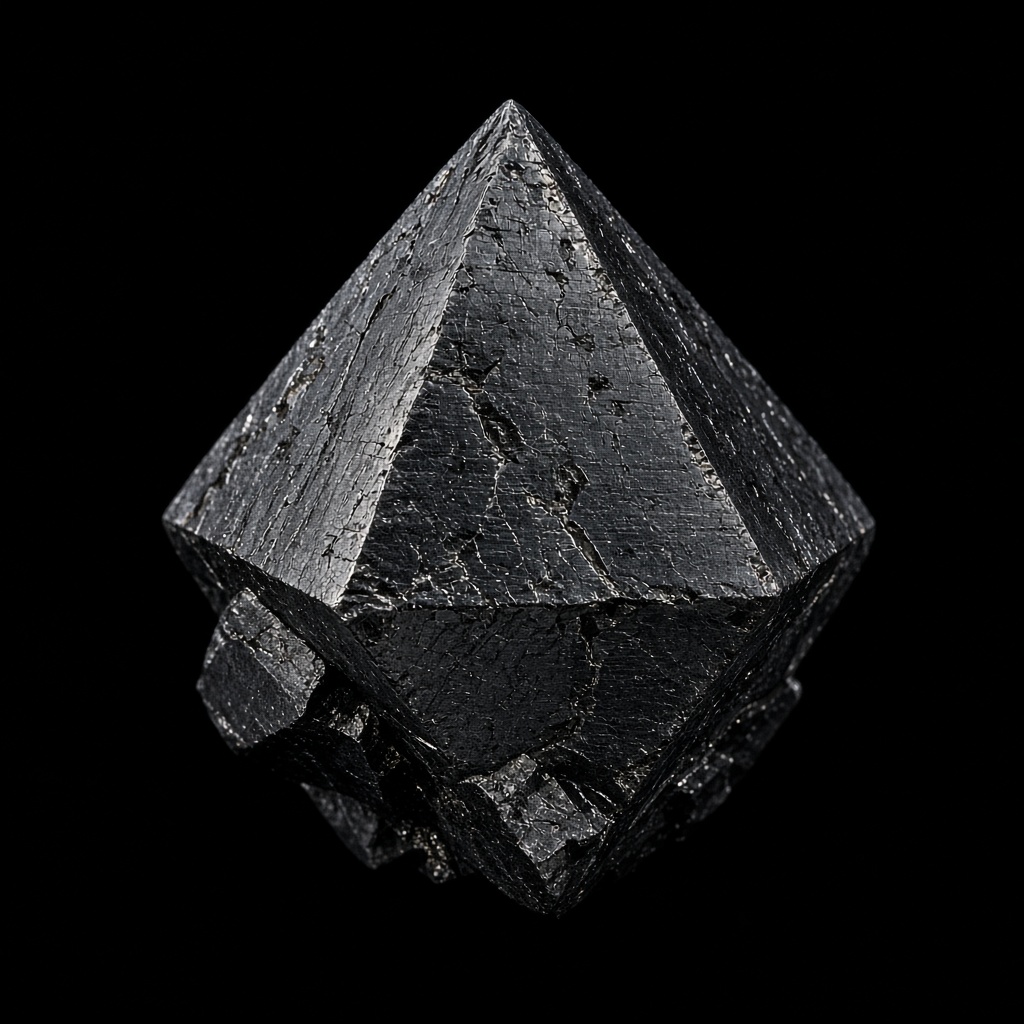
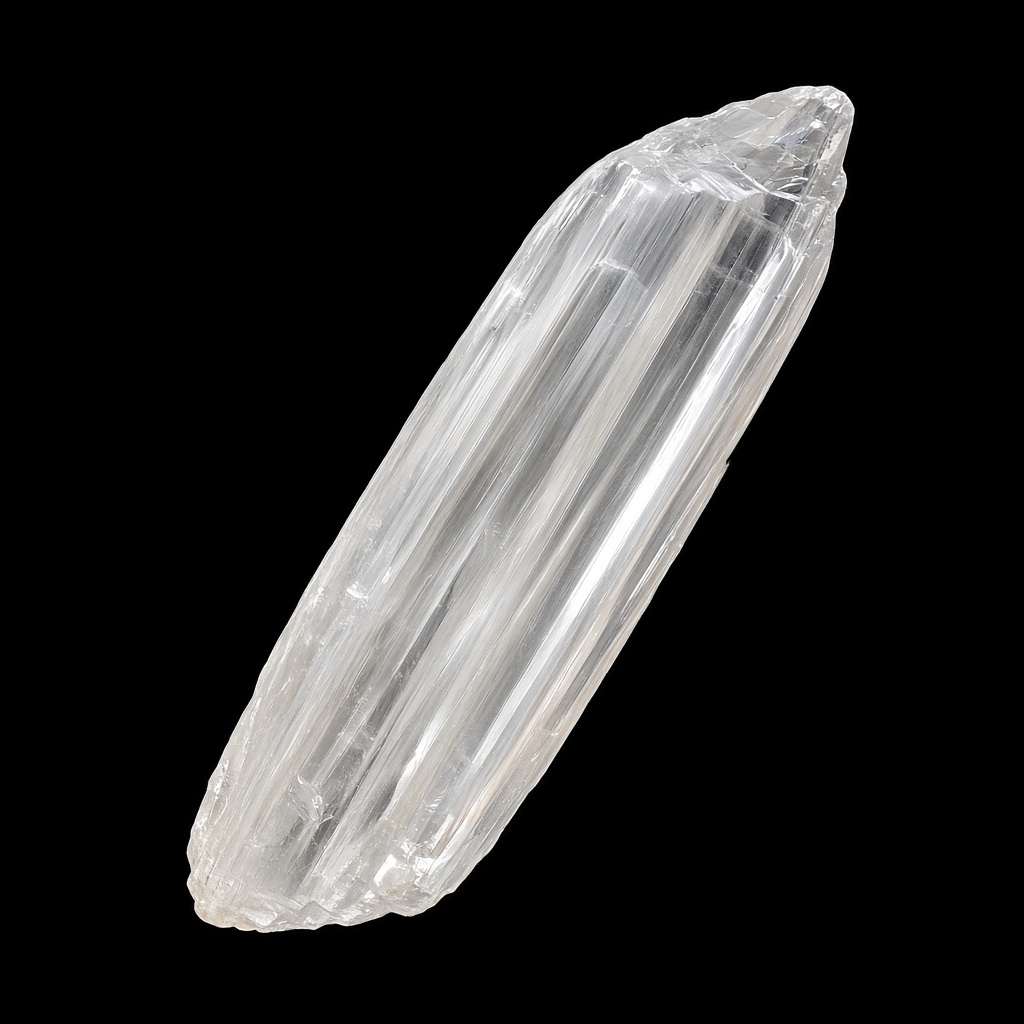
Browse all: rocks · minerals · crystals · directory · what rock is this · rock vs mineral vs crystal. Confirm with the online studio or rock identifier app.