RockScan directory
Crystals: How to Identify Crystals
To identify collector crystals, treat them as minerals with visible habit: check hardness, fracture or cleavage, and color with skepticism (glass and heat treatment are common). Open any crystal below for ID steps, photo tips, and fakes to rule out — geology specimens only, not glassware.
Quick field checks for crystals
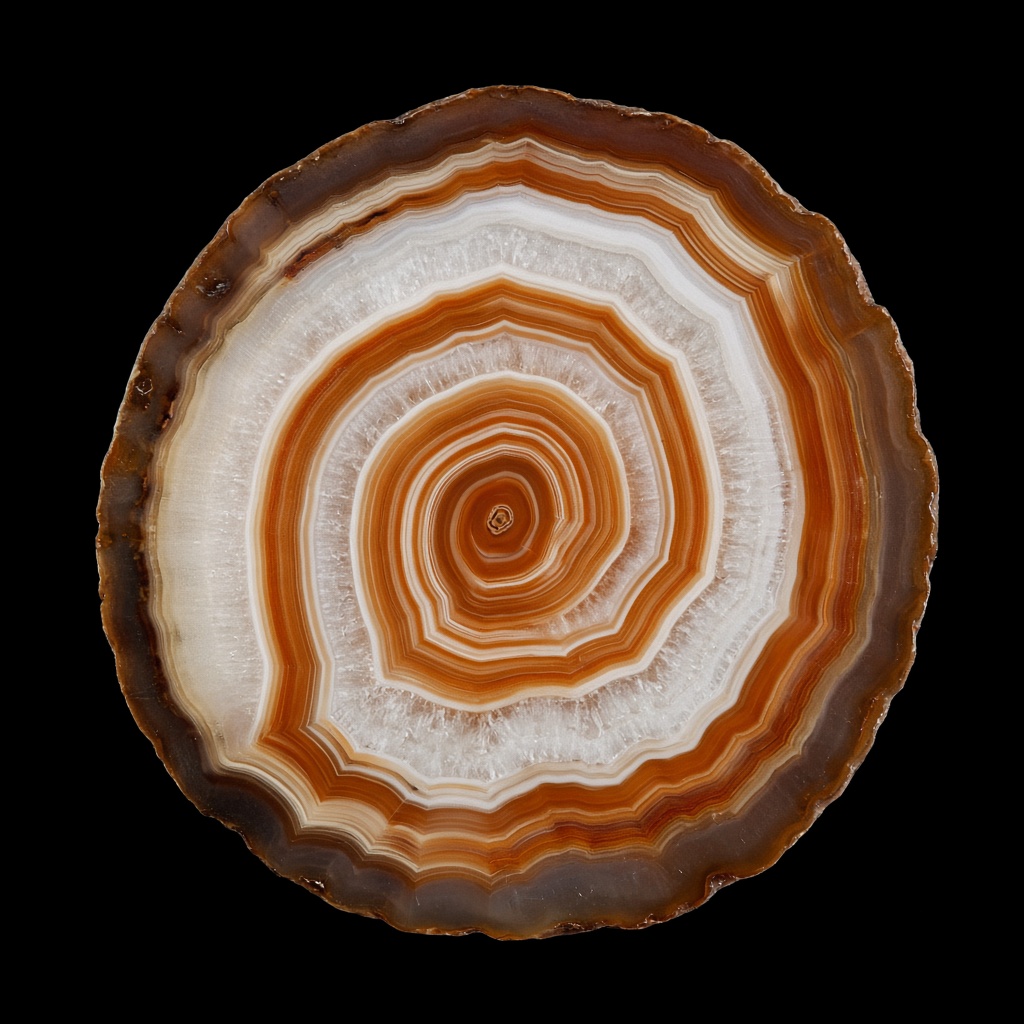
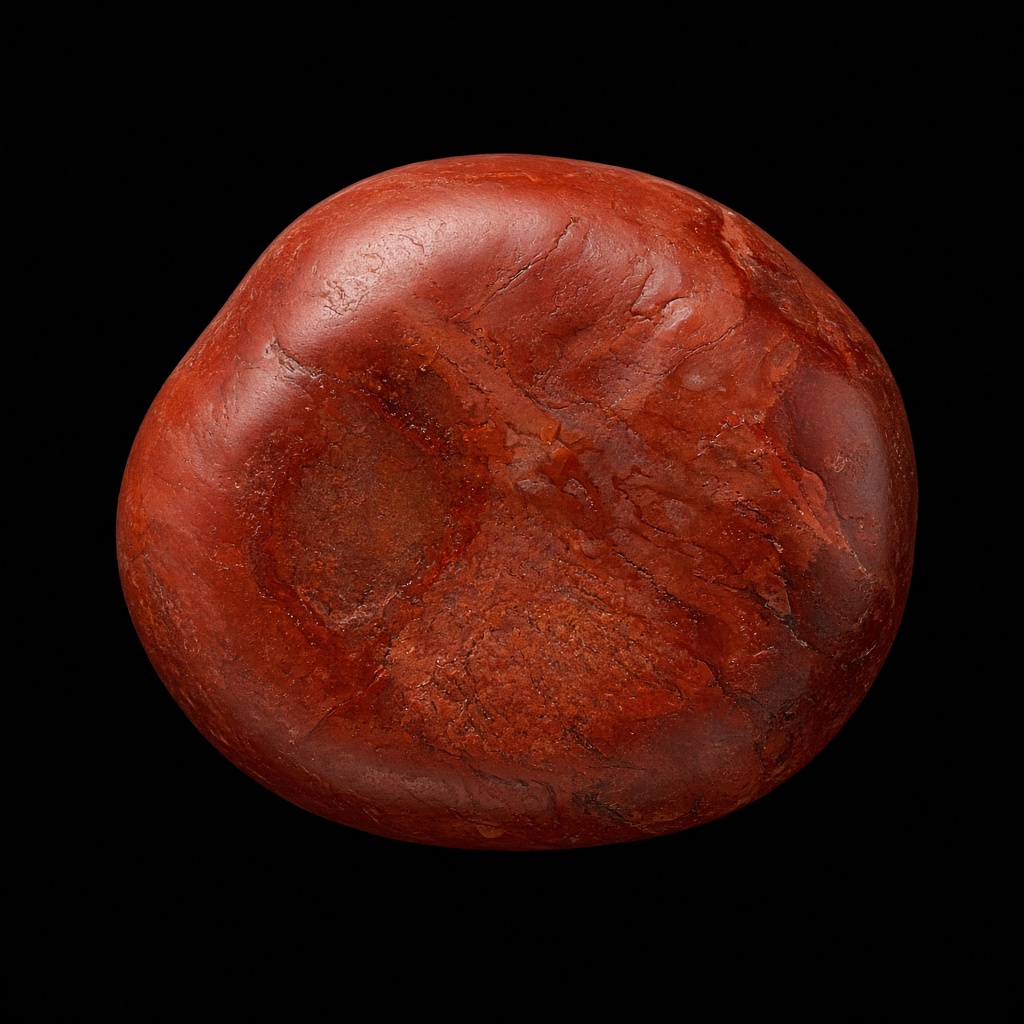
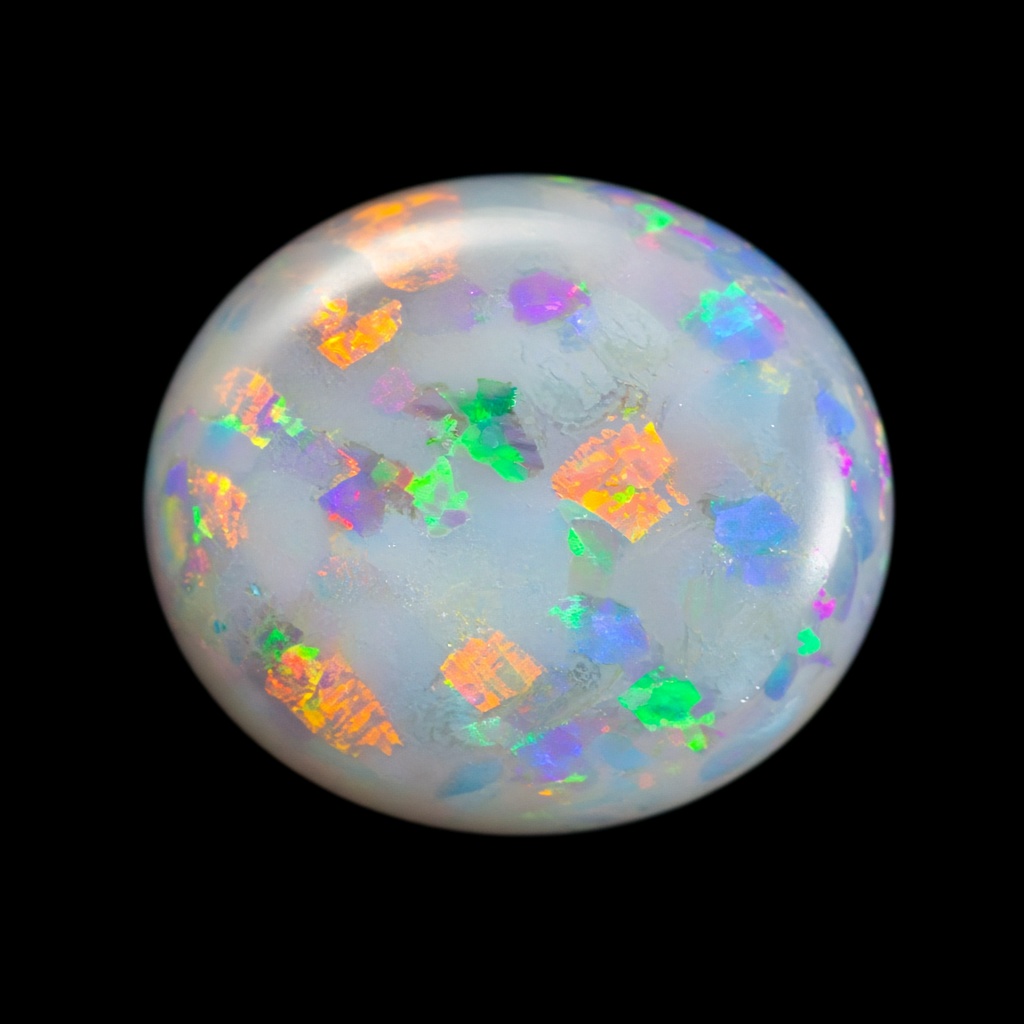
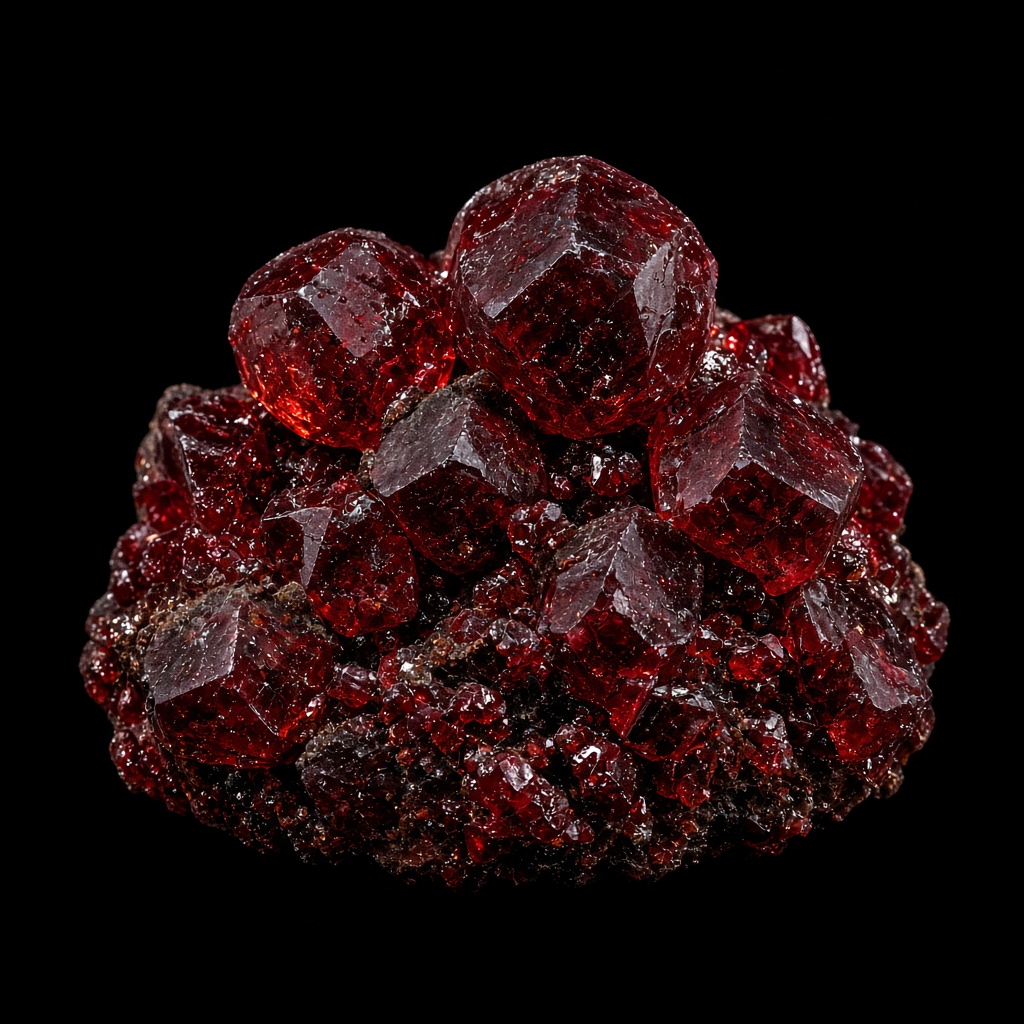
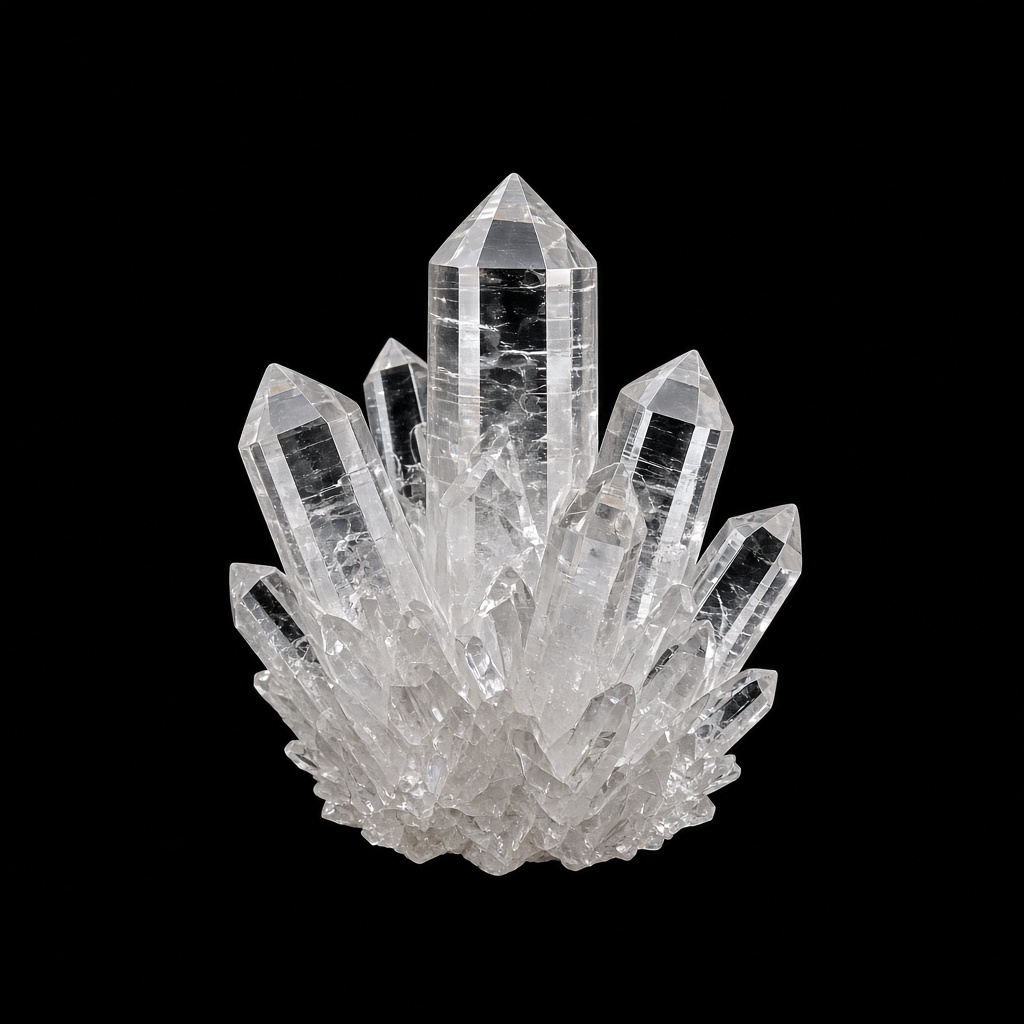
Photo-friendly crystals still need geology checks: quartz-family hardness (~7), banded chalcedony texture in agate/jasper, play-of-color in opal, and isometric habit in garnet. Rule out glass, dyed stone, and heat-treated citrine lookalikes before you trust color alone. Use this hub with the crystal identifier pillar for commercial intent, then open any Batch-1 guide for lookalikes and lighting tips.
Featured how to identify crystals
Start with these deepened guides — each has a dedicated “how to identify …” checklist, lookalikes, and photo tips:
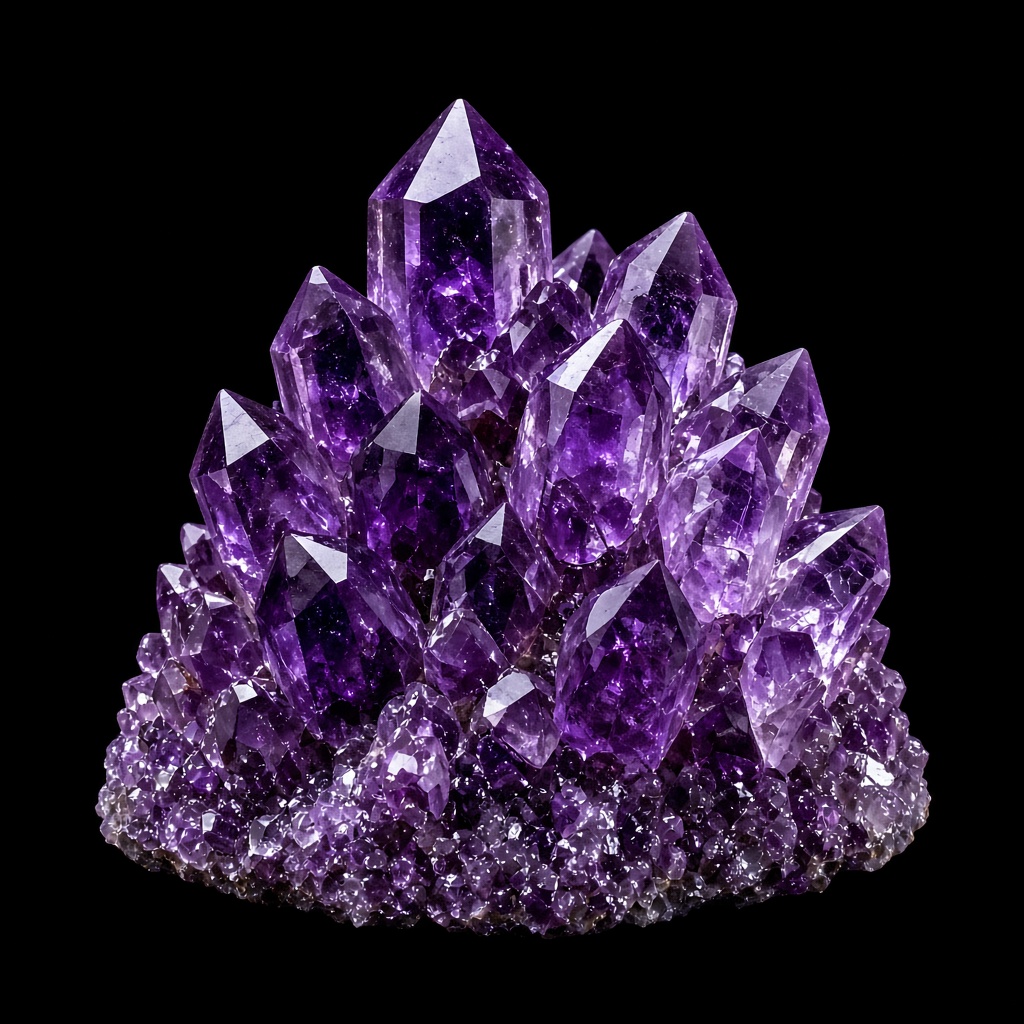
- How to identify amethyst rock
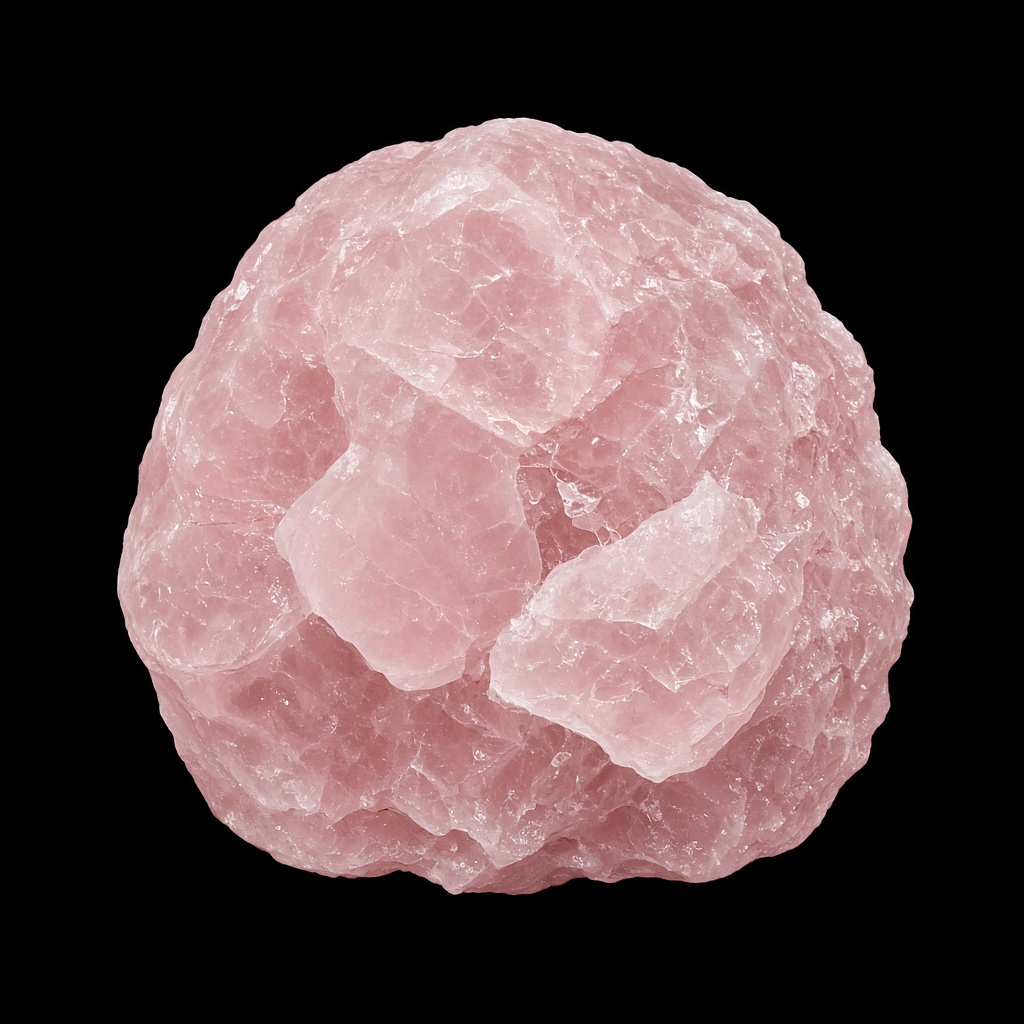
- How to identify rose quartz
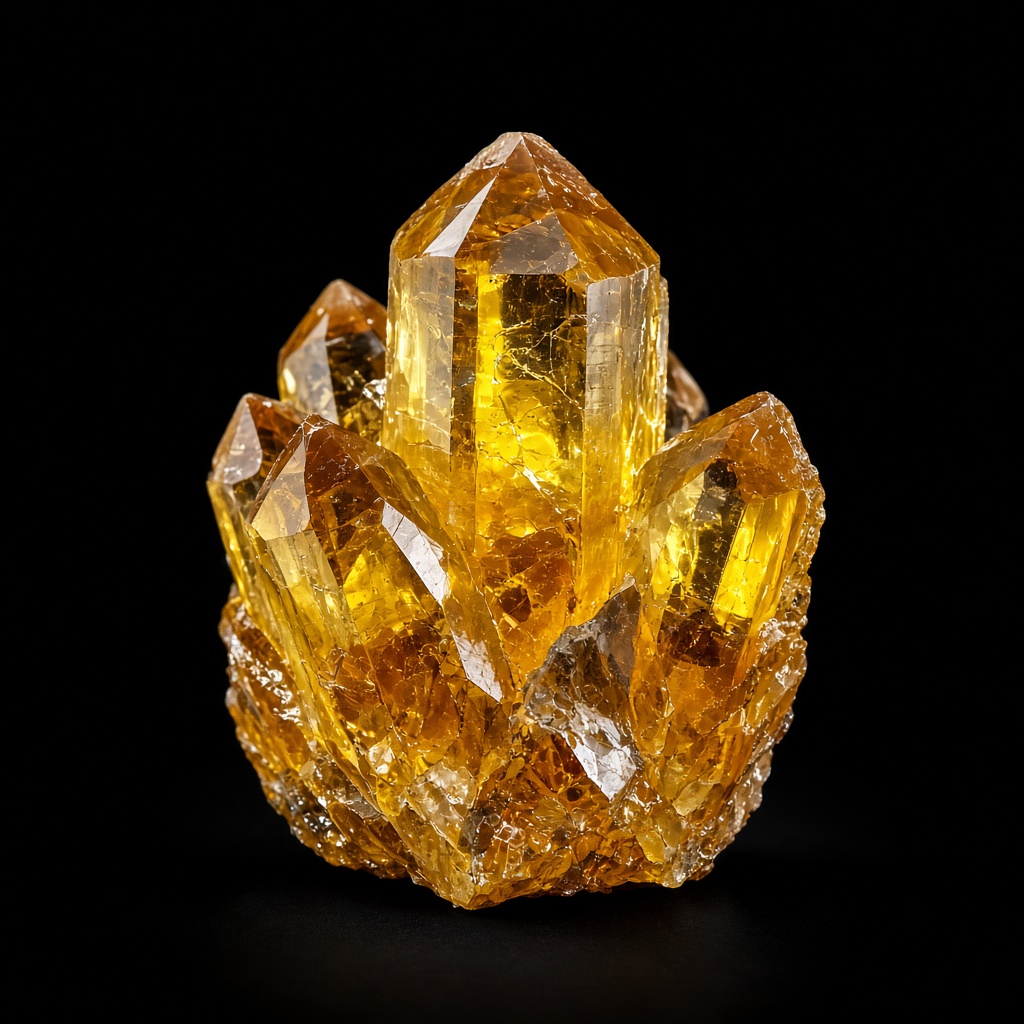
- How to identify citrine
- How to identify an agate rock
- How to identify jasper
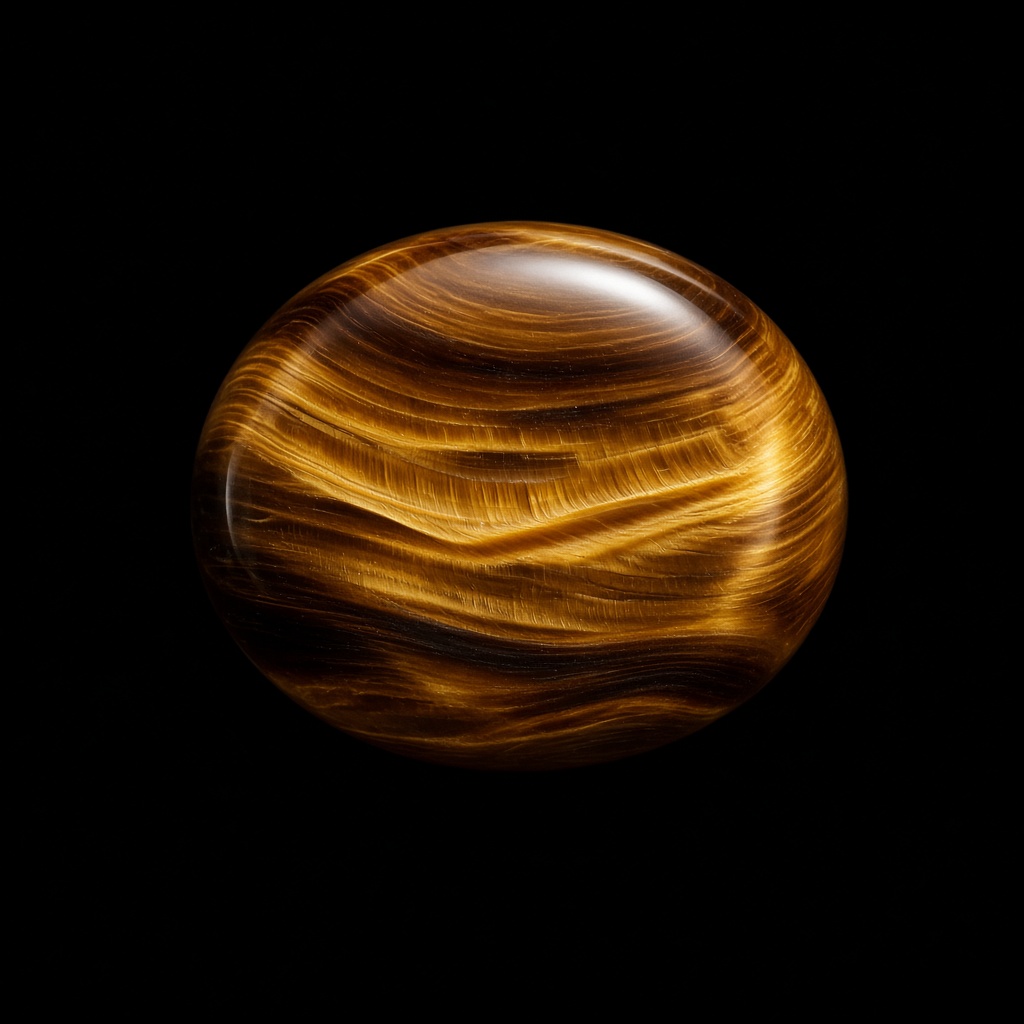
- How to identify tiger's eye
- How to identify opal
- How to identify garnet
- How to identify clear quartz
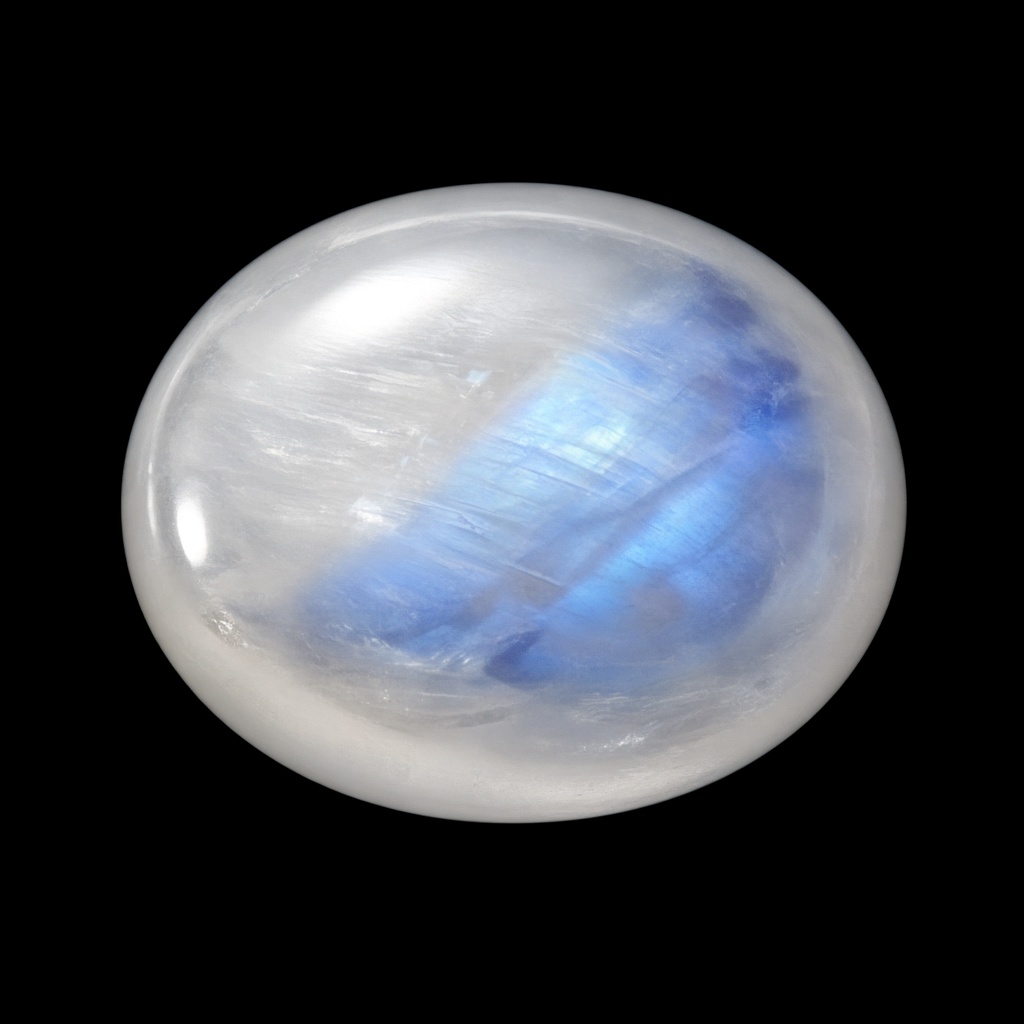
- How to identify moonstone
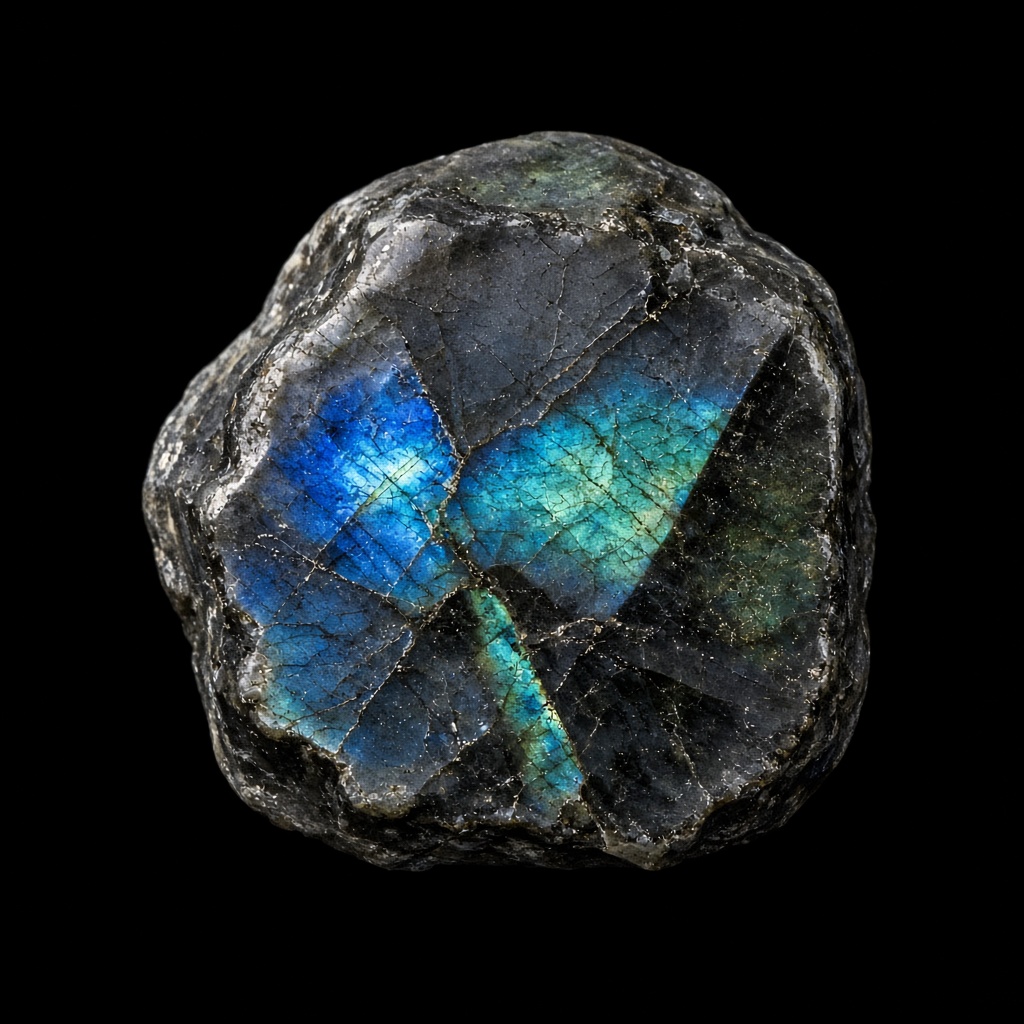
- How to identify labradorite
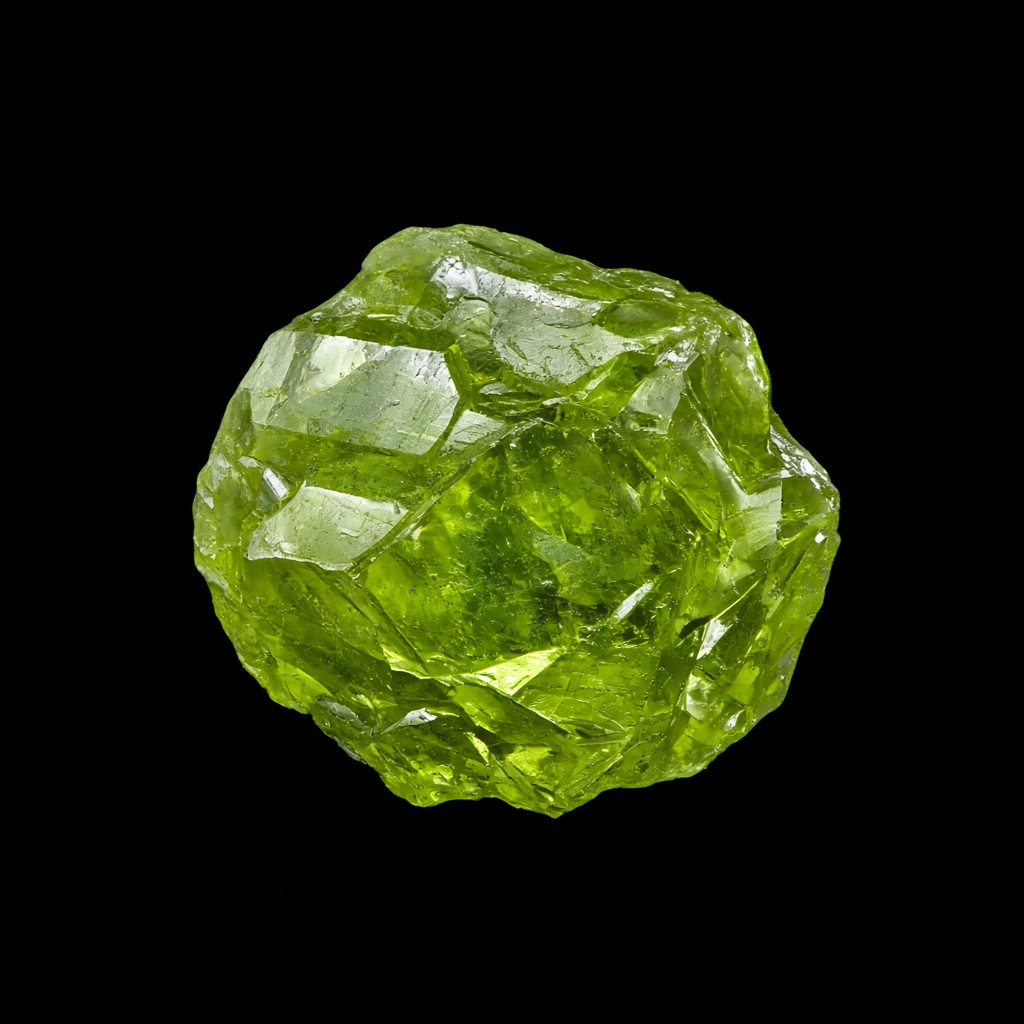
- How to identify peridot
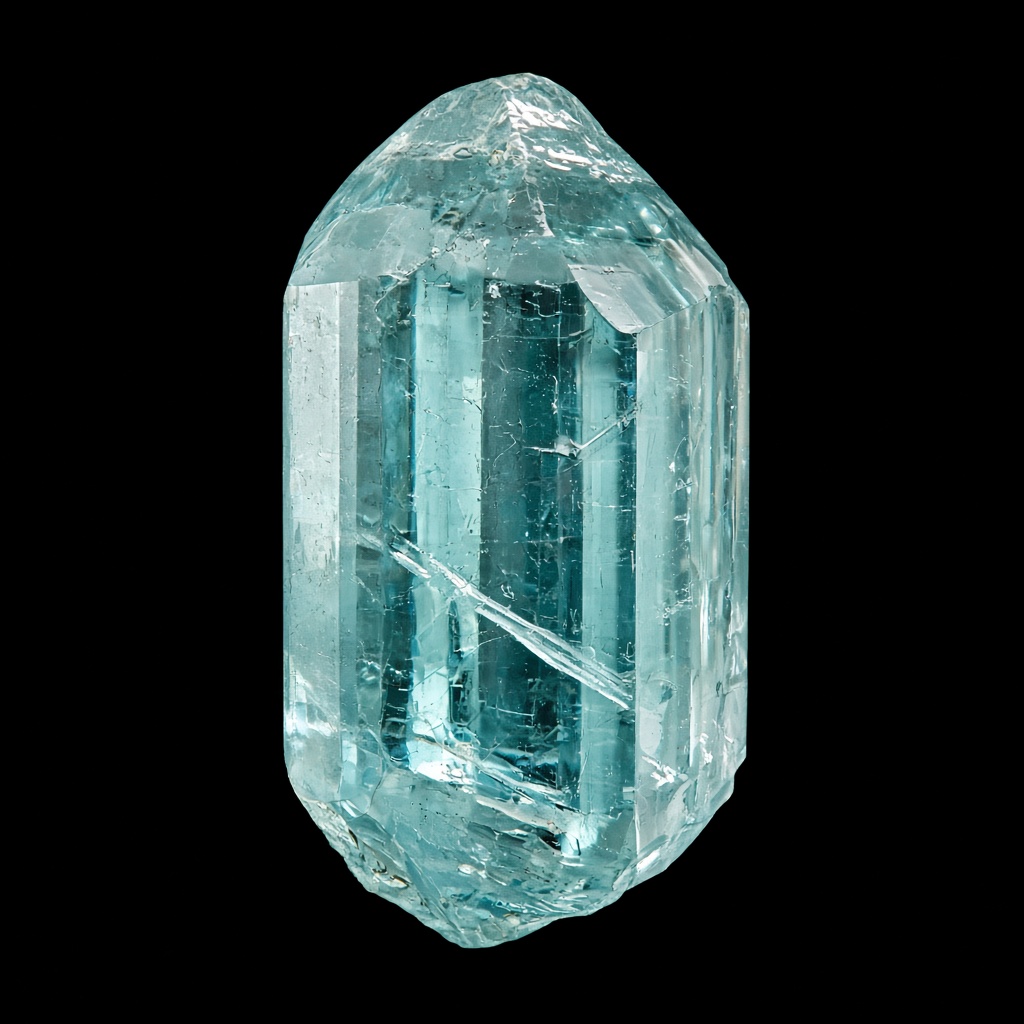
- How to identify aquamarine
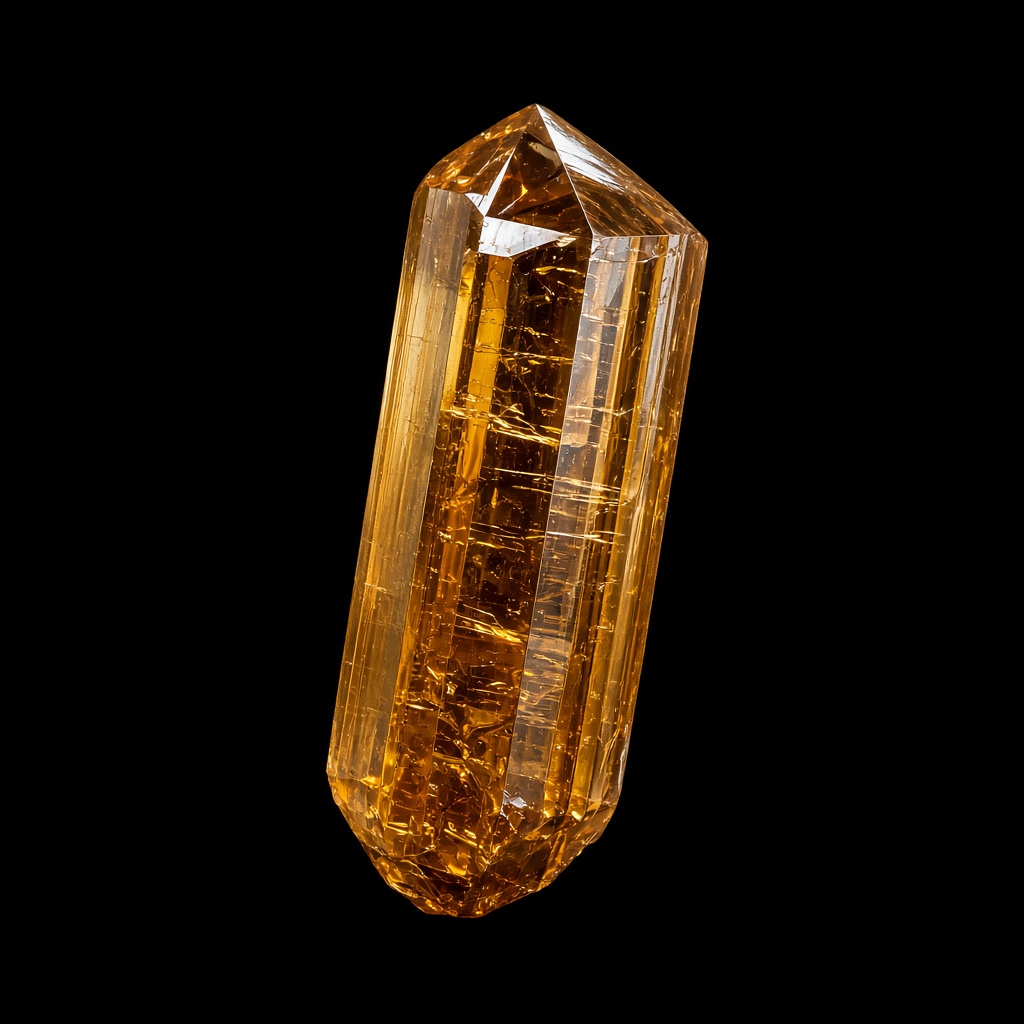
- How to identify topaz
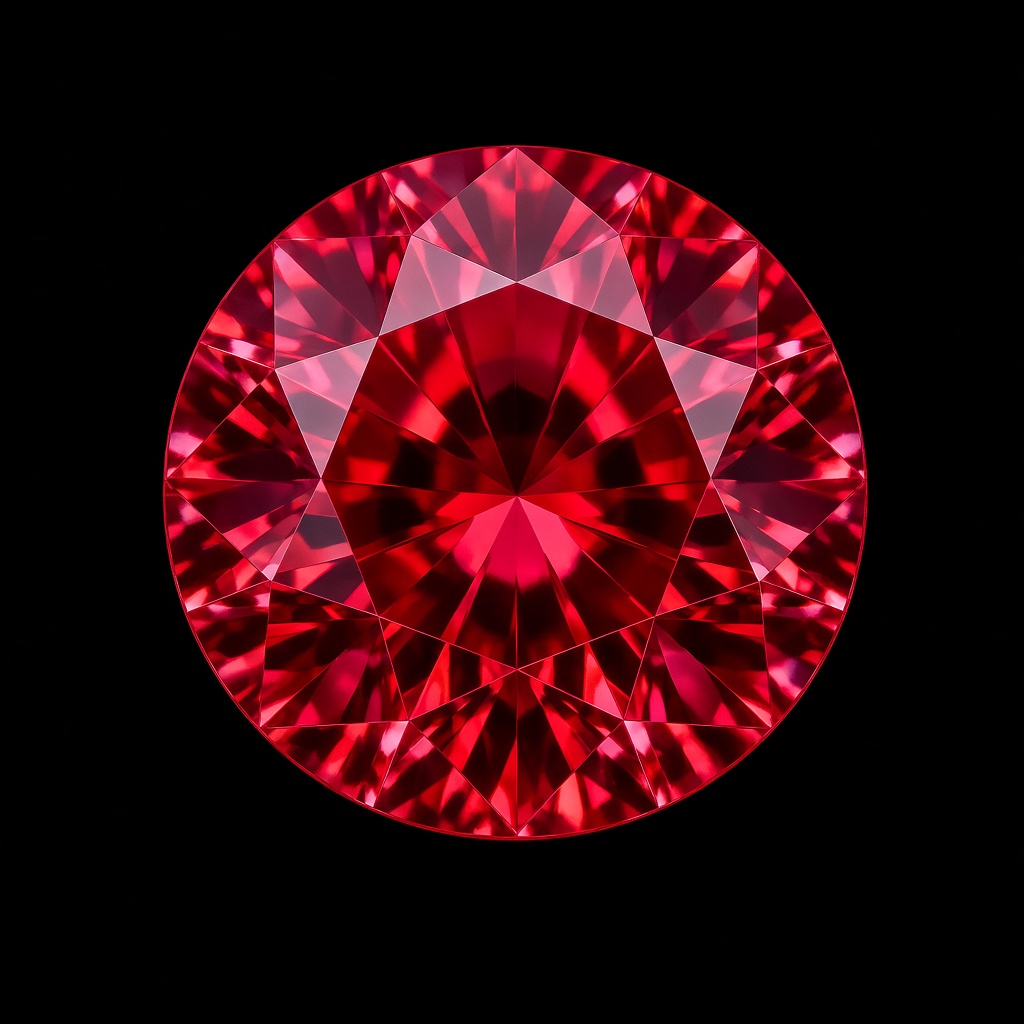
- How to identify spinel
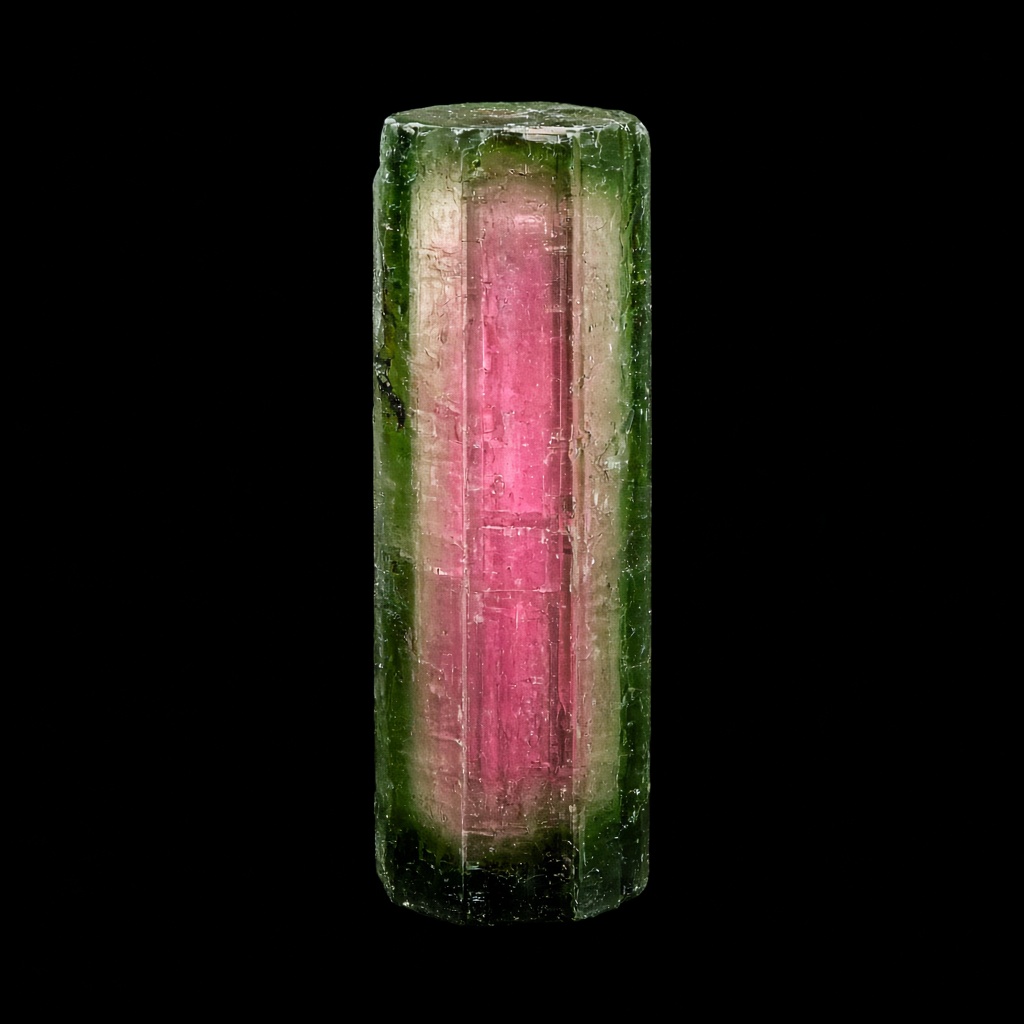
- How to identify tourmaline
How to use this hub
Each crystals page covers the ID checklist, properties, lookalikes, photo tips, and FAQs — with a CTA to the online studio and the rock identifier app. Unsure where to start? Try what rock is this for photo-first ID, read rock vs mineral vs crystal, browse the full directory, or compare the other hubs: rocks, minerals, crystals.