Rock guide
How to Identify Sandstone
Clastic sedimentary rock
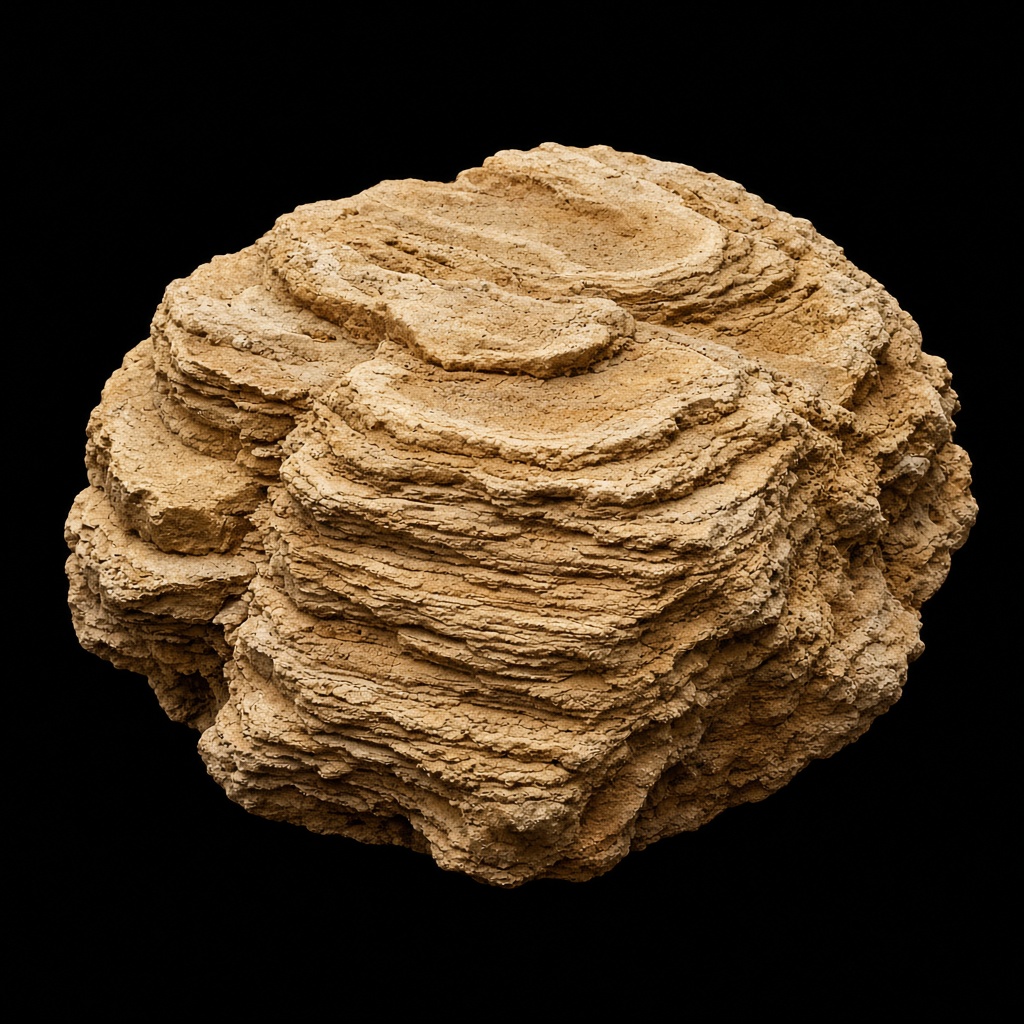
Sandstone is a clastic sedimentary rock of sand-sized grains cemented together. Identify it by a gritty feel, visible sand grains, possible bedding or cross-beds, and a break that often goes around grains rather than through fused quartz.
About Sandstone
Sandstone is a clastic sedimentary rock of sand-sized grains cemented together. Identify it by a gritty feel, visible sand grains, possible bedding or cross-beds, and a break that often goes around grains rather than through fused quartz.
Sandstone is filed under rocks in the RockScan directory. Composition: Sand-sized grains (often quartz) + cement. It forms via deposition and cementation of sand. Typical occurrence: Worldwide sedimentary basins. For the broader method, see how to identify rock types.
Sandstone properties
| Mohs hardness | Variable (quartz grains ~7) |
|---|---|
| Class | rock |
| Scientific name | Clastic sedimentary rock |
| Color | Buff, red, brown, white |
| Luster | Dull to vitreous (grains) |
| Crystal system / texture | Clastic aggregate |
| Composition | Sand-sized grains (often quartz) + cement |
| Formation | Deposition and cementation of sand |
| Occurrence | Worldwide sedimentary basins |
How to identify Sandstone
- Gritty feel; individual sand grains visible.
- May show layers or cross-beds.
- Hardness varies with cement; quartz-rich pieces are tough.
Lookalikes to rule out
- Limestone: Limestone often reacts to dilute acid; sandstone is grit of sand grains and usually does not fizz unless cemented with calcite.
- Quartzite: Quartzite fractures through grains (metamorphosed); sandstone often breaks around grains and feels more granular.
- Siltstone: Siltstone grains are too fine to feel gritty; sandstone feels sandy between fingers.
Photo tips for Sandstone ID
- Macro the grain size — visible sand grains are the story.
- Show bedding or cross-bedding if the outcrop reveals layers.
- Wet a corner in one shot to reveal true color (red beds vs pale quartz sand).
Snap one specimen in natural light, then open the result in the online studio or the rock identifier app.
Sandstone FAQ
How do you identify sandstone?
Feel for grit and look for visible sand grains cemented into rock. Layering is common. Rule out limestone with a careful acid check if you use field tests.
What color is sandstone?
Often tan, brown, red, or grey. Color reflects coatings and cement more than the quartz grains themselves.
Sandstone vs quartzite?
Quartzite is harder, sugary, and breaks through grains; sandstone is more granular and often softer overall.
How to identify sandstone rock
Gritty pale rocks are easy to mix with limestone or metamorphic quartzite. Use this checklist for sandstone:
- Gritty feel: rub a fresh edge — sand grains abrade the fingertip; limestone feels smoother or chalky.
- Grain visibility: individual sand grains (often quartz) visible with the eye or a loupe.
- Break style: often breaks around grains; quartzite breaks through fused grains and feels glassy-tough.
- Bedding clues: flat beds or cross-bedding support sedimentary sandstone over massive quartzite.
- Photo first: macro grit + bedding edge in shade, then RockScan vs limestone and quartzite.
Sandstone vs quartzite vs limestone
- Quartzite: metamorphosed sand fused hard (~Mohs 7); breaks through grains; less gritty “cemented sand” feel.
- Limestone: carbonate, often duller, may show fossils; softer (~3–4) vs quartz-rich sandstone.
- Siltstone: finer than sand; feels smoother, less abrasive grit.
Photo tips for sandstone ID
Macro of grit, one bedding-edge shot, and a scale coin. Dampen a corner to pop grain contrast, keep a dry shot for color. Compare quartzite, limestone, and conglomerate, then confirm in the online studio or rock identifier app.
Related rocks to compare
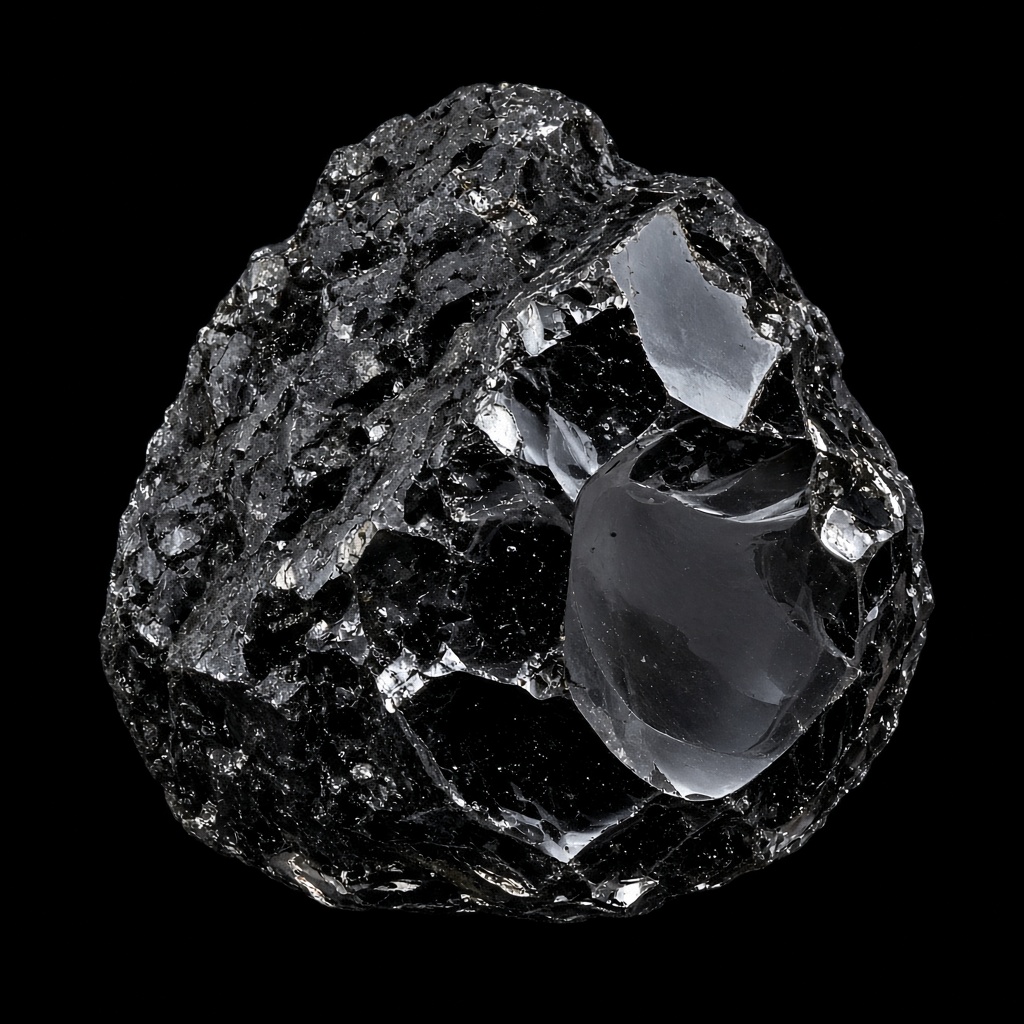
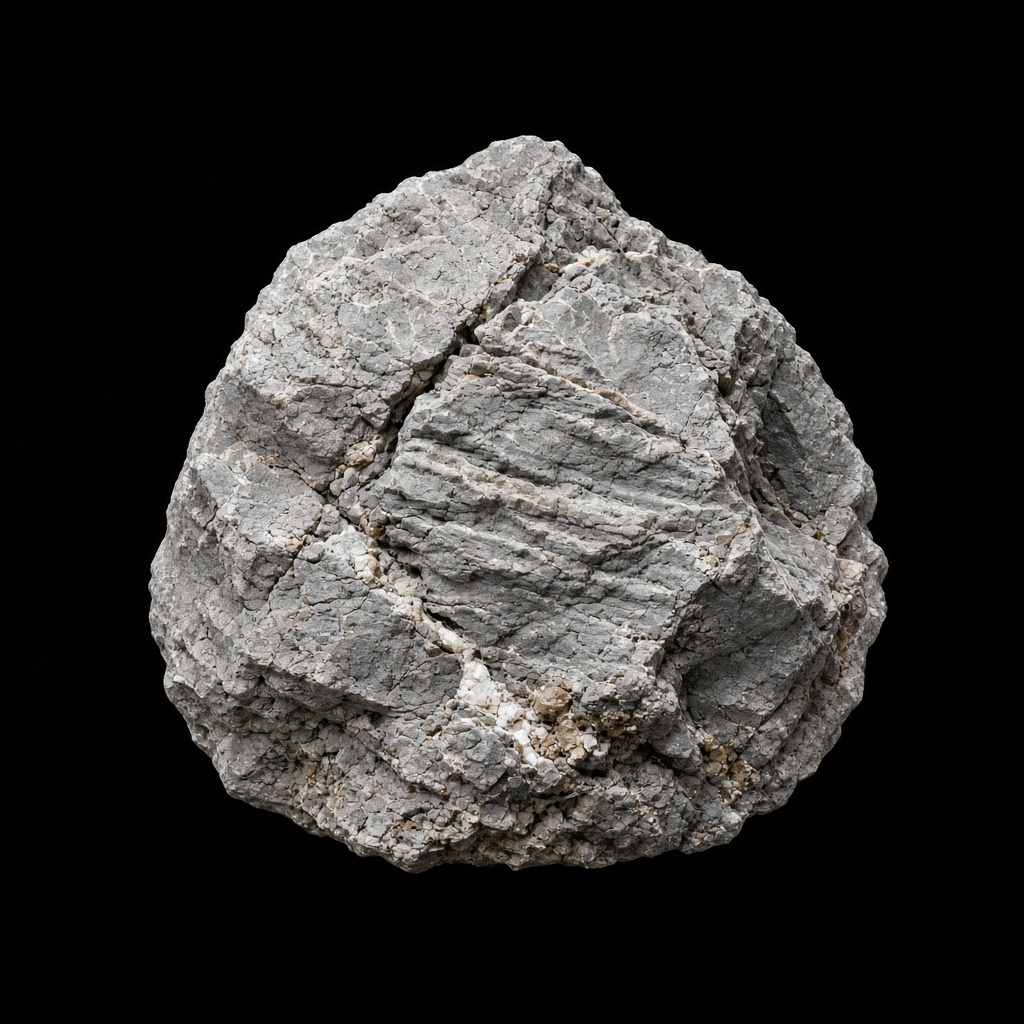
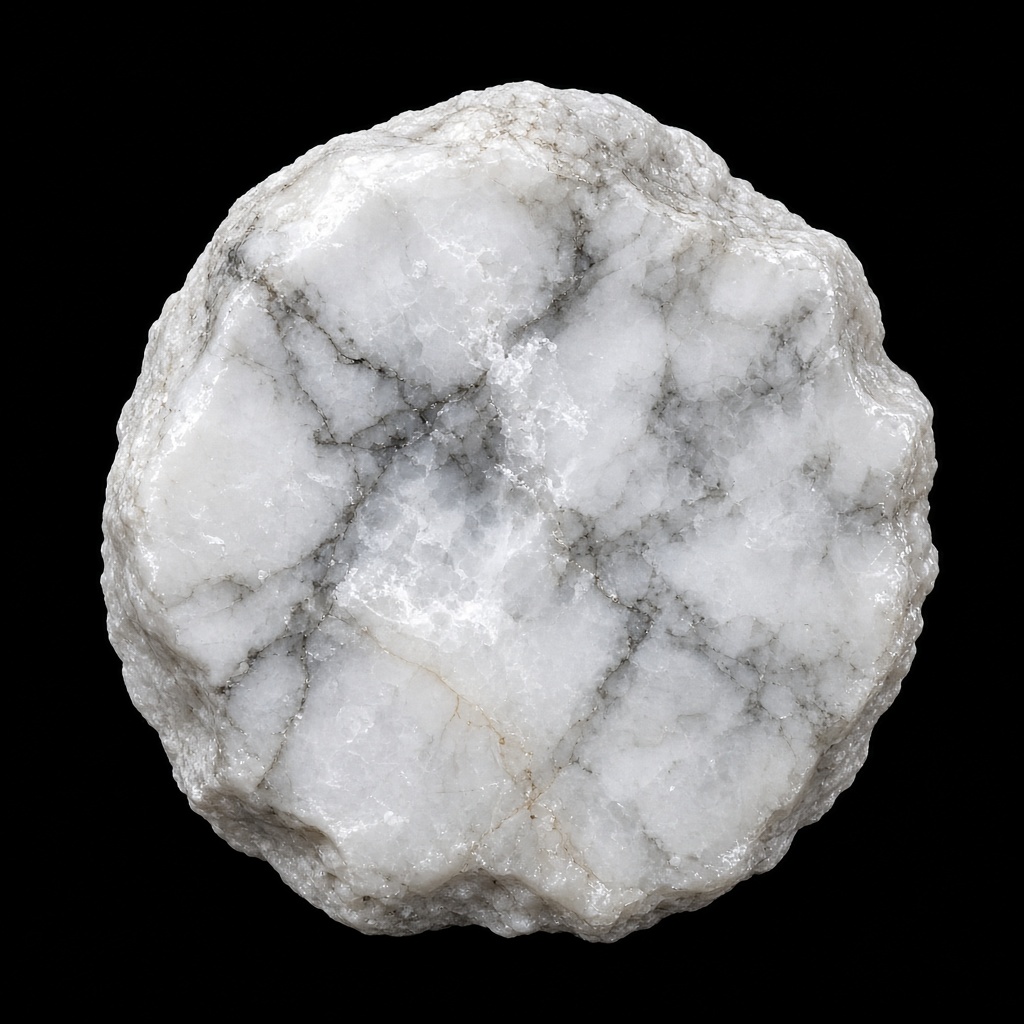
Browse all: rocks · minerals · crystals · directory · what rock is this · rock vs mineral vs crystal. Confirm with the online studio or rock identifier app.