Crystal guide
How to Identify Tiger's Eye
SiO₂ (pseudomorph after crocidolite)
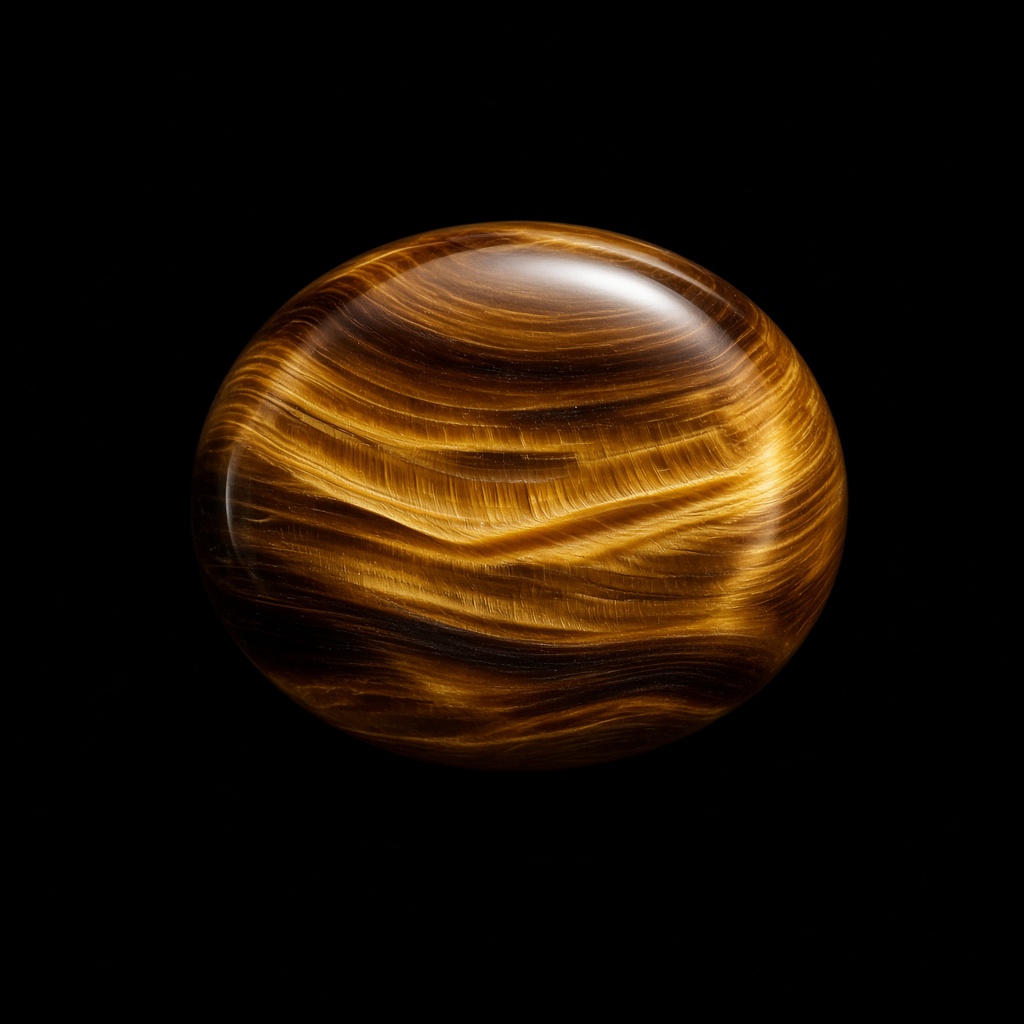
Tiger's eye is chatoyant golden-brown quartz (fiber pseudomorph after crocidolite). Identify it by the moving silky cat’s-eye band under light and Mohs ~6.5–7 hardness.
About Tiger's Eye
Tiger's eye is chatoyant golden-brown quartz (fiber pseudomorph after crocidolite). Identify it by the moving silky cat’s-eye band under light and Mohs ~6.5–7 hardness.
Tiger's Eye is filed under crystals in the RockScan directory. Composition: Quartz replacing fibrous crocidolite asbestos. It forms via silicification of crocidolite fibers. Typical occurrence: South Africa (main), Australia, India, Namibia. For the broader method, see how to identify rock types.
Tiger's Eye properties
| Mohs hardness | 6.5–7 |
|---|---|
| Class | crystal |
| Scientific name | SiO₂ (pseudomorph after crocidolite) |
| Color | Golden brown to red-brown with bands |
| Luster | Silky chatoyant |
| Crystal system / texture | Trigonal |
| Composition | Quartz replacing fibrous crocidolite asbestos |
| Formation | Silicification of crocidolite fibers |
| Occurrence | South Africa (main), Australia, India, Namibia |
How to identify Tiger's Eye
- Chatoyant silky bands.
- Golden to brown common.
- Mohs ~6.5–7 (quartz).
Lookalikes to rule out
- Hawk’s eye: Hawk’s eye is the unoxidized blue-grey cousin; tiger’s eye is golden-brown.
- Synthetic fiber glass cab: Artificial chatoyancy can look too perfect; natural shows silky quartz texture.
- Petrified wood (golden): Wood shows cell structure; tiger’s eye shows chatoyant fibers.
Photo tips for Tiger's Eye ID
- Rotate under light to show chatoyancy (cat’s eye effect).
- Golden silk bands are diagnostic.
- Polished cabs show the effect best.
Snap one specimen in natural light, then open the result in the online studio or the rock identifier app.
Tiger's Eye FAQ
How do you identify tiger's eye?
Look for the moving silky cat’s-eye line on golden-brown bands. Hardness near quartz.
Tiger's eye vs hawk's eye?
Color: golden-brown vs blue-grey unoxidized fibers.
Is it asbestos-safe as a finished stone?
Finished polished stones are commonly collected; avoid inhaling dust when cutting fibrous material.
How to identify tiger's eye
Collectors search “how to identify tiger's eye” when golden silky bands might be hawk’s eye, synthetic fiber glass, or golden wood. Use this field checklist:
- Chatoyancy: moving cat’s-eye silk line under light — rotate the stone to see the band travel.
- Color: golden to red-brown common; blue-grey unoxidized cousin is hawk’s eye.
- Hardness: quartz family ~6.5–7; fibrous quartz pseudomorph after crocidolite.
- Texture: natural silky quartz fibers beat perfectly uniform glass-fiber cabochons.
- Photo first: rotate under a lamp for chatoyancy video/stills, then confirm with RockScan.
Tiger's eye vs hawk’s eye vs synthetic vs petrified wood
- Hawk’s eye: Blue-grey unoxidized fiber quartz; tiger’s eye is the golden-brown oxidized look.
- Synthetic fiber glass: Chatoyancy can look too perfect and plastic; natural shows silky quartz texture.
- Petrified wood: Cell structure of wood; tiger’s eye shows chatoyant fiber bands, not wood cells.
Photo tips for tiger's eye ID
Rotate under a single light to capture chatoyancy; polished faces show the silk best. Compare quartz, jasper, and clear quartz, then confirm in the online studio or rock identifier app.
Related crystals to compare
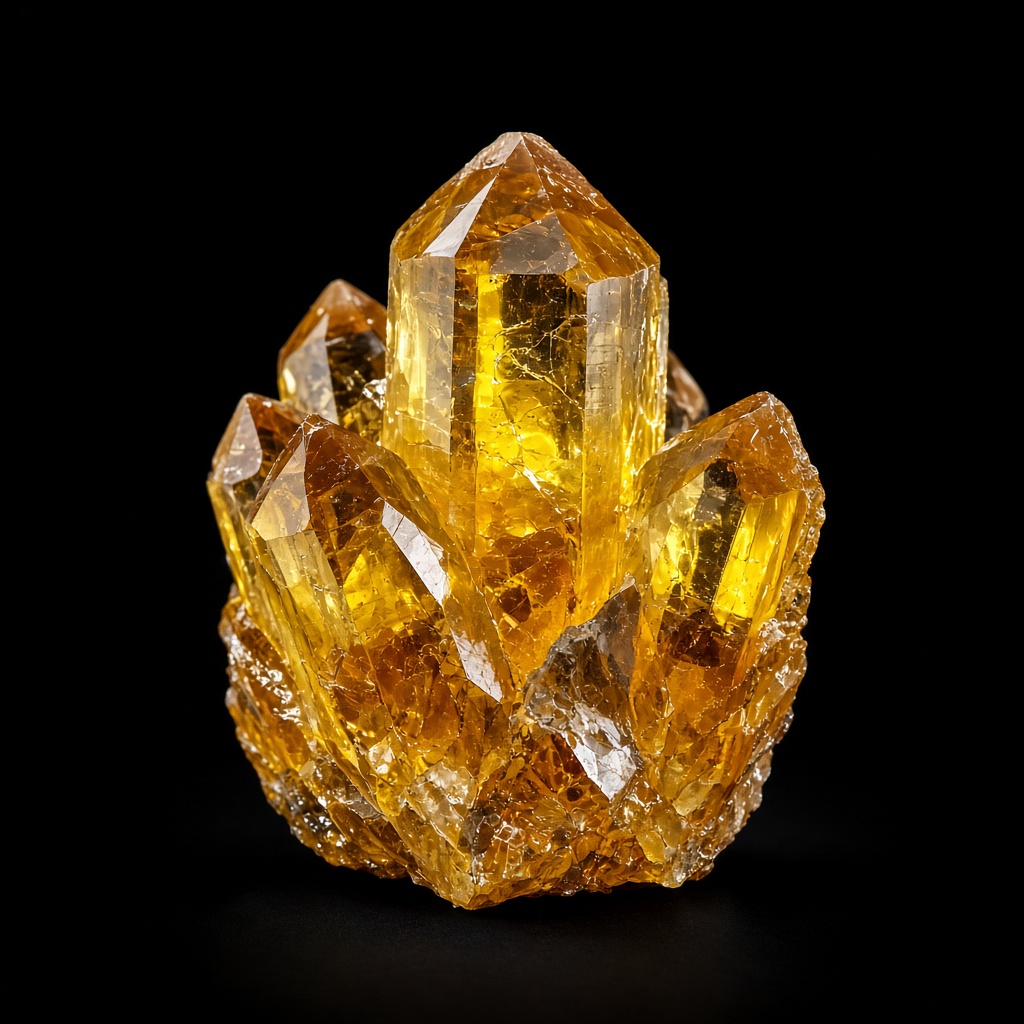
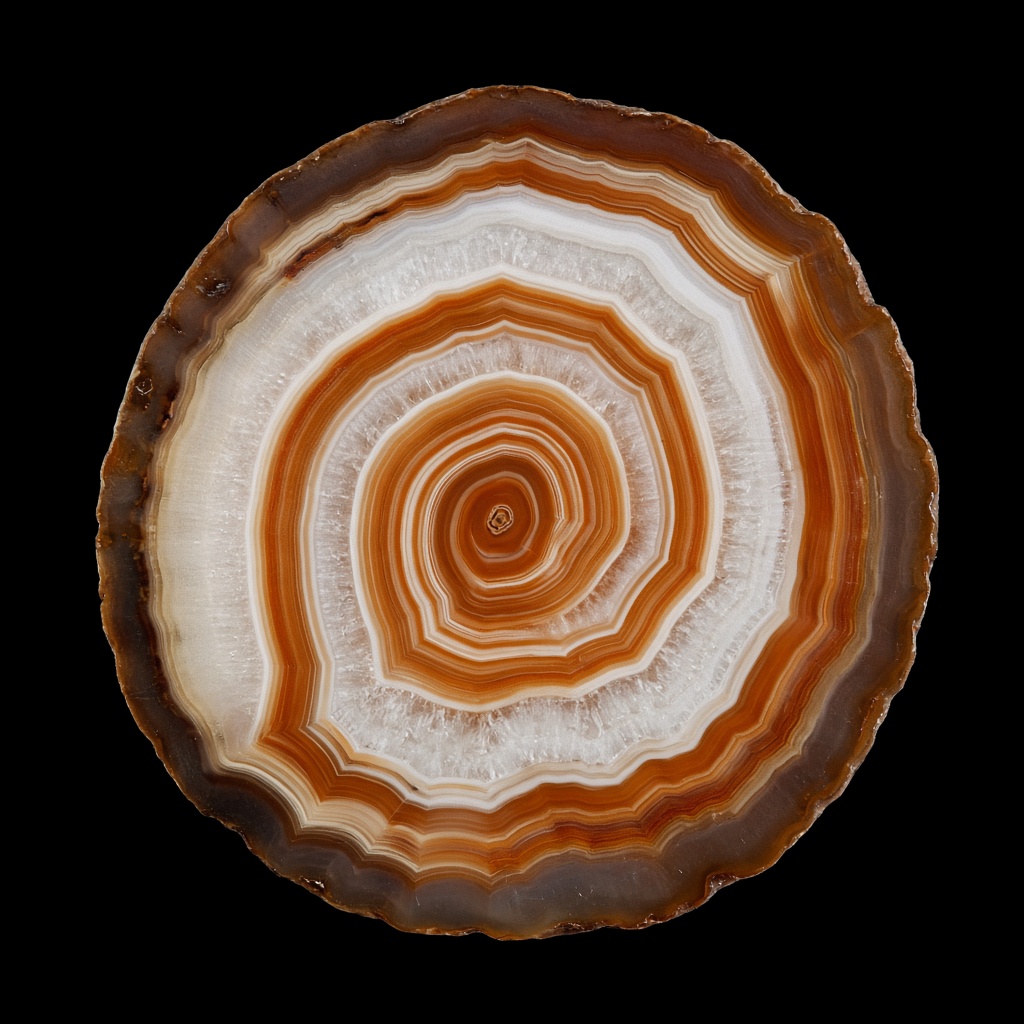
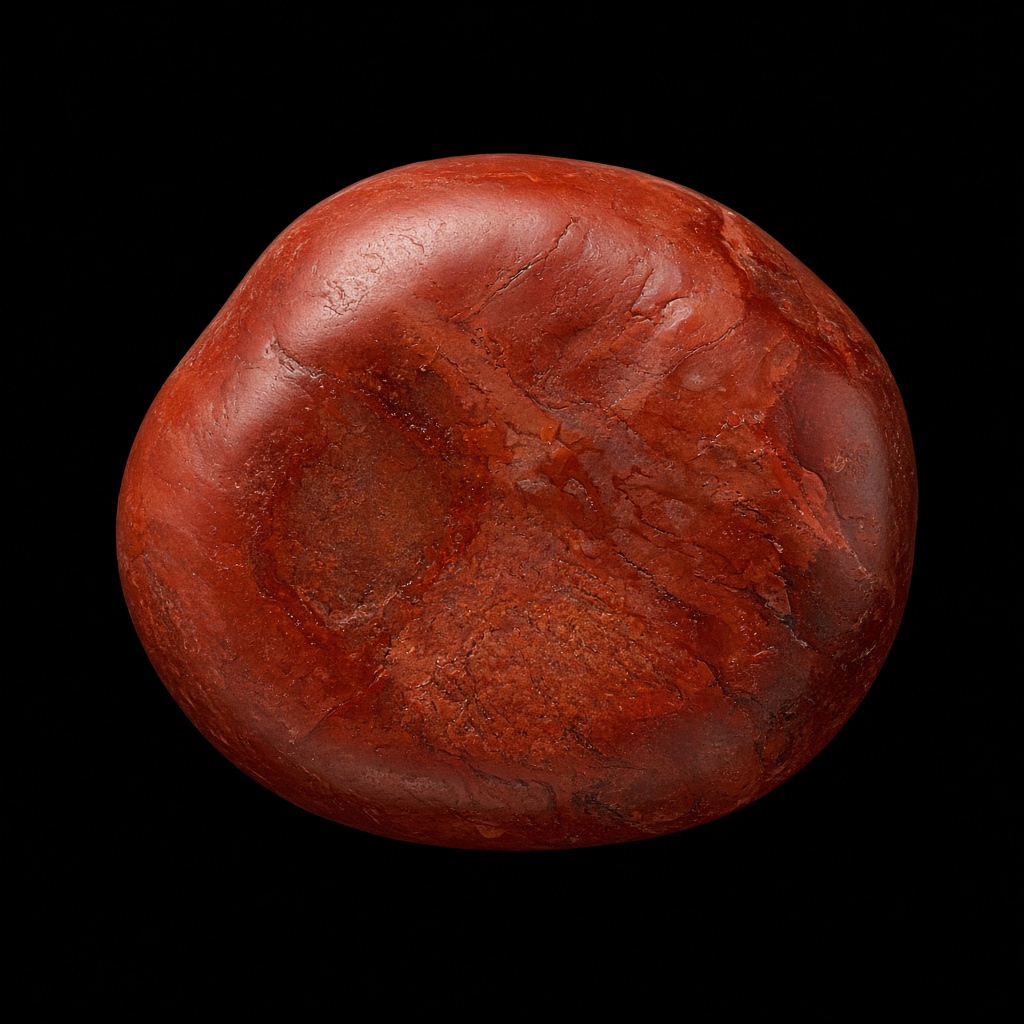
Browse all: rocks · minerals · crystals · directory · what rock is this · rock vs mineral vs crystal. Confirm with the online studio or rock identifier app.