Rock guide
How to Identify Pumice
Vesicular felsic volcanic glass/rock
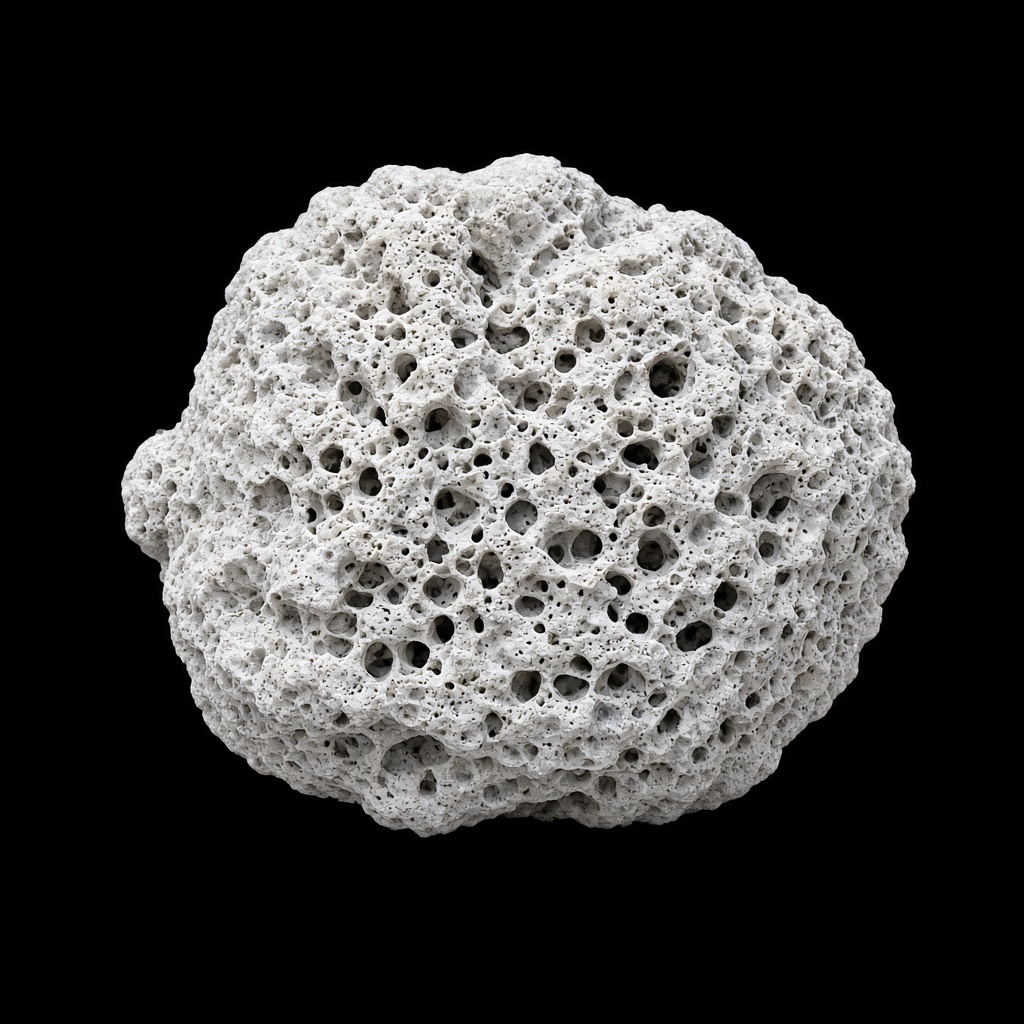
Pumice is pale, highly vesicular volcanic foam — quenched frothy lava that is abrasive and often floats. Identify it by low density, abundant tiny vesicles, and light color versus denser dark scoria.
About Pumice
Pumice is pale, highly vesicular volcanic foam — quenched frothy lava that is abrasive and often floats. Identify it by low density, abundant tiny vesicles, and light color versus denser dark scoria.
Pumice is filed under rocks in the RockScan directory. Composition: Highly vesicular silica-rich volcanic glass. It forms via explosive felsic eruptions trapping gas bubbles. Typical occurrence: Italy, Greece, USA, Indonesia, New Zealand. For the broader method, see how to identify rock types.
Pumice properties
| Mohs hardness | 5–6 (aggregate) |
|---|---|
| Class | rock |
| Scientific name | Vesicular felsic volcanic glass/rock |
| Color | White to light gray |
| Luster | Dull vitreous |
| Crystal system / texture | Amorphous/vesicular |
| Composition | Highly vesicular silica-rich volcanic glass |
| Formation | Explosive felsic eruptions trapping gas bubbles |
| Occurrence | Italy, Greece, USA, Indonesia, New Zealand |
How to identify Pumice
- Very low density; may float.
- Abundant tiny vesicles.
- Pale color; abrasive feel.
Lookalikes to rule out
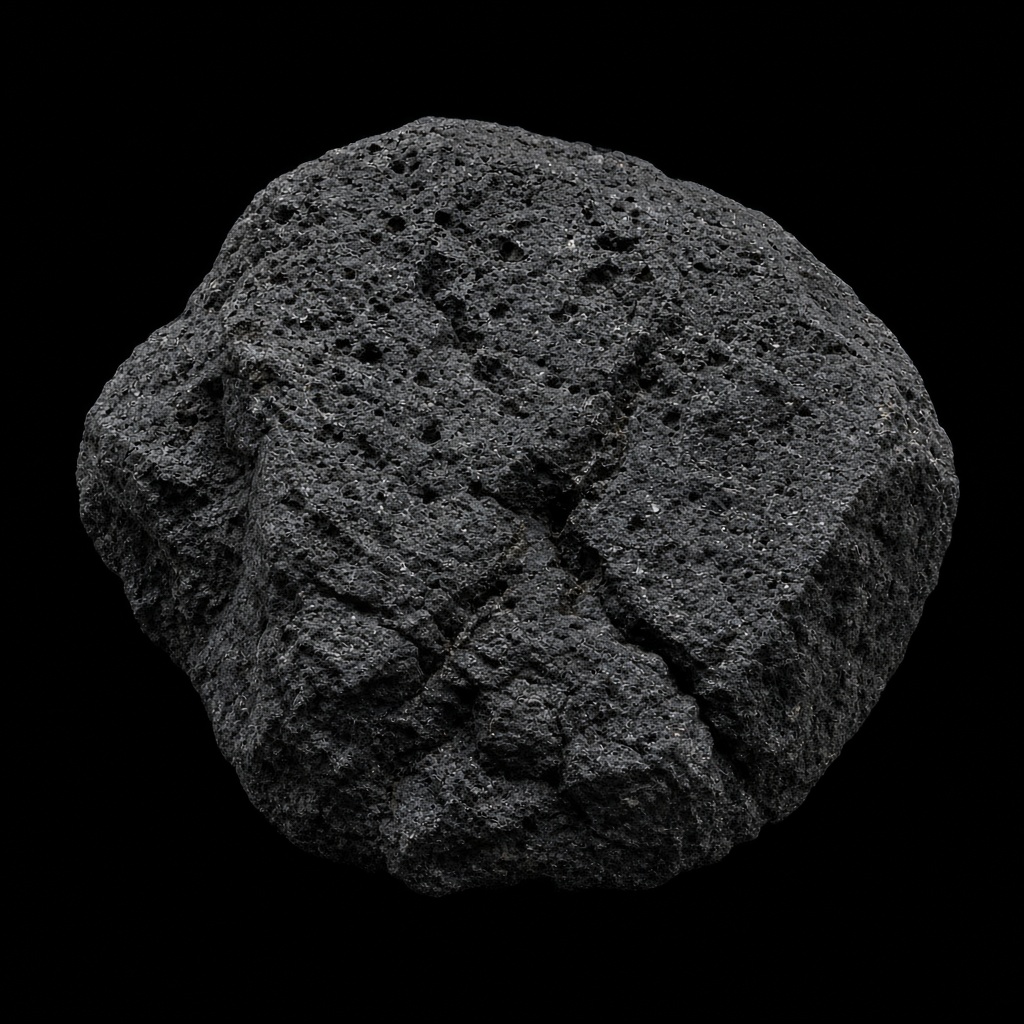
- Scoria: Scoria is darker, denser, with larger vesicles; pumice is pale and often floats.
- Weathered rhyolite: Rhyolite is denser without the foam texture; pumice is frothy volcanic glass/rock.
- Expanded perlite (industrial): Industrial perlite beads look uniformly white and processed; natural pumice is irregular and rocky.
Photo tips for Pumice ID
- Show vesicles (foam holes) in macro.
- If safe, show flotation in water — classic pumice demo.
- Pale color + low density cues in the frame (hand scale).
Snap one specimen in natural light, then open the result in the online studio or the rock identifier app.
Pumice FAQ
How do you identify pumice?
Light, frothy, pale volcanic rock that often floats. Vesicles are tiny and abundant compared with heavier scoria.
Pumice vs scoria?
Scoria is darker and denser; pumice is lighter-colored and usually less dense.
Is pumice glass?
It is volcanic rock/glass foam — amorphous to poorly crystalline — formed by rapid gas expansion in lava.
How to identify pumice rock
Collectors search “how to identify pumice rock” when a pale foam-textured stone might be scoria or weathered rhyolite. Use this field checklist:
- Density: very low — many pieces float on water; denser dark frothy rock is usually scoria.
- Vesicles: abundant tiny foam holes throughout; abrasive feel on the skin.
- Color: pale grey to white typical; dark brown/black frothy lava leans scoria.
- Chemistry cue: felsic frothy glass/rock — denser flow-banded cousins without foam may be rhyolite.
- Photo first: macro vesicles plus a flotation demo if safe, then confirm with RockScan.
Pumice vs scoria vs rhyolite
- Scoria: Darker, denser, larger vesicles; pumice is pale and often floats.
- Rhyolite: Denser fine felsic lava without foam texture; pumice is quenched frothy melt.
- Industrial perlite: Uniform processed white beads; natural pumice is irregular volcanic foam.
Photo tips for pumice ID
Macro of vesicles, a hand-scale density cue, and a water flotation shot if safe. Compare basalt, rhyolite, and obsidian, then confirm in the online studio or rock identifier app.
Related rocks to compare
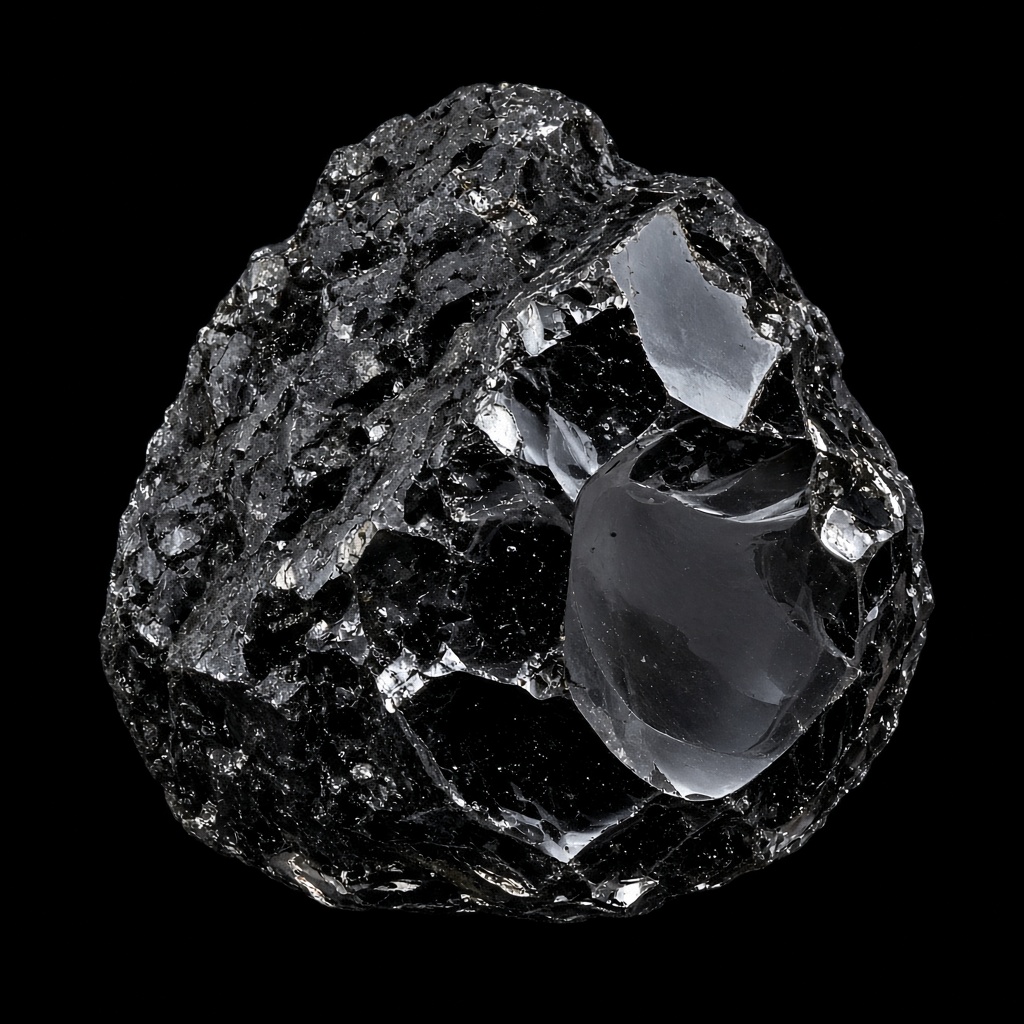
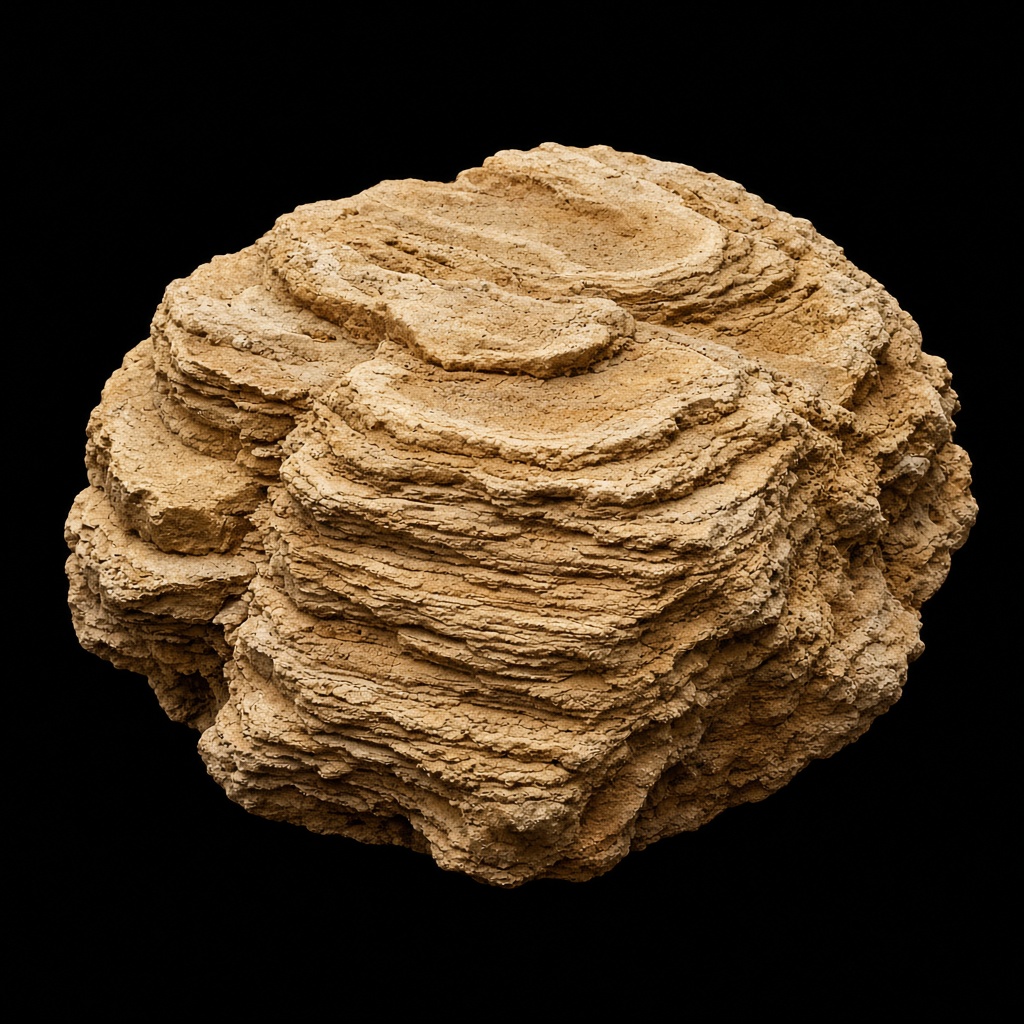
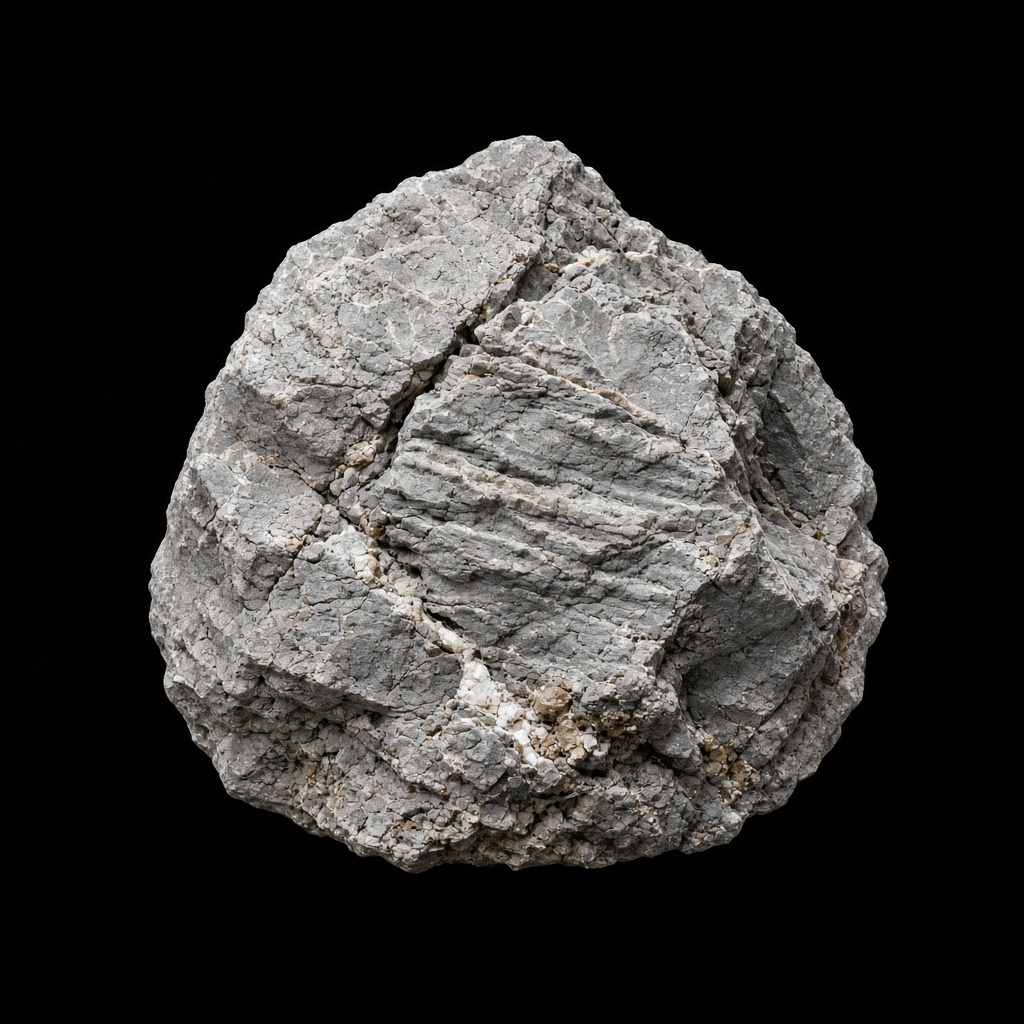
Browse all: rocks · minerals · crystals · directory · what rock is this · rock vs mineral vs crystal. Confirm with the online studio or rock identifier app.