Mineral guide
How to Identify Pyrite
FeS₂
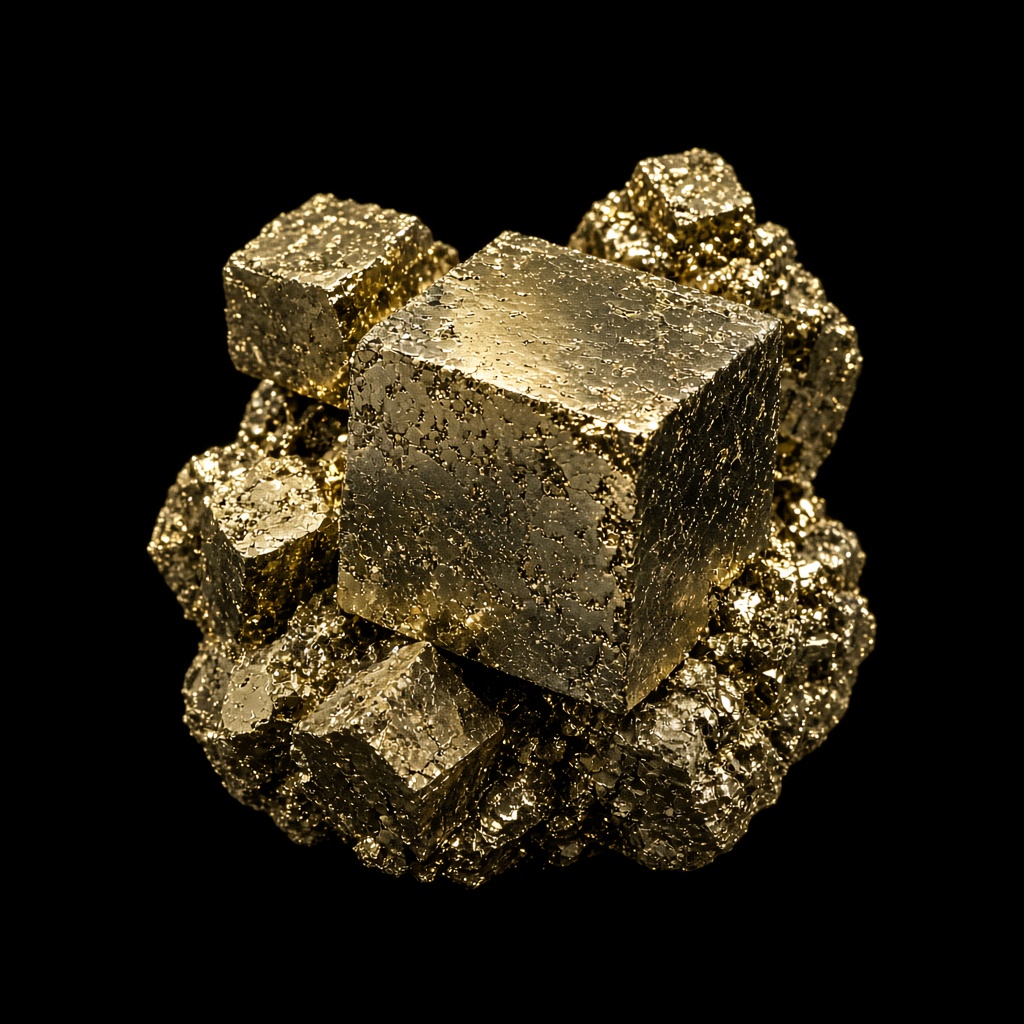
Pyrite is iron sulfide (FeS₂), nicknamed fool’s gold for its metallic brass color. Classic specimens show cubes or pyritohedra with striated faces — hard (~6–6.5) and brittle, unlike soft malleable gold.
About Pyrite
Pyrite is iron sulfide (FeS₂), nicknamed fool’s gold for its metallic brass color. Classic specimens show cubes or pyritohedra with striated faces — hard (~6–6.5) and brittle, unlike soft malleable gold.
Pyrite is filed under minerals in the RockScan directory. Composition: Iron disulfide. It forms via sedimentary, hydrothermal, and magmatic environments. Typical occurrence: Worldwide; Spain, Peru, Italy famous for crystals. For the broader method, see how to identify rock types.
Pyrite properties
| Mohs hardness | 6–6.5 |
|---|---|
| Class | mineral |
| Scientific name | FeS₂ |
| Color | Brass-yellow |
| Luster | Metallic |
| Crystal system / texture | Cubic |
| Composition | Iron disulfide |
| Formation | Sedimentary, hydrothermal, and magmatic environments |
| Occurrence | Worldwide; Spain, Peru, Italy famous for crystals |
How to identify Pyrite
- Metallic brass color; opaque.
- Cubes or pyritohedra; striations.
- Hardness ~6–6.5; brittle (not malleable like gold).
Lookalikes to rule out
- Gold: Gold is soft malleable yellow metal; pyrite is brassy, harder, and forms cubes/pyritohedra.
- Chalcopyrite: Chalcopyrite is softer and more yellow-iridescent; pyrite is paler brass and often cubic.
- Marcasite: Marcasite is polymorph with different habit; often radiating — pyrite favors cubes.
Photo tips for Pyrite ID
- Side-light cubic faces and striations.
- Show brassy metallic color accurately (white balance matters).
- Include matrix for scale — tiny cubes are common.
Snap one specimen in natural light, then open the result in the online studio or the rock identifier app.
Pyrite FAQ
How do you identify pyrite?
Brassy metallic cubes that are hard and brittle. Gold smears; pyrite sparks/crumbles rather than flattening.
Why is pyrite called fool's gold?
Color resembles gold, but streak, hardness, and crystal form differ.
Pyrite vs chalcopyrite?
Chalcopyrite is softer and often more iridescent yellow; pyrite is harder with cubic habit.
How to identify pyrite
Fool’s-gold confusion drives most pyrite ID searches. Use this checklist so brassy cubes are not mistaken for native gold:
- Brassy metallic color: pale brass to gold-yellow, opaque, metallic luster.
- Crystal shape: cubes or pyritohedra; faces often show fine striations.
- Hardness & brittleness: Mohs ~6–6.5; powdery or crumbly under a pin — gold is soft and malleable.
- Streak: greenish-black to brownish-black streak, not a soft gold smear.
- Photo + matrix: side-light the cubes in matrix, then confirm with RockScan against chalcopyrite and gold.
Pyrite vs gold vs chalcopyrite
- Gold: Soft, malleable, denser yellow metal that flattens; pyrite is harder, brittle, and cubic.
- Chalcopyrite: Softer and often more yellow-iridescent; pyrite is paler brass with sharper cubic habit.
- Marcasite: Same chemistry, different structure — often radiating/tabular; field labels sometimes blur, but habit differs.
Photo tips for pyrite cubes
Side-light cubic faces and striations; set white balance so brass reads accurately. Include matrix for scale. Compare hematite and ore lookalikes, then confirm in the online studio or rock identifier app.
Related minerals to compare
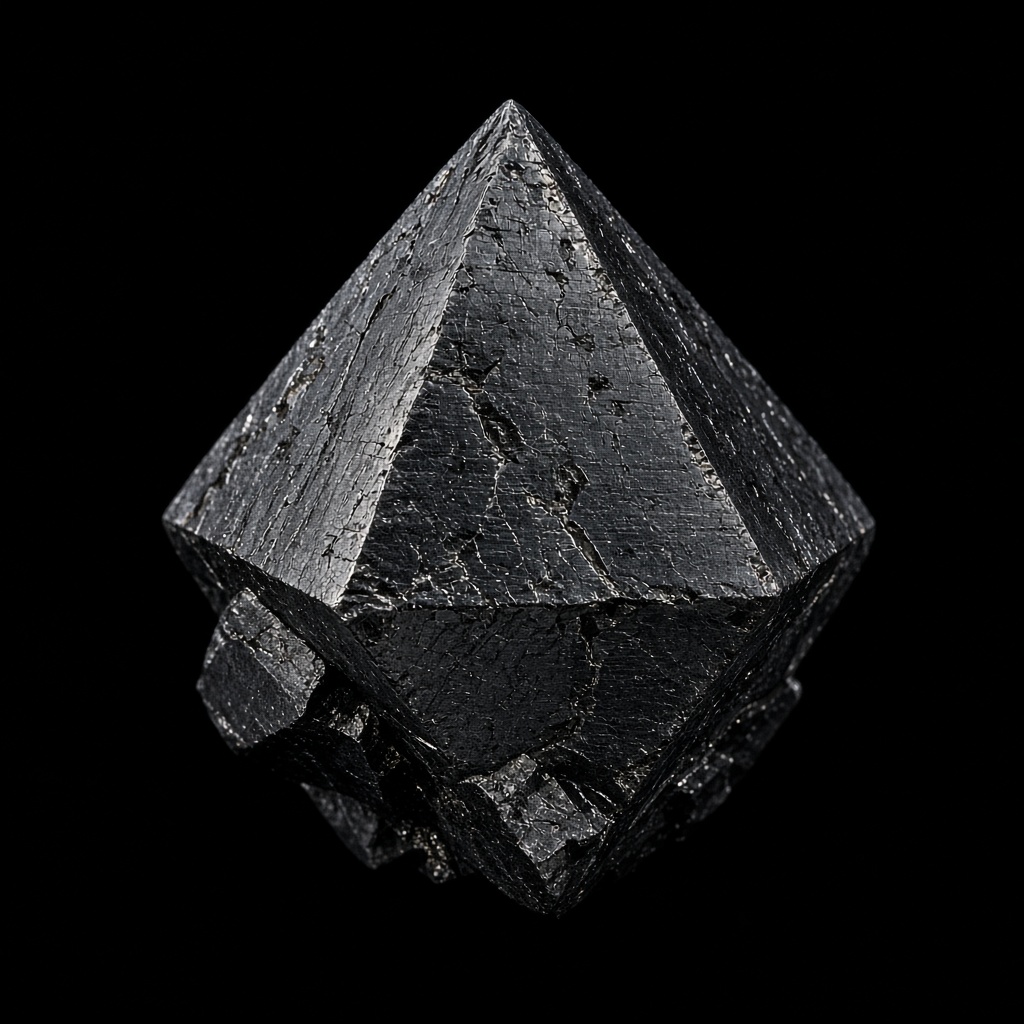
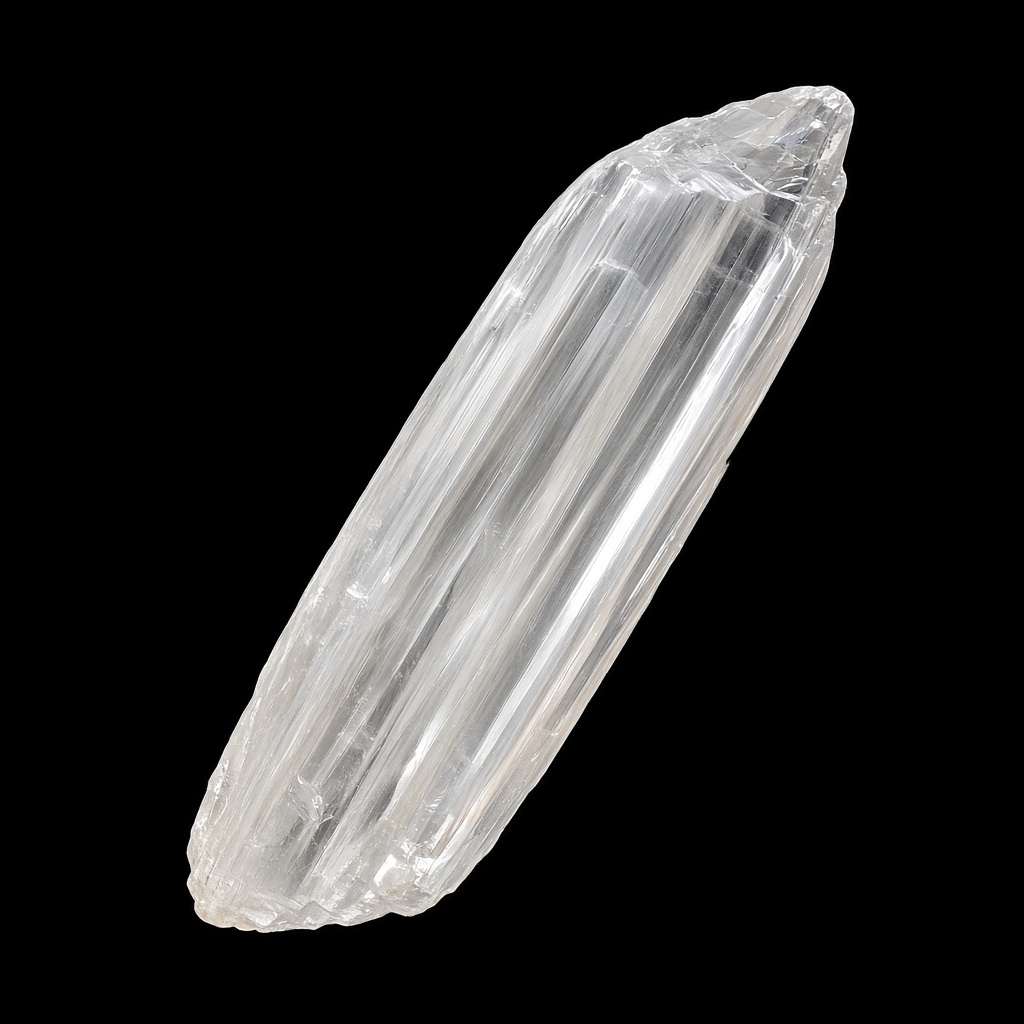
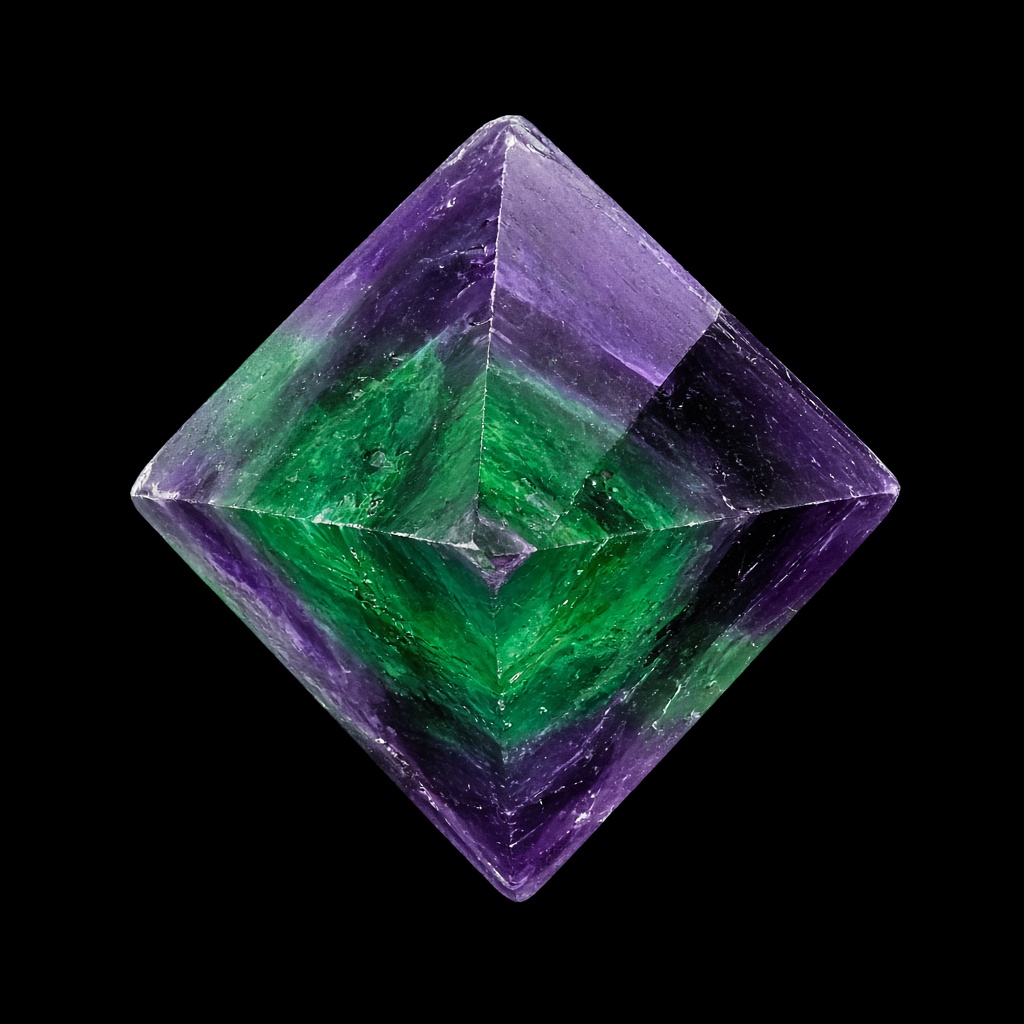
Browse all: rocks · minerals · crystals · directory · what rock is this · rock vs mineral vs crystal. Confirm with the online studio or rock identifier app.