Crystal & mineral guide
Spinel
MgAl₂O₄
Historic ruby lookalike — now valued on its own as a fine gem.
Identify Spinel with RockScanAbout Spinel
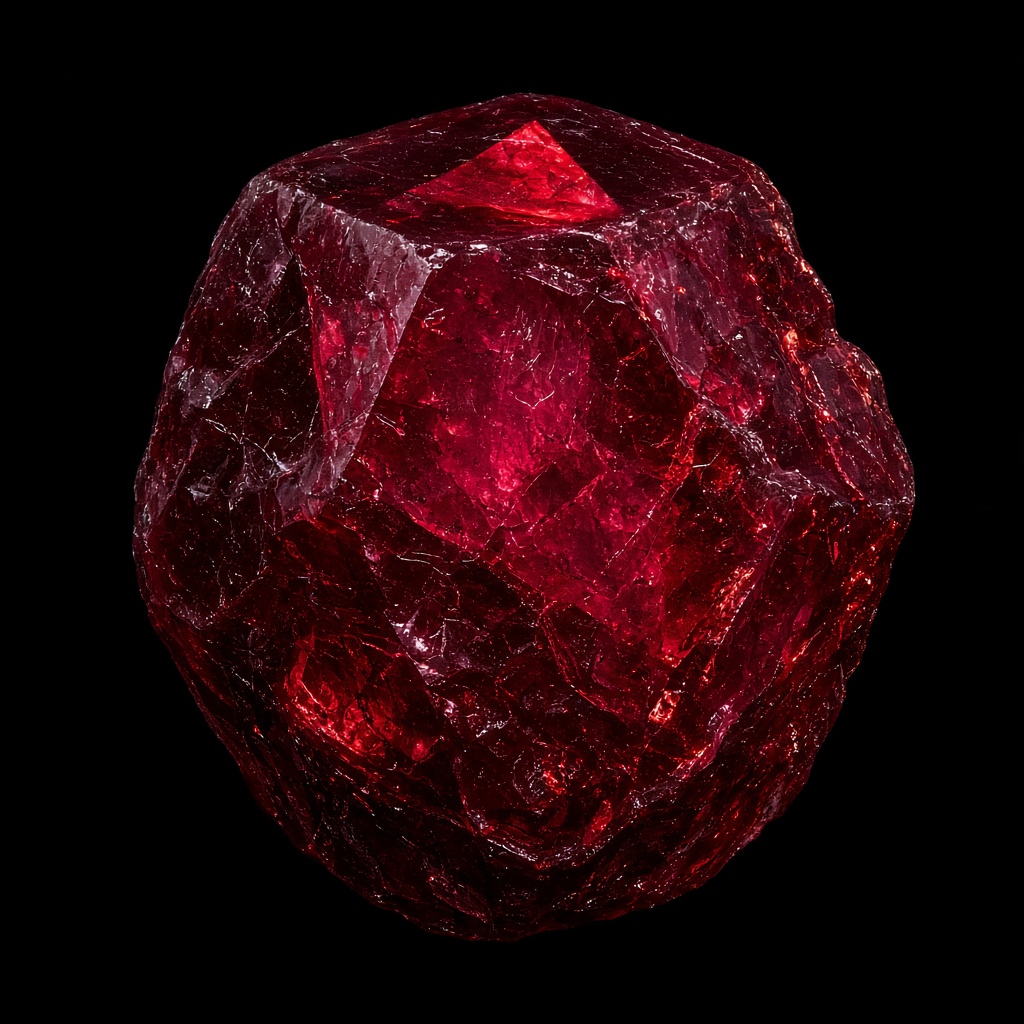
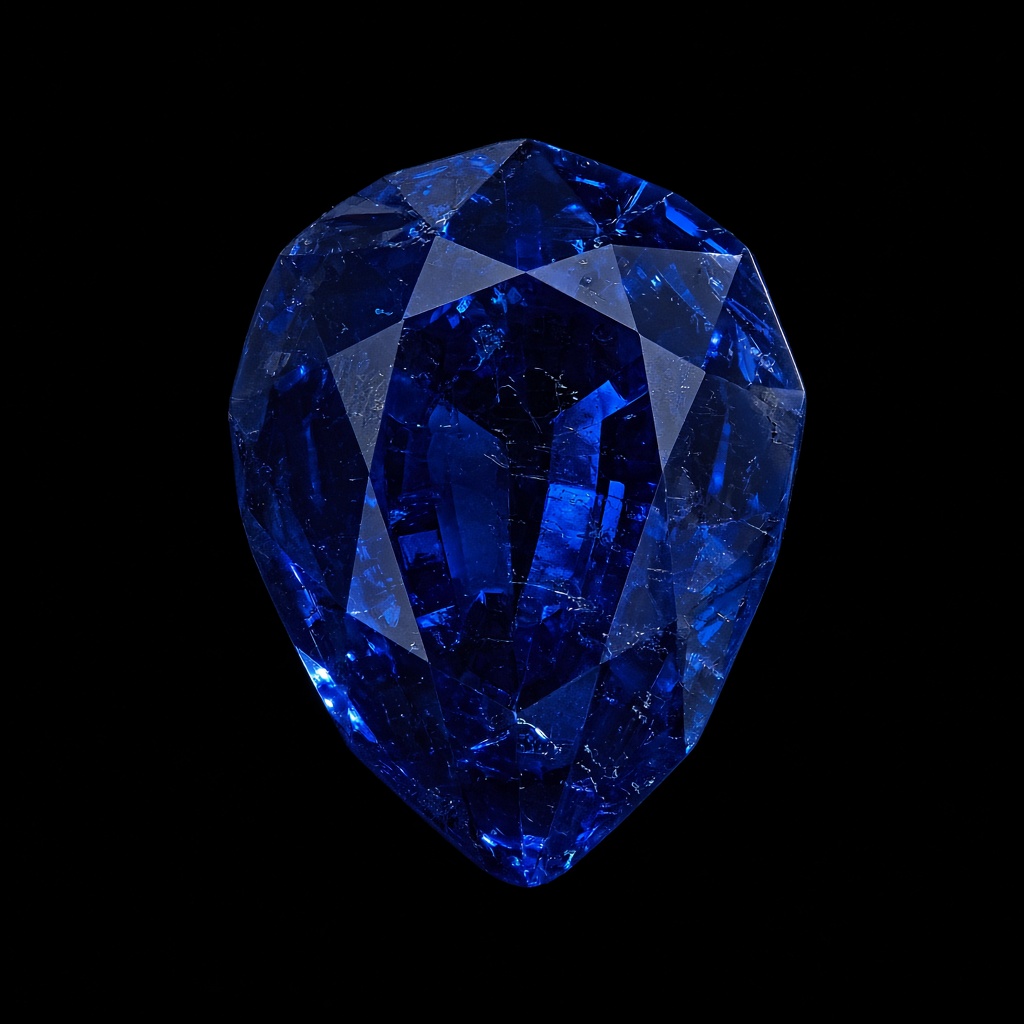
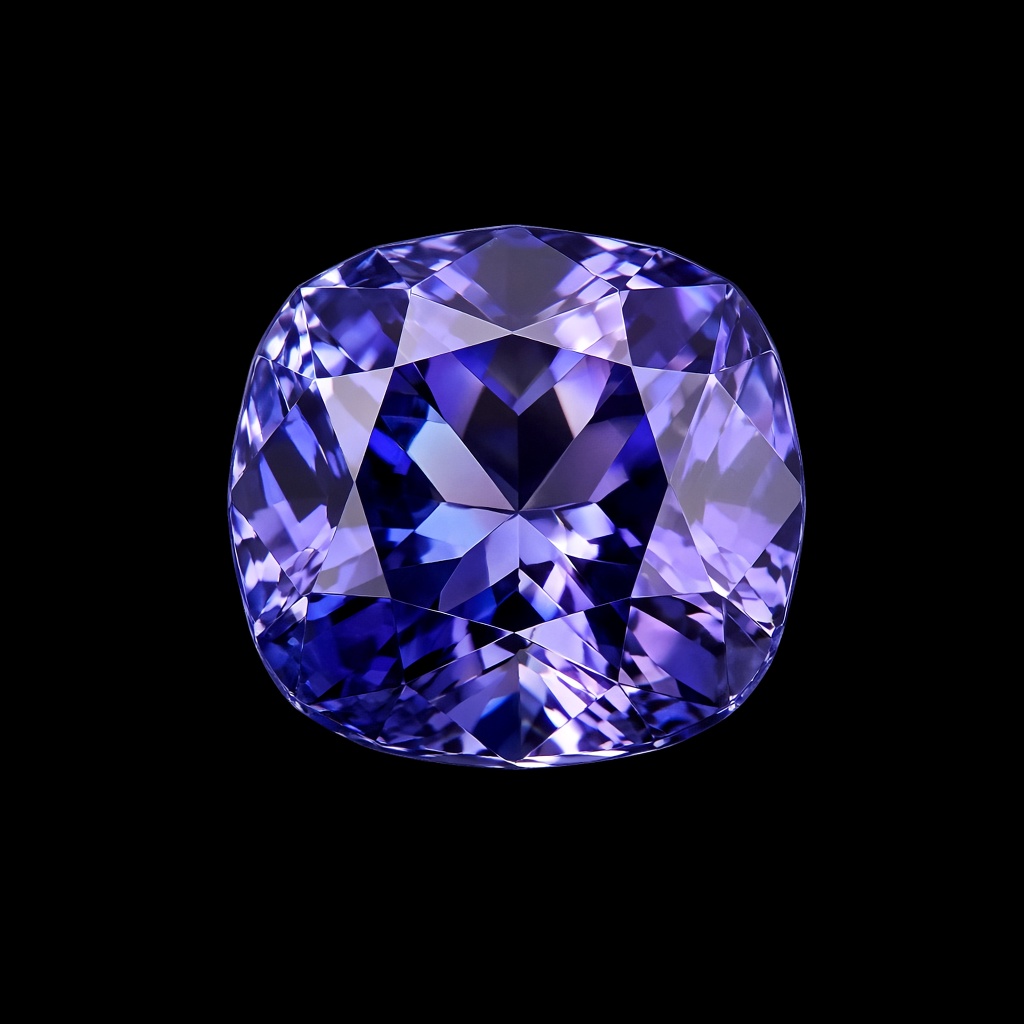
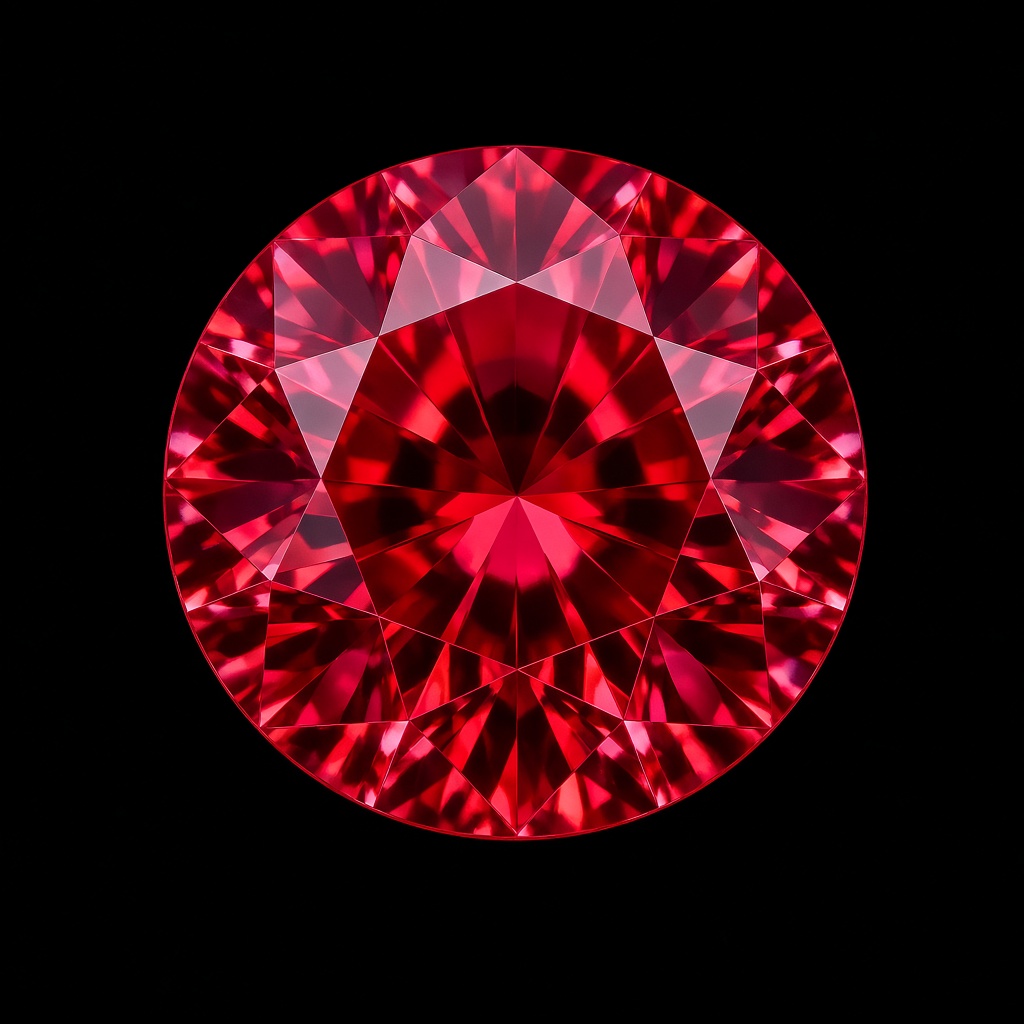
Spinel was long confused with ruby (Black Prince's Ruby is a spinel). Octahedral crystals and single refraction distinguish it from corundum. Fine red and cobalt-blue spinels trade strongly among gemologists and Gulf collectors seeking untreated color.
Spinel belongs in a crystal identifier workflow because photo cues — color zoning, crystal habit, and surface luster — combine with measurable traits like Mohs 8 and specific gravity 3.58–3.61. Use RockScan’s camera to get a first-pass ID, then confirm with the checklist below.
Spinel properties
| Mohs hardness | 8 |
|---|---|
| Crystal system | Cubic |
| Luster | Vitreous |
| Color | Red, pink, blue, violet, black |
| Composition | Magnesium aluminum oxide |
| Formation | Metamorphic marble and skarn environments |
| Occurrence | Myanmar, Sri Lanka, Tajikistan, Vietnam, Tanzania |
| Specific gravity | 3.58–3.61 |
| Cleavage | None |
How to identify Spinel
- Isotropic (SRB) under polariscope
- Octahedral crystal habit common
- RI ~1.718; no dichroism like ruby
Collector notes
- Many historic 'rubies' in crown jewels are spinels
- Cobalt-blue spinel is a modern collector target
Value context: Fine untreated red and cobalt blue command strong per-carat premiums.
Spinel FAQ
How do you identify Spinel?
Spinel (MgAl₂O₄) is typically recognized by red, pink, blue, violet, black color, vitreous luster, Mohs hardness 8, and cubic crystal system. RockScan can suggest Spinel from a photo and surface these checks on the result card.
What is Spinel made of?
Spinel composition: Magnesium aluminum oxide. It forms via metamorphic marble and skarn environments and is found in Myanmar, Sri Lanka, Tajikistan, Vietnam, Tanzania.
Is Spinel valuable?
Fine untreated red and cobalt blue command strong per-carat premiums.