Crystal & mineral guide
Jasper
SiO₂ (opaque chalcedony)
Opaque patterned chalcedony — historic seal and bead stone across trade routes.
Identify Jasper with RockScanAbout Jasper
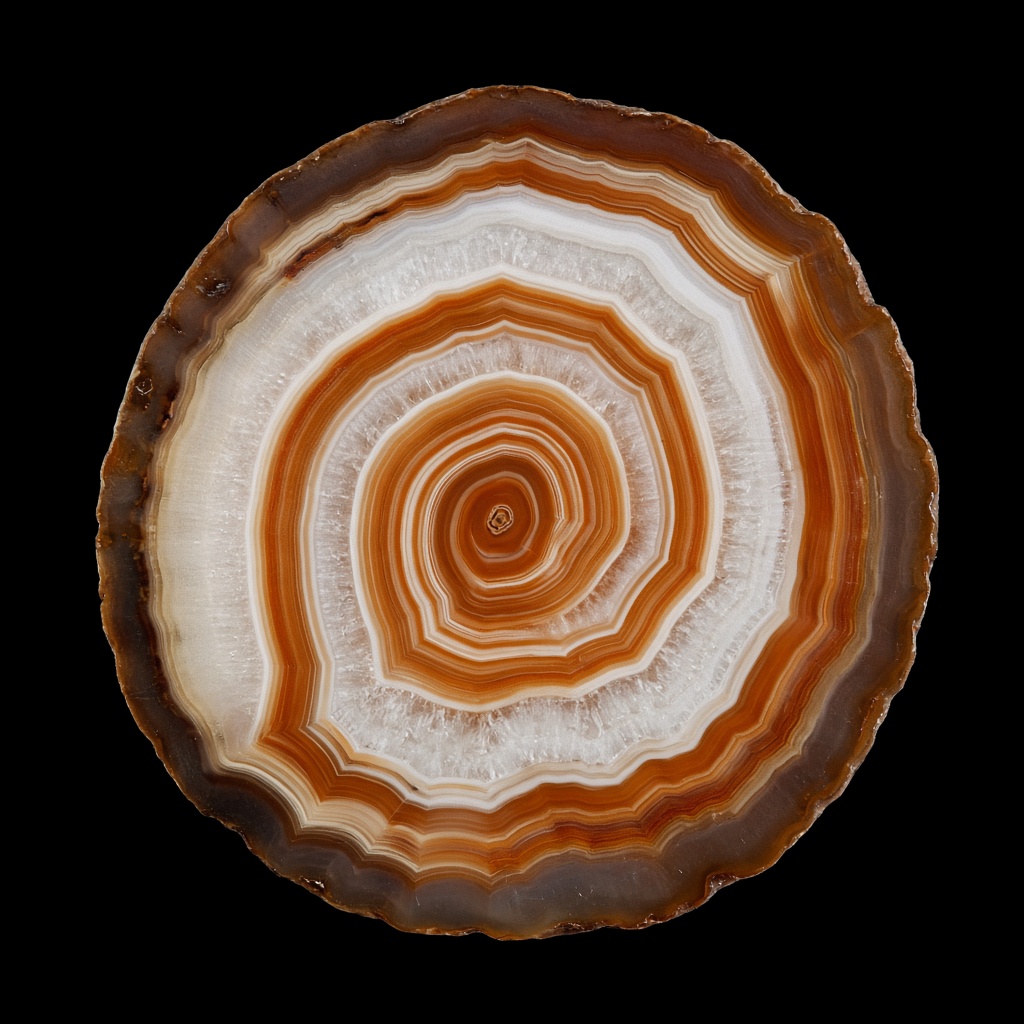
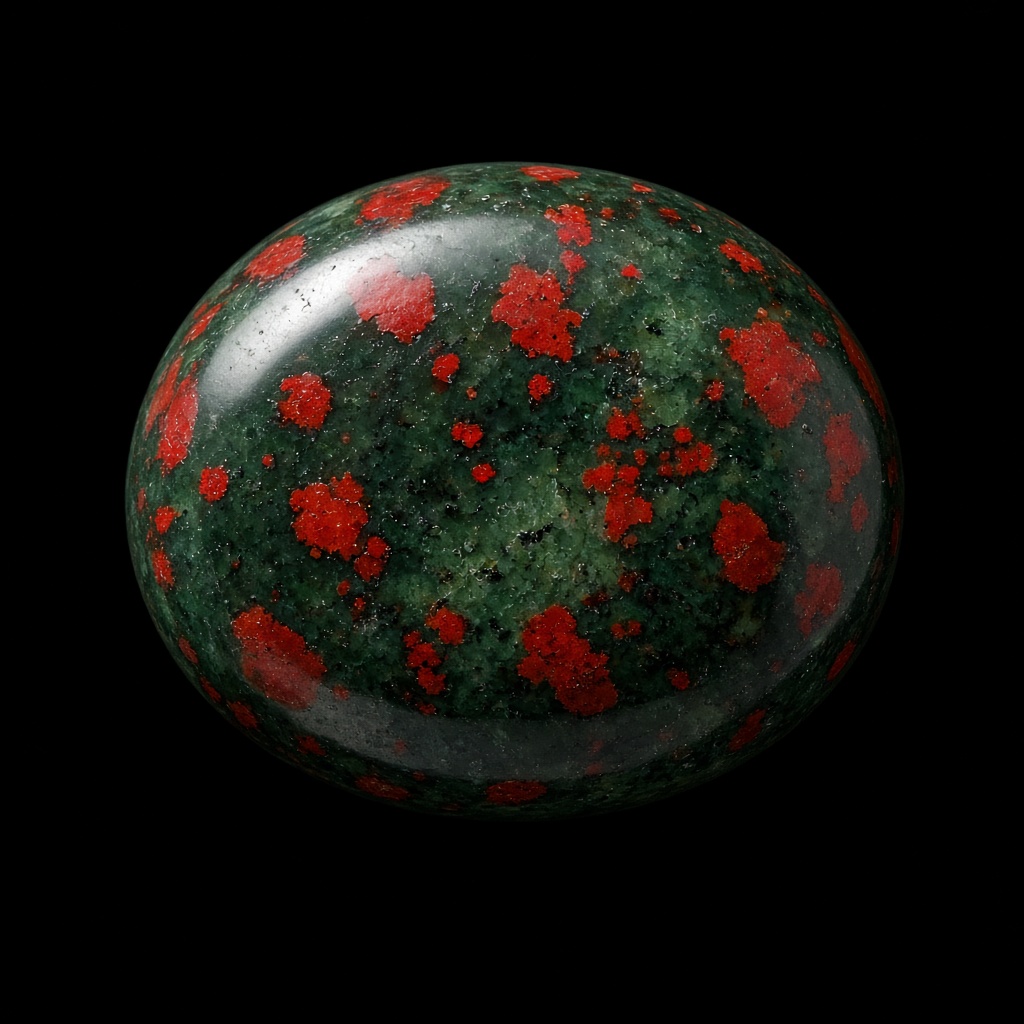
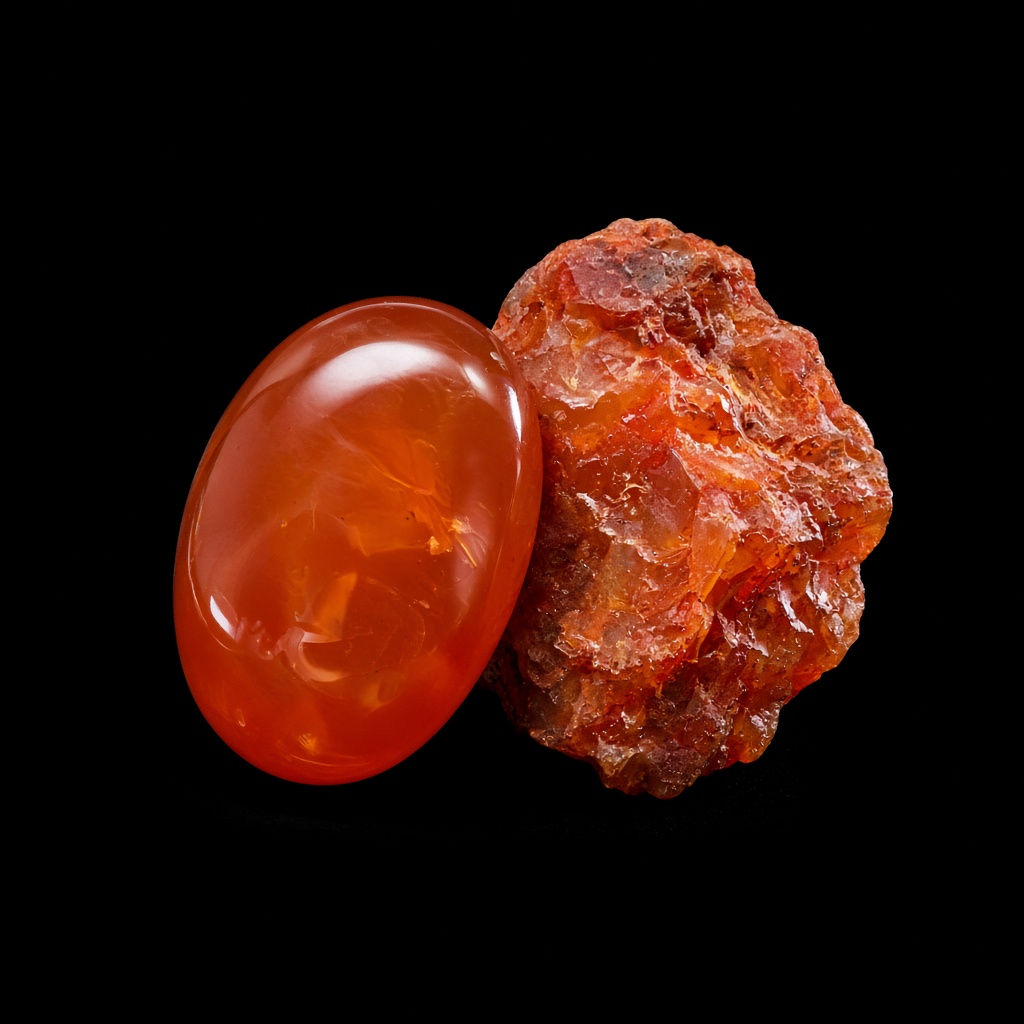
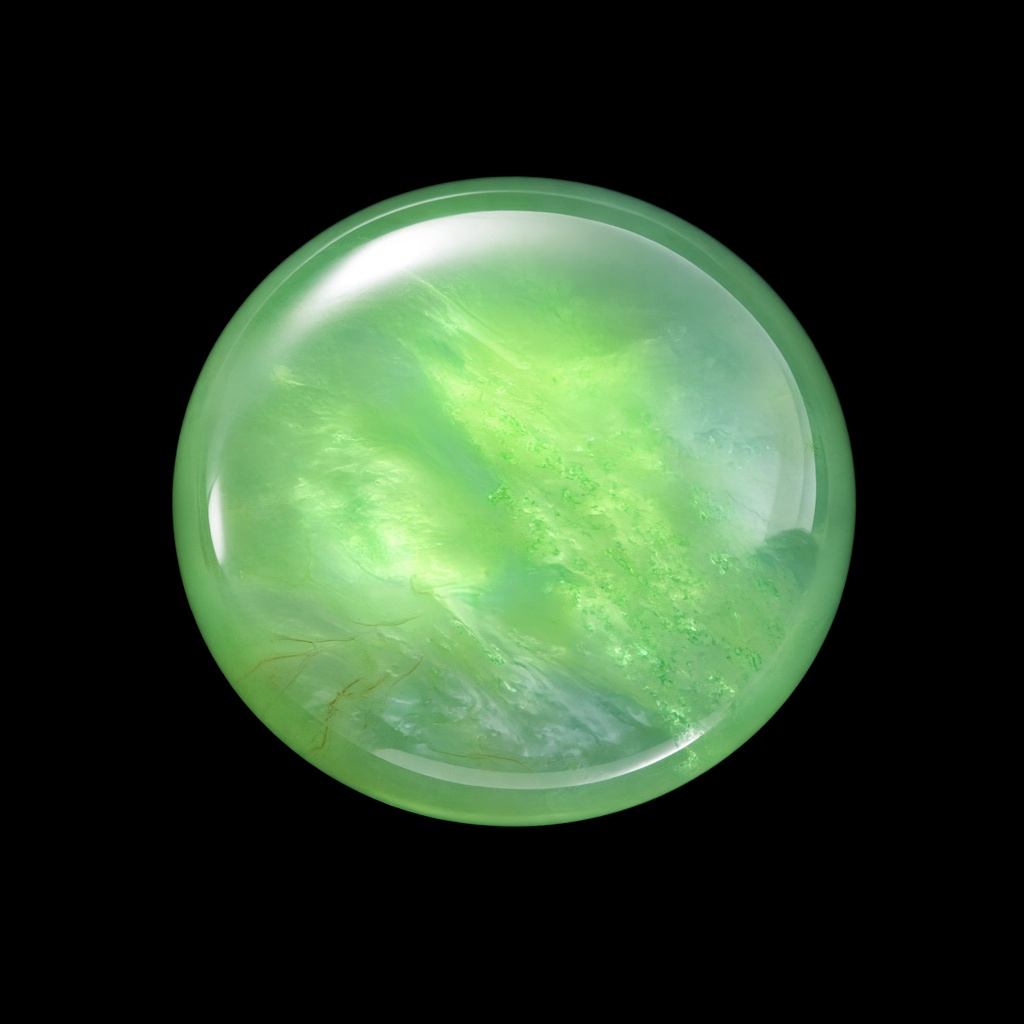
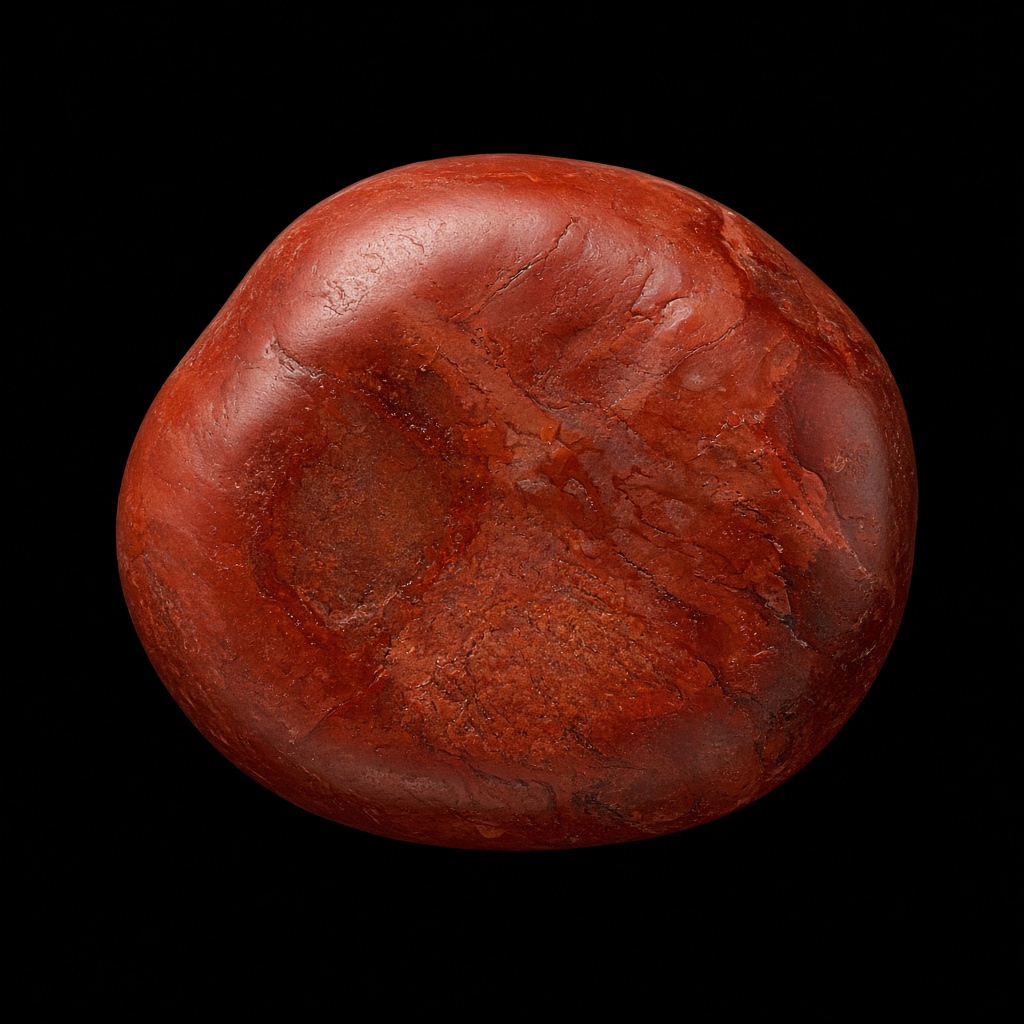
Jasper is opaque chalcedony colored by iron and clay impurities. Picture, ocean, and brecciated jaspers are cut for cabochons. Red jasper was used for seals and amulets in antiquity. Hard and durable for beads; patterns drive collector interest more than chemistry.
Jasper belongs in a crystal identifier workflow because photo cues — color zoning, crystal habit, and surface luster — combine with measurable traits like Mohs 6.5–7 and specific gravity 2.58–2.64. Use RockScan’s camera to get a first-pass ID, then confirm with the checklist below.
Jasper properties
| Mohs hardness | 6.5–7 |
|---|---|
| Crystal system | Trigonal (microcrystalline) |
| Luster | Vitreous to dull |
| Color | Red, yellow, brown, green; patterned |
| Composition | Opaque microcrystalline quartz with iron oxides/clays |
| Formation | Silica replacement and sedimentary silica deposits |
| Occurrence | Worldwide; India, Australia, USA, Madagascar |
| Specific gravity | 2.58–2.64 |
| Cleavage | None |
How to identify Jasper
- Fully opaque with earthy patterns
- Hardness 7; conchoidal fracture
- Heavier and cooler than plastic imitations
Collector notes
- Name may relate to Persian 'yashp' / Arabic jasper trade terms
- Picture jasper can resemble miniature landscapes
Value context: Scenic patterns and fine polish raise cabochon prices above common red rough.
Jasper FAQ
How do you identify Jasper?
Jasper (SiO₂ (opaque chalcedony)) is typically recognized by red, yellow, brown, green; patterned color, vitreous to dull luster, Mohs hardness 6.5–7, and trigonal (microcrystalline) crystal system. RockScan can suggest Jasper from a photo and surface these checks on the result card.
What is Jasper made of?
Jasper composition: Opaque microcrystalline quartz with iron oxides/clays. It forms via silica replacement and sedimentary silica deposits and is found in Worldwide; India, Australia, USA, Madagascar.
Is Jasper valuable?
Scenic patterns and fine polish raise cabochon prices above common red rough.