Mineral guide
How to Identify Calcite
CaCO₃
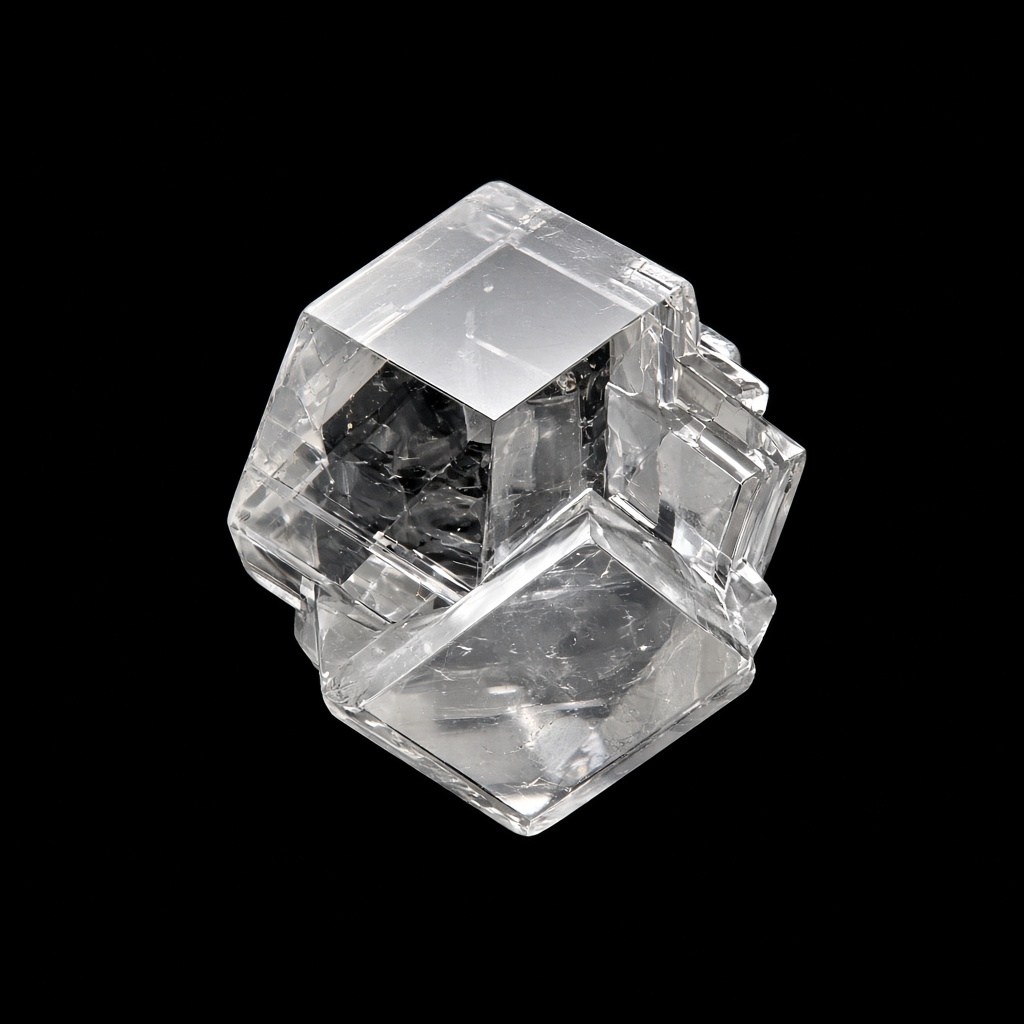
Calcite is calcium carbonate (CaCO₃), the Mohs 3 reference mineral, forming rhombs and scalenohedra with vitreous-to-pearly luster. Identify it by perfect rhombohedral cleavage, strong double refraction through clear pieces, and brisk fizz in dilute acid.
About Calcite
Calcite is calcium carbonate (CaCO₃), the Mohs 3 reference mineral, forming rhombs and scalenohedra with vitreous-to-pearly luster. Identify it by perfect rhombohedral cleavage, strong double refraction through clear pieces, and brisk fizz in dilute acid.
Calcite is filed under minerals in the RockScan directory. Composition: Calcium carbonate. It forms via sedimentary limestones, hydrothermal veins, caves. Typical occurrence: Worldwide. For the broader method, see how to identify rock types.
Calcite properties
| Mohs hardness | 3 |
|---|---|
| Class | mineral |
| Scientific name | CaCO₃ |
| Color | Colorless, white, and all tints |
| Luster | Vitreous to pearly |
| Crystal system / texture | Trigonal |
| Composition | Calcium carbonate |
| Formation | Sedimentary limestones, hydrothermal veins, caves |
| Occurrence | Worldwide |
How to identify Calcite
- Rhombohedral cleavage and crystal habit; double image through clear rhombs.
- Mohs 3 — fingernail will not scratch it, a copper coin will.
- Brisk acid fizz; often fluoresces under UV.
Lookalikes to rule out
- Dolomite: Dolomite is slightly harder with sluggish acid response; calcite fizzes briskly and scratches at Mohs 3.
- Aragonite: Aragonite shares CaCO₃ chemistry but forms orthorhombic needles and twins; calcite favors rhombs and scalenohedra.
- Gypsum: Gypsum is far softer (Mohs 2, fingernail scratches it); calcite resists a fingernail but yields to a coin.
Photo tips for Calcite ID
- Demonstrate double refraction by shooting text through a clear rhomb — the doubled image is iconic.
- Use raking light on cleavage faces; calcite rhombs photograph best at an angle.
- Show fluorescence under UV when available; many calcites glow red-orange.
Snap one specimen in natural light, then open the result in the online studio or the rock identifier app.
Calcite FAQ
How do you identify calcite?
Check rhomb cleavage, double refraction, Mohs 3, and instant acid fizz. Dolomite reacts slowly; quartz is far harder.
Calcite vs quartz?
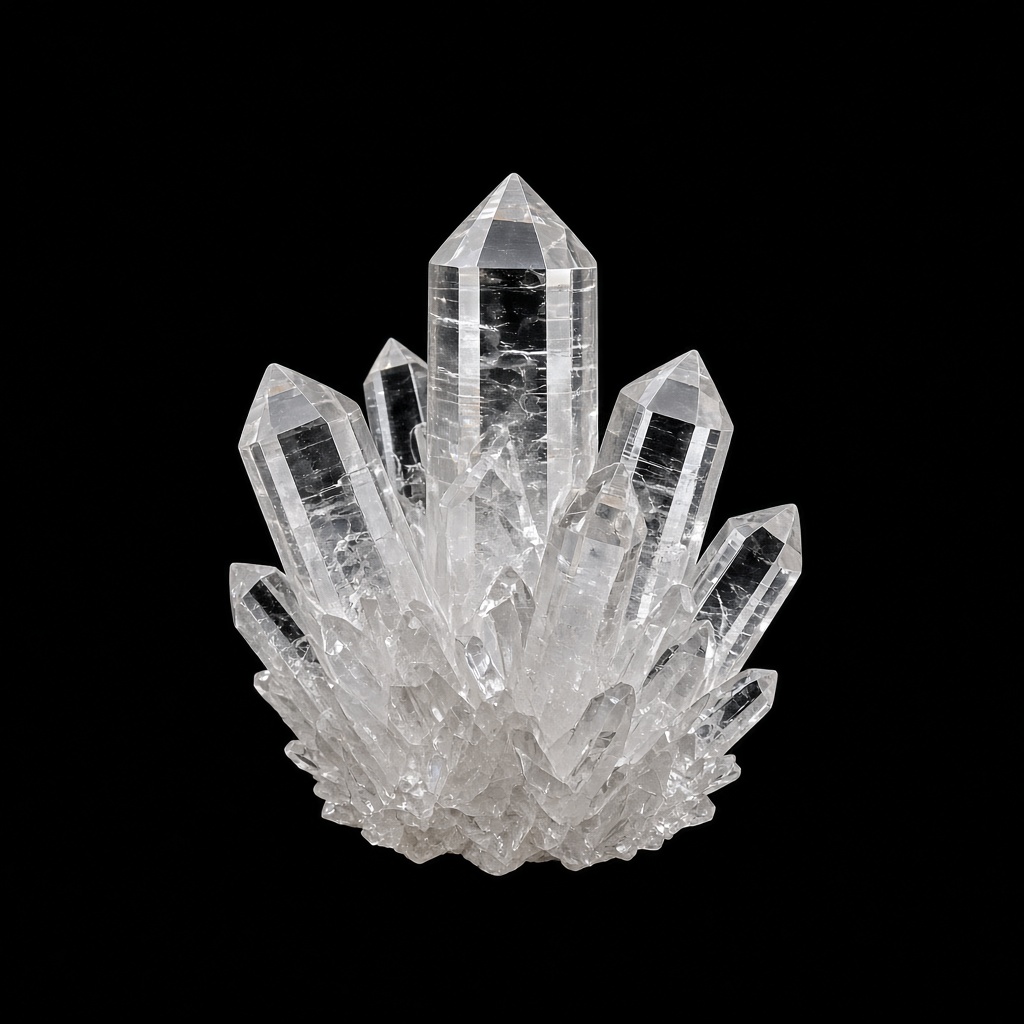
Quartz is Mohs 7 with no cleavage and no acid reaction; calcite cleaves into rhombs and fizzes.
Why does text double through calcite?
Strong birefringence splits light into two paths — the classic Iceland-spar demonstration of double refraction.
How to identify calcite
Calcite anchors beginner mineral ID as the Mohs 3 standard, yet it still gets confused with dolomite and quartz. Stack these tests:
- Rhomb cleavage: breaks into rhombohedra with three clean cleavage directions.
- Double refraction: text viewed through a clear rhomb doubles — quartz never does this.
- Hardness 3: coin scratches it, fingernail does not — bracket it between gypsum and fluorite.
- Acid fizz: a drop of dilute acid fizzes instantly, unlike sluggish dolomite.
- Photo confirm: shoot the doubled-text demo plus cleavage angles, then RockScan against dolomite and gypsum.
Calcite vs dolomite vs aragonite vs gypsum
- Dolomite: harder with slow fizz; calcite fizzes on contact and scratches easier.
- Aragonite: same chemistry, orthorhombic needles and cyclic twins instead of rhombs.
- Gypsum: softer (Mohs 2) — a fingernail marks gypsum but not calcite.
Photo tips for calcite optics
The doubled-text shot through a clear rhomb is the single most convincing calcite photo. Compare dolomite, gypsum, and quartz guides, then confirm in the online studio or rock identifier app.
Related minerals to compare
Browse all: rocks · minerals · crystals · directory · what rock is this · rock vs mineral vs crystal. Confirm with the online studio or rock identifier app.