Rock guide
How to Identify Gabbro
Mafic intrusive rock
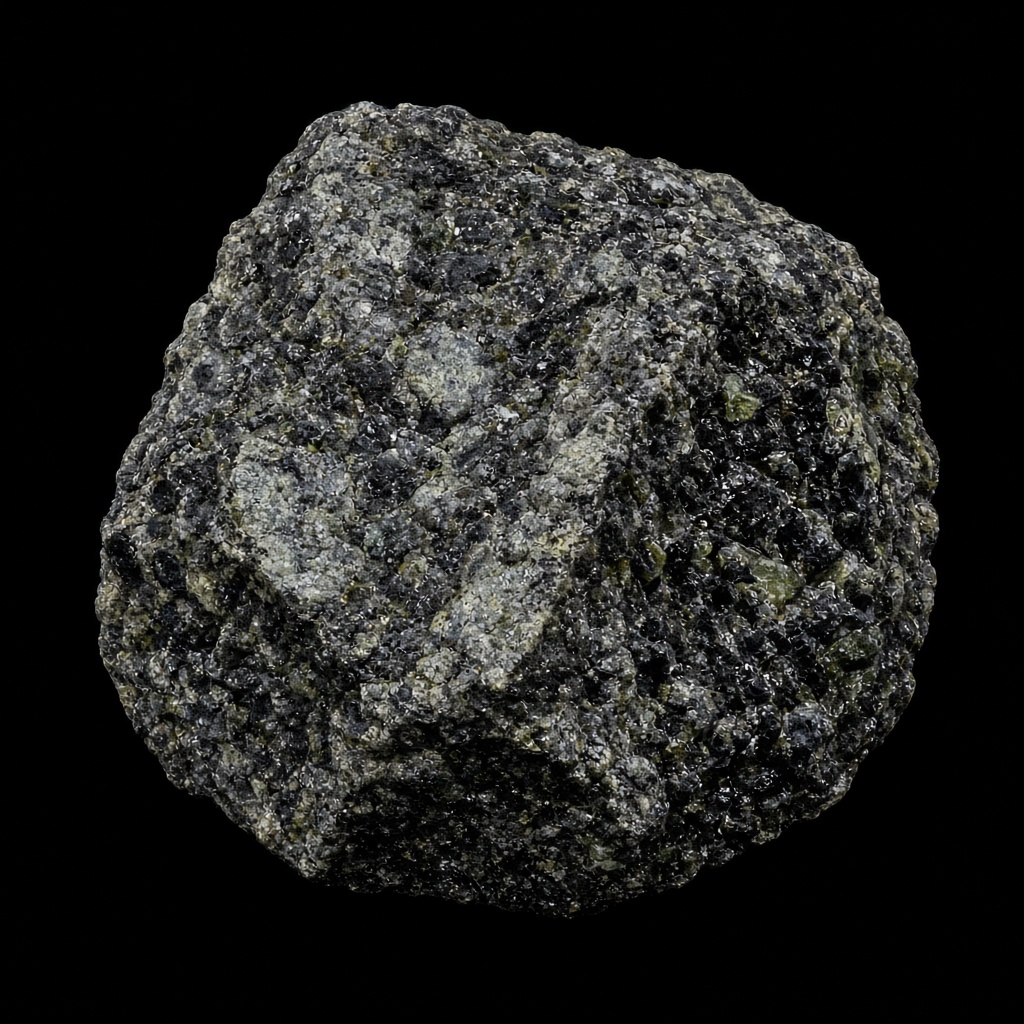
Gabbro is a coarse-grained intrusive mafic rock — the plutonic cousin of basalt. Identify it by dark dense interlocking crystals (plagioclase + pyroxene), not fine basalt or glassy obsidian.
About Gabbro
Gabbro is a coarse-grained intrusive mafic rock — the plutonic cousin of basalt. Identify it by dark dense interlocking crystals (plagioclase + pyroxene), not fine basalt or glassy obsidian.
Gabbro is filed under rocks in the RockScan directory. Composition: Plagioclase + pyroxene ± olivine (basalt chemistry). It forms via slow cooling of mafic magma at depth. Typical occurrence: Layered intrusions, ophiolites, oceanic crust Layer 3. For the broader method, see how to identify rock types.
Gabbro properties
| Mohs hardness | 5–6 (aggregate) |
|---|---|
| Class | rock |
| Scientific name | Mafic intrusive rock |
| Color | Dark gray to black-green |
| Luster | Vitreous to dull |
| Crystal system / texture | Phaneritic aggregate |
| Composition | Plagioclase + pyroxene ± olivine (basalt chemistry) |
| Formation | Slow cooling of mafic magma at depth |
| Occurrence | Layered intrusions, ophiolites, oceanic crust Layer 3 |
How to identify Gabbro
- Dark + coarse crystals.
- Dense; little or no quartz.
- Not glassy (unlike obsidian).
Lookalikes to rule out
- Basalt: Basalt is fine-grained; gabbro shows coarse dark crystals.
- Diorite: Diorite is salt-and-pepper intermediate; gabbro is darker mafic with little quartz.
- Peridotite: Peridotite is ultramafic olive-green olivine-rich; gabbro is plagioclase + pyroxene dominated.
Photo tips for Gabbro ID
- Emphasize coarse dark interlocking crystals.
- Compare next to a fine black cobble (basalt) if available.
- Avoid underexposure on dark rock.
Snap one specimen in natural light, then open the result in the online studio or the rock identifier app.
Gabbro FAQ
How do you identify gabbro?
Dark, coarse-grained intrusive rock. Think “basalt chemistry, granite grain size.”
Gabbro vs basalt?
Cooling rate: gabbro intrusive/coarse; basalt extrusive/fine.
Where is gabbro found?
In plutons, ocean crust sections, and as dark landscaping stone.
How to identify gabbro rock
Collectors search “how to identify gabbro rock” when a dark crystalline cobble might be basalt, diorite, or obsidian. Use this field checklist:
- Coarse dark crystals: plutonic mafic rock — visible plagioclase + pyroxene interlocking; not fine like basalt.
- Density & color: dark grey to black-green and dense; little or no quartz.
- Not glass: crystalline throughout — obsidian is glassy without coarse grains.
- Vs diorite: gabbro is darker mafic; diorite shows more salt-and-pepper intermediate mix.
- Photo first: expose coarse crystals without crushing blacks, then confirm with RockScan.
Gabbro vs basalt vs diorite vs peridotite
- Basalt: Fine-grained volcanic equivalent; gabbro shows coarse dark crystals.
- Diorite: Salt-and-pepper intermediate; gabbro is darker mafic with little quartz.
- Peridotite: Ultramafic olive olivine-rich; gabbro is plagioclase + pyroxene.
Photo tips for gabbro ID
Coarse dark interlocking crystals with careful exposure; optional side-by-side with fine basalt. Compare granite and magnetite-bearing mafics, then confirm in the online studio or rock identifier app.
Related rocks to compare
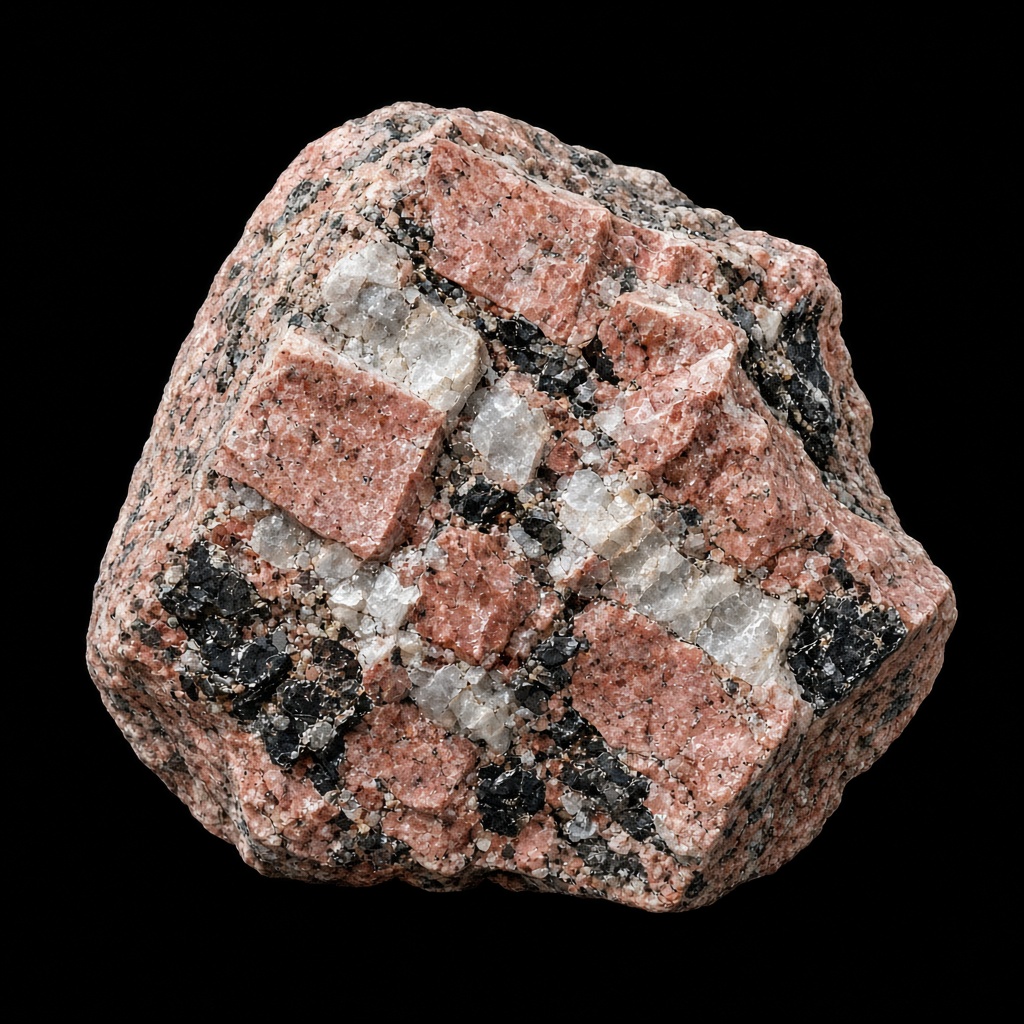
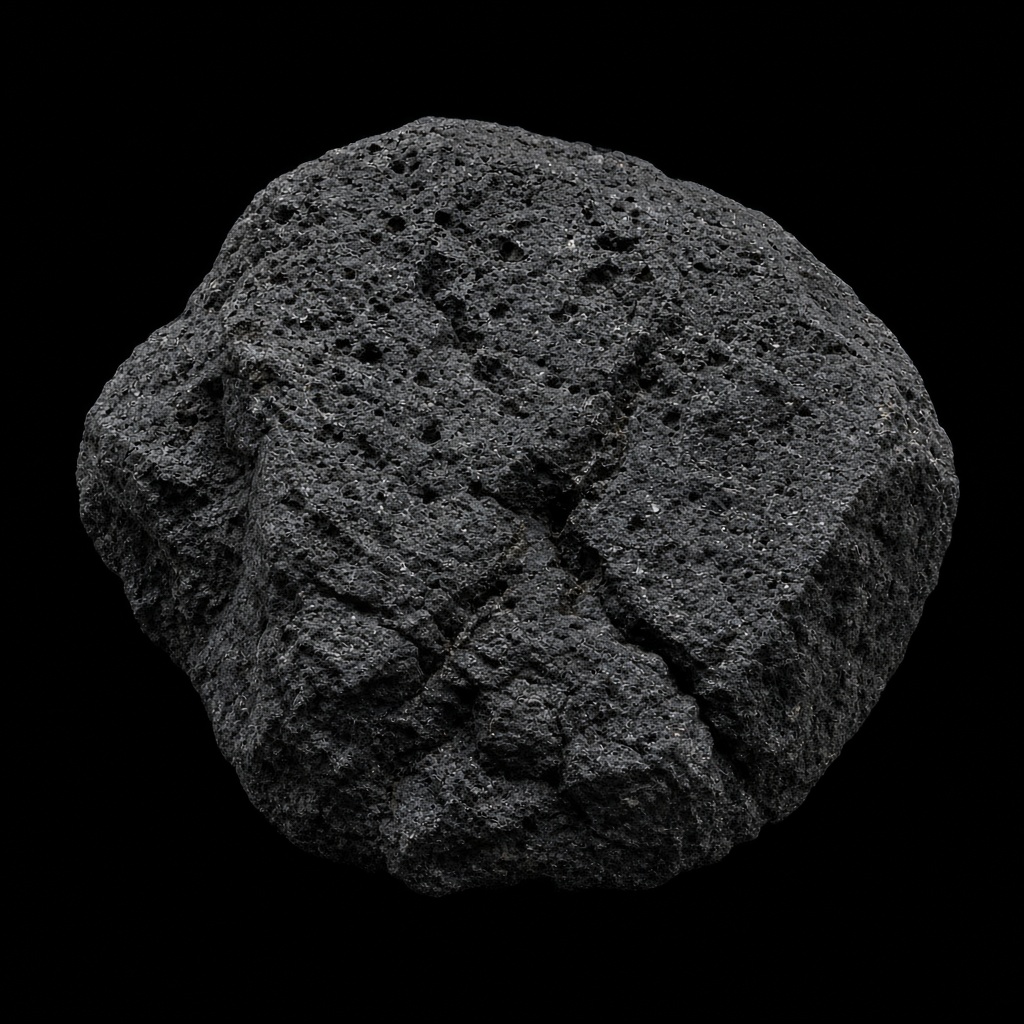
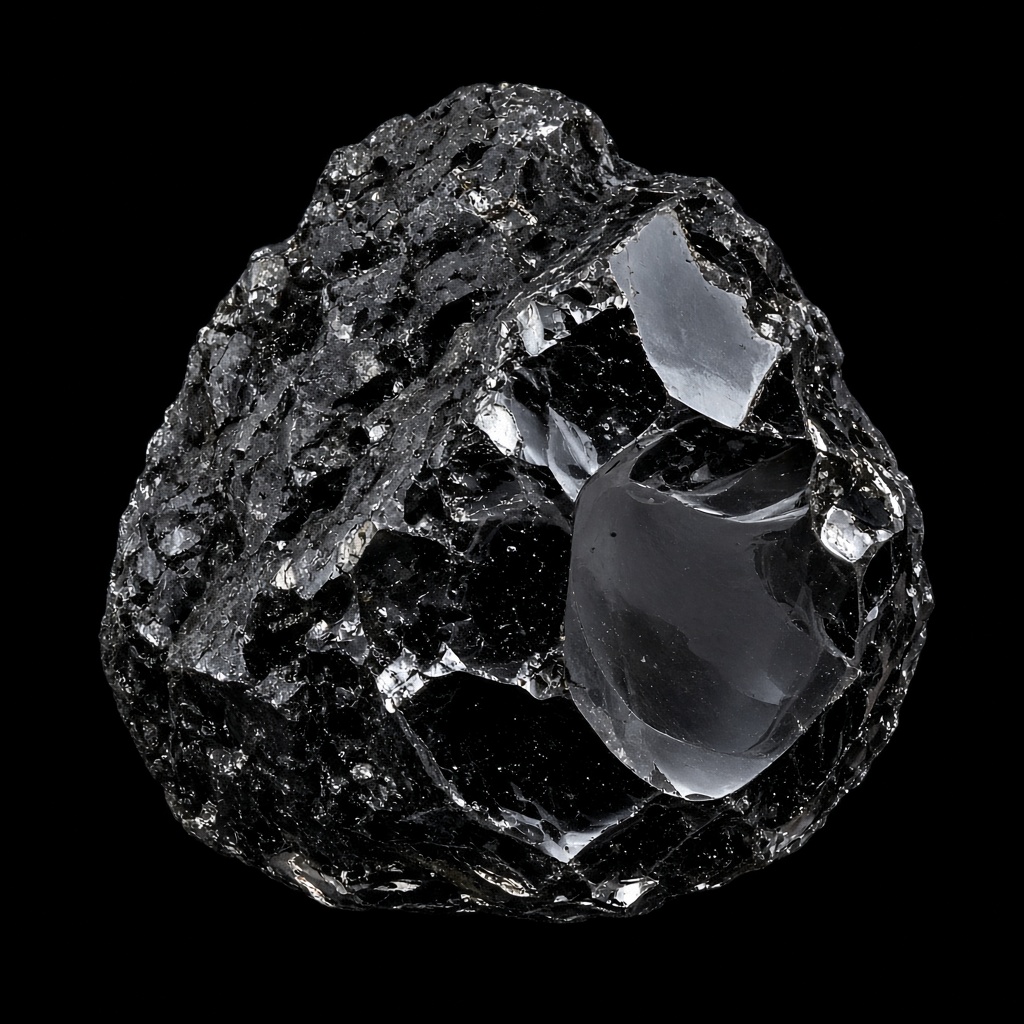
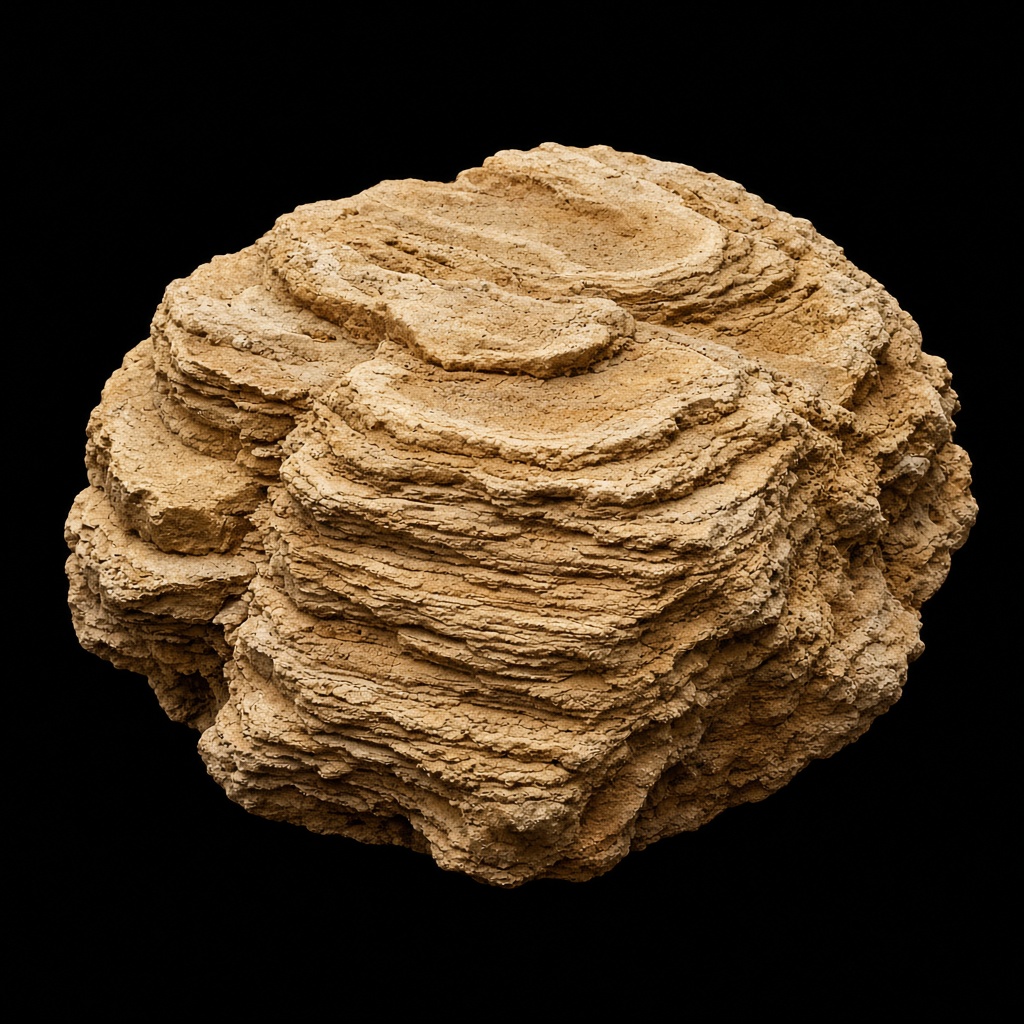
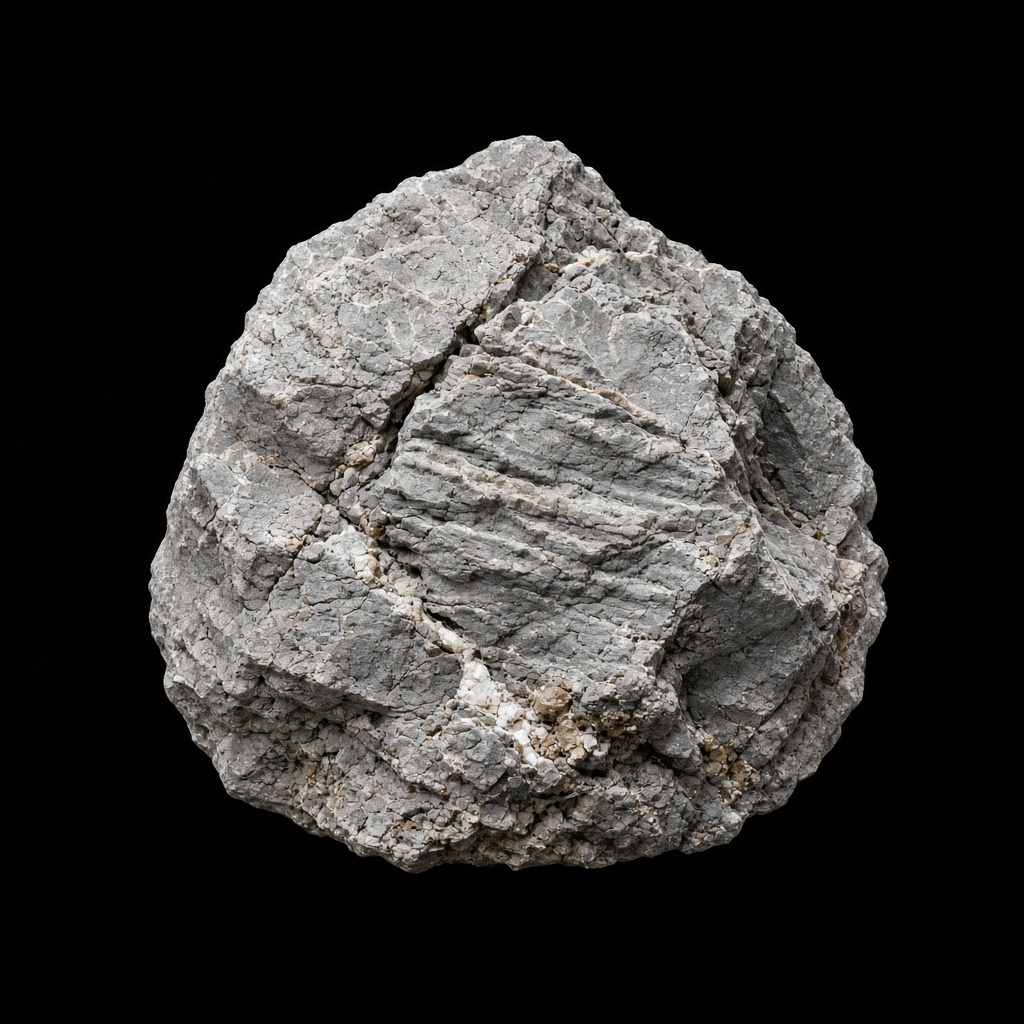
Browse all: rocks · minerals · crystals · directory · what rock is this · rock vs mineral vs crystal. Confirm with the online studio or rock identifier app.