Rock guide
How to Identify Diorite
Intermediate intrusive rock
Diorite is a coarse-grained intrusive igneous rock of intermediate composition, mainly plagioclase feldspar with hornblende or biotite. Identify it by a darker salt-and-pepper look than granite, visible interlocking crystals, and little to no quartz or pink K-feldspar.
About Diorite
Diorite is a coarse-grained intrusive igneous rock of intermediate composition, mainly plagioclase feldspar with hornblende or biotite. Identify it by a darker salt-and-pepper look than granite, visible interlocking crystals, and little to no quartz or pink K-feldspar.
Diorite is filed under rocks in the RockScan directory. Composition: Plagioclase + hornblende/biotite ± pyroxene, little quartz. It forms via slow cooling of intermediate magma at depth. Typical occurrence: Volcanic arcs and continental margins worldwide. For the broader method, see how to identify rock types.
Diorite properties
| Mohs hardness | 6–7 (aggregate) |
|---|---|
| Class | rock |
| Scientific name | Intermediate intrusive rock |
| Color | Gray salt-and-pepper, darker than granite |
| Luster | Vitreous (feldspar) with dull mafics |
| Crystal system / texture | Phaneritic aggregate |
| Composition | Plagioclase + hornblende/biotite ± pyroxene, little quartz |
| Formation | Slow cooling of intermediate magma at depth |
| Occurrence | Volcanic arcs and continental margins worldwide |
How to identify Diorite
- Phaneritic interlocking crystals, darker overall than granite.
- White-gray plagioclase plus black hornblende/biotite; scarce quartz.
- Aggregate hardness ~6–7; no banding (rules out gneiss).
Lookalikes to rule out
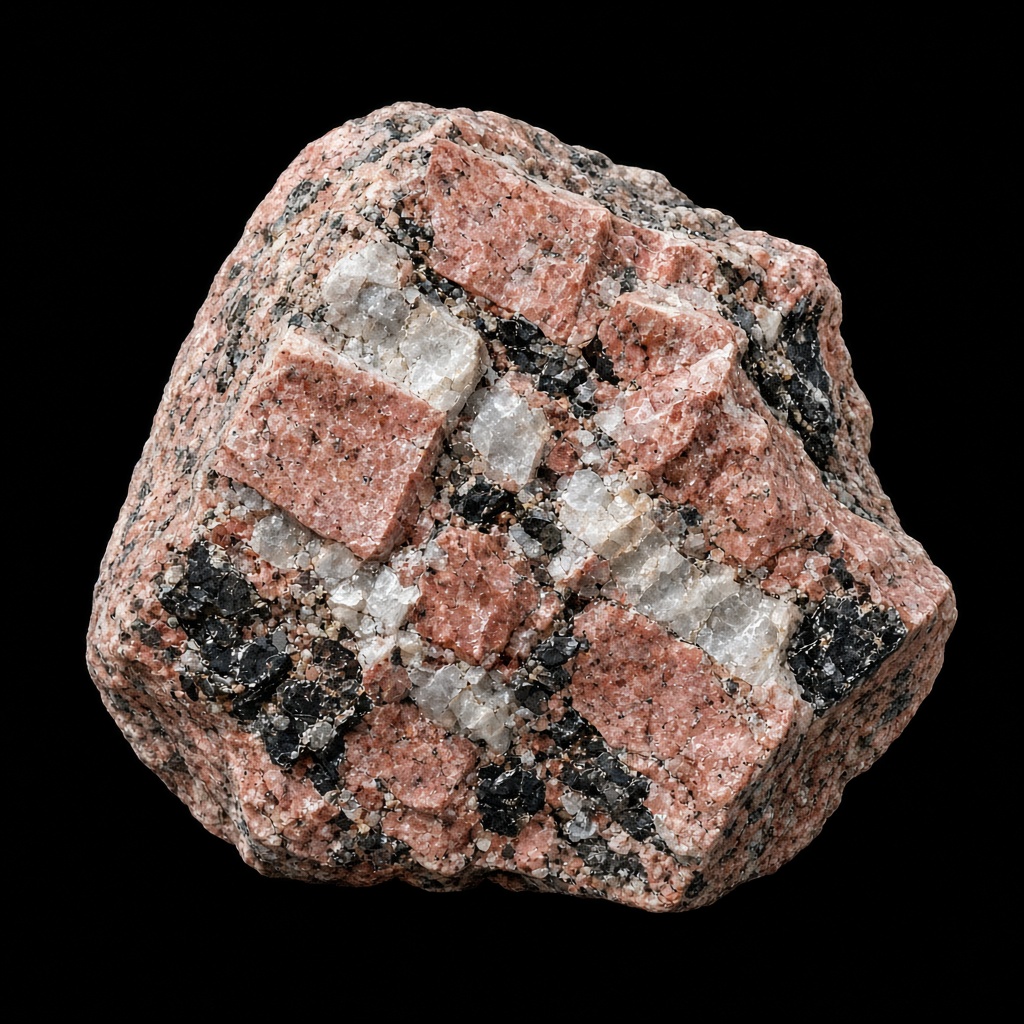
- Granite: Granite shows pink/white K-feldspar and abundant quartz; diorite is darker overall with plagioclase and little quartz.
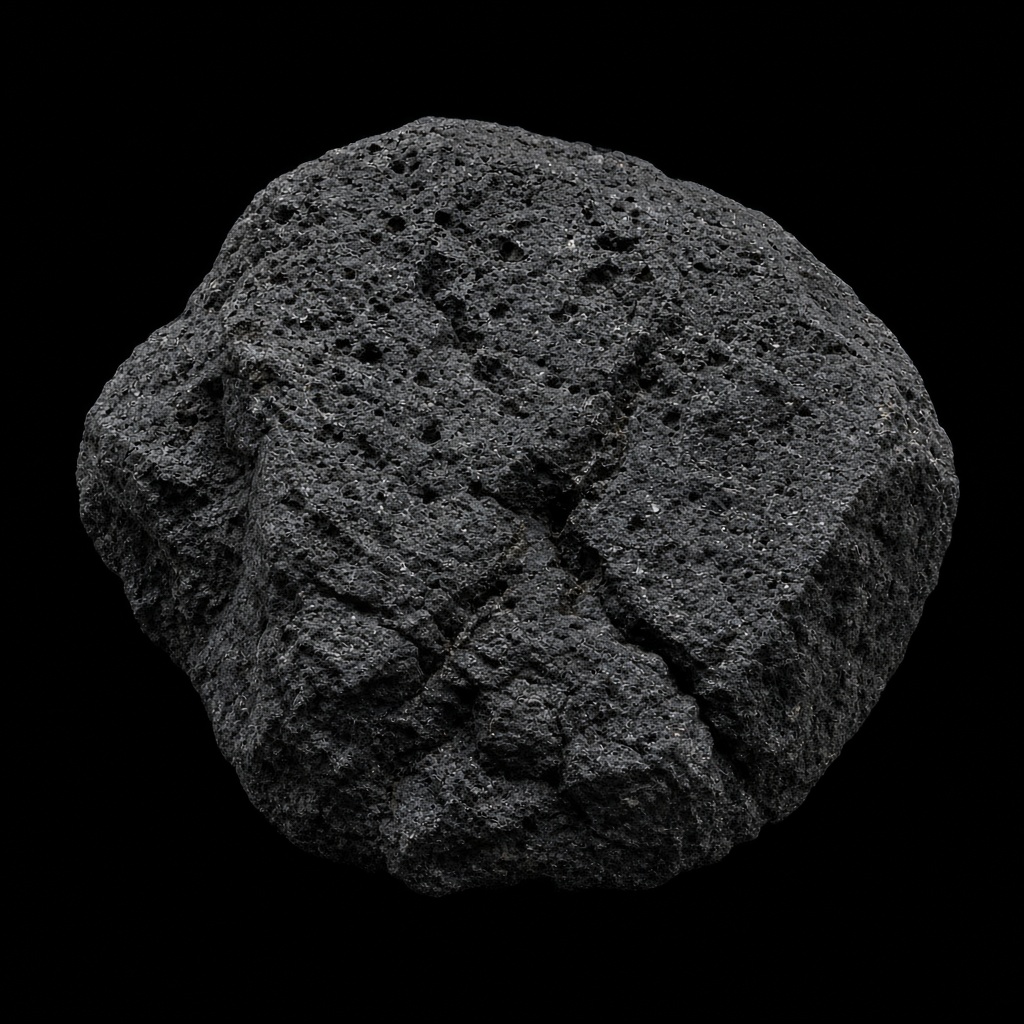
- Gabbro: Gabbro is darker and more mafic (pyroxene + calcic plagioclase); diorite sits visibly lighter between granite and gabbro.
- Andesite: Andesite is the fine-grained volcanic equivalent; diorite shows naked-eye interlocking crystals from slow cooling.
Photo tips for Diorite ID
- Shoot a fresh face in shade so white plagioclase and dark hornblende read separately.
- Include a coin — visible interlocking crystals (several mm) prove intrusive texture.
- Photograph beside granite when possible; the darker salt-and-pepper of diorite shows in comparison.
Snap one specimen in natural light, then open the result in the online studio or the rock identifier app.
Diorite FAQ
How do you identify diorite rock?
Look for a coarse darker salt-and-pepper of plagioclase and hornblende with little quartz. Granite is pinker with more quartz; gabbro is darker still.
Diorite vs granite?
Granite carries pink K-feldspar and glassy quartz grains; diorite leans gray-black with plagioclase and mafics.
Diorite vs andesite?
Same chemistry family, different cooling: diorite is coarse intrusive, andesite is fine volcanic — grain size decides.
How to identify diorite rock
Diorite sits in the awkward middle between granite and gabbro, so searches ask for the exact split. Use grain, color, and quartz content:
- Coarse texture: naked-eye interlocking crystals prove slow intrusive cooling, unlike fine andesite.
- Darker mix: gray salt-and-pepper with black hornblende — pinker rock with glassy quartz is granite.
- Feldspar type: white-gray plagioclase dominates; blocky pink K-feldspar is scarce or absent.
- No banding: massive structure rules out banded gneiss, which can look similar at a glance.
- Photo confirm: fresh-face shot with scale in shade, then RockScan against granite, gabbro, and andesite.
Diorite vs granite vs gabbro vs andesite
- Granite: pinker with visible quartz and K-feldspar; diorite is grayer with plagioclase and mafics.
- Gabbro: darker, denser, more pyroxene-rich — the mafic end of the same intrusive ladder.
- Andesite: fine-grained volcanic texture; diorite crystals are individually visible.
Photo tips for diorite ID
Shade lighting on a fresh face keeps white plagioclase from blowing out against dark hornblende. Compare granite, gabbro, and gneiss guides, then confirm in the online studio or rock identifier app.
Related rocks to compare
Browse all: rocks · minerals · crystals · directory · what rock is this · rock vs mineral vs crystal. Confirm with the online studio or rock identifier app.