Rock guide
How to Identify Lava Rock
Mafic extrusive rock
Lava rock is solidified basaltic or andesitic lava, usually the gas-bubble-rich top of a flow, sold bagged for grills and landscaping. Identify it by dark color, vesicular holes, and light-for-basalt weight.
About Lava Rock
Lava rock is solidified basaltic or andesitic lava, usually the gas-bubble-rich top of a flow, sold bagged for grills and landscaping. Identify it by dark color, vesicular holes, and light-for-basalt weight.
Lava Rock is filed under rocks in the RockScan directory. Composition: Plagioclase + pyroxene ± olivine. It forms via solidified surface lava flows. Typical occurrence: Volcanic regions worldwide; landscaping supply everywhere. For the broader method, see how to identify rock types.
Lava Rock properties
| Mohs hardness | 5-6 |
|---|---|
| Class | rock |
| Scientific name | Mafic extrusive rock |
| Color | Dark gray to black; red when oxidized |
| Luster | Dull to vitreous |
| Crystal system / texture | Aphanitic aggregate |
| Composition | Plagioclase + pyroxene ± olivine |
| Formation | Solidified surface lava flows |
| Occurrence | Volcanic regions worldwide; landscaping supply everywhere |
How to identify Lava Rock
- Vesicular holes throughout.
- Dark gray to black, sometimes reddish oxidized patches.
- Lighter than solid basalt of the same size.
Lookalikes to rule out
- Basalt: Solid basalt is dense and fine-grained; bagged lava rock is the vesicular, lighter top of the flow.
- Scoria: Scoria is more intensely vesicular cinder; lava rock landscaping pieces are denser chunks.
- Pumice: Pumice is felsic, pale, and can float; lava rock is dark mafic and sinks.
Photo tips for Lava Rock ID
- Show vesicle holes close up.
- Include a coin for scale; pieces vary wildly in size.
- Shoot dry and wet — color deepens when wet.
Snap one specimen in natural light, then open the result in the online studio or the rock identifier app.
Lava Rock FAQ
How do you identify lava rock?
Dark vesicular volcanic stone, lighter than solid basalt. Reddish patches mean surface oxidation.
Lava rock vs basalt: what is the difference?
Bagged lava rock is the frothy top of a basaltic flow; solid basalt is dense and fine-grained without the bubble holes.
Does lava rock float?
No — that is pumice. Lava rock is mafic and sinks; pumice is felsic and can float.
How to identify lava rock
Collectors search for lava rock when a dark vesicular stone might be basalt, scoria, or slag instead. Use this field checklist:
- Vesicles: Gas-bubble holes throughout distinguish lava rock from dense solid basalt.
- Weight: Lighter than solid basalt of the same size; heavier than pumice, which can float.
- Color: Dark gray to black, often with reddish oxidized patches — not pale like pumice.
Lava rock vs basalt vs scoria vs pumice
- Basalt: Solid basalt is dense and fine-grained; bagged lava rock is the vesicular, lighter top of the flow.
- Scoria: Scoria is more intensely vesicular cinder; lava rock landscaping pieces are denser chunks.
- Pumice: Pumice is felsic, pale, and can float; lava rock is dark mafic and sinks.
Photo tips for lava rock ID
Dry daylight plus one wet shot for true color, close-up of vesicle holes, and a scale shot. Compare basalt, pumice, and obsidian.
Related rocks to compare
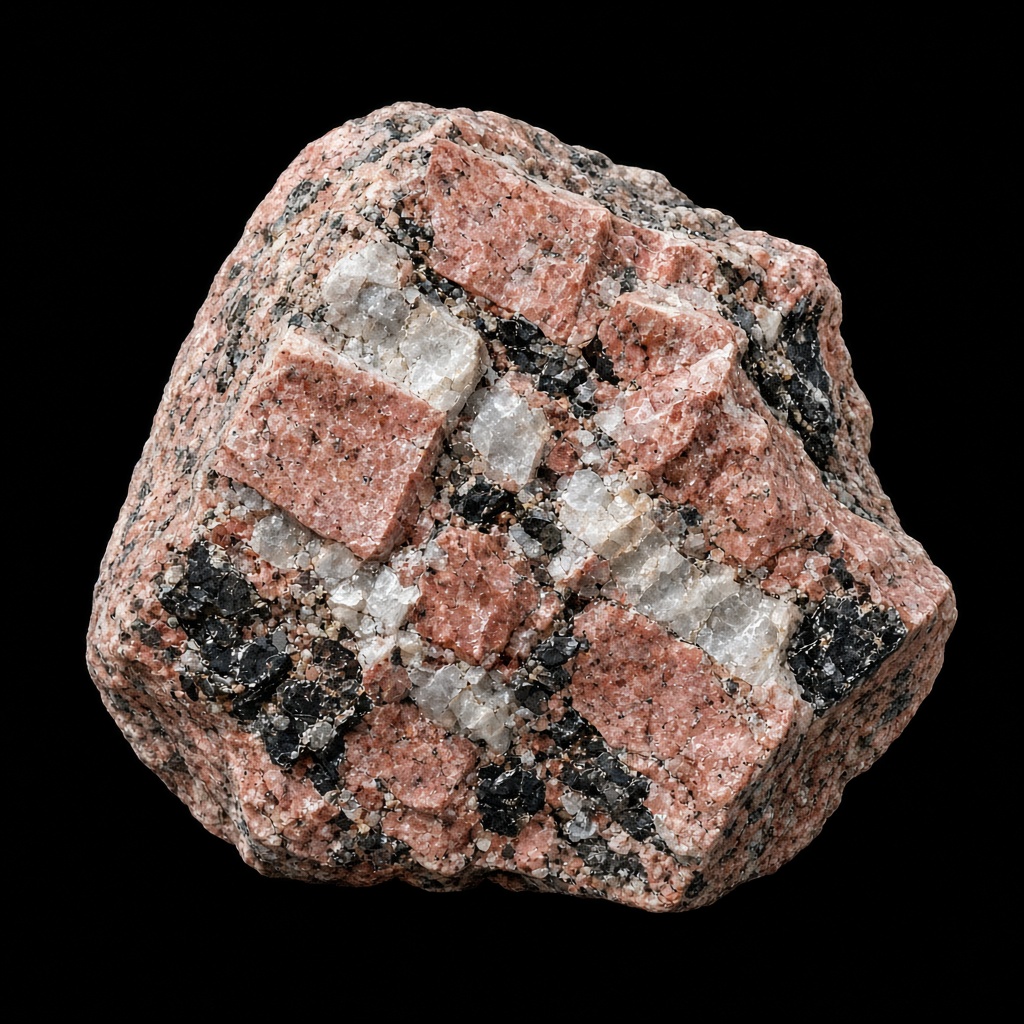
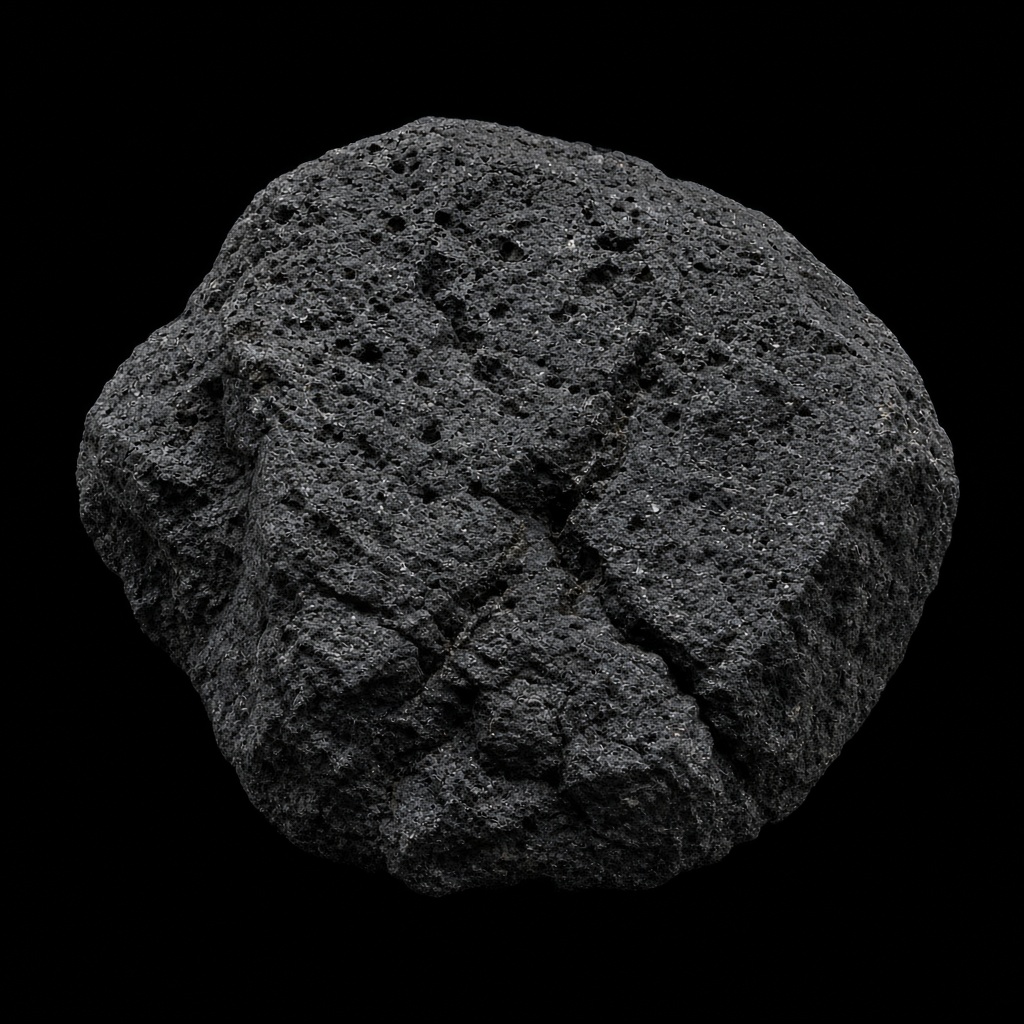
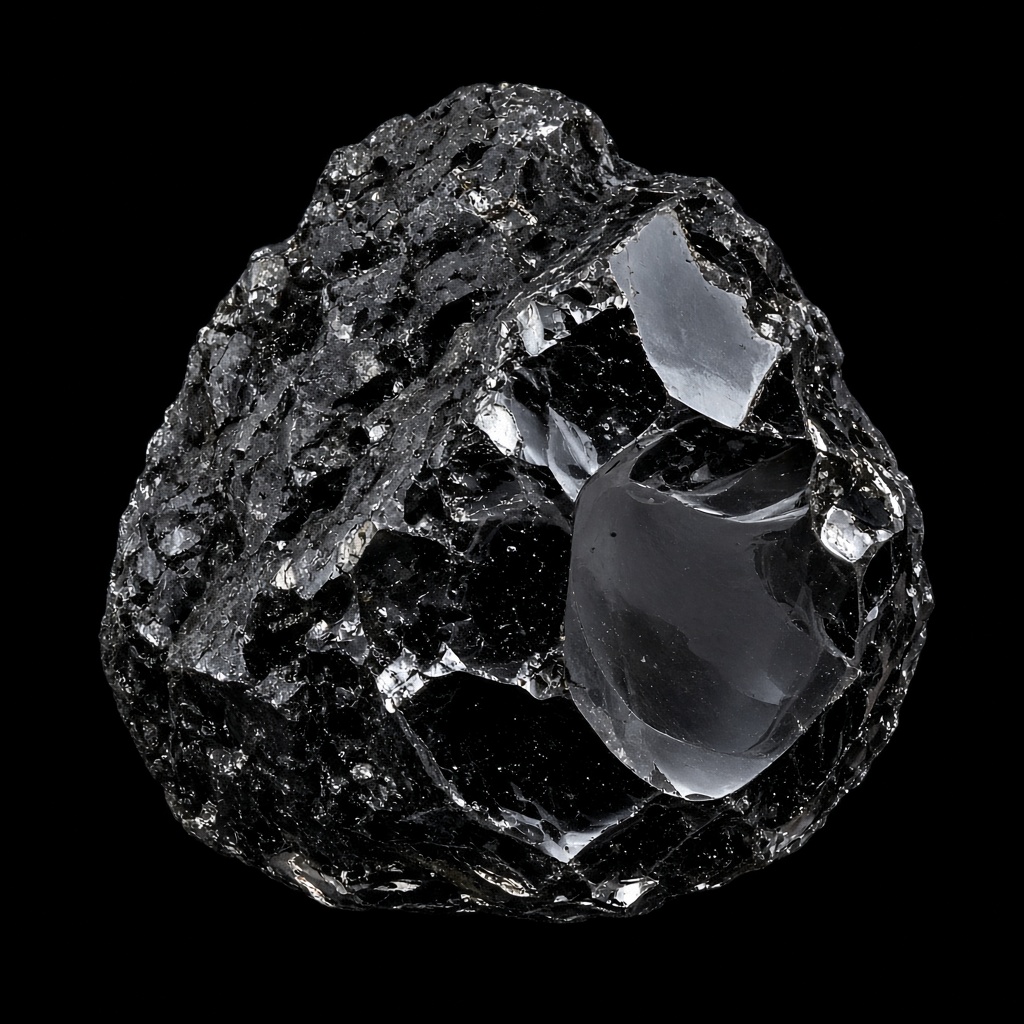
Browse all: rocks · minerals · crystals · directory · what rock is this · rock vs mineral vs crystal. Confirm with the online studio or rock identifier app.