RockScan field guide
Identify a Rock by Photo
To identify a rock by photo, shoot one specimen in diffuse daylight with a coin for scale — a dry face for true color plus a lightly damp corner for texture — then run it through RockScan for a ranked ID with hardness and lookalike checks to confirm.
Rock identifier app · photo ID on iPhone or web.
How photo ID works — vision triage, specimen card, confirm
RockScan photo ID works in three stages. First, vision triage: the model reads your picture the way a geologist reads a hand specimen at arm's length — overall shape, color pattern, visible texture, and any banding, grains, fossils, or crystal faces — and ranks the closest matches from the specimen directory with a confidence estimate. Second, the specimen card: the top suggestion opens a structured card with Mohs hardness, formation context, rarity notes, and the lookalikes most collectors confuse it with. Third, you confirm: run the card's checks — a scratch test on a hidden corner, heft in the hand, texture under a lens — and rule out the listed lookalikes before filing the find. The model proposes; the checklist disposes.
That division of labor is the whole method. Pixels are excellent at pattern — the speckles of granite, the bands of gneiss, the grit of sandstone — and weak at properties no camera can feel: hardness, density, streak. So treat every photo ID as triage that tells you which guide to open first, not as a certificate. Wondering what rock is this after a hike? The three-angle photo set below plus one hardness check resolves most finds in minutes.
What AI needs — one specimen, sharp texture, no clutter
Identification models score highest on pictures that isolate one decision. Give the camera a single specimen, fill at least two-thirds of the frame with it, and lock focus on the surface texture rather than the background. The model needs to see whether crystals interlock, grains sit in cement, layers peel, or bands run light-dark — and it cannot see any of that in a distant shot of a whole hillside or a bucket of mixed gravel.
- One stone per photo: mixed piles force the model to guess which object you mean. Photograph finds individually, even if you collected five.
- Clean the rind: brush off mud and dust; weathered crusts dull every family. A quick rinse is fine — shoot after the surface dries to canonical color.
- Plain background: neutral paper, a pack lid, or bare soil. Patterned tablecloths and hands covering half the stone steal focus and scale.
- Two distances: one overall shot with scale for size and shape, one close-up for grain, sparkle, or banding. Texture close-ups decide more IDs than any other single frame.
Collector pieces follow the same rules with one addition: capture any crystal faces, terminations, or banding straight-on. Habit separates quartz-family stones from lookalikes faster than color — compare quartz points against softer fluorite cubes, or banded agate against opaque jasper, in the minerals and crystals hubs.
Lighting, framing, scale, and wet-dry — the photo checklist
Four habits cover most failures seen in blurry submissions. They take ninety seconds and improve every later step, from model confidence to your own lookalike checks.
- Diffuse daylight, no flash: shoot in open shade or under thin cloud. Direct sun blows out pale stones like rhyolite and hides detail in dark ones like basalt; flash flattens texture and shifts purple stones toward blue.
- Scale in every set: a coin or ruler beside the specimen. Coarse granite crystals read at centimeters while sandstone grit needs macro — without scale the model cannot tell which it sees.
- Wet and dry pair: one dry shot for true color, one lightly damp corner to pop texture. Mica sparkle in schist, banding in gneiss, and translucency in agate all read better damp — but log the dry color as canonical.
- Three angles: face-on texture, edge-on layering or thickness, and one fresh or broken face where you have it. Sheet splitting in slate, pebble rounding in conglomerate, and crystal lining in a geode only show edge-on or inside.
Then upload in the online studio or the rock identifier app. RockScan returns the ranked suggestion with the exact confirmation checks, and the specimen guides for rocks, minerals, and crystals carry the lookalike tables to finish the job.
When field tests still matter — hardness, streak, magnetism, lookalikes
Some pairs are pixel-identical and only yield to touch. Keep three cheap tests behind every photo ID. Hardness: a fingernail (~2.5) marks soft shale and gypsum; a steel nail or knife (~5.5) marks limestone and marble but not granite, quartzite, or flint — scratch an inconspicuous corner and confirm the groove with a lens. Heft and streak: basalt and gabbro feel heavy for size while pumice feels startlingly light; red-brown streak points to hematite where black streak plus a magnet points to magnetite. Magnetism: a fridge magnet that grabs the specimen narrows meteorite suspects and iron ores fast — most dark slag suspects fail the fusion-crust checklist instead.
Run these five classic lookalike pairs before locking any ID: granite vs gneiss (bands decide), sandstone vs quartzite (grit vs fused grains), limestone vs marble (fossils and dull vs sugary sparkle), basalt vs obsidian vs flint (crystalline vs glassy vs cortex-bearing silica), and shale vs slate vs schist (crumble vs ring vs glitter). Each species page lists its own tell-apart table, and how to identify rock types teaches the family triage behind them. Photo ID tells you which pair to test; the tests tell you the answer.
What rock is this? · rock vs mineral vs crystal · full directory
Start with hubs & top specimens
Browse rocks · minerals · crystals · or clear definitions at rock vs mineral vs crystal.
Browse specimens
- How to identify geode rock — A geode is a hollow or partly hollow rock cavity lined with mineral crystals (often quartz, amethyst, or…
- How to identify flint rock — Flint is a hard, fine-grained sedimentary form of quartz (a dark variety of chert) that breaks with sharp…
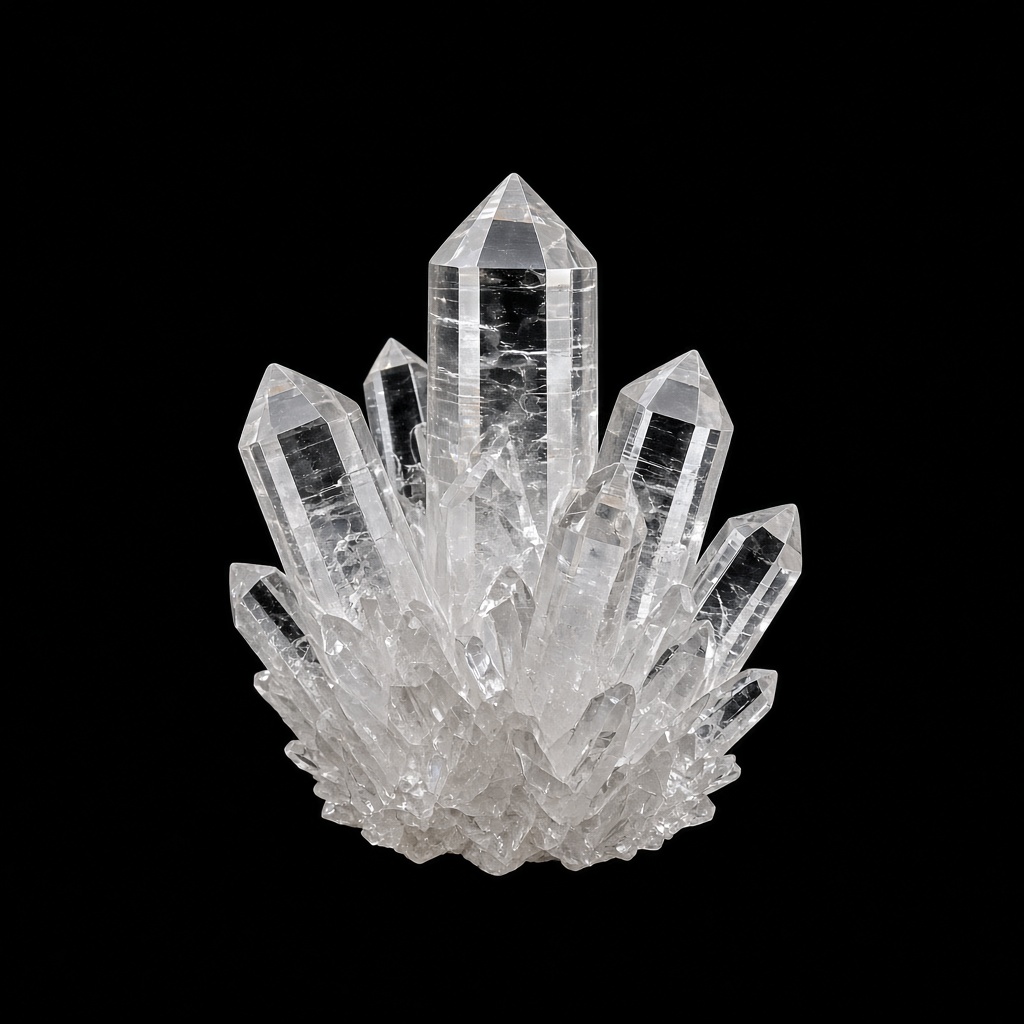
- How to identify quartz — Quartz is silicon dioxide (SiO₂), one of Earth’s most common minerals. Clear rock crystal, milky, and smoky…
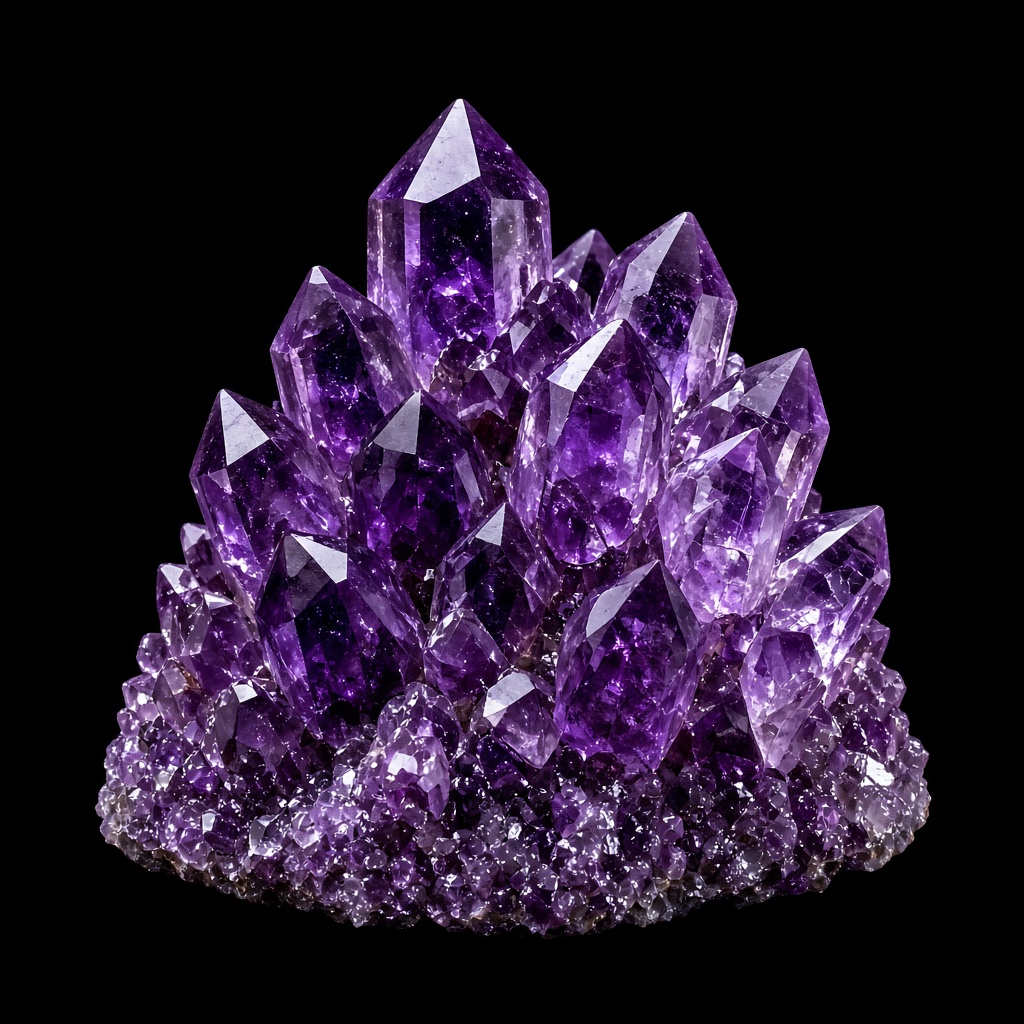
- How to identify amethyst — Amethyst is purple quartz (SiO₂) colored by iron-related centers. It shares quartz’s Mohs 7 hardness and…
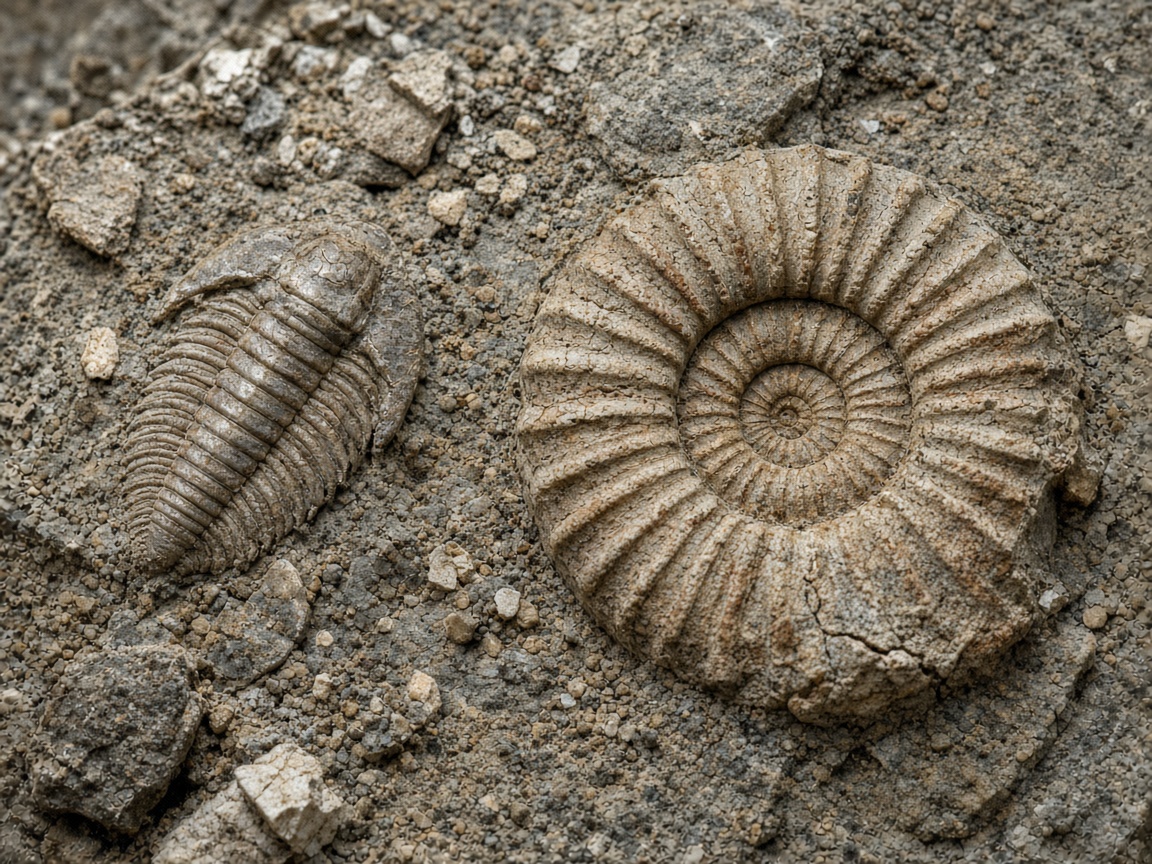
- How to identify fossil rock — Fossil rock is sedimentary rock that preserves organism remains or traces — shells, bone, wood, or…
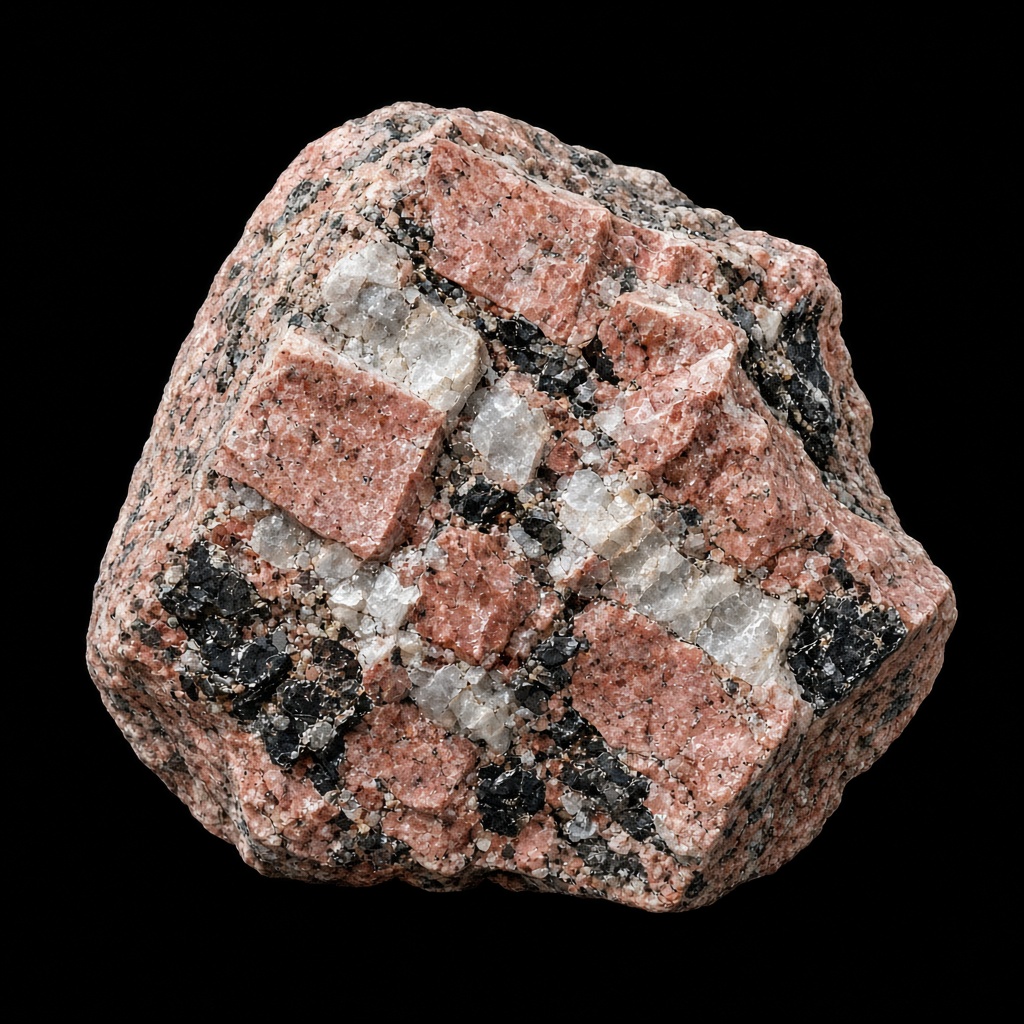
- How to identify granite rock — Granite is a coarse-grained intrusive igneous rock made of interlocking quartz, feldspar, and mica. Identify…
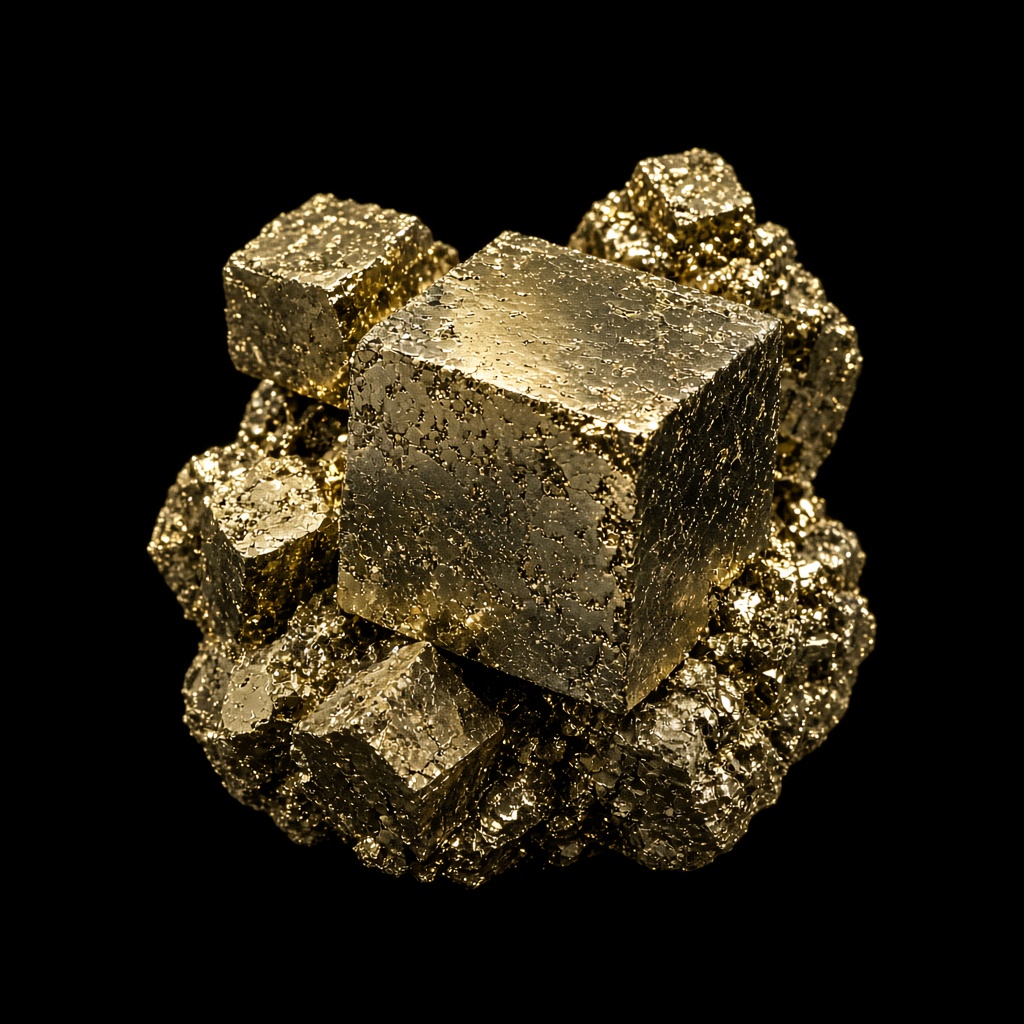
- How to identify pyrite — Pyrite is iron sulfide (FeS₂), nicknamed fool’s gold for its metallic brass color. Classic specimens show…
- How to identify meteorite rock — A meteorite is a fragment of solar-system rock or metal that survived atmospheric entry. Identify it by a…
- How to identify chert rock — Chert is a hard sedimentary rock made of microcrystalline quartz (SiO₂). Identify it by waxy-to-vitreous…
FAQ
How do I identify a rock from a picture?
Photograph one specimen in diffuse daylight with a coin for scale — a dry face for true color plus a lightly damp corner for texture — then run it through the RockScan online studio or rock identifier app. You get a ranked ID with confidence plus hardness and lookalike checks to confirm on the specimen card.
What kind of photo does rock identification AI need?
One specimen per photo, filled frame, sharp focus on texture, and no clutter. Face-on texture plus an edge-on shot of layering or thickness gives the model the most signal; distant landscape shots and mixed gravel piles give the least.
Should I photograph the rock wet or dry?
Shoot both: one dry photo for canonical color, one lightly damp corner to pop texture. Damp stone reveals mica sparkle, agate banding, and grain contrast that dry photos hide — but log the dry color as the true color, since water darkens every rock.
Why did my photo ID come back unsure?
The four usual causes are blur or low light, several stones in one frame, heavy filters or flash blowout, and a weathered rind hiding the fresh texture. Reshoot a single cleaned specimen in open shade with scale and try again — then confirm with a hardness check.
Can photo ID replace hardness and streak tests?
No. Photo ID ranks the candidates; field checks close the call. A steel nail separates soft limestone and marble from hard quartzite, heft separates pumice from basalt, and streak color separates hematite from magnetite. Use the specimen card's checklist after every scan.
Is it free to identify a rock by photo?
Yes to start. New users get a free RockScan scan in the online studio or the iPhone app, and the specimen directory stays free to browse. RockScan Pro unlocks unlimited photo IDs and Ask AI — see pricing for details.