Crystal & mineral guide
Slate
Foliated metamorphic mudrock
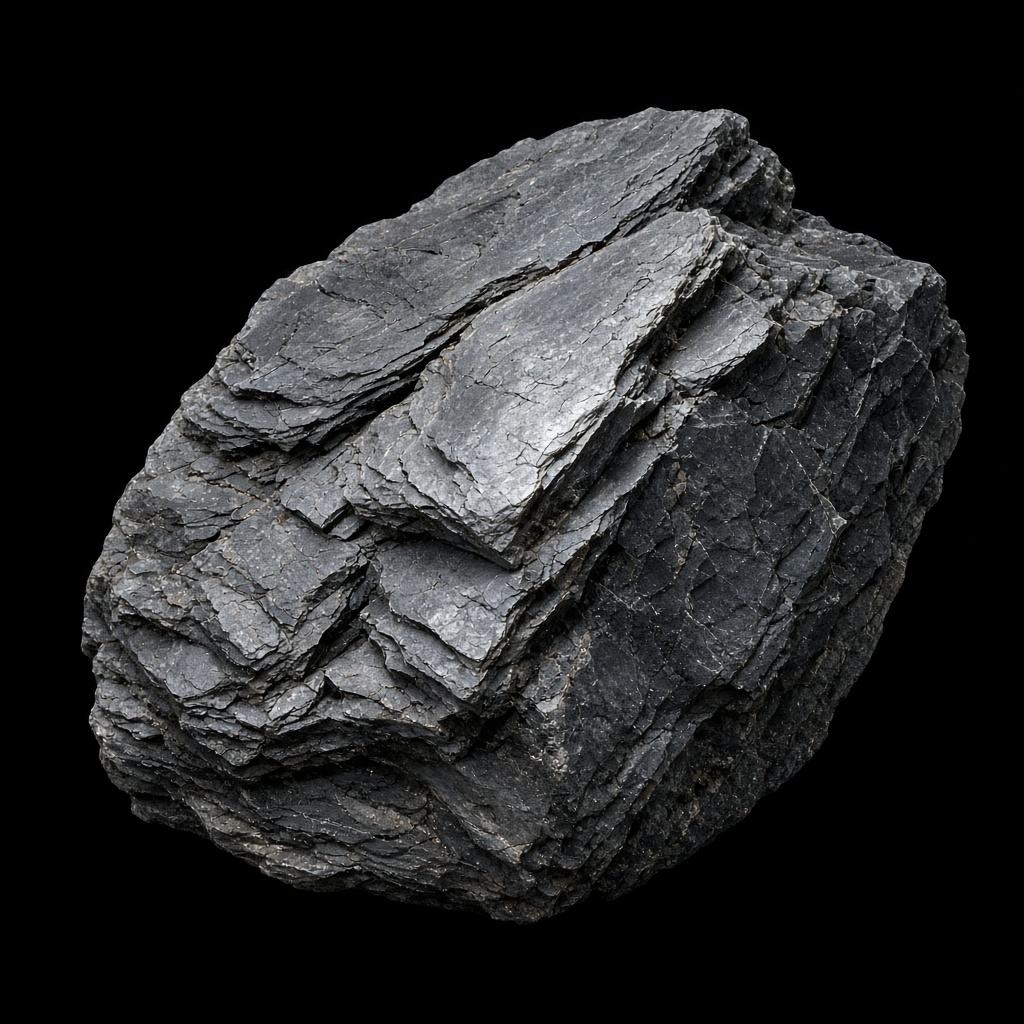
Fine-grained foliated rock that splits into thin roofing sheets.
Identify Slate with RockScanAbout Slate
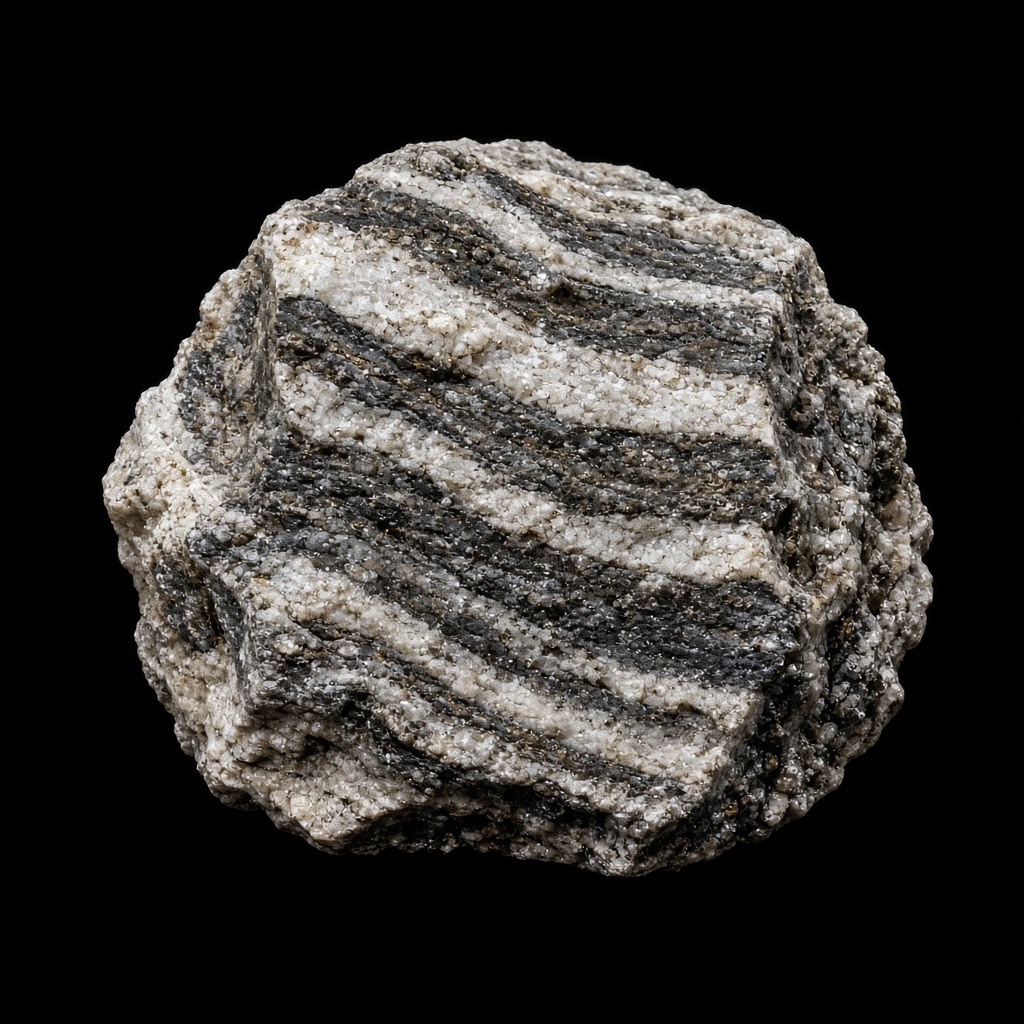
Slate's perfect cleavage yields thin durable sheets for roofing and flooring. Harder and ringier than shale. Cleavage planes may cut original bedding. Classic metamorphic teaching rock.
Slate belongs in a crystal identifier workflow because photo cues — color zoning, crystal habit, and surface luster — combine with measurable traits like Mohs 3–5 (aggregate) and specific gravity 2.7–2.8. Use RockScan’s camera to get a first-pass ID, then confirm with the checklist below.
Slate properties
| Mohs hardness | 3–5 (aggregate) |
|---|---|
| Crystal system | Foliated aggregate |
| Luster | Dull to silky |
| Color | Gray, black, green, purple |
| Composition | Micaceous minerals from metamorphosed shale |
| Formation | Low-grade regional metamorphism of shale |
| Occurrence | Wales, Spain, USA, Brazil, China |
| Specific gravity | 2.7–2.8 |
| Cleavage | Perfect slaty cleavage |
How to identify Slate
- Splits into thin hard sheets
- Rings when struck vs dull shale
- Fine grain; may show pyrite cubes
Collector notes
- Welsh slate roofed much of industrial Britain
- Cleavage can be perpendicular to original bedding
Value context: Roofing/flooring dimension stone by durability and color.
Slate FAQ
How do you identify Slate?
Slate (Foliated metamorphic mudrock) is typically recognized by gray, black, green, purple color, dull to silky luster, Mohs hardness 3–5 (aggregate), and foliated aggregate crystal system. RockScan can suggest Slate from a photo and surface these checks on the result card.
What is Slate made of?
Slate composition: Micaceous minerals from metamorphosed shale. It forms via low-grade regional metamorphism of shale and is found in Wales, Spain, USA, Brazil, China.
Is Slate valuable?
Roofing/flooring dimension stone by durability and color.