Crystal & mineral guide
Schist
Medium-grade foliated metamorphic rock
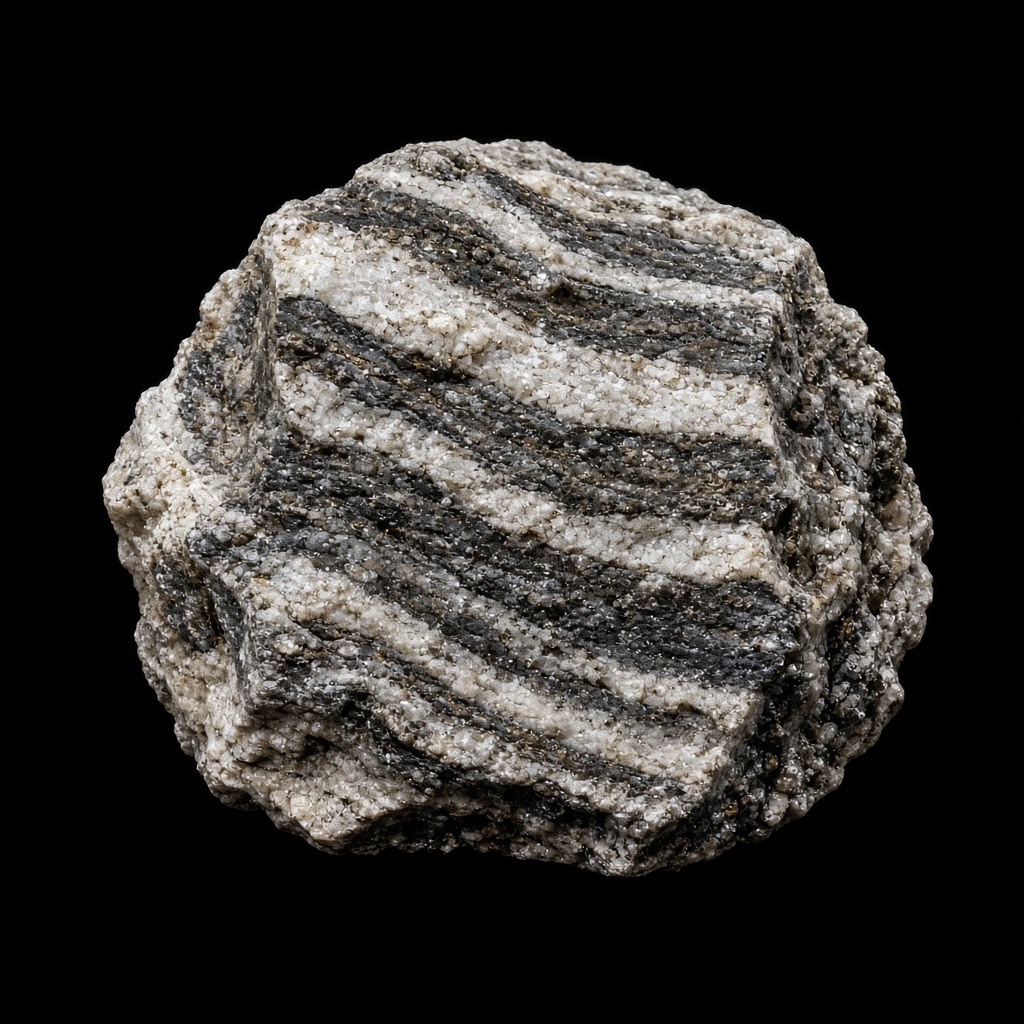
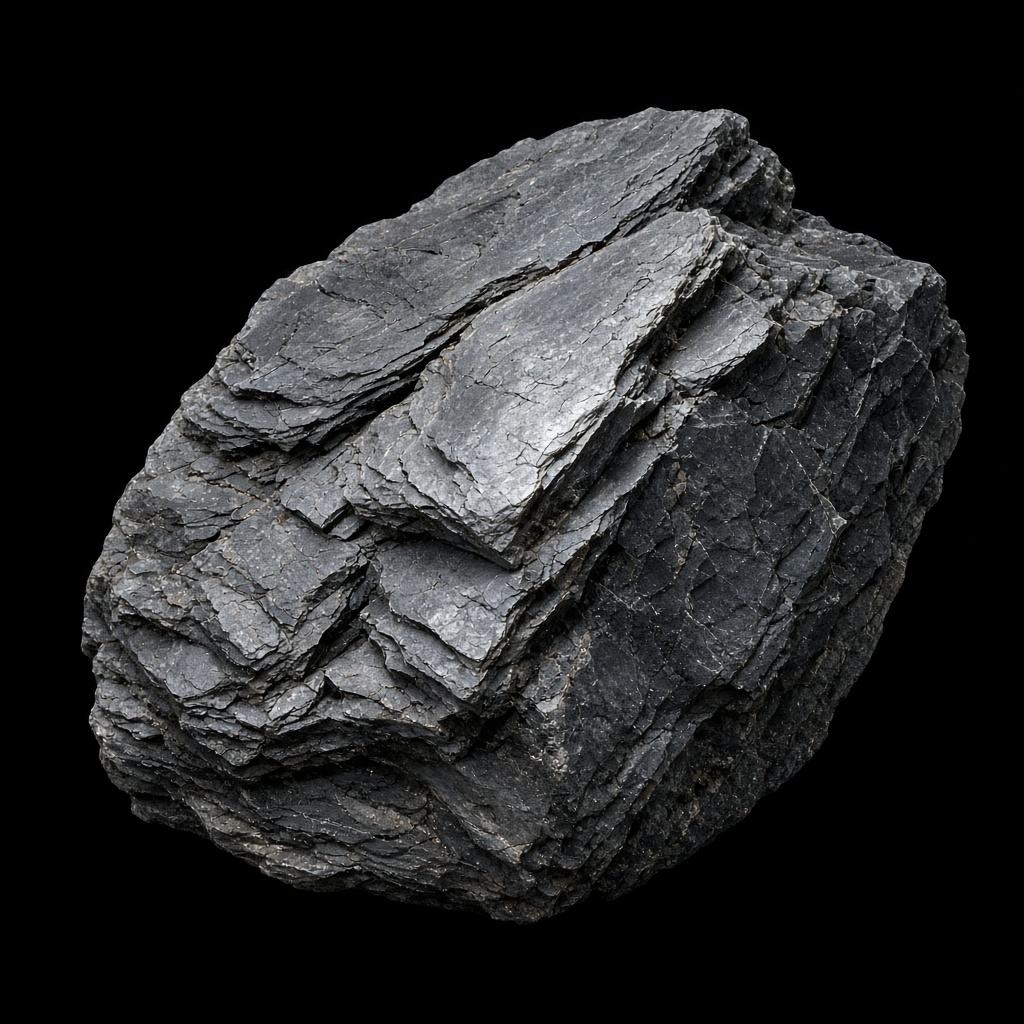
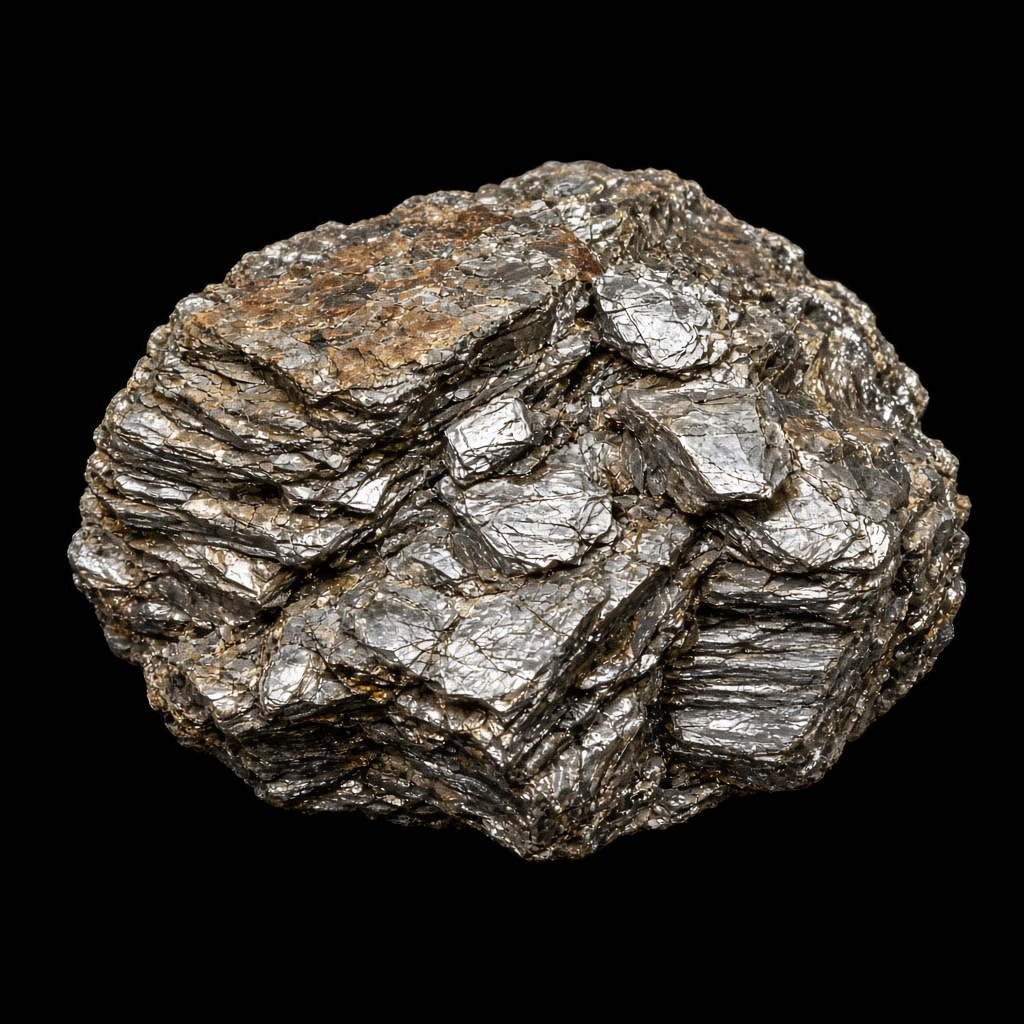
Shiny foliated rock — mica alignment defines schistosity.
Identify Schist with RockScanAbout Schist
Schist is characterized by visible aligned micas giving a silky sheen. Garnet-mica schists are classic. Hosts many metamorphic index minerals (garnet, kyanite, staurolite). More fissile than gneiss.
Schist belongs in a crystal identifier workflow because photo cues — color zoning, crystal habit, and surface luster — combine with measurable traits like Mohs 3–7 (mineral-dependent) and specific gravity 2.7–3.0. Use RockScan’s camera to get a first-pass ID, then confirm with the checklist below.
Schist properties
| Mohs hardness | 3–7 (mineral-dependent) |
|---|---|
| Crystal system | Foliated aggregate |
| Luster | Silky to vitreous |
| Color | Silvery, green, garnet-bearing |
| Composition | Aligned micas ± quartz, garnet, staurolite |
| Formation | Regional metamorphism of mudrocks/basalts |
| Occurrence | Orogenic belts worldwide |
| Specific gravity | 2.7–3.0 |
| Cleavage | Schatzosity (foliation) |
How to identify Schist
- Wavy shiny mica foliation
- Visible mineral grains
- May contain garnets
Collector notes
- Schistosity is the defining fabric name
- Index minerals in schist map metamorphic grade
Value context: Limited dimension use; mineralized schists collected for crystals.
Schist FAQ
How do you identify Schist?
Schist (Medium-grade foliated metamorphic rock) is typically recognized by silvery, green, garnet-bearing color, silky to vitreous luster, Mohs hardness 3–7 (mineral-dependent), and foliated aggregate crystal system. RockScan can suggest Schist from a photo and surface these checks on the result card.
What is Schist made of?
Schist composition: Aligned micas ± quartz, garnet, staurolite. It forms via regional metamorphism of mudrocks/basalts and is found in Orogenic belts worldwide.
Is Schist valuable?
Limited dimension use; mineralized schists collected for crystals.