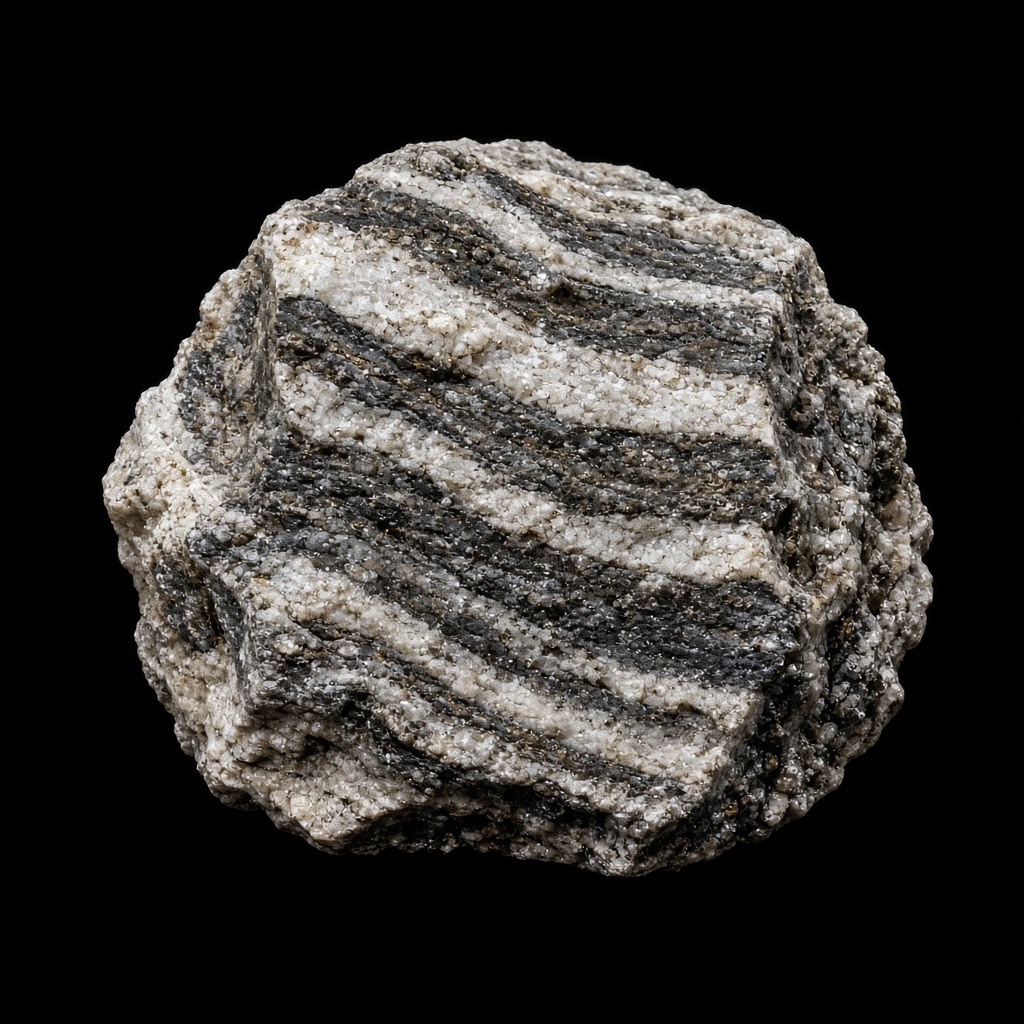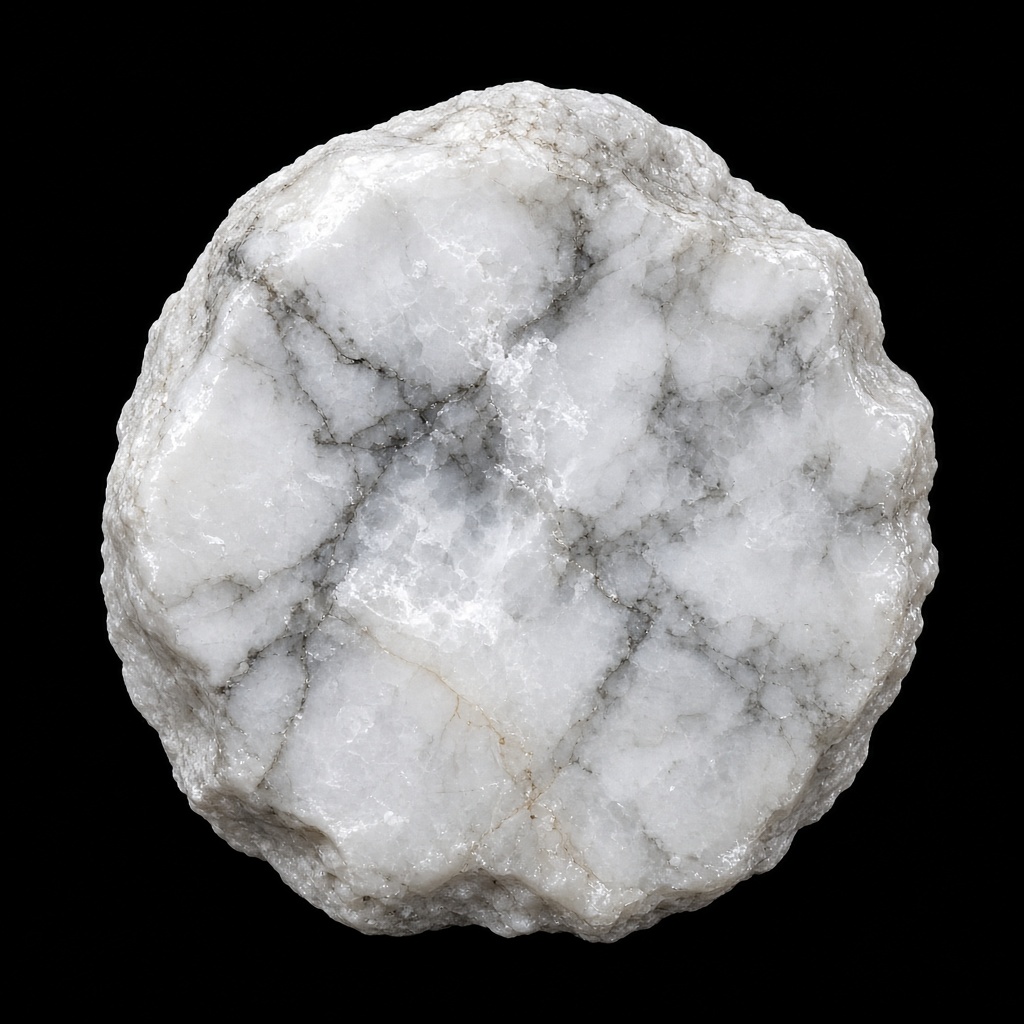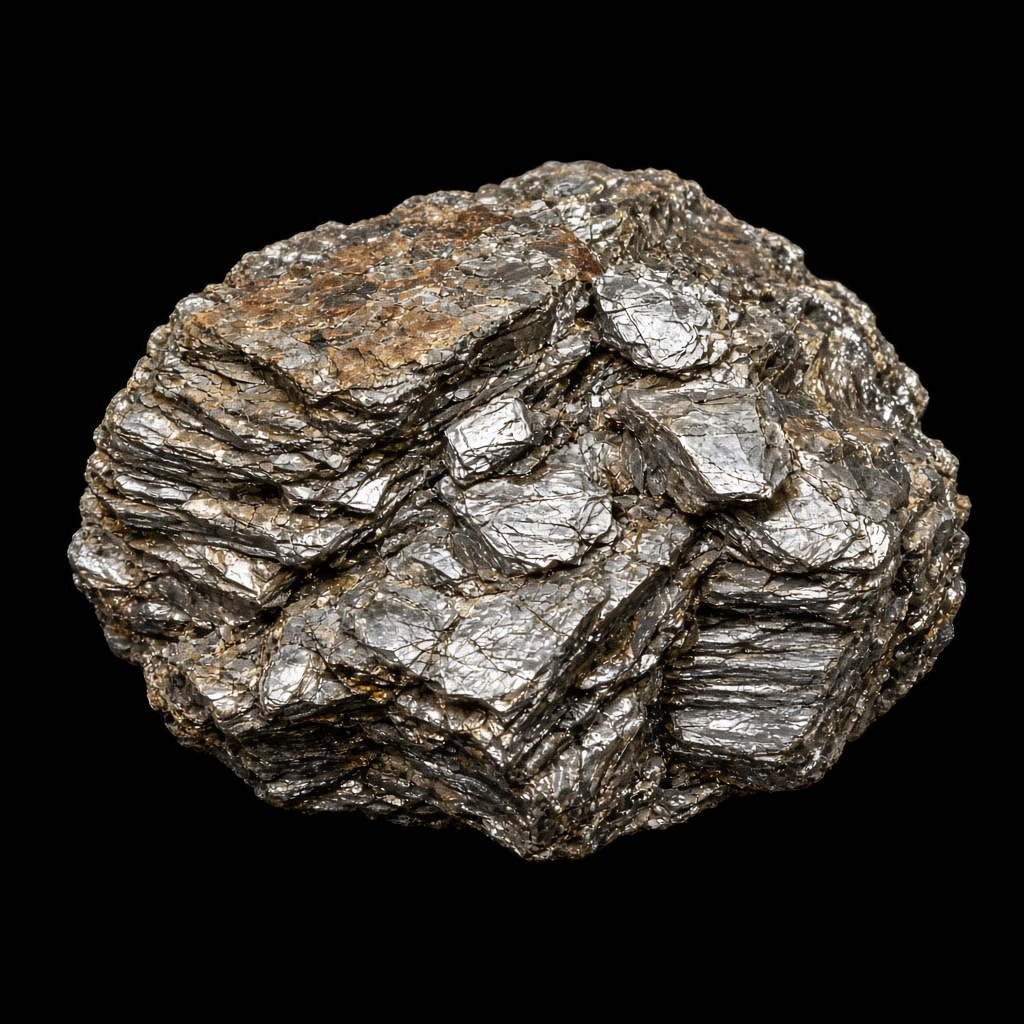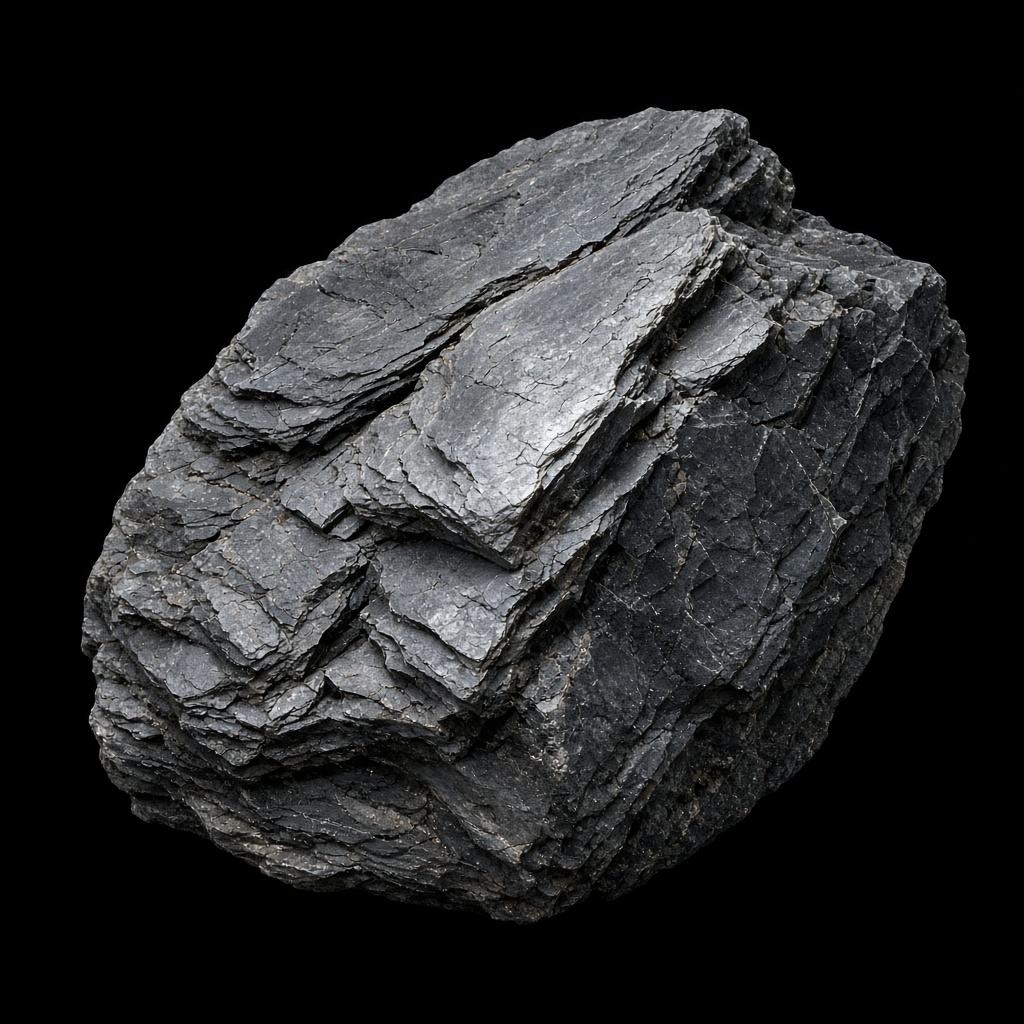
Crystal & mineral guide
Quartzite
Metamorphosed sandstone
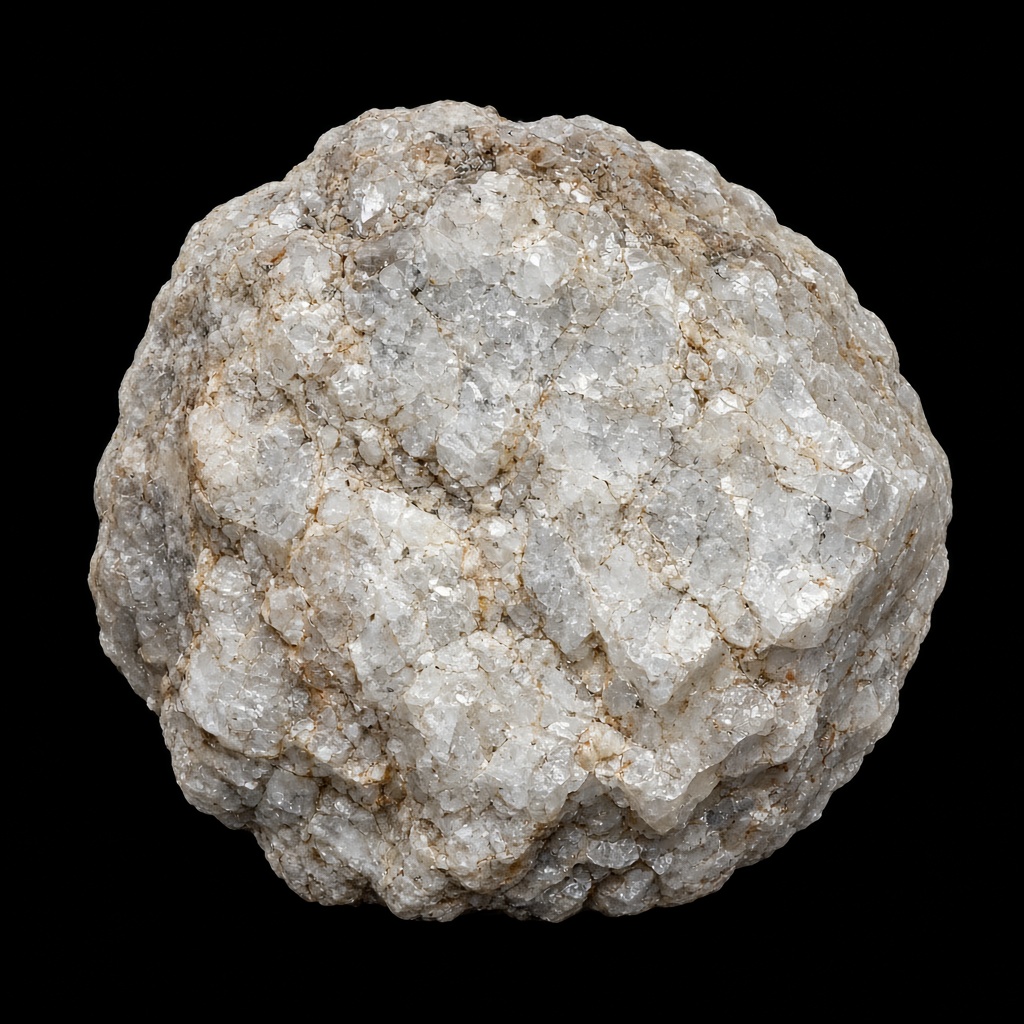
Hard metamorphosed sandstone — fractures through grains, not around them.
Identify Quartzite with RockScanAbout Quartzite
Quartzite is extremely hard and durable. Fractures cut across quartz grains (vs sandstone breaking around grains). Used as aggregate and decorative stone. Dyed quartzite is a common jade imitation in bead markets — check hardness and RI.
Quartzite belongs in a crystal identifier workflow because photo cues — color zoning, crystal habit, and surface luster — combine with measurable traits like Mohs 7 (aggregate) and specific gravity 2.6–2.7. Use RockScan’s camera to get a first-pass ID, then confirm with the checklist below.
Quartzite properties
| Mohs hardness | 7 (aggregate) |
|---|---|
| Crystal system | Granoblastic aggregate |
| Luster | Vitreous |
| Color | White, pink, gray, red |
| Composition | Interlocking quartz grains |
| Formation | Metamorphism of quartz sandstone |
| Occurrence | Worldwide; mountain belts |
| Specific gravity | 2.6–2.7 |
| Cleavage | None |
How to identify Quartzite
- Hardness 7; scratches glass easily
- Sugary vitreous look
- Breaks through grains
Collector notes
- Among the most weathering-resistant common rocks
- Dyed quartzite frequently imitates jade in trade
Value context: Dimension/aggregate stone; dyed material is low-cost simulant stock.
Quartzite FAQ
How do you identify Quartzite?
Quartzite (Metamorphosed sandstone) is typically recognized by white, pink, gray, red color, vitreous luster, Mohs hardness 7 (aggregate), and granoblastic aggregate crystal system. RockScan can suggest Quartzite from a photo and surface these checks on the result card.
What is Quartzite made of?
Quartzite composition: Interlocking quartz grains. It forms via metamorphism of quartz sandstone and is found in Worldwide; mountain belts.
Is Quartzite valuable?
Dimension/aggregate stone; dyed material is low-cost simulant stock.