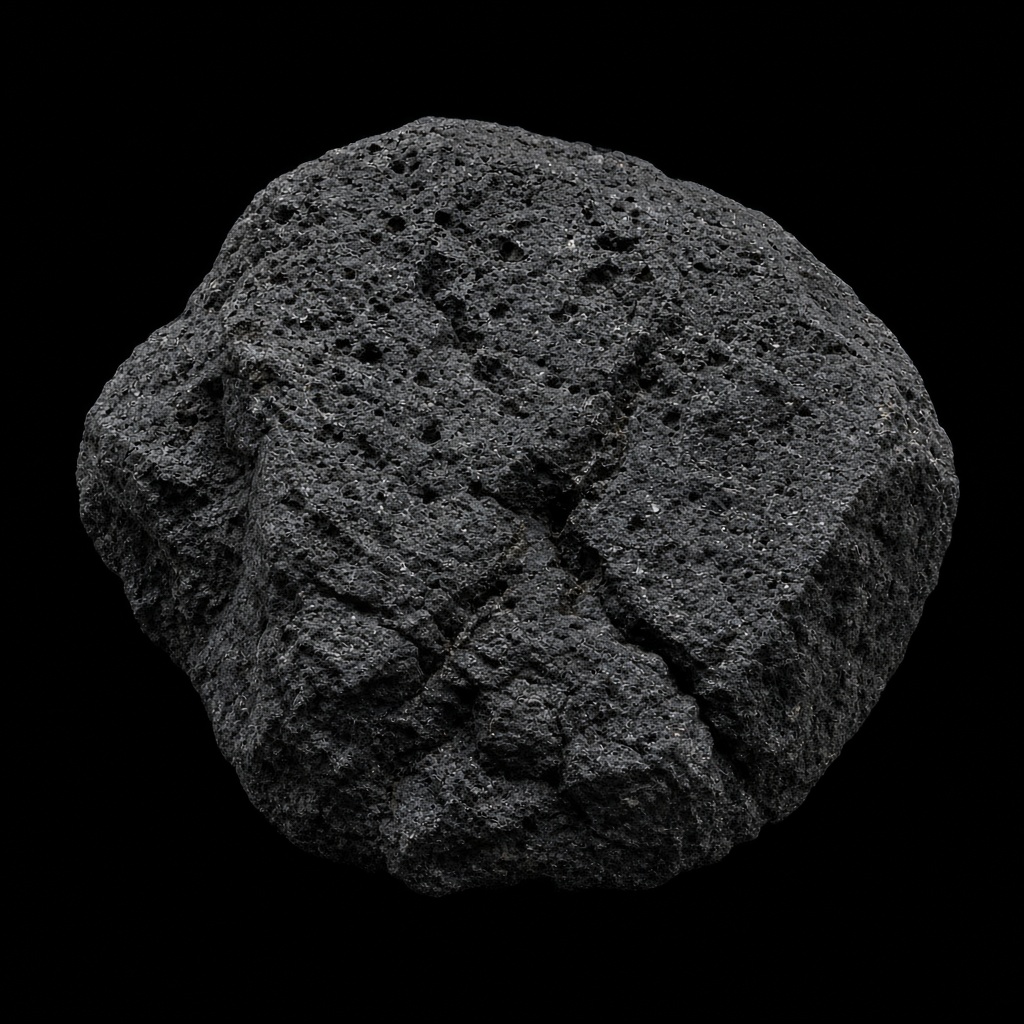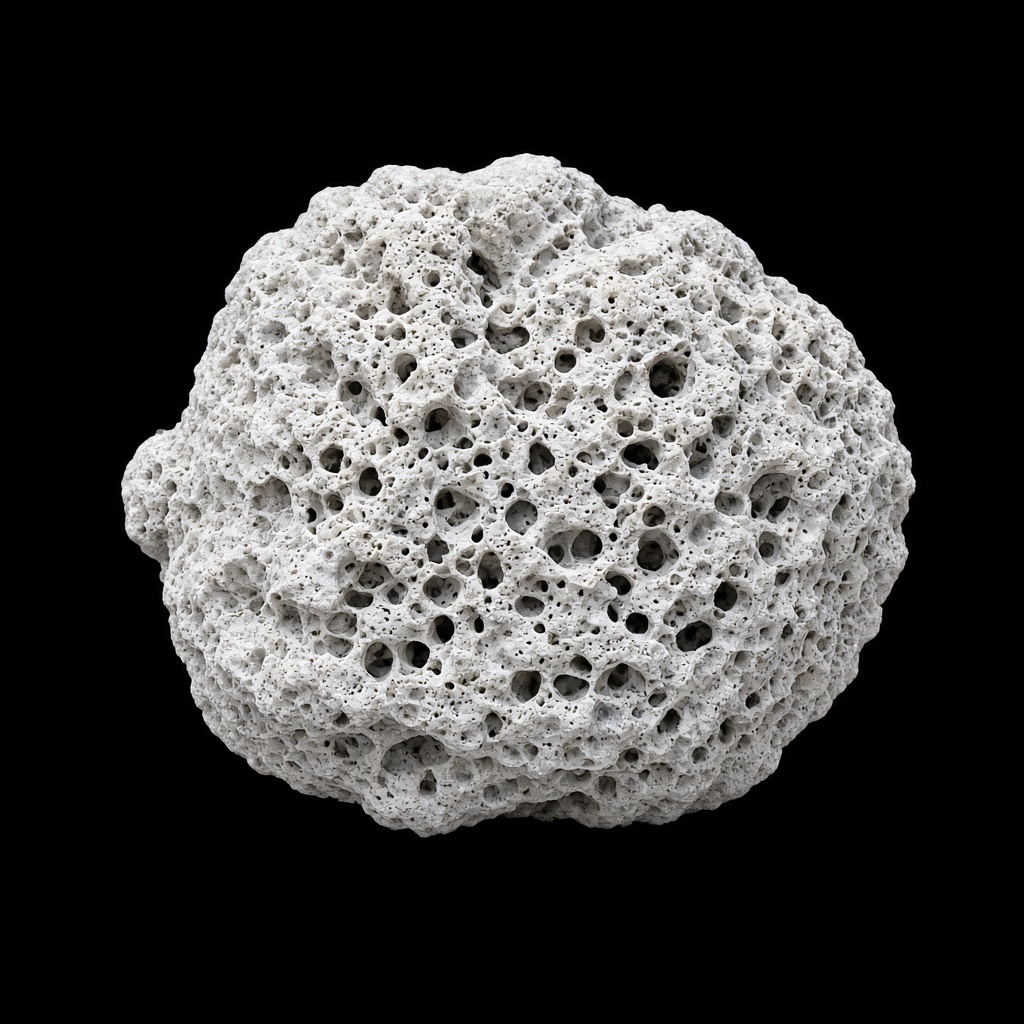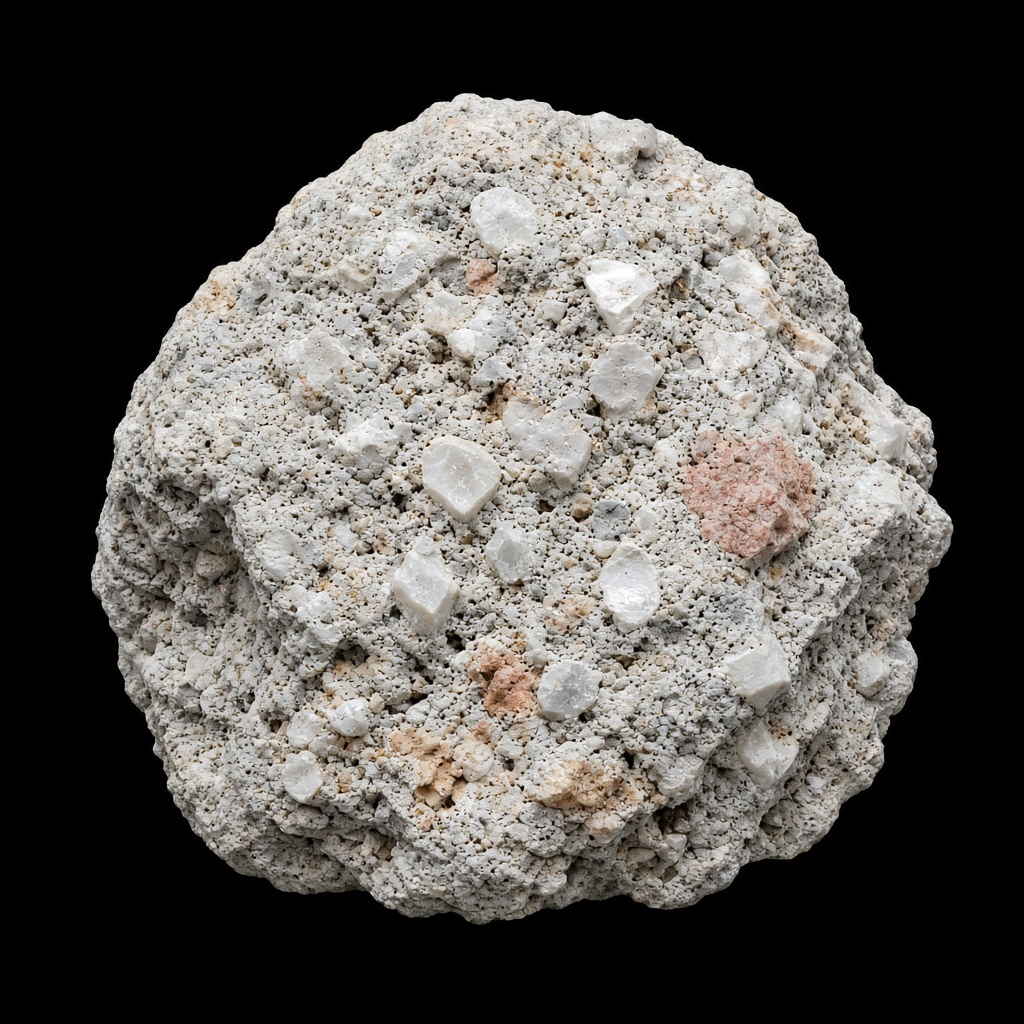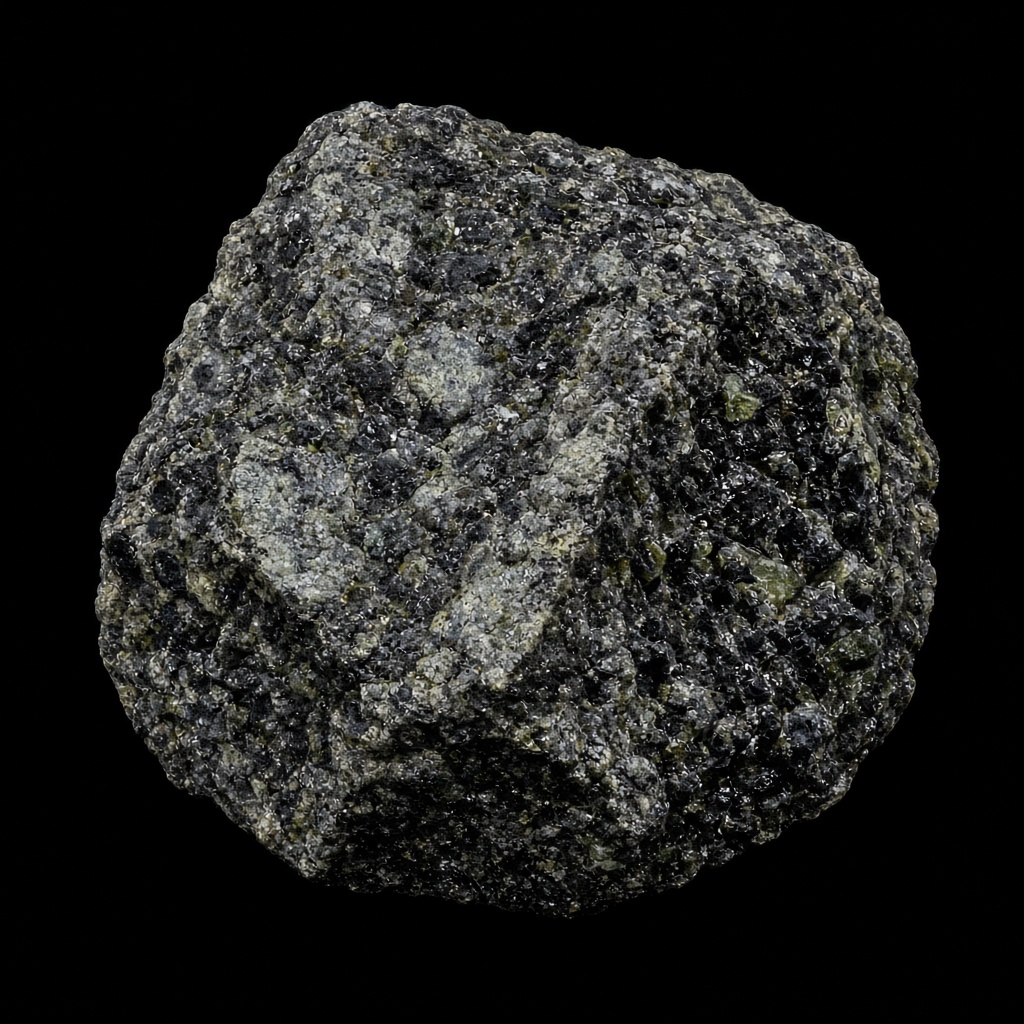
Crystal & mineral guide
Obsidian
Volcanic glass (felsic)
Natural volcanic glass — historically prized for razor-sharp tools.
Identify Obsidian with RockScanAbout Obsidian
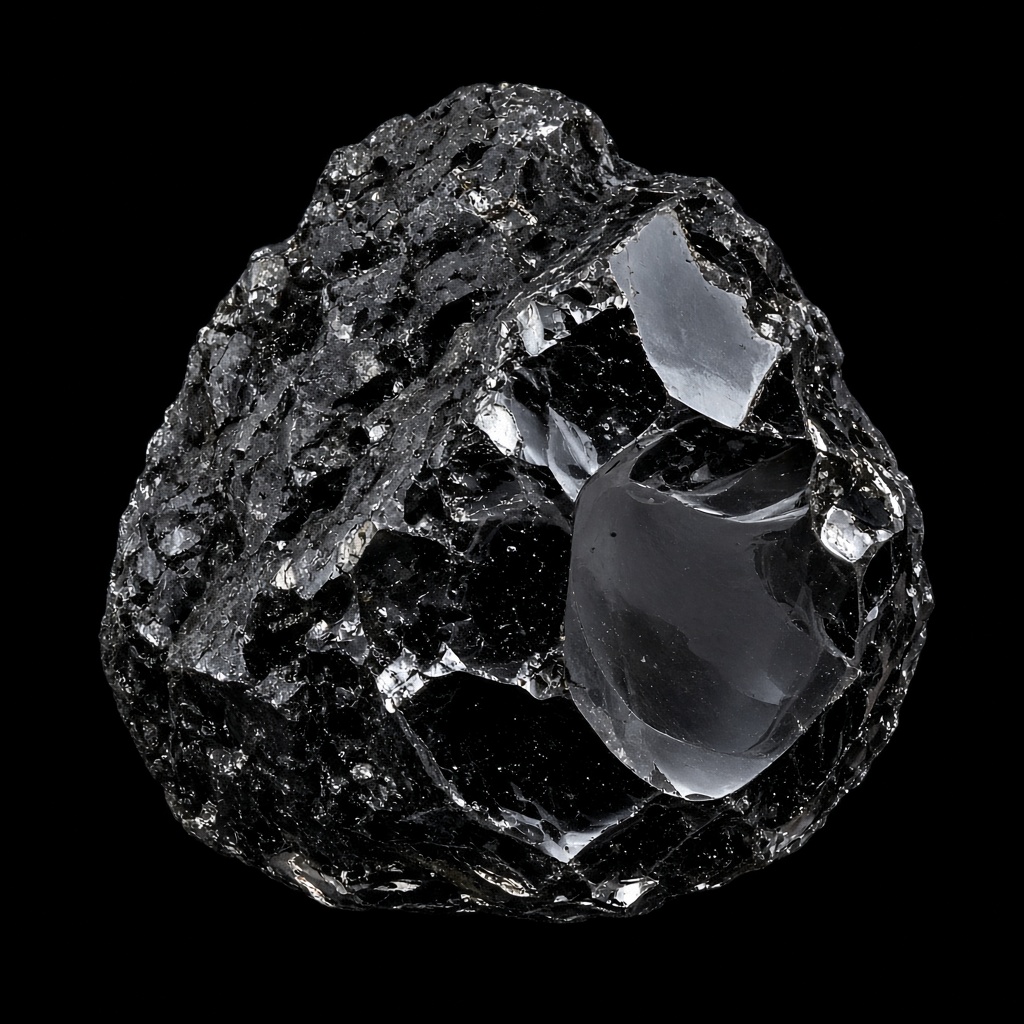
Obsidian lacks a crystal lattice, so it breaks in curved conchoidal shells sharper than surgical steel. Snowflake obsidian contains cristobalite spherulites. Rainbow and sheen varieties show thin-film interference.
Obsidian belongs in a crystal identifier workflow because photo cues — color zoning, crystal habit, and surface luster — combine with measurable traits like Mohs 5–5.5 and specific gravity 2.3–2.6. Use RockScan’s camera to get a first-pass ID, then confirm with the checklist below.
Obsidian properties
| Mohs hardness | 5–5.5 |
|---|---|
| Crystal system | Amorphous |
| Luster | Vitreous |
| Color | Black; also mahogany, snowflake, rainbow |
| Composition | Silica-rich volcanic glass |
| Formation | Rapid cooling of high-silica lava |
| Occurrence | USA (Oregon, California), Mexico, Iceland, Japan |
| Specific gravity | 2.3–2.6 |
| Cleavage | None (conchoidal fracture) |
How to identify Obsidian
- Glassy luster and curved fracture
- Softer than quartz (scratched by steel sometimes)
- Often jet black and opaque in hand specimen
Collector notes
- Used by ancient cultures for blades and mirrors
- Not a true mineral because it is non-crystalline
Value context: Specialty sheens and large clean carvings drive collector interest.
Obsidian FAQ
How do you identify Obsidian?
Obsidian (Volcanic glass (felsic)) is typically recognized by black; also mahogany, snowflake, rainbow color, vitreous luster, Mohs hardness 5–5.5, and amorphous crystal system. RockScan can suggest Obsidian from a photo and surface these checks on the result card.
What is Obsidian made of?
Obsidian composition: Silica-rich volcanic glass. It forms via rapid cooling of high-silica lava and is found in USA (Oregon, California), Mexico, Iceland, Japan.
Is Obsidian valuable?
Specialty sheens and large clean carvings drive collector interest.