Crystal & mineral guide
Basalt
Mafic extrusive rock
Fine-grained mafic volcanic rock — Earth's most common volcanic rock.
Identify Basalt with RockScanAbout Basalt
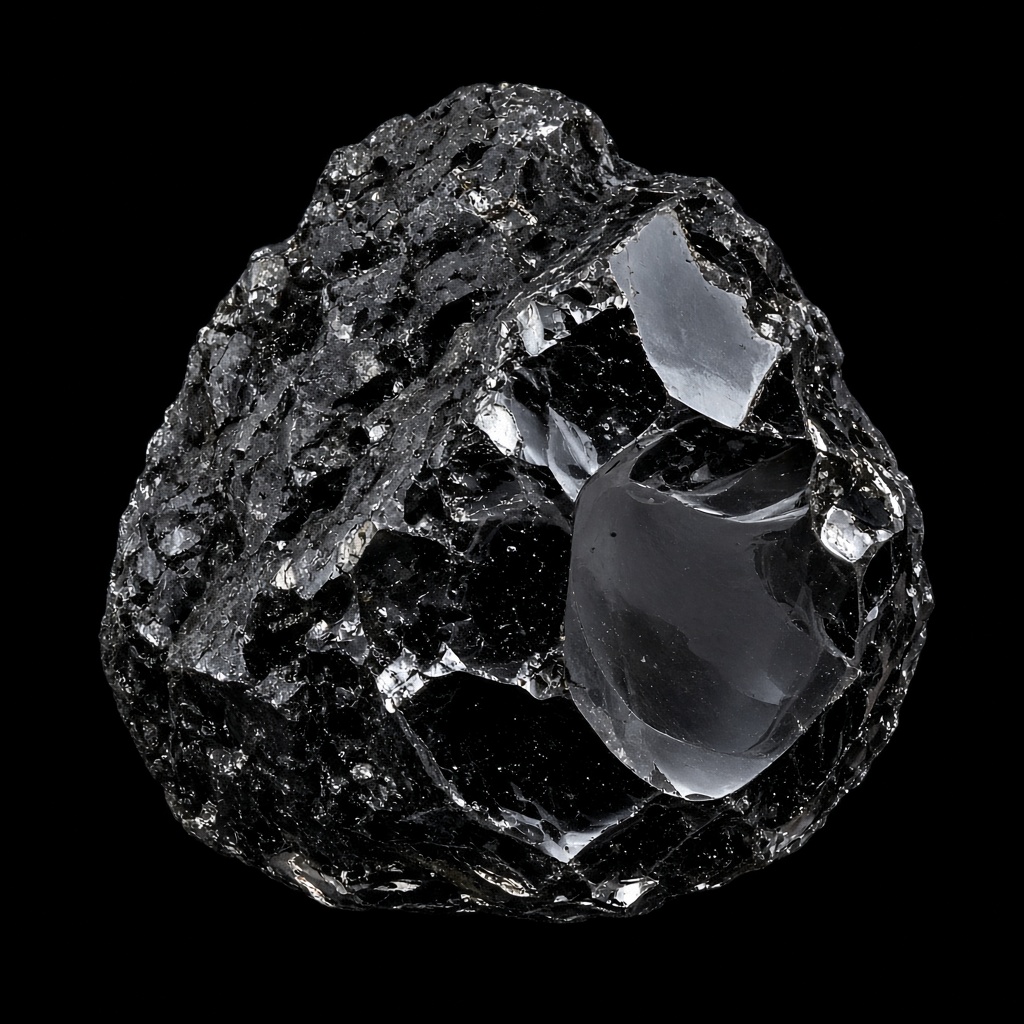
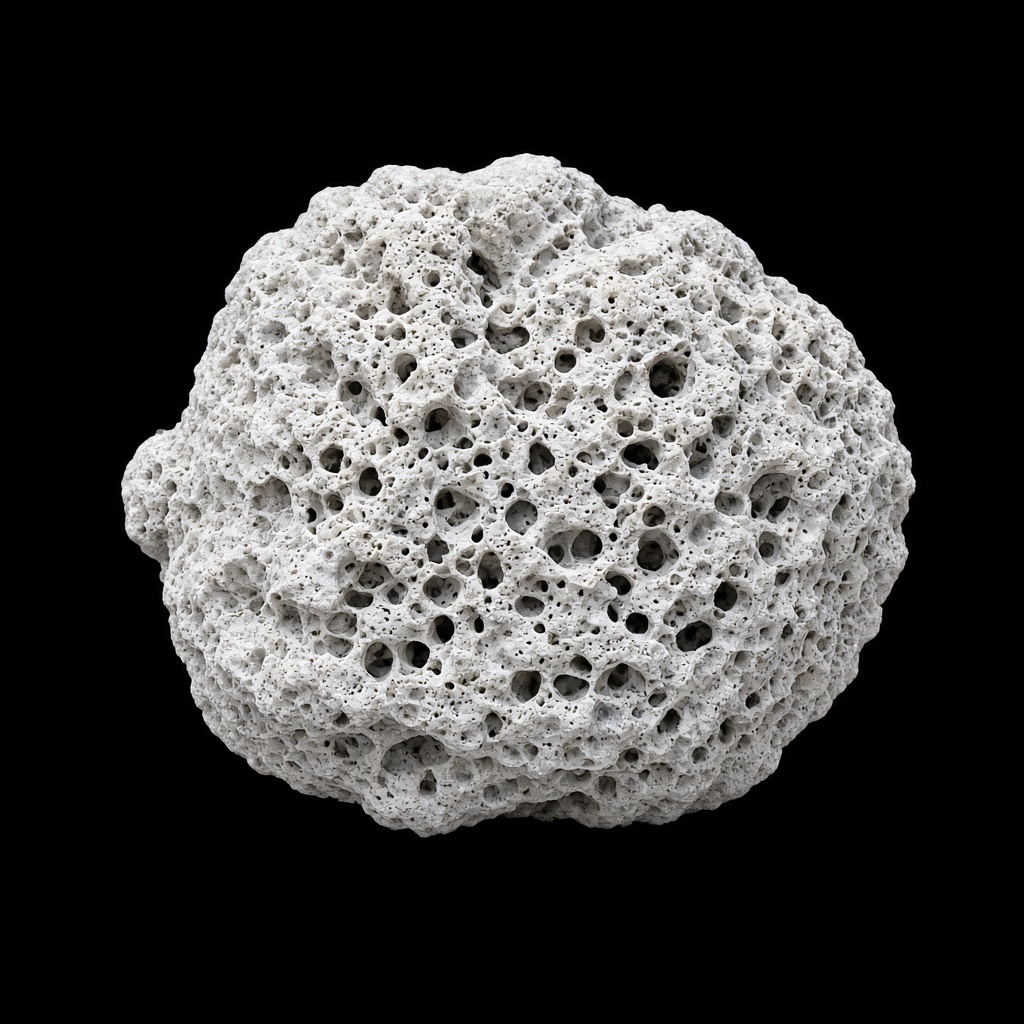
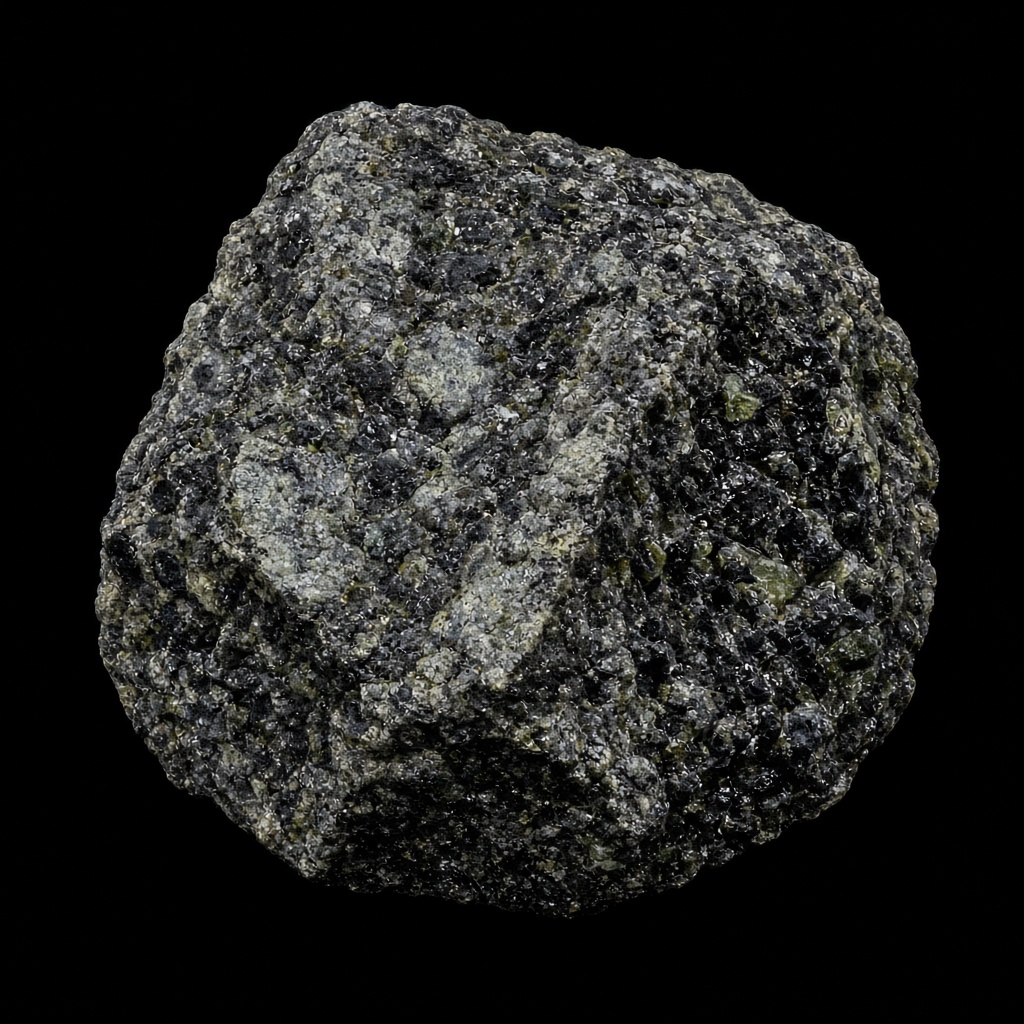
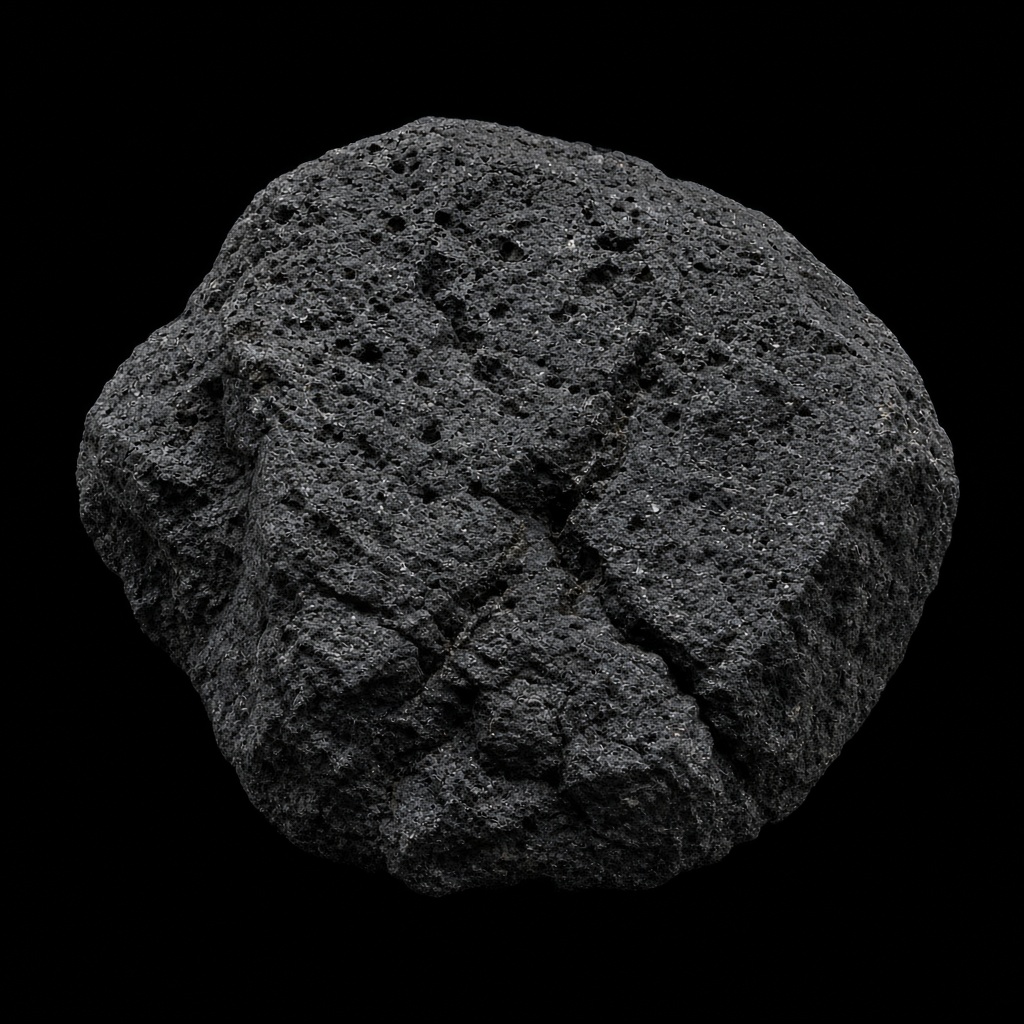
Basalt is dark, fine-grained, and dense. Forms oceanic crust, shield volcanoes, and continental flood basalts. Vesicular and amygdaloidal textures host agate/zeolite fillings. Columnar jointing is iconic in outcrop.
Basalt belongs in a crystal identifier workflow because photo cues — color zoning, crystal habit, and surface luster — combine with measurable traits like Mohs 5–6 (aggregate) and specific gravity 2.8–3.0. Use RockScan’s camera to get a first-pass ID, then confirm with the checklist below.
Basalt properties
| Mohs hardness | 5–6 (aggregate) |
|---|---|
| Crystal system | Aphanitic aggregate |
| Luster | Dull to vitreous |
| Color | Dark gray to black |
| Composition | Plagioclase + pyroxene ± olivine |
| Formation | Rapid cooling of mafic lava at surface |
| Occurrence | Oceanic crust, flood basalts, volcanic arcs worldwide |
| Specific gravity | 2.8–3.0 |
| Cleavage | None |
How to identify Basalt
- Dark fine-grained dense rock
- May show vesicles/amygdules
- Heavier and darker than rhyolite
Collector notes
- Covers more of Earth's surface than any other volcanic rock
- Moon maria are basaltic
Value context: Aggregate and crushed stone commodity; decorative columns are specialty.
Basalt FAQ
How do you identify Basalt?
Basalt (Mafic extrusive rock) is typically recognized by dark gray to black color, dull to vitreous luster, Mohs hardness 5–6 (aggregate), and aphanitic aggregate crystal system. RockScan can suggest Basalt from a photo and surface these checks on the result card.
What is Basalt made of?
Basalt composition: Plagioclase + pyroxene ± olivine. It forms via rapid cooling of mafic lava at surface and is found in Oceanic crust, flood basalts, volcanic arcs worldwide.
Is Basalt valuable?
Aggregate and crushed stone commodity; decorative columns are specialty.