Crystal & mineral guide
Zircon
ZrSiO₄
High-dispersion natural gem — not to be confused with cubic zirconia.
Identify Zircon with RockScanAbout Zircon
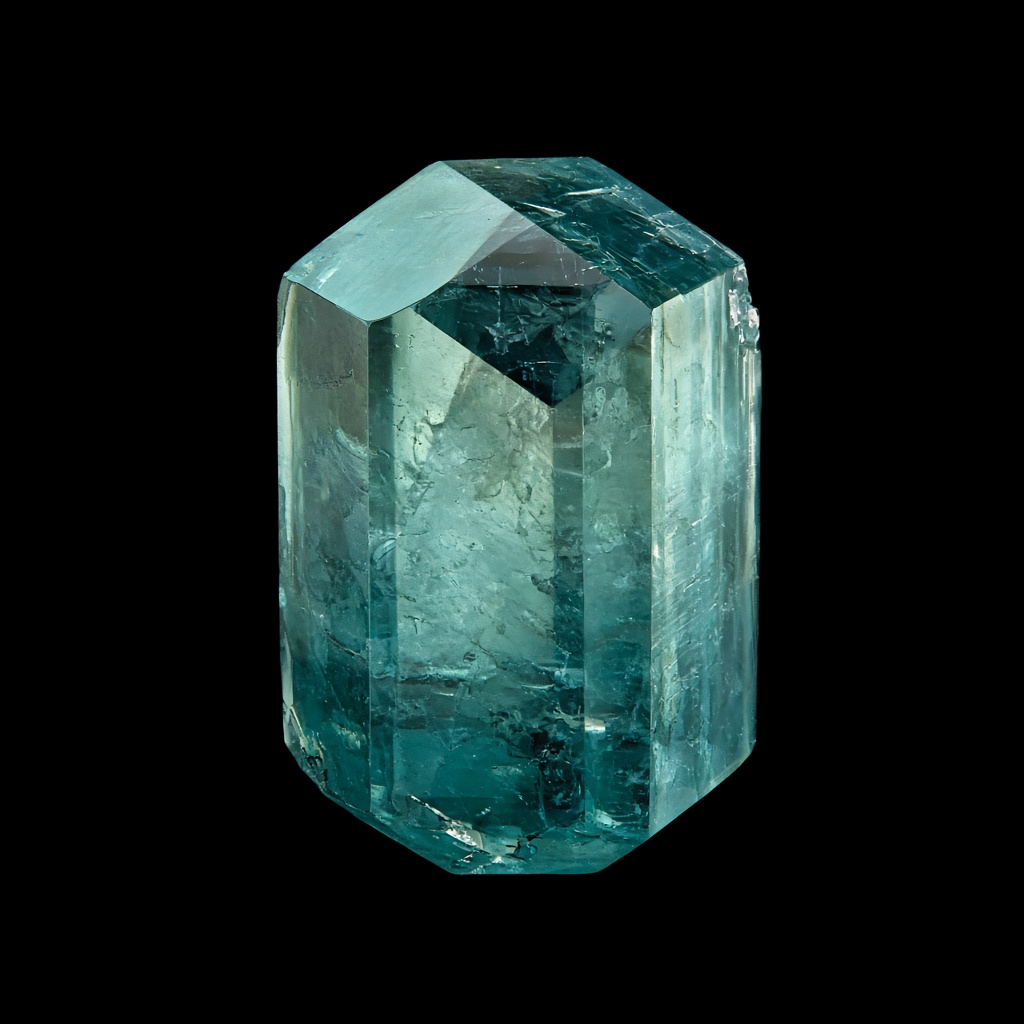
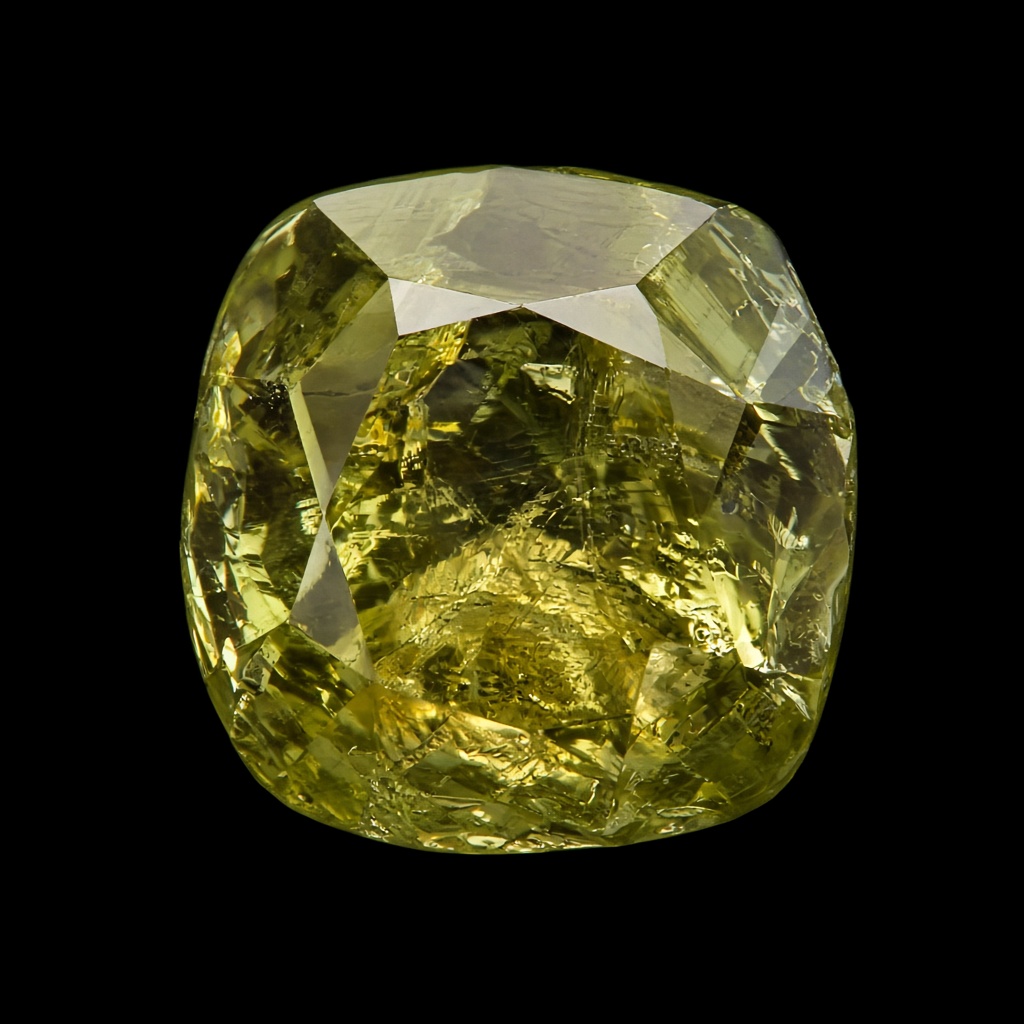
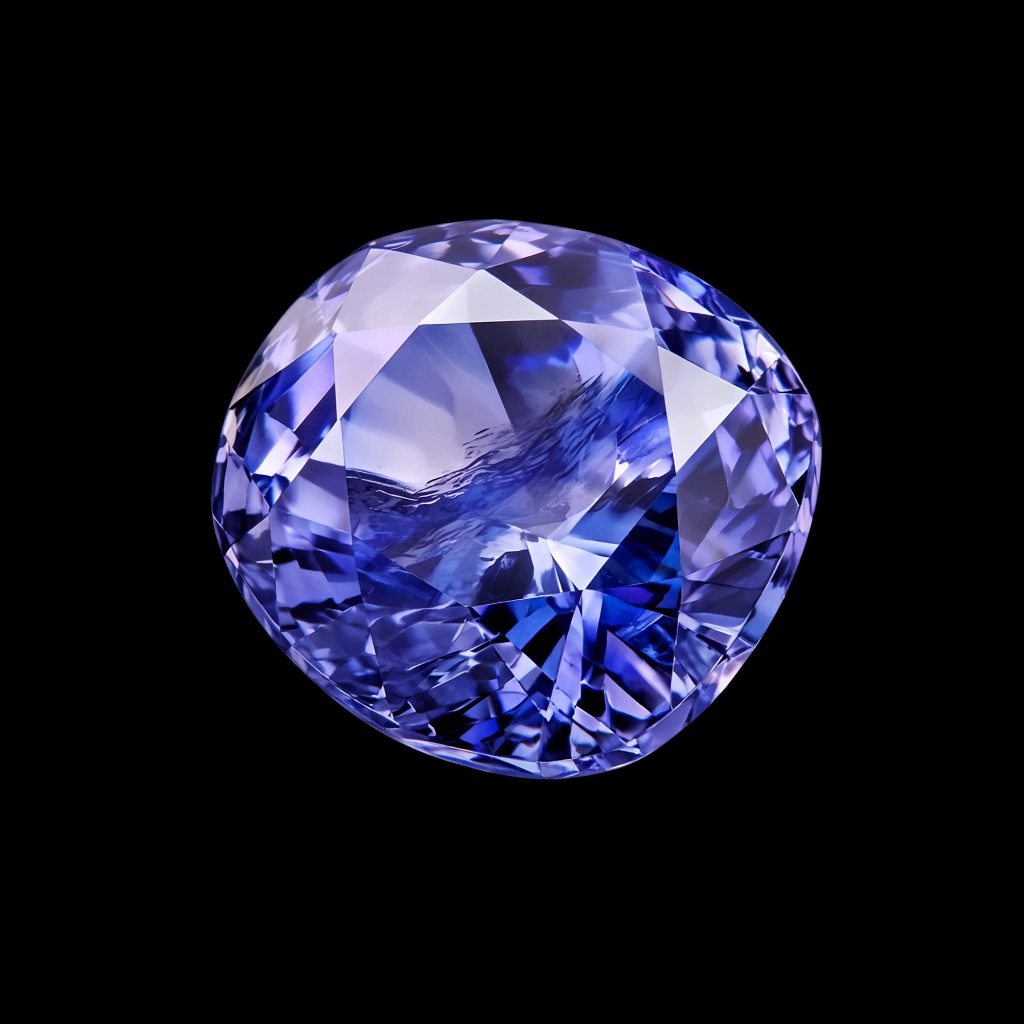
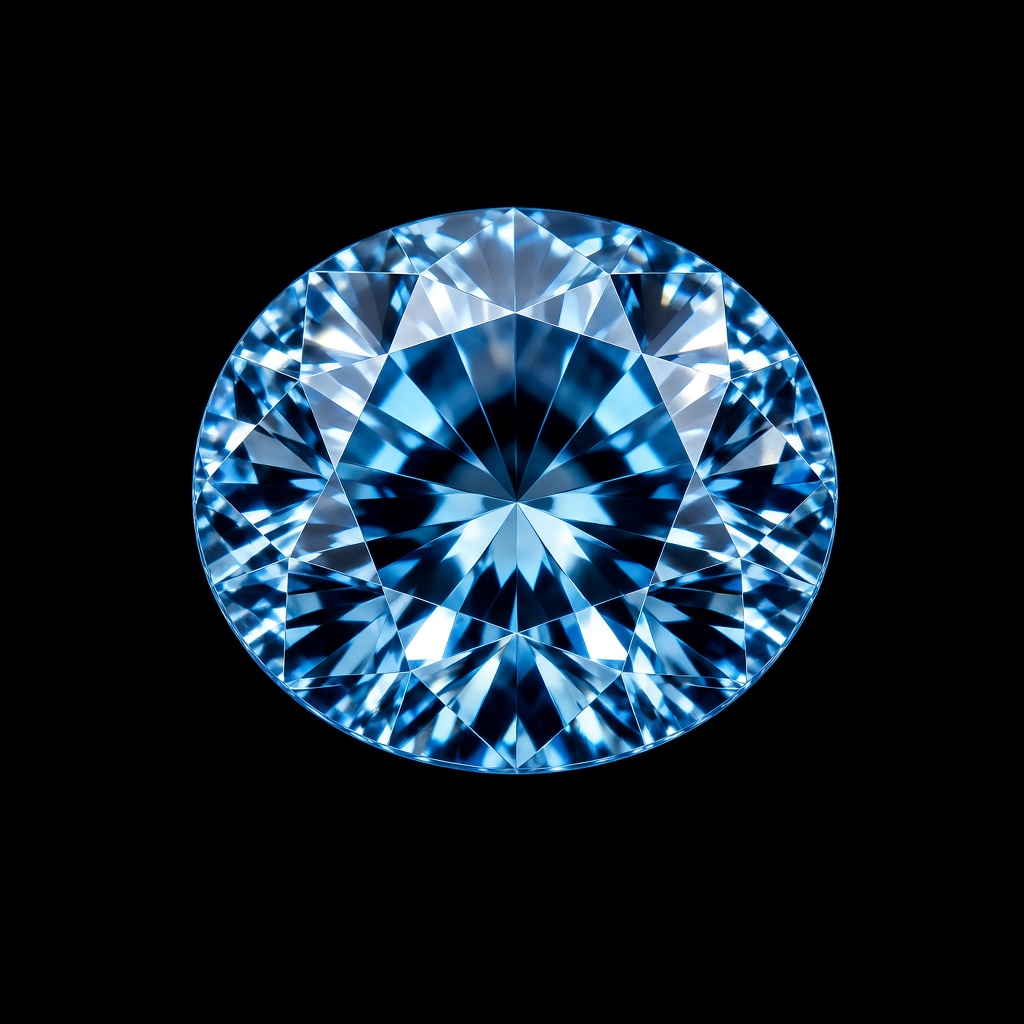
Natural zircon has high RI and dispersion that can approach diamond's fire. Blue zircon is typically heat-treated from brown. Distinct from synthetic CZ. High birefringence doubles facet junctions under loupe — a key field ID.
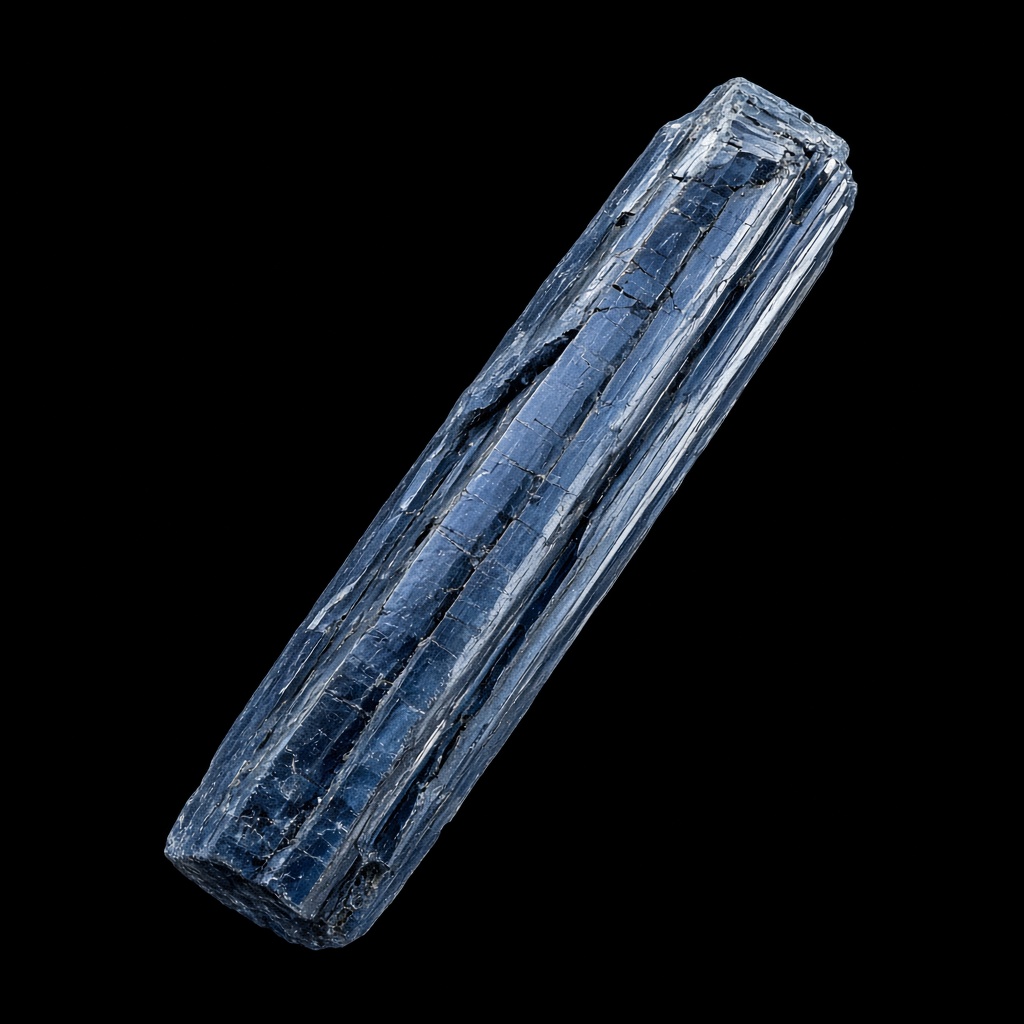
Zircon belongs in a crystal identifier workflow because photo cues — color zoning, crystal habit, and surface luster — combine with measurable traits like Mohs 6.5–7.5 and specific gravity 3.93–4.73. Use RockScan’s camera to get a first-pass ID, then confirm with the checklist below.
Zircon properties
| Mohs hardness | 6.5–7.5 |
|---|---|
| Crystal system | Tetragonal |
| Luster | Adamantine to vitreous |
| Color | Colorless, blue (treated), brown, red, green |
| Composition | Zirconium silicate |
| Formation | Igneous and metamorphic rocks; placer deposits |
| Occurrence | Cambodia, Sri Lanka, Australia, East Africa |
| Specific gravity | 3.93–4.73 |
| Cleavage | Imperfect |
How to identify Zircon
- Doubling of facet edges under loupe (DR)
- High SG; adamantine flash
- Not the same as cubic zirconia
Collector notes
- Some zircons are among Earth's oldest minerals (>4 Ga)
- Name unrelated to synthetic CZ despite market confusion
Value context: Bright blue heat-treated stones and fine natural browns/reds trade actively.
Zircon FAQ
How do you identify Zircon?
Zircon (ZrSiO₄) is typically recognized by colorless, blue (treated), brown, red, green color, adamantine to vitreous luster, Mohs hardness 6.5–7.5, and tetragonal crystal system. RockScan can suggest Zircon from a photo and surface these checks on the result card.
What is Zircon made of?
Zircon composition: Zirconium silicate. It forms via igneous and metamorphic rocks; placer deposits and is found in Cambodia, Sri Lanka, Australia, East Africa.
Is Zircon valuable?
Bright blue heat-treated stones and fine natural browns/reds trade actively.