Crystal & mineral guide
Kyanite
Al₂SiO₅
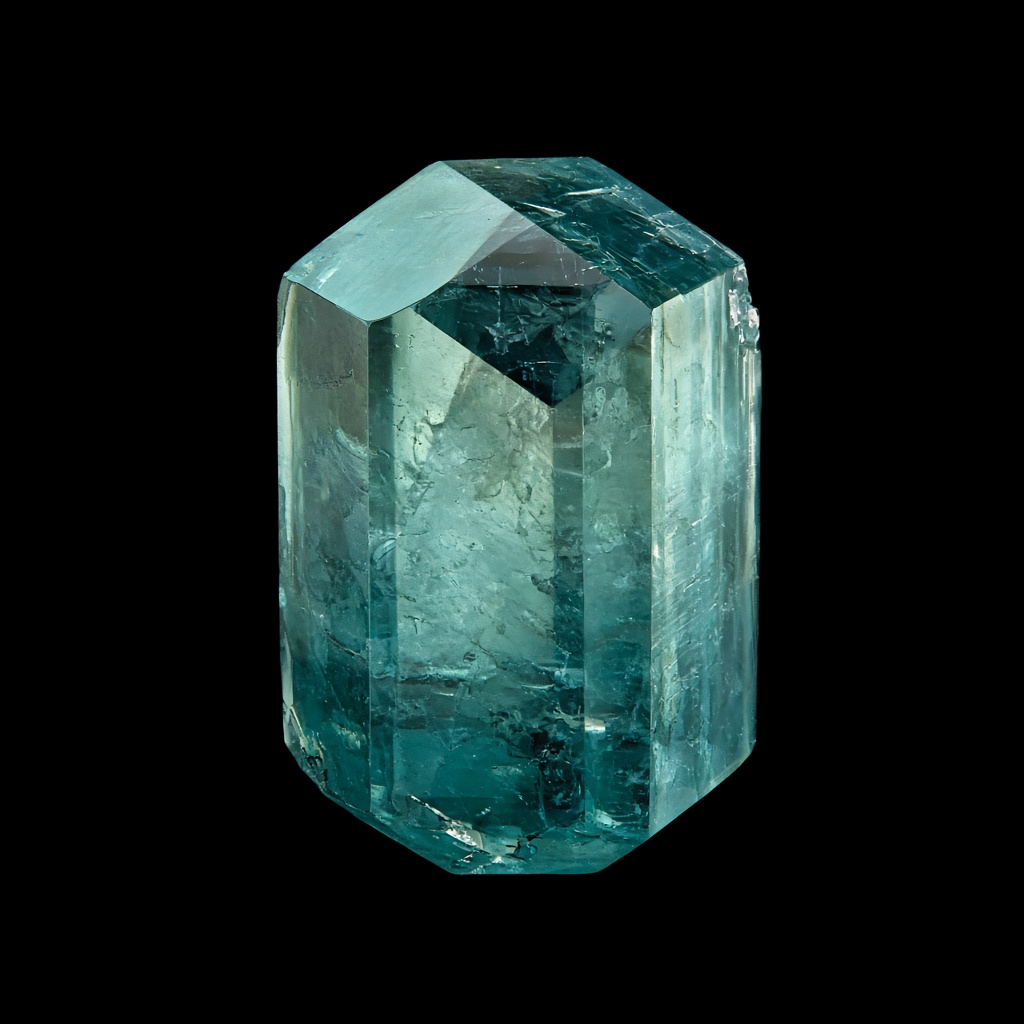
Blue metamorphic silicate with direction-dependent hardness — a classic field ID.
Identify Kyanite with RockScanAbout Kyanite
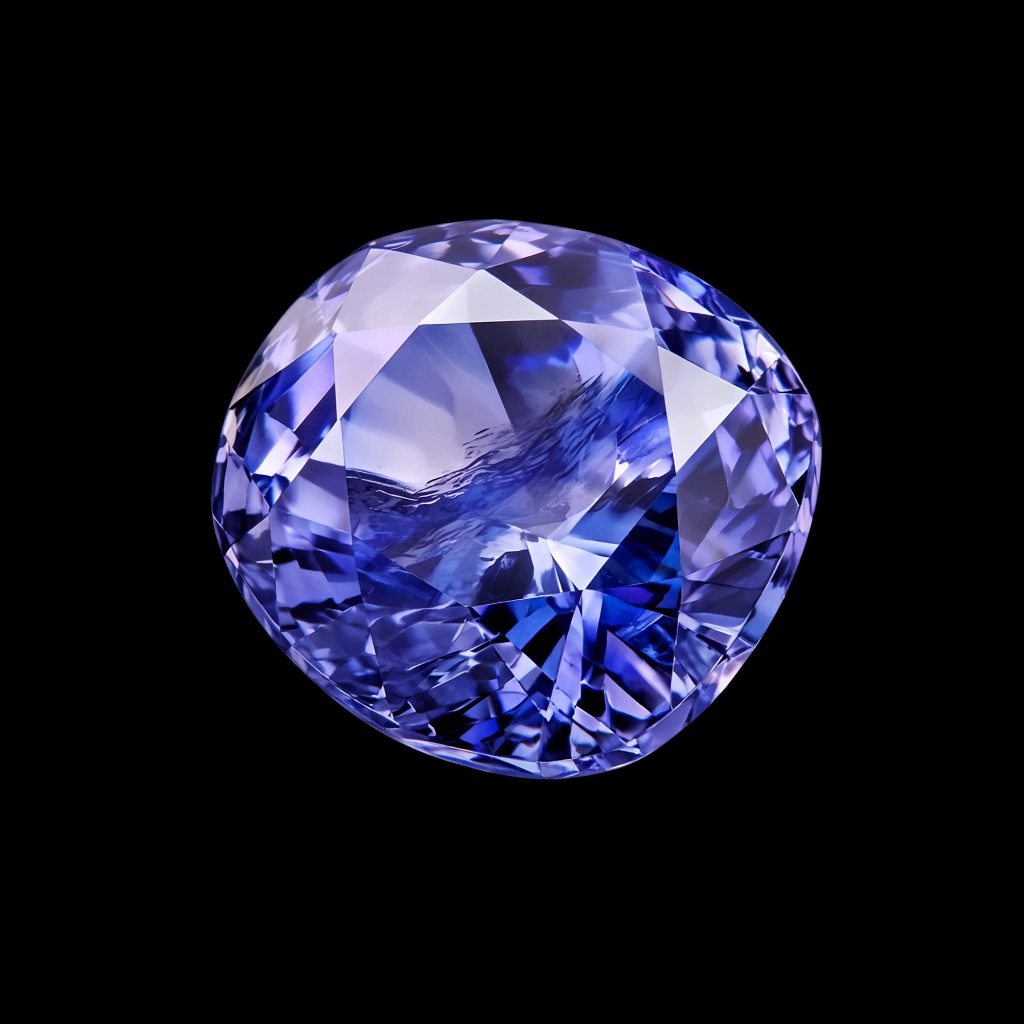
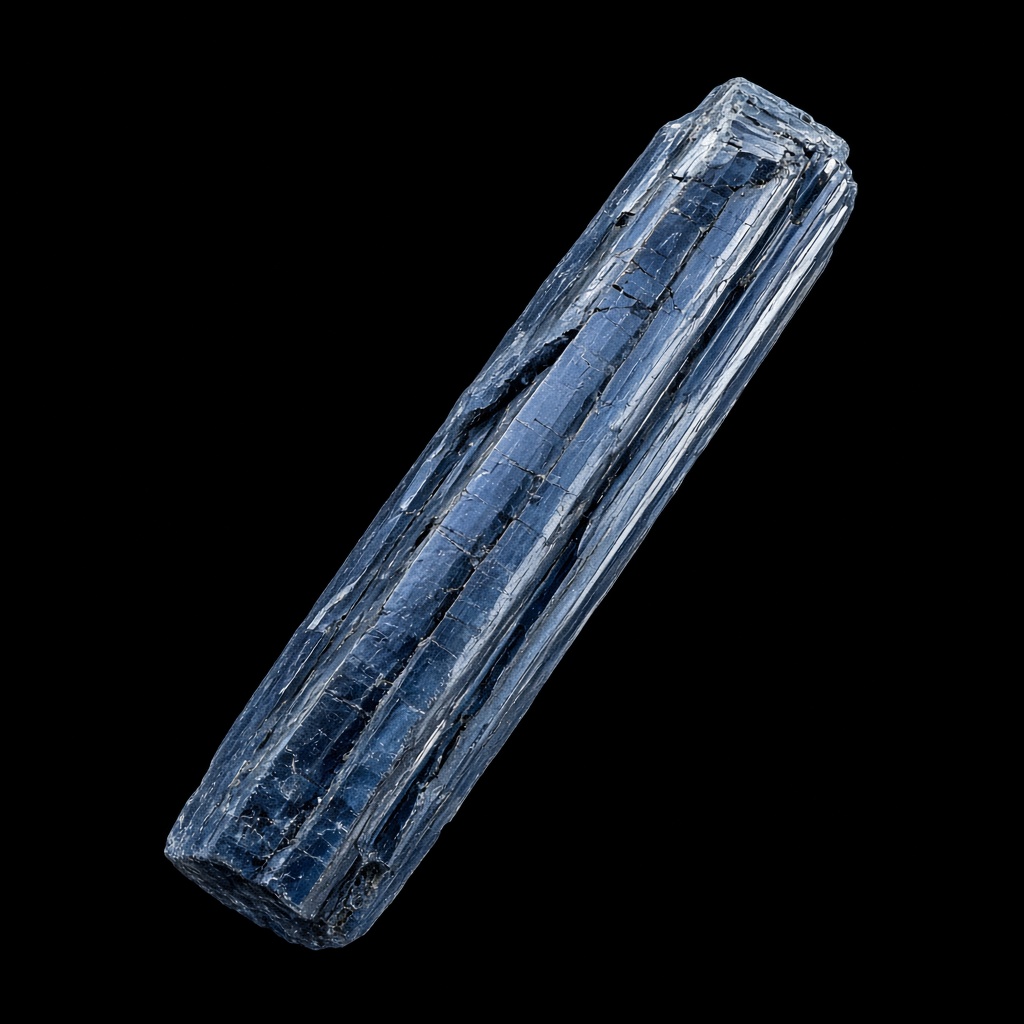
Kyanite's hardness anisotropy is legendary: softer across blades, harder along length. Perfect cleavage and bladed habit are diagnostic. Gem blue material is cut for collectors; industrial kyanite serves refractories. Indicator of high-pressure metamorphism.
Kyanite belongs in a crystal identifier workflow because photo cues — color zoning, crystal habit, and surface luster — combine with measurable traits like Mohs 4–5 (⊥) / 6.5–7 (∥) and specific gravity 3.53–3.65. Use RockScan’s camera to get a first-pass ID, then confirm with the checklist below.
Kyanite properties
| Mohs hardness | 4–5 (⊥) / 6.5–7 (∥) |
|---|---|
| Crystal system | Triclinic |
| Luster | Vitreous to pearly |
| Color | Blue to blue-green; also gray, green |
| Composition | Aluminum silicate (polymorph with andalusite/sillimanite) |
| Formation | Regional metamorphism of pelitic rocks |
| Occurrence | Brazil, Nepal, Kenya, USA, Switzerland |
| Specific gravity | 3.53–3.65 |
| Cleavage | Perfect |
How to identify Kyanite
- Bladed blue crystals
- Hardness differs by direction
- Perfect cleavage; SG ~3.6
Collector notes
- Name from Greek 'kyanos' — blue
- Forms the Al₂SiO₅ triple-point with andalusite and sillimanite
Value context: Clean saturated blue blades and faceted stones are collector-priced.
Kyanite FAQ
How do you identify Kyanite?
Kyanite (Al₂SiO₅) is typically recognized by blue to blue-green; also gray, green color, vitreous to pearly luster, Mohs hardness 4–5 (⊥) / 6.5–7 (∥), and triclinic crystal system. RockScan can suggest Kyanite from a photo and surface these checks on the result card.
What is Kyanite made of?
Kyanite composition: Aluminum silicate (polymorph with andalusite/sillimanite). It forms via regional metamorphism of pelitic rocks and is found in Brazil, Nepal, Kenya, USA, Switzerland.
Is Kyanite valuable?
Clean saturated blue blades and faceted stones are collector-priced.