Crystal & mineral guide
Chrysoberyl
BeAl₂O₄
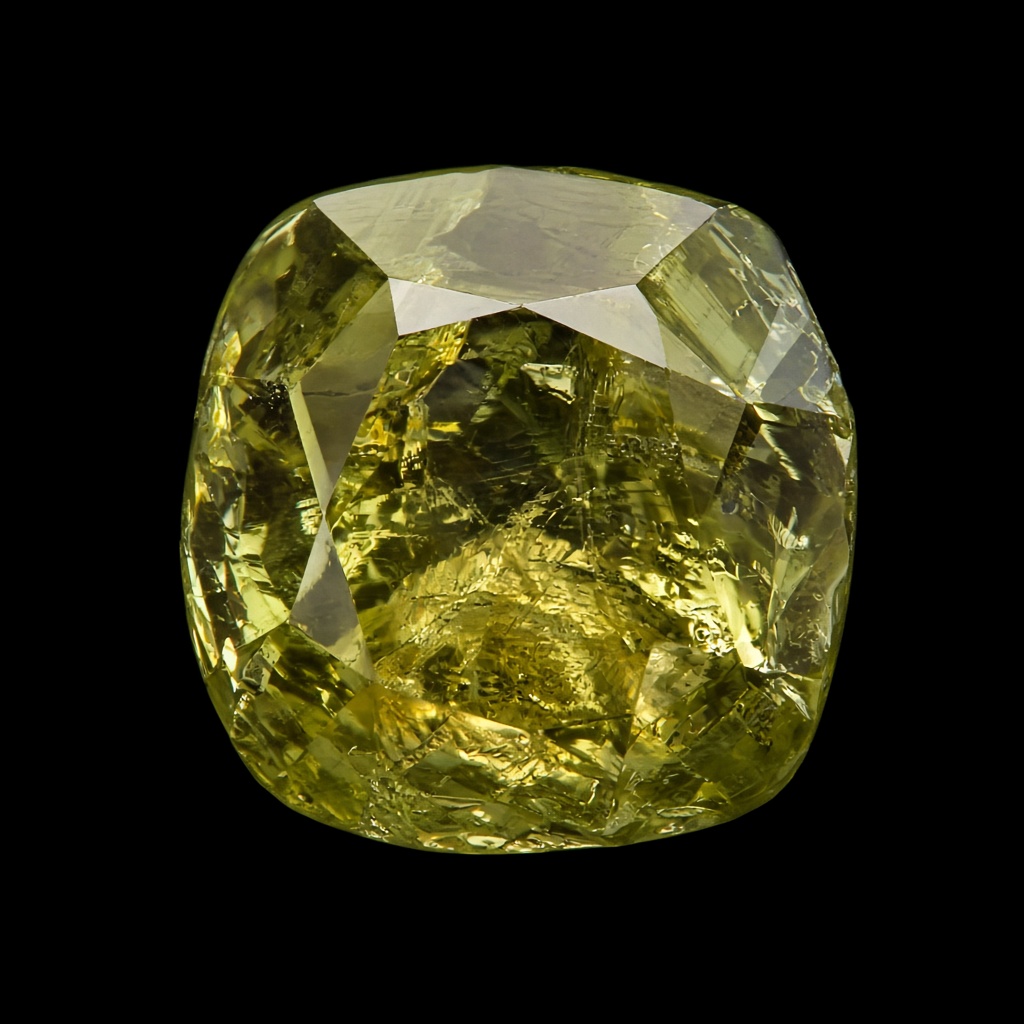
Hard yellow-green gem — cat's-eye chrysoberyl is the classic cymophane.
Identify Chrysoberyl with RockScanAbout Chrysoberyl
Chrysoberyl is harder than most gems except corundum and diamond. Cat's-eye (cymophane) shows a sharp chatoyant band. Alexandrite is the color-change variety. Durable for daily wear when well set.
Chrysoberyl belongs in a crystal identifier workflow because photo cues — color zoning, crystal habit, and surface luster — combine with measurable traits like Mohs 8.5 and specific gravity 3.70–3.78. Use RockScan’s camera to get a first-pass ID, then confirm with the checklist below.
Chrysoberyl properties
| Mohs hardness | 8.5 |
|---|---|
| Crystal system | Orthorhombic |
| Luster | Vitreous |
| Color | Yellow-green, brown-green; cat's-eye variety |
| Composition | Beryllium aluminum oxide |
| Formation | Pegmatites and metamorphic rocks |
| Occurrence | Brazil, Sri Lanka, Madagascar, Russia |
| Specific gravity | 3.70–3.78 |
| Cleavage | Distinct |
How to identify Chrysoberyl
- Hardness 8.5
- Cat's-eye shows sharp single band
- SG ~3.73
Collector notes
- Name means 'golden beryl' though chemically distinct from beryl
- Fine cat's-eyes were historic Indian jewelry staples
Value context: Sharp milk-and-honey cat's-eyes and fine alexandrite lead pricing.
Chrysoberyl FAQ
How do you identify Chrysoberyl?
Chrysoberyl (BeAl₂O₄) is typically recognized by yellow-green, brown-green; cat's-eye variety color, vitreous luster, Mohs hardness 8.5, and orthorhombic crystal system. RockScan can suggest Chrysoberyl from a photo and surface these checks on the result card.
What is Chrysoberyl made of?
Chrysoberyl composition: Beryllium aluminum oxide. It forms via pegmatites and metamorphic rocks and is found in Brazil, Sri Lanka, Madagascar, Russia.
Is Chrysoberyl valuable?
Sharp milk-and-honey cat's-eyes and fine alexandrite lead pricing.