Crystal & mineral guide
Iolite
(Mg,Fe)₂Al₃(Si₅Al)O₁₈ (cordierite)
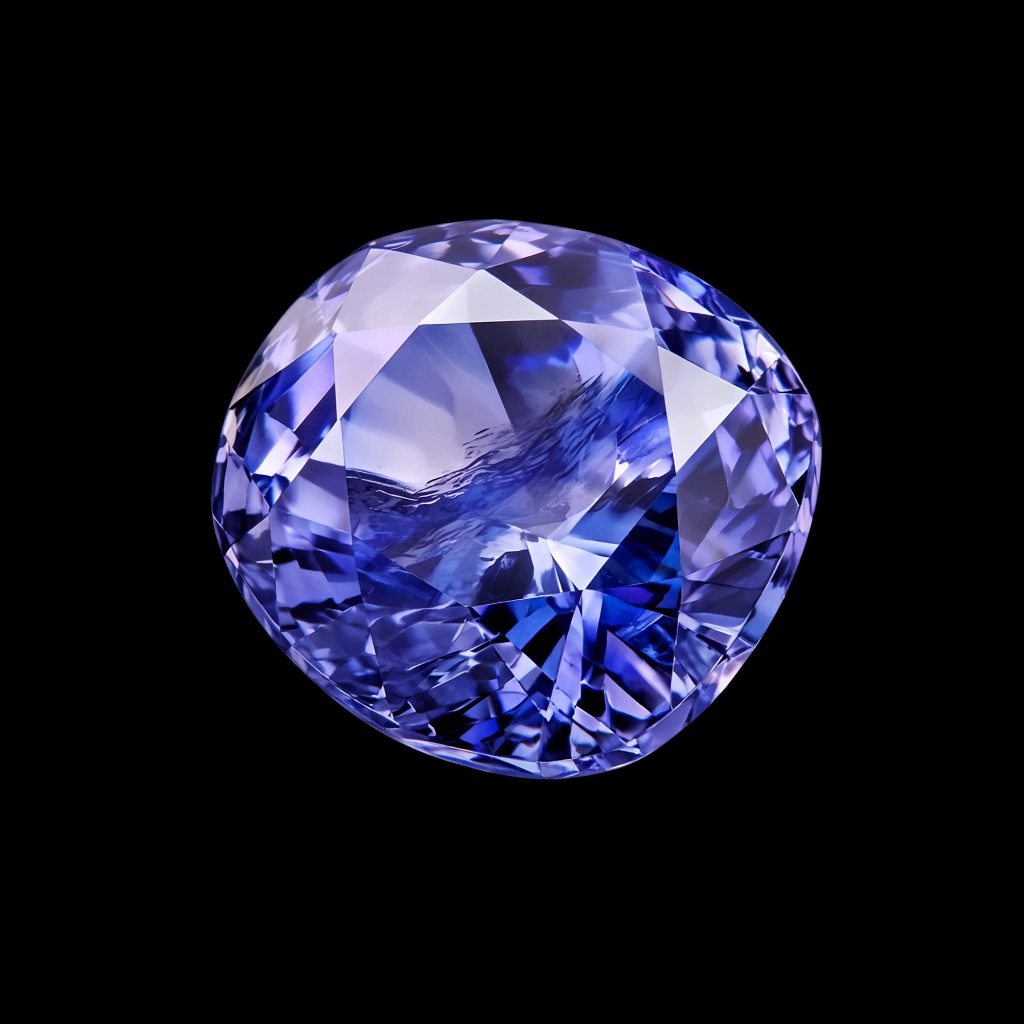
Strongly pleochroic violet-blue gem — the Viking's compass stone of legend.
Identify Iolite with RockScanAbout Iolite
Iolite (gem cordierite) shows extreme pleochroism: violet-blue, gray, and yellow-brown depending on orientation. Cutters maximize the blue face-up color. Affordable sapphire alternative when well cut.
Iolite belongs in a crystal identifier workflow because photo cues — color zoning, crystal habit, and surface luster — combine with measurable traits like Mohs 7–7.5 and specific gravity 2.58–2.66. Use RockScan’s camera to get a first-pass ID, then confirm with the checklist below.
Iolite properties
| Mohs hardness | 7–7.5 |
|---|---|
| Crystal system | Orthorhombic |
| Luster | Vitreous |
| Color | Violet-blue; strong pleochroism |
| Composition | Magnesium iron aluminum cyclosilicate |
| Formation | Metamorphic and some igneous rocks |
| Occurrence | Sri Lanka, India, Madagascar, Brazil, Tanzania |
| Specific gravity | 2.58–2.66 |
| Cleavage | Distinct |
How to identify Iolite
- Extreme trichroism
- RI ~1.54–1.58
- Can show bloodshot inclusions (hematite)
Collector notes
- Legends claim Vikings used iolite to locate the sun through clouds
- Also called water sapphire in older trade
Value context: Clean saturated face-up blue-violet outperforms grayish stones.
Iolite FAQ
How do you identify Iolite?
Iolite ((Mg,Fe)₂Al₃(Si₅Al)O₁₈ (cordierite)) is typically recognized by violet-blue; strong pleochroism color, vitreous luster, Mohs hardness 7–7.5, and orthorhombic crystal system. RockScan can suggest Iolite from a photo and surface these checks on the result card.
What is Iolite made of?
Iolite composition: Magnesium iron aluminum cyclosilicate. It forms via metamorphic and some igneous rocks and is found in Sri Lanka, India, Madagascar, Brazil, Tanzania.
Is Iolite valuable?
Clean saturated face-up blue-violet outperforms grayish stones.