Crystal & mineral guide
Apatite
Ca₅(PO₄)₃(F,Cl,OH)
Soft neon-colored phosphate — striking but jewelry-sensitive.
Identify Apatite with RockScanAbout Apatite
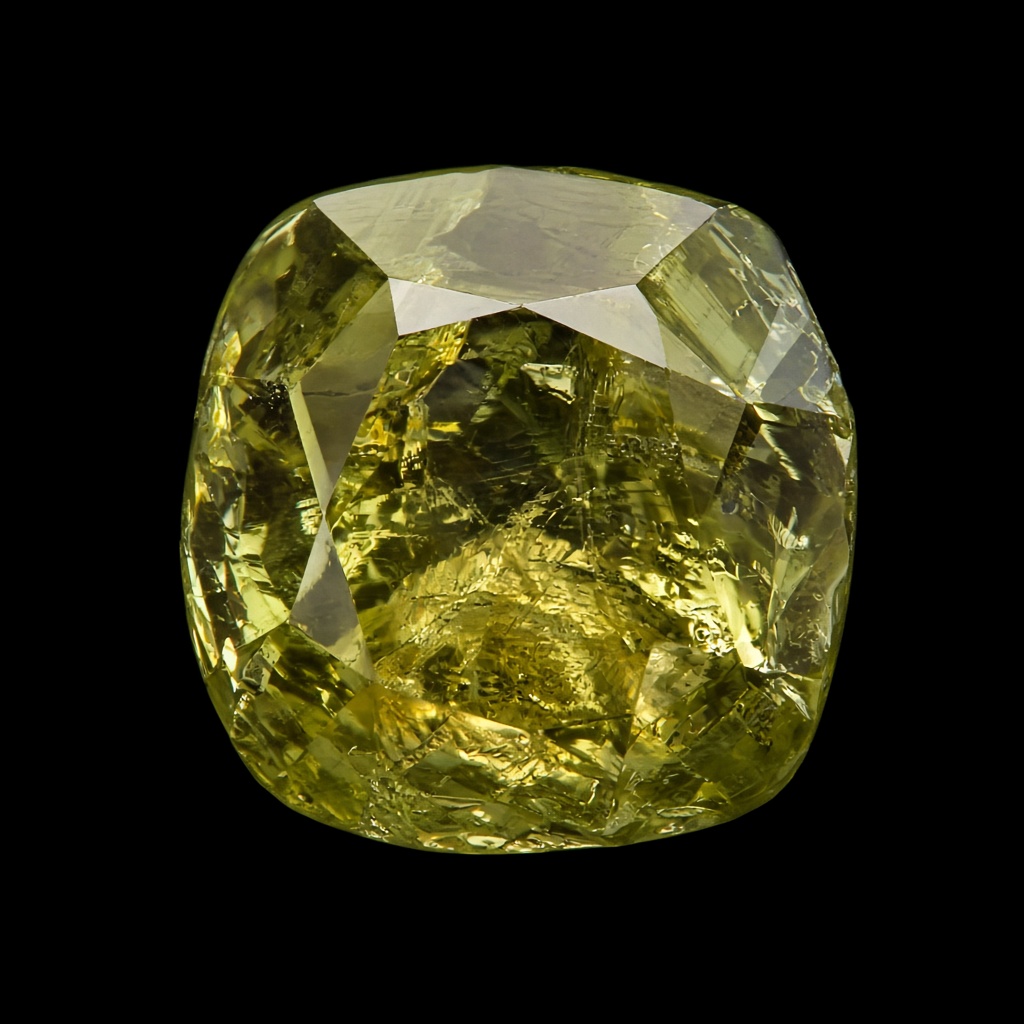
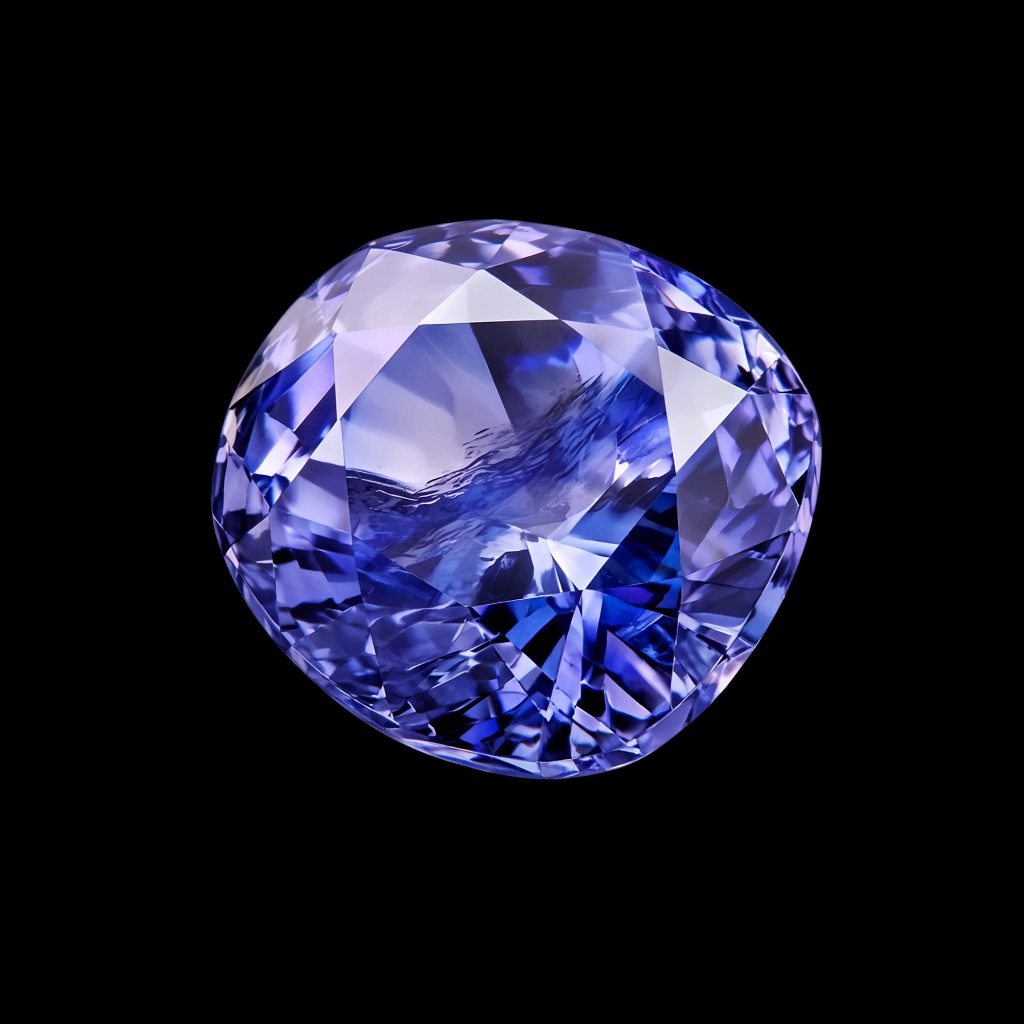
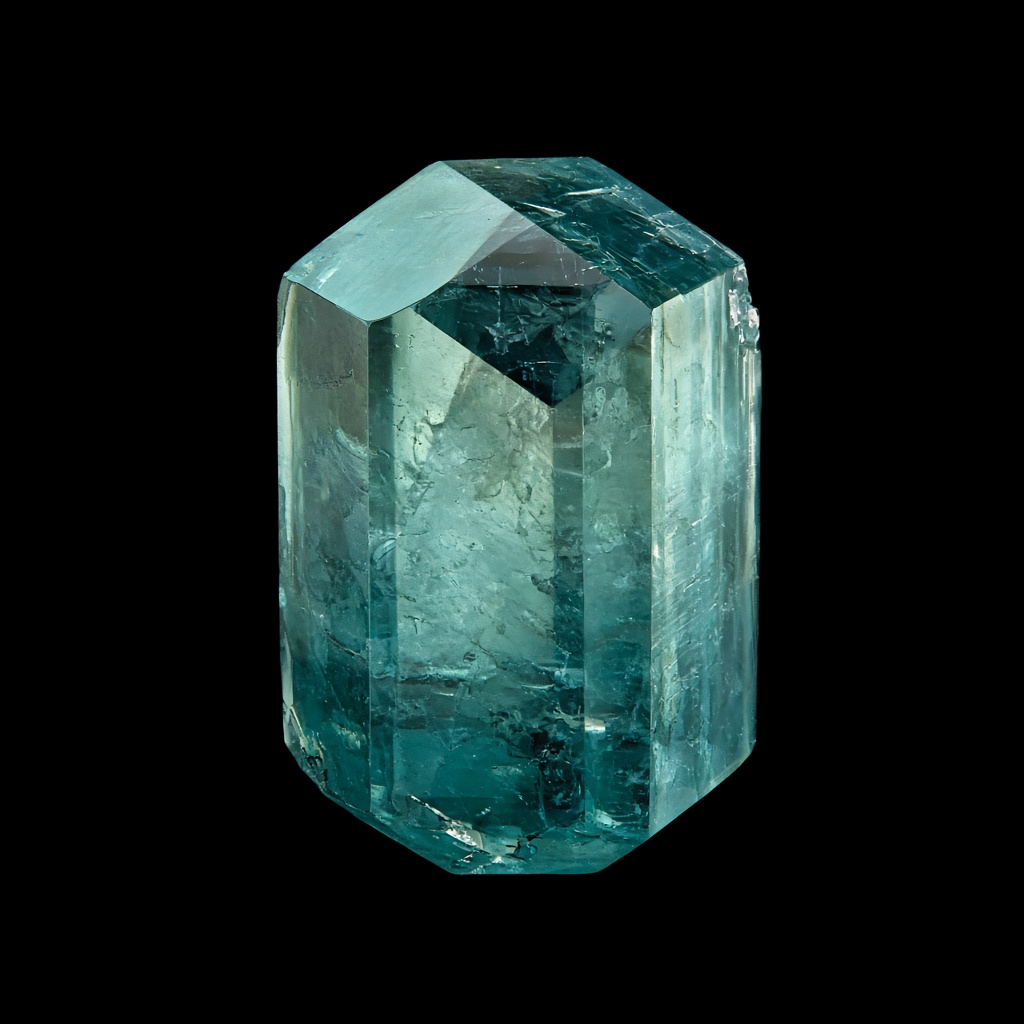
Gem apatite is prized for electric blue-green colors resembling Paraíba tourmaline at lower cost. Softness (Mohs 5) limits ring use; better for pendants and protected settings. Also the defining mineral of biological bone/teeth mineralogy.
Apatite belongs in a crystal identifier workflow because photo cues — color zoning, crystal habit, and surface luster — combine with measurable traits like Mohs 5 and specific gravity 3.16–3.22. Use RockScan’s camera to get a first-pass ID, then confirm with the checklist below.
Apatite properties
| Mohs hardness | 5 |
|---|---|
| Crystal system | Hexagonal |
| Luster | Vitreous |
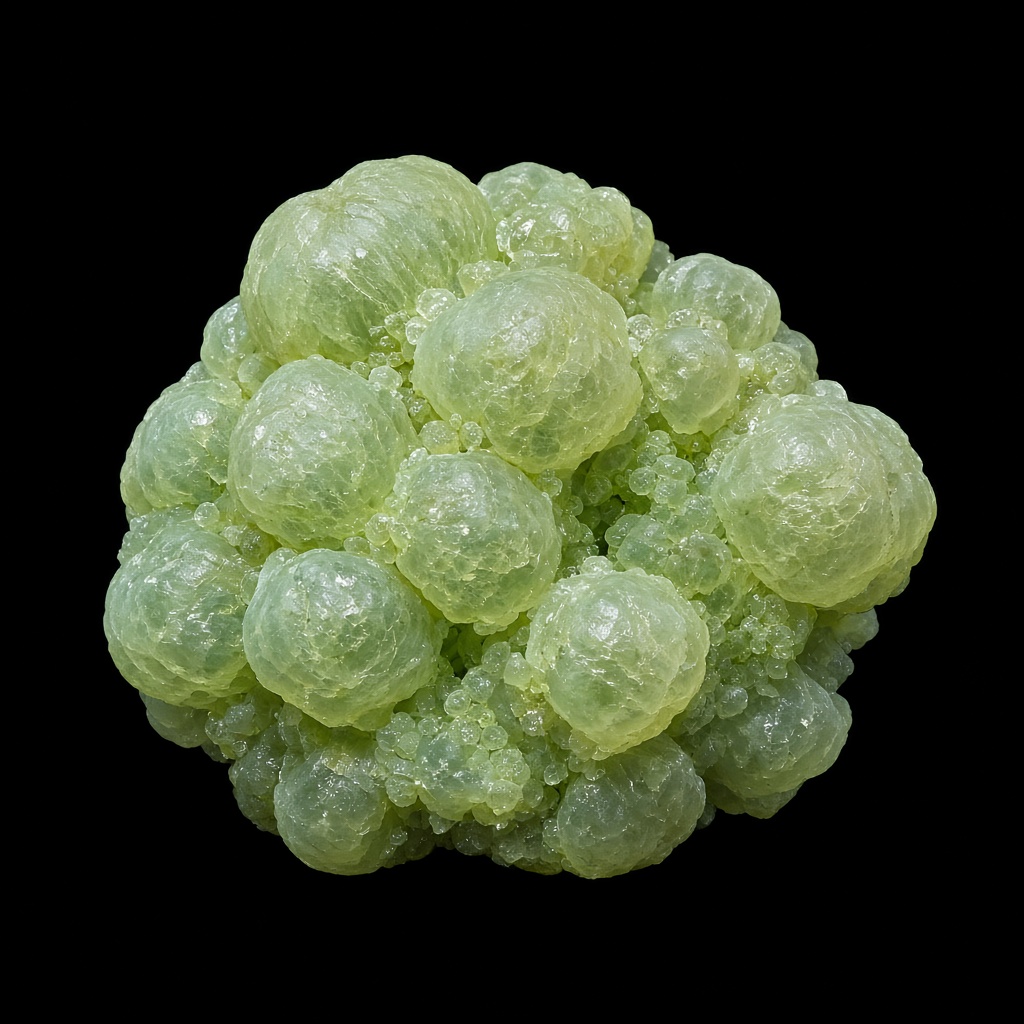
| Color | Neon blue-green, yellow, purple |
| Composition | Calcium phosphate group |
| Formation | Igneous, metamorphic, and sedimentary phosphorites |
| Occurrence | Madagascar, Mexico, Brazil, Myanmar |
| Specific gravity | 3.16–3.22 |
| Cleavage | Imperfect |
How to identify Apatite
- Hardness 5 — scratched by glass/knife carefully
- Strong neon color in fine stones
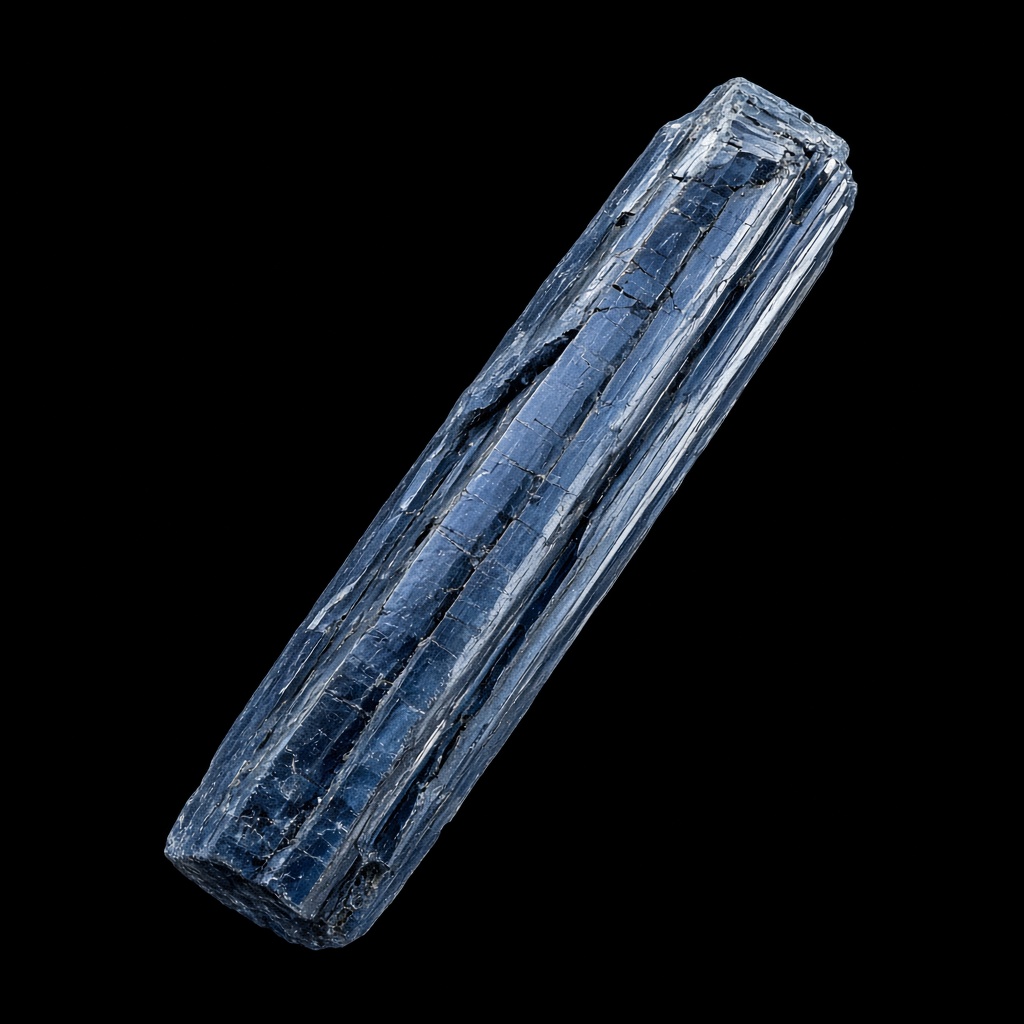
- Hexagonal prisms in crystals
Collector notes
- Name from Greek 'apatao' — to deceive, for lookalike confusion
- Industrial apatite is a key phosphate ore
Value context: Neon blue-green clean stones; disclose softness to buyers.
Apatite FAQ
How do you identify Apatite?
Apatite (Ca₅(PO₄)₃(F,Cl,OH)) is typically recognized by neon blue-green, yellow, purple color, vitreous luster, Mohs hardness 5, and hexagonal crystal system. RockScan can suggest Apatite from a photo and surface these checks on the result card.
What is Apatite made of?
Apatite composition: Calcium phosphate group. It forms via igneous, metamorphic, and sedimentary phosphorites and is found in Madagascar, Mexico, Brazil, Myanmar.
Is Apatite valuable?
Neon blue-green clean stones; disclose softness to buyers.